Source Portable Rechargeable Mini Clip Fan for travel, desk, and outdoor use
Explore 30 Portable Rechargeable Mini Clip Fan options to compare battery capacity, materials, and packaging. This guide helps buyers evaluate specifications and pricing for various clip-on cooling solutions to find the best fit for their needs; compare the available evidence and request quotations based on your requirements.
Key considerations
Products List


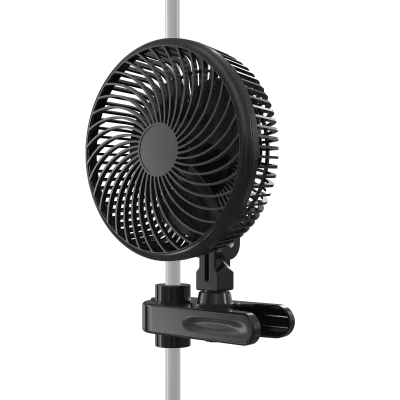


Comprehensive Sourcing Guide
Portable Rechargeable Mini Clip Fan Sourcing Guide
Sourcing portable rechargeable mini clip fans requires a disciplined approach to balancing compact design with reliable performance. These devices are engineered for personal cooling in high-temperature environments, offering mobility without the constraint of wall outlets. Buyers must prioritize units that integrate robust battery technology with durable housing materials to ensure longevity during frequent use. The market offers a variety of form factors, from handheld models to waist-clip designs, each serving distinct ergonomic needs for workers, travelers, and outdoor enthusiasts.
Procurement decisions should be guided by clear technical specifications and verified supplier credentials. Observed listings indicate a wide range of product attributes, including varying battery capacities, material compositions, and packaging standards. It is essential to distinguish between generic offerings and specialized models that meet specific operational requirements. By focusing on verified data points such as carton weights, model numbers, and certification marks, buyers can mitigate risks associated with inconsistent quality and ensure that the selected fans align with their brand’s quality standards and customer expectations.
Product Scope and Observed Listing Signals
The current market landscape for portable rechargeable mini clip fans reveals a diverse array of product configurations tailored to different user preferences. Listings indicate the presence of models such as the Mini Fan, Waist Clip Fan, and various T-series handheld units, each with distinct physical dimensions and packaging requirements. For instance, some models are designed with a pedestal installation style, while others feature retractable cords or specific color options like grey, white, purple, and orange. These variations suggest that buyers should carefully evaluate the intended use case to select the most appropriate form factor, whether it be for hands-free operation or portable handheld convenience.
Material composition and battery capacity are critical differentiators among the observed products. Suppliers offer options constructed from plastic or metal, with battery capacities ranging from 500mAh to 2000mAh Li-ion batteries. The presence of customization options and specific model numbers like 6112, DQ, and MF019 indicates that manufacturers are prepared to accommodate branded orders. Buyers should note that while some products come in English color boxes, others use standard box packaging, which can impact retail presentation. Understanding these physical and functional distinctions is vital for aligning product selection with target market demands and ensuring that the final product meets both aesthetic and performance expectations.
Technical Specifications to Verify
When evaluating technical specifications, buyers must prioritize the verification of battery capacity and charging mechanisms to ensure consistent performance. Observed data highlights battery capacities of 500mAh, 900mAh, and 2000mAh, which directly influence runtime and cooling efficiency. It is crucial to confirm whether the battery is a Li-ion type and to verify the charging interface, as some models may feature retractable cords or specific charging ports. Additionally, the absence of remote controls in certain listings suggests that operation is typically manual, which buyers should communicate clearly to end-users. Verifying these details helps prevent discrepancies between marketing claims and actual product functionality, ensuring customer satisfaction.
Physical dimensions and packaging metrics are equally important for logistics and retail planning. Listings provide specific product sizes, such as 1264541mm for the T237 model, and carton dimensions like 3921.562.5cm. Buyers should cross-reference these figures with supplier-provided data to calculate accurate shipping volumes and costs. The weight of individual units and cartons, ranging from 12kg to 20kg per carton, also impacts handling and storage requirements. Furthermore, verifying the model numbers and standard dimensions ensures that replacement parts or accessories, if needed, are compatible. Accurate specification verification is essential for maintaining inventory accuracy and optimizing supply chain efficiency.
Compliance and Safety Documentation
Compliance with safety standards is non-negotiable when sourcing electronic devices with integrated batteries. Buyers must request and verify certification documents, such as CE marks, to ensure that products meet regional safety and environmental regulations. The presence of CE certification in observed listings is a positive indicator, but it must be validated against the specific model and batch being ordered. Additionally, suppliers should provide test reports for battery safety, including overcharge protection and short-circuit prevention, to mitigate risks associated with Li-ion batteries. These documents are essential for customs clearance and for demonstrating due diligence to downstream customers and regulatory bodies.
Beyond certifications, buyers should inquire about the manufacturer’s quality management systems and production standards. Understanding the origin of the products, such as China, and the specific factory standards can provide insights into the consistency of manufacturing processes. Buyers should also verify that the packaging materials comply with international shipping regulations, including proper labeling and hazard warnings for lithium batteries. Clear documentation of these compliance aspects not only facilitates smoother import processes but also builds trust with retailers and end-users. Ensuring that all safety and compliance requirements are met is a critical step in protecting the brand’s reputation and avoiding potential legal liabilities.
Cost Drivers and Commercial Terms
Cost structures for portable rechargeable mini clip fans are influenced by several key factors, including material selection, battery capacity, and order volume. Products made from metal or featuring higher battery capacities, such as 2000mAh, typically command higher prices compared to plastic models with smaller batteries. Buyers should analyze the price range of $0.82 to $36.8 USD to understand the value proposition of different models. It is important to negotiate based on the specific features required, rather than accepting a one-size-fits-all pricing model. Understanding these cost drivers allows buyers to make informed decisions that balance quality with budget constraints, ensuring competitive pricing in the final market.
Commercial terms, including minimum order quantities (MOQ) and payment conditions, play a significant role in the procurement process. Observed MOQs range from 90 to 30,000 pieces, offering flexibility for both small-scale and large-volume orders. Buyers should align their order quantities with their sales forecasts to avoid excess inventory or stockouts. Additionally, clarifying lead times and shipping terms is essential for effective supply chain planning. Negotiating favorable payment terms, such as partial deposits or letters of credit, can help manage cash flow and reduce financial risk. Clear communication of commercial terms ensures a smooth transaction process and fosters a strong partnership with the supplier.
Supplier Qualification and Quality Control
Supplier qualification is a critical step in ensuring the reliability and consistency of portable rechargeable mini clip fans. Buyers should conduct thorough due diligence to verify the supplier’s manufacturing capabilities, production capacity, and quality control processes. This includes assessing the supplier’s experience in producing similar products and their ability to meet specific customization requests. Requesting samples before placing bulk orders is essential to evaluate the product’s build quality, battery performance, and overall functionality. Suppliers who provide detailed product specifications and responsive customer service are more likely to deliver high-quality products that meet buyer expectations.
Quality control measures should be integrated into the procurement process to minimize defects and ensure product consistency. Buyers should establish clear quality standards and inspection criteria, including checks for battery capacity, material durability, and packaging integrity. Implementing pre-shipment inspections can help identify and rectify issues before the products leave the factory. Additionally, maintaining open communication with the supplier regarding any quality concerns allows for timely resolution and continuous improvement. By prioritizing supplier qualification and rigorous quality control, buyers can mitigate risks and ensure that the final products meet the highest standards of quality and performance.
Long-Term Procurement Checks
Long-term procurement success depends on continuous monitoring of supplier performance and market trends. Buyers should regularly review supplier metrics, such as on-time delivery rates, defect rates, and responsiveness to issues. Establishing key performance indicators (KPIs) helps in objectively assessing supplier reliability and identifying areas for improvement. Additionally, staying informed about advancements in battery technology and fan design can provide opportunities to upgrade product offerings and maintain a competitive edge. Regular feedback loops with suppliers foster a collaborative relationship that drives innovation and quality enhancements over time.
Market dynamics and customer preferences are also subject to change, requiring buyers to adapt their sourcing strategies accordingly. Conducting periodic market research helps in understanding shifting consumer demands and emerging competitors. Buyers should also evaluate the sustainability of their supply chain, considering factors such as environmental impact and ethical sourcing practices. By maintaining a proactive approach to supplier management and market analysis, buyers can ensure that their procurement strategies remain aligned with business goals. Continuous improvement and adaptability are key to sustaining long-term success in the portable fan market.
FAQs
What battery capacities are available for these mini fans?
Battery capacities vary by model, ranging from 500mAh to 2000mAh. Specific options include 500mAh Li-ion, 900mAh, and 2000mAh variants. Buyers should verify the exact capacity for their preferred model to ensure adequate runtime for their specific usage needs and operational requirements.
Can these fans be customized for bulk orders?
Yes, customization is available for these portable rechargeable mini clip fans. Buyers can request specific modifications to meet their branding or functional requirements. This service allows for tailored solutions, ensuring the final product aligns with your specific market demands and design preferences.
What certifications do these mini fans hold?
These mini fans hold CE certification, ensuring compliance with relevant safety and quality standards. This certification is a key indicator of product reliability and regulatory adherence, providing buyers with confidence in the safety and performance of the portable rechargeable mini clip fans for international distribution.
How are these fans packed for shipping?
Packing options include English color boxes or standard boxes. Carton dimensions and weights vary, such as 39x21.5x62.5cm with 18kg weight or 420x400x380mm with 20kg weight. Buyers should confirm the specific packing details for their chosen model to optimize logistics and storage efficiency.
What is the minimum order quantity for these fans?
Minimum order quantities range from 90 to 30,000 pieces depending on the model. Specific models may require 90, 100, or 120 pieces as a baseline. Buyers should check the MOQ for their selected variant to ensure their order meets the supplier's production and shipping thresholds.
Which materials are used in these mini fans?
These fans are constructed from plastic or metal materials. The choice of material affects durability and weight, with plastic options being lightweight and metal variants offering robustness. Buyers should select the material that best suits their product's intended use and quality expectations.