Source App Controlled Programmable LED Mask for Halloween, Christmas, Parties
Find 30 options for the App Controlled Programmable LED Mask suitable for holiday events and costume parties. Buyers can compare features like USB charging, fabric materials, and programmable LED patterns from verified suppliers in Guangdong.
Key considerations
Products List
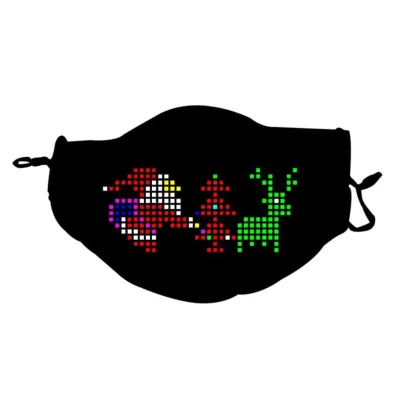
LED Programmable Message Mask Soft Comfortable App Controlled USB Recharge Led Display Mask
$6.14 - $6.96
MOQ: 100 pieces
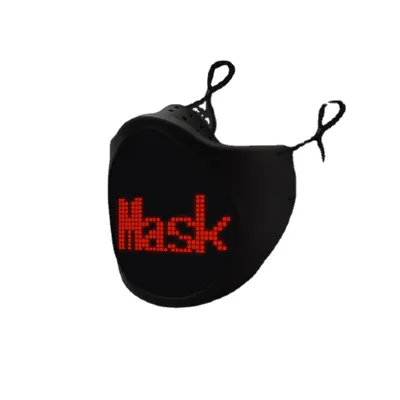
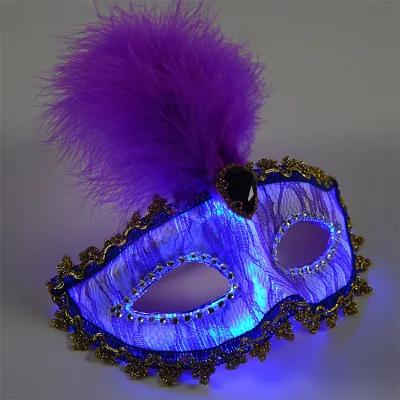


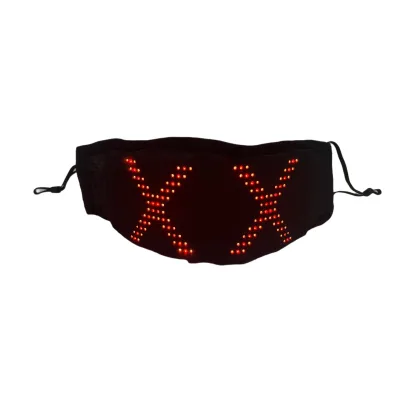
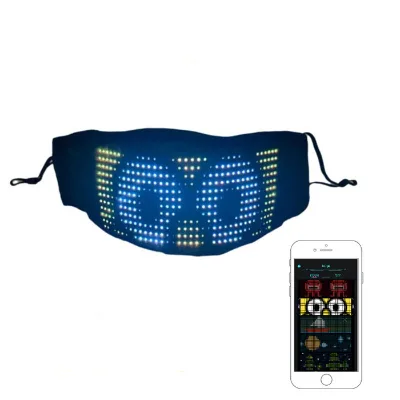
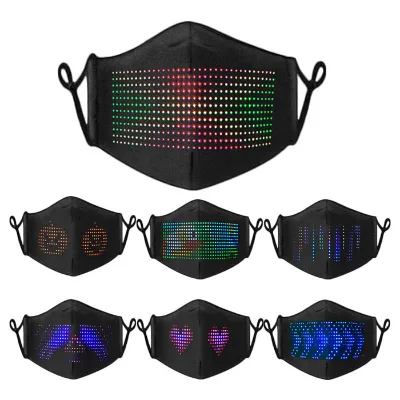
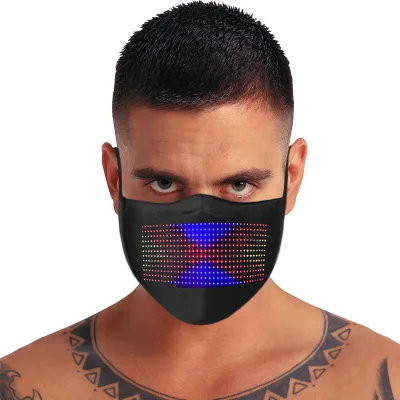
LED APP Control Scrolling Message LED Light Face Mouth Mask Christmas LED Mask
$12.72 - $13.74
MOQ: 10 pieces
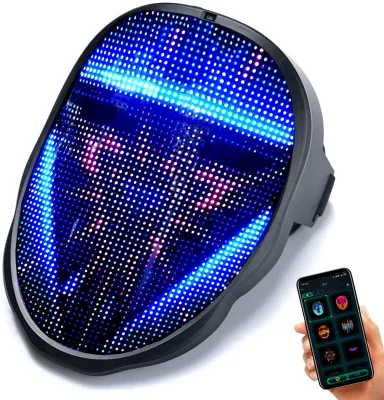
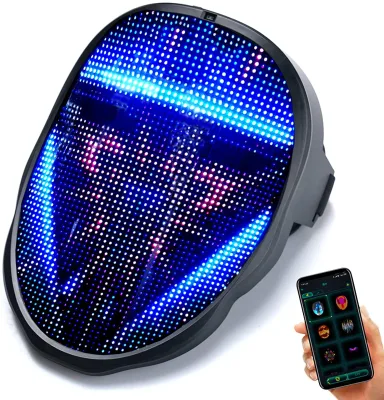


Popular Colorful Party Programmable Light up Glowing Mask Unisex Face LED Mask
$2.20 - $2.50
MOQ: 50 Pieces


Comprehensive Sourcing Guide
Strategic Sourcing Guide for App-Controlled Programmable LED Masks
The global demand for interactive entertainment accessories has driven significant innovation in wearable lighting technology, with app-controlled programmable LED masks emerging as a high-growth category for B2B buyers. These devices represent a convergence of textile manufacturing, embedded electronics, and mobile connectivity, offering unique value for event organizers, costume retailers, and promotional product distributors. Sourcing this specific product requires a disciplined approach that distinguishes between generic light-up masks and those with advanced programmable capabilities. The following guide outlines the critical technical, operational, and compliance factors necessary for a successful procurement strategy, grounded in observed market data and verified product attributes.
Technical Architecture and Functional Specifications
The core differentiator for this product category is the integration of a mobile application interface that allows users to customize lighting patterns, colors, and timing sequences in real-time. Based on observed product data, the functional architecture typically relies on a rechargeable battery system with a charging time ranging between 2 to 3 hours. The power consumption is generally managed via a 5V/1A interface, ensuring compatibility with standard USB charging ports and power banks. The operational runtime for a single charge is observed to be approximately 5 hours, which is a critical metric for event planners who require sustained performance throughout a night of festivities.
The physical construction of these masks often utilizes fabric as the primary substrate, though some variants may incorporate silicone components for structural integrity or specific aesthetic effects. The dimensions of the product vary, with observed single package sizes ranging from 12x10x5 cm to 20x15x10 cm, and product sizes spanning from 110x85mm to 150x125x55mm. This variance suggests a market offering both compact, lightweight designs and larger, full-face coverage units. The "Cover Area" is frequently specified as "Full Face," indicating that the LED array is designed to illuminate the entire facial region rather than just specific accents.
Connectivity is achieved through Bluetooth or similar wireless protocols, enabling the "APP Control" feature. The programmable nature of the LEDs allows for dynamic color changes, including options for Black, Blue, Green, Red, Yellow, Pink, and Gray. Some units feature sound activation capabilities, where the lighting responds to ambient noise or music, adding an interactive layer to the user experience. The printing methods employed on these masks include silk screen printing and digital printing, allowing for customizable branding or graphic overlays on the fabric or silicone surfaces.
Compliance, Safety, and Certification Verification
When sourcing electronic wearables, particularly those designed for close proximity to the face and eyes, compliance verification is paramount. Buyers must rigorously investigate the electrical safety standards applicable to the destination market. While specific certification status cannot be assumed for all listed products, the presence of a "Rechargeable Battery" necessitates adherence to international standards for lithium-ion or similar battery technologies.
The material composition is another critical compliance factor. The observed use of "Silicone" and "Fabric" requires verification that these materials are non-toxic and safe for skin contact. Product attributes often list "Non-Toxic" and "Eco-Friendly" as features, but these claims must be substantiated by third-party laboratory test results. Buyers should request documentation confirming that the materials meet relevant safety regulations, such as REACH in Europe or CPSIA in the United States, particularly regarding heavy metals and phthalates.
Furthermore, the electronic components, including the USB charging interface and the LED array, must comply with electromagnetic compatibility (EMC) regulations. The "Laser Power" specification observed in some listings (1-5mW) indicates the potential use of laser diodes in certain variants, which requires strict adherence to laser safety class standards (e.g., IEC 60825-1). Even if the primary light source is standard LEDs, the driver circuits must not emit harmful interference. Buyers should explicitly request test reports from the supplier to confirm that the product has passed these specific safety and emission checks before placing a bulk order.
Cost Drivers and Pricing Dynamics
The pricing structure for app-controlled LED masks is influenced by several variable factors, with the observed market range spanning from $0.55 to $199.99. This wide disparity indicates a segmentation between basic, non-programmable light-up masks and high-end, fully customizable units with advanced app integration and premium materials. The lower end of the price spectrum likely corresponds to simple LED masks with fixed patterns or basic remote controls, while the upper end reflects the complexity of the app ecosystem, the quality of the fabric or silicone, and the durability of the battery system.
Material costs play a significant role in the final price. Masks constructed with high-grade silicone and advanced fabric blends will command a higher price point than those using standard synthetic materials. The inclusion of a rechargeable battery and the associated circuitry for app connectivity adds a fixed cost component that is absent in non-electronic masks. Additionally, the printing method affects cost; digital printing allows for complex, multi-color designs but may be more expensive per unit than silk screen printing for large, simple runs.
The Minimum Order Quantity (MOQ) is another critical cost driver. Observed MOQs range from 1 to 1000 units, with specific listings citing an MOQ of 100 pieces. Buyers must balance the unit price against the total capital outlay. Higher volume orders typically yield lower per-unit costs, but the MOQ threshold must be met to access these tiered pricing structures. Buyers should also consider the "Single Gross Weight" of the product, which is observed at 0.500 kg for some units, as this directly impacts shipping costs, especially for international procurement.
Typical Applications and Market Segmentation
The versatility of app-controlled programmable LED masks makes them suitable for a diverse range of applications, primarily centered around entertainment, events, and promotional activities. The "Occasion" attributes highlight their suitability for Christmas, Halloween, Costume Parties, Masquerades, and New Year celebrations. The "Theme" is consistently categorized as "Holiday," indicating a strong seasonal demand cycle.
For B2B buyers, the primary market segments include costume retailers, event production companies, and corporate marketing departments. Costume retailers benefit from the "Trendy" and "Fashionable" attributes of these masks, which appeal to consumers seeking unique, interactive outfits for festivals and parties. Event organizers utilize these masks for concerts, nightclubs, and themed parties where synchronized lighting effects can enhance the atmosphere. The "Sound Activated" feature is particularly valuable for DJs and event planners who want the lighting to react to the music.
Promotional product distributors also find value in this category. The ability to customize the app interface or the mask design allows companies to create branded merchandise that stands out. The "Reusable" and "Eco-Friendly" features align with corporate sustainability goals, making these masks attractive for long-term brand campaigns. The "Indoor" usage specification suggests that while they are excellent for indoor events, buyers should verify weather resistance if outdoor use is intended, as some models may not be fully waterproof despite "Waterproof" claims in certain listings.
Supplier Evaluation and Operational Due Diligence
Selecting the right supplier requires a thorough evaluation of their manufacturing capabilities and track record. The "Place of Origin" for many of these products is Guangdong, China, a region known for its robust electronics and textile manufacturing infrastructure. Buyers should verify the supplier's capacity to handle the specific technical requirements, such as the integration of app software with hardware.
Key evaluation criteria include the supplier's ability to provide consistent quality control and their responsiveness to customization requests. The "Advantage" attributes often cited, such as "fast delivery," "good quality," and "factory price," should be validated through reference checks and sample testing. Buyers must ensure that the supplier can meet the specific "Charging time" and "Use time" requirements without compromising battery life or safety.
The "Packing" specifications, such as "color box," are also important for retail readiness. Buyers should confirm that the packaging is durable enough to protect the electronic components during transit and that it meets any specific labeling requirements for the target market. Additionally, the "Selling Units" being listed as "Single item" suggests that the product is often sold individually, which simplifies inventory management for retailers but requires careful calculation of total order volumes.
Quality Control and Long-Term Procurement Strategy
Implementing a robust quality control (QC) protocol is essential for maintaining product integrity and customer satisfaction. Given the electronic nature of the product, QC should focus on battery performance, charging reliability, and the stability of the app connection. Buyers should request pre-shipment inspections that test a statistically significant sample size for functionality, ensuring that the "LED" features operate correctly and that the "APP Control" is responsive.
Long-term procurement considerations involve building a sustainable supply chain. Buyers should prioritize suppliers who demonstrate a commitment to "Eco-Friendly" practices and offer "Reusable" products. This aligns with growing consumer demand for sustainable entertainment options. Establishing a long-term partnership with a supplier can also facilitate better pricing, priority production slots, and more flexible MOQ terms over time.
Furthermore, buyers should plan for the lifecycle of the product. The "Battery Properties" being "Rechargeable" means that the product has a finite lifespan. Suppliers should be evaluated on their ability to provide replacement parts or support for battery replacements if the product fails before its expected lifespan. The "Model Number" variations, such as HJ-20210510 or LW, indicate different product iterations; buyers should ensure they are sourcing the most current and reliable version available.
Conclusion
Sourcing app-controlled programmable LED masks requires a balanced approach that weighs technical specifications against cost, compliance, and operational feasibility. The market offers a wide range of options, from basic light-up masks to sophisticated, app-integrated devices suitable for high-end events. By focusing on verified technical attributes, rigorous safety compliance, and supplier reliability, B2B buyers can secure a supply chain that delivers high-quality, innovative products. The key to success lies in understanding the specific needs of the target market and selecting suppliers who can consistently meet those demands while adhering to the highest standards of quality and safety.
FAQs
How long does the battery last on a single charge?
The battery lasts approximately 5 hours on a single charge. This runtime supports extended use during events like Halloween or Christmas parties without needing frequent recharging.
What charging time is required for the device?
Charging typically takes between 2 to 3 hours using a USB interface. This ensures the rechargeable battery is ready for the next event after a standard overnight wait.
Which materials are used to construct the mask?
The mask is constructed from fabric and silicone materials. These materials are selected to ensure the product is breathable, reusable, and comfortable for adult wearers during various occasions.
Can the mask be customized with specific colors?
Yes, the mask supports multiple color options including black, blue, green, red, yellow, pink, and gray. Users can program these colors via the app for dynamic lighting effects.
What is the minimum order quantity for this product?
The minimum order quantity is 100 pieces for some listings. Buyers should verify specific supplier requirements as the general range observed spans from 1 to 1000 units.
Where are these masks typically manufactured?
These masks are manufactured in Guangdong, China. This region is known for its robust electronics and textile manufacturing infrastructure suitable for producing wearable lighting technology.
What is the single package size for shipping?
The single package size varies between 12x10x5 cm and 20x15x10 cm depending on the model. This dimension accounts for the product and its protective color box packaging.