Source Apple Pear Coring Slicing Machine for Apple Pear Orange
Compare 30 Apple Pear Coring Slicing Machine listings from China suppliers. Buyers can evaluate models like HL-PG and SR-PSQPJ, checking capacities up to 600kg/h and voltage options of 220V or 380V for fruit processing lines.
Key considerations
Products List


Factory Price Coring Fruit Slicer Processing Pear Apple Cutting Slicing Machine
$2700.00 - $3400.00
MOQ: 1 Pieces


Factory Price Coring Pear Processing Fruit Cutting Apple Slicer Machine
$2700.00 - $3400.00
MOQ: 1 Pieces

Low Price Corer Fruit Cutting Processing Pear Slicer Apple Slicing Machine
$2700.00 - $3400.00
MOQ: 1 Pieces


Automatic Pear Apple Coring Peeling Slicing Machine Orange Peach Pitter Cut Machine
$14000.00 - $18000.00
MOQ: 1 Pieces


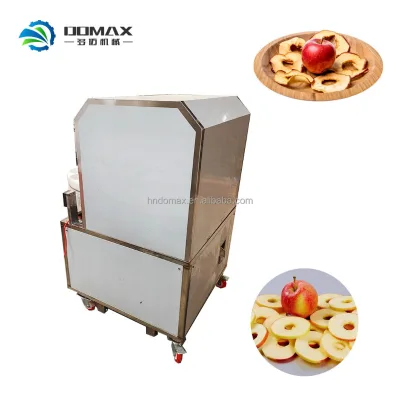


Industrial Apple Peeler Corer Slicer Machine Automatic Apple Pear Processing Equipment
$11980.00 - $15800.00
MOQ: 1 Pieces

Apple Core Cutting Machine Full Automatic Apple Coring Peeling Machine Apples Peeling Core Machine
$19000.00 - $23000.00
MOQ: 1 Pieces

Apple Slicing Skin Removing Coring Peeling Cutting Machine Pears Slicer Corer Cutter
$1880.00 - $1980.00
MOQ: 1 Pieces

Multifunctional Peeling Cutting Slicing Machine for Apple and Pear
$11980.00 - $15800.00
MOQ: 1 Pieces


Automatic Apple Pitting Core Removing and Cutting Machine Apple Cutter Slicing Machine
$5888.00 - $6000.00
MOQ: 1 Pieces
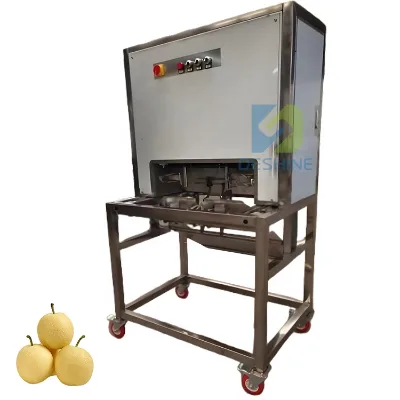
Comprehensive Sourcing Guide
Strategic Sourcing Guide for Apple and Pear Coring and Slicing Machinery
The global demand for processed fruit products has driven a significant evolution in industrial machinery, particularly for core processing lines targeting high-volume operations. For procurement professionals sourcing an Apple Pear Coring Slicing Machine, the decision matrix extends far beyond the initial purchase price. It involves a rigorous analysis of technical compatibility, material integrity, operational capacity, and the logistical realities of importing heavy industrial equipment. The following guide synthesizes observed market data and technical specifications to provide a disciplined framework for evaluating potential suppliers and selecting the right equipment for fruit processing lines.
Technical Specifications and Operational Capacity
When evaluating an Apple Pear Coring Slicing Machine, the primary technical differentiator is the machine's capacity and its ability to handle specific fruit geometries. The market presents a diverse range of configurations, from standalone units to integrated processing lines. Buyers must first verify the rated capacity, which often varies significantly based on fruit size and ripeness. Observed data indicates that specific models are rated for capacities such as 48 pieces per minute or 600-800 kilograms per hour. These figures are critical for aligning machinery with the throughput requirements of the production line. A mismatch here can lead to bottlenecks that negate the efficiency gains of automation.
Power requirements are another fundamental specification. The voltage standards for these machines are not uniform; observed listings show units operating at 380V, 220V, and 220V Single Phase configurations. Procurement teams must ensure that the facility's electrical infrastructure matches the machine's voltage requirement to avoid costly retrofits or the need for transformers. Furthermore, the physical dimensions of the equipment are a major logistical consideration. Standardized dimensions observed in the market include configurations such as 240016001000mm, 12009801500mm, and larger units reaching 400012001300mm. These dimensions dictate the floor space allocation and the width of doorways or loading docks required for installation.
The mechanical function of the machine is equally vital. While some units are dedicated to specific tasks like coring or peeling, advanced models offer multifunctional capabilities. Specific product attributes highlight functions such as "Peeling+Coring+Halving," which can streamline the processing workflow by reducing the number of machines required. The slicing thickness is often an adjustable parameter, allowing operators to customize the output for different product lines, whether for fresh consumption or further processing into juices and purees. The core mechanism itself, often described as a "Cutter" type, must be engineered to minimize fruit waste while maintaining structural integrity during high-speed operation.
Material Integrity and Construction Standards
The longevity and food safety compliance of an Apple Pear Coring Slicing Machine are inextricably linked to the materials used in its construction. In the food processing industry, the standard for contact surfaces is non-negotiable. The observed market data consistently points to the use of 304 Stainless Steel or SUS304 as the primary material for critical components. This grade of stainless steel offers superior corrosion resistance and durability, which is essential for environments involving high moisture and acidic fruit juices. The use of standard steel or non-specified alloys for food-contact parts is a significant red flag that buyers must actively screen out.
Beyond the contact surfaces, the structural frame and housing also contribute to the machine's overall stability and lifespan. The construction must be robust enough to withstand the vibrations and forces generated during high-speed coring and slicing. Buyers should verify that the "Steel" designation in product descriptions refers to high-grade, food-safe alloys rather than generic structural steel. The thickness of the material, often noted as "Adjustable" or specified in millimeters, is a key indicator of build quality. Thicker gauge steel generally implies better resistance to wear and tear, though it may increase the overall weight of the unit.
The weight of the machine is a direct reflection of its material density and construction quality. Observed units in this category weigh approximately 320kg, a figure that suggests a substantial build designed for industrial durability. This weight is advantageous for stability during operation but complicates the logistics of shipping and installation. The material specifications must be explicitly stated in the technical datasheet, as vague descriptions like "Stainless Steel" without a grade number (e.g., 304 or 316) do not provide sufficient assurance of compliance with food safety regulations.
Compliance, Certification, and Safety Verification
While specific certification status is not universally listed in all product observations, the absence of documented compliance should not be assumed to indicate non-compliance. Instead, buyers must treat certification as a verification step rather than a given attribute. The primary focus should be on the machine's adherence to international food safety standards and electrical safety regulations. In the context of fruit processing, the machine must be designed to prevent contamination and facilitate easy cleaning, often requiring a hygienic design that minimizes crevices where fruit residue could accumulate.
Buyers should request documentation regarding the machine's compliance with relevant standards, such as CE for European markets or NSF for North American applications. Although the provided data does not list specific certification numbers, the presence of a "Standard Export Wooden Box" or "Seaworthy Wooden Packing" suggests that the manufacturer is familiar with international shipping protocols, which often include safety inspections. The electrical components, particularly those operating at 380V or 220V, must be certified to handle the specific voltage and phase requirements of the destination country.
Safety features are also a critical component of compliance. The machine should be equipped with emergency stop buttons, safety interlocks, and guards that prevent access to moving parts during operation. The "Industrial Fruit Processing" scope implies that the machine is designed for continuous operation, necessitating robust safety protocols to protect operators. Buyers should verify that the supplier provides a comprehensive safety manual and that the machine design includes clear warnings and operational instructions. The absence of these documents or vague safety descriptions should be grounds for further inquiry or rejection of the supplier.
Cost Drivers and Pricing Dynamics
The pricing of apple pear coring slicing machines is influenced by a complex interplay of factors, including capacity, material quality, and customization options. The observed price range in the market spans from $500 to $30,000, a wide variance that reflects the diversity of machine configurations. Lower-priced units typically represent smaller, less automated models with standard capacities and basic material specifications. In contrast, higher-priced units often feature advanced automation, higher throughput capacities, and superior construction materials like 304 Stainless Steel.
Customization is a significant cost driver. The market data indicates that "Customized" options are available, and some models are explicitly listed as having "Customized" standards. Customization can include adjustments to dimensions, voltage configurations, or specific functional additions like integrated peeling or halving mechanisms. These bespoke requirements often extend the manufacturing time, with observed lead times reaching up to 28 days. Buyers must factor in the additional costs associated with customization, including potential design fees and extended production schedules.
The Minimum Order Quantity (MOQ) is another factor that affects the total cost of acquisition. Observed MOQs range from 1 to 2 units, suggesting that most suppliers are willing to sell single units, which is beneficial for small to medium-sized operations. However, bulk purchasing may offer economies of scale, though this is not explicitly detailed in the provided data. Buyers should negotiate based on the total volume of their requirements and the potential for future orders. Additionally, the cost of shipping and insurance, particularly for heavy units weighing 320kg or more, must be included in the total cost of ownership calculations.
Supplier Evaluation and Origin Verification
When sourcing industrial machinery, the origin of the product plays a crucial role in determining the reliability of the supply chain. The observed data indicates that the majority of these machines originate from China, with specific mentions of Henan, China, as a manufacturing hub. This region is known for its concentration of food processing equipment manufacturers. However, the specific supplier name is not provided, and buyers should conduct their own due diligence to verify the reputation and track record of the manufacturer.
Supplier evaluation should focus on the transparency of their operations and the quality of their after-sales support. The market data notes that "Video Technical Support" is provided by some suppliers, which is a valuable resource for troubleshooting and operational guidance. Buyers should also inquire about the availability of spare parts and the lead time for replacements. The manufacturing time of 28 days suggests a standard production cycle, but buyers should confirm whether this timeline is consistent or if it varies based on order volume and customization.
The packaging method is another indicator of supplier professionalism. Observed packaging includes "Wooden Case," "Standard Export Wooden Box," and "Seaworthy Wooden Packing." These methods are designed to protect the machine during long-distance shipping and are essential for preventing damage to the equipment. Buyers should verify that the packaging meets international standards for export and that it includes necessary documentation such as packing lists and inspection certificates.
Quality Control and Long-Term Procurement Considerations
Quality control is a continuous process that begins before the machine is manufactured and extends through its operational life. Buyers should implement a rigorous inspection protocol that includes pre-shipment inspections to verify that the machine meets the specified technical and material requirements. This includes checking the voltage compatibility, material grades, and dimensional accuracy. The "Adjustable" thickness feature should be tested to ensure it functions smoothly and accurately across the entire range of settings.
Long-term procurement considerations involve planning for maintenance and lifecycle management. The machine's design should facilitate easy cleaning and maintenance to ensure food safety and operational efficiency. Buyers should request a detailed maintenance schedule and training for their operators. The "After-Sales Service Provided" attribute, specifically video technical support, is a positive indicator, but buyers should also explore the availability of on-site support or local service partners in their region.
The capacity of the machine, whether rated at 48 pieces per minute or 600-800kg per hour, should be evaluated against the projected growth of the business. Over-investing in a machine with excessive capacity can lead to unnecessary costs, while under-investing can result in production bottlenecks. Buyers should consider the flexibility of the machine to adapt to different fruit types, such as apples, pears, oranges, and persimmons, as indicated by the "Suitable for" attributes. This versatility can extend the useful life of the equipment and provide a better return on investment.
Comparative Analysis of Machine Configurations
To assist buyers in making informed decisions, the following table summarizes key specifications observed in the market for apple pear coring slicing machines. This comparison highlights the diversity in capacity, dimensions, and material standards, allowing for a more targeted selection process.
| Specification Category | Configuration A | Configuration B | Configuration C |
|---|---|---|---|
| Product Model | HL-PG | HL-A48 | SR-PM4 |
| Capacity | 48 PCS/Min | 600-800 kg/H | 50 Pieces Per Minute |
| Dimensions (mm) | 240016001000 | 12009801500 | 200015001900 |
| Voltage | 380V | 220V | 220V Single Phase |
| Material | 304 Stainless Steel | SUS304 | 304 Stainless Steel |
| Function | Apple Coring | Fruit Pitting | Peeling+Coring+Halving |
| Weight | 320kg | N/A | N/A |
| Packing | Wooden Case | Standard Export Wooden Box | Seaworthy Wooden Packing |
| Origin | China | Henan, China | China, Henan |
This table illustrates that while the core function remains consistent, the specific configurations vary widely. Buyers must match these specifications to their operational needs, ensuring that the voltage, capacity, and dimensions align with their facility's capabilities. The use of 304 Stainless Steel across all configurations is a positive indicator of material quality, but the functional differences, such as the inclusion of peeling and halving in Configuration C, may dictate the choice based on the desired level of automation.
In conclusion, sourcing an Apple Pear Coring Slicing Machine requires a meticulous approach that balances technical specifications, material integrity, and supplier reliability. By adhering to the guidelines outlined in this guide, buyers can navigate the complexities of the global market and secure equipment that meets their production demands while ensuring long-term operational efficiency and food safety compliance.
FAQs
What voltage options are available for apple pear coring slicing machines?
These machines operate on 380V, 220V, or 220V Single Phase configurations. Buyers must verify their facility's electrical infrastructure matches the specific voltage requirement to avoid costly retrofits or the need for transformers before installation.
Which material grades are used for food contact surfaces in these machines?
Critical components are constructed from 304 Stainless Steel or SUS304 to ensure corrosion resistance and food safety. This grade is essential for environments involving high moisture and acidic fruit juices during continuous industrial processing operations.
How much capacity can an Apple Pear Coring Slicing Machine handle per minute?
Specific models are rated for capacities of 48 pieces per minute or 600 to 800 kilograms per hour. Procurement teams must align these figures with their production line throughput requirements to prevent operational bottlenecks.
Can these machines be customized for specific fruit processing needs?
Customization is available for dimensions, voltage, and functional additions like integrated peeling or halving mechanisms. These bespoke requirements often extend the manufacturing time to approximately 28 days and may incur additional design costs.
What is the typical weight and packaging for shipping these industrial units?
Observed units weigh approximately 320kg and are packed in standard export wooden boxes or seaworthy wooden cases. This substantial weight ensures stability during operation but requires careful logistics planning for shipping and installation.
Which functions do advanced apple pear coring slicing machines offer?
Advanced models provide multifunctional capabilities such as peeling, coring, and halving in a single unit. This integration streamlines the workflow by reducing the number of separate machines required for the complete fruit processing line.