Source App Controlled Pickleball Serving Machine for training, practice, and entertainment
Explore 30 listings for the App Controlled Pickleball Serving Machine suitable for training, practice, and entertainment. Buyers can compare specifications, prices, and features across multiple suppliers to find the right equipment.
Key considerations
Products List
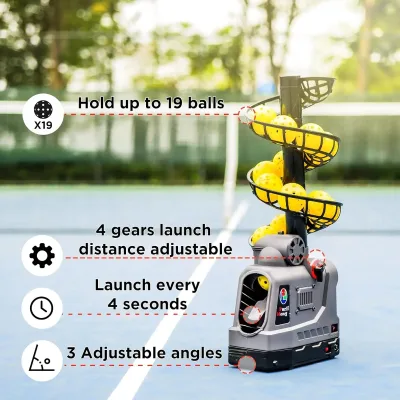
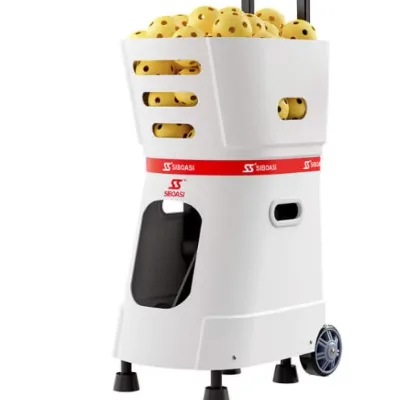
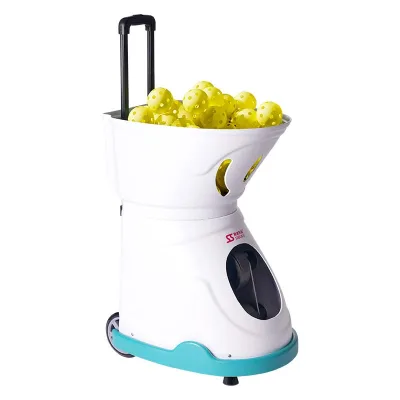

Individual Training Tool Volleyball Serving Machine for Serve Receive
$200.00 - $230.00
MOQ: 100 Pieces


Neutral Remote Control Volleyball Throwing Machine for Serve Receive
$200.00 - $230.00
MOQ: 100 Pieces


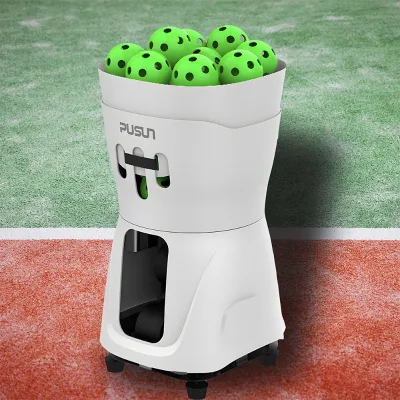
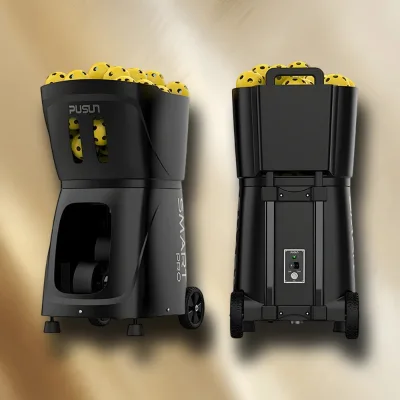
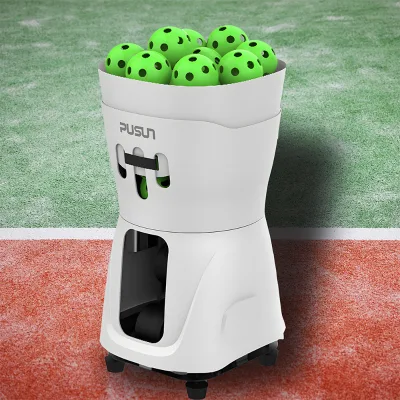
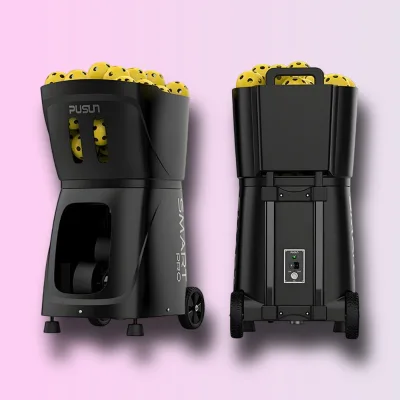
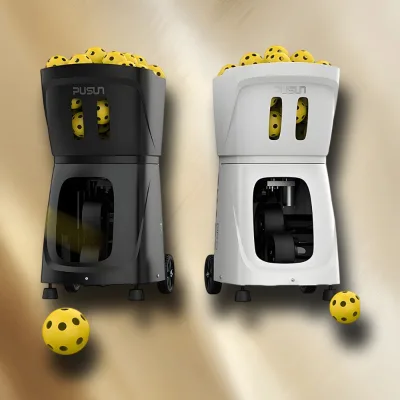
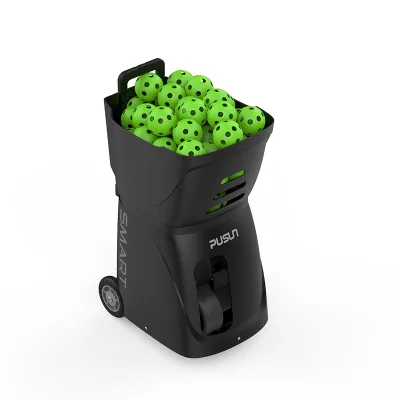

Hot Sales Automatic Electronics Pickleball Machine with APP Remote Control
$860.00 - $1396.00
MOQ: 2 Pieces

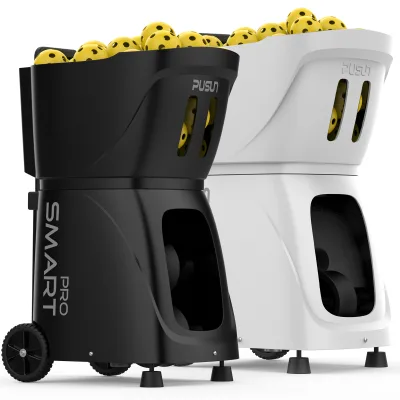

Durable PE Material Indoor Outdoor Pickleball 40 Hole Pickleball Ball Equipment
$0.12 - $0.13
MOQ: 300 Pieces


Rotational Molding Seamless Pickleball for Professional Competition Pickle Ball Games
$0.45 - $0.50
MOQ: 300 Pieces


Comprehensive Sourcing Guide
Strategic Sourcing Guide for App-Controlled Pickleball Serving Machines
The global demand for automated sports training equipment has surged, with app-controlled pickleball serving machines emerging as a critical tool for both recreational enthusiasts and professional athletes. For B2B procurement officers and distributors, navigating the supply chain for these devices requires a disciplined approach that balances technological capability with rigorous supplier verification. This guide synthesizes available market data to provide a structured framework for sourcing, evaluating, and integrating these machines into your inventory or facility operations. The focus remains on evidence-based attributes, ensuring that procurement decisions are grounded in verified product specifications rather than unconfirmed marketing claims.
Technical Architecture and Functional Specifications
When evaluating app-controlled pickleball serving machines, the primary differentiator lies in the integration of software connectivity with mechanical reliability. The core functionality involves a device capable of launching balls with consistent speed, spin, and trajectory, all managed via a mobile application. Based on observed market data, these units often feature a dual-player configuration, allowing for more complex training drills that simulate match conditions. The physical construction typically combines durable materials such as ABS plastic and steel, ensuring the machine can withstand high-frequency usage in both indoor and outdoor environments.
The power system is a critical technical component. Units observed in the market operate on a voltage range of 100V to 240V, indicating a design for international compatibility. Battery life is another essential specification; current data points to an operational duration of approximately 1 to 2 hours on a single charge, which is sufficient for extended training sessions but requires buyers to verify battery capacity against their specific usage volume. The mechanical housing often includes a ball capacity of 50 balls, allowing for continuous play without frequent reloading.
Software integration is the defining feature of the "app-controlled" category. Buyers must verify that the application supports real-time adjustments to serve speed and placement. While some models in the dataset indicate a "NO" programming status for specific legacy units, modern app-controlled variants should offer programmable sequences. The physical dimensions of these machines vary, with single package sizes ranging from approximately 48x30x22 cm to larger units measuring 60x60x60 cm. Weight is a significant logistical factor; net weights can range from 2.0 kg for portable units to 12 kg or even 35 kg for heavy-duty training stations. The color options observed include Olive Black and White, which may influence aesthetic integration with existing facility designs.
Compliance, Certification, and Safety Standards
Procurement of electronic sports equipment necessitates a thorough review of compliance and safety standards. While specific certification marks are not universally listed in the provided product attributes, buyers must independently verify that any unit intended for export meets the electrical safety standards of the destination market. For instance, devices operating on 100V-240V must comply with regional regulations regarding voltage conversion and plug types, such as the US Plug observed in specific listings.
Safety is paramount when dealing with high-speed ball launchers. The materials used, including carbon, PE, and PP plastics alongside steel components, must be non-toxic and durable. The "Eco-Friendly" attribute noted in some product descriptions suggests a potential focus on sustainable manufacturing, but this should be confirmed through supplier documentation rather than assumed. Buyers should request proof of compliance with relevant international standards for electronic toys and sports equipment, such as ISO certifications or specific regional safety marks (e.g., CE, FCC, or UL), to ensure the product does not pose a risk of injury or electrical hazard.
Furthermore, the "Indoor" use type specified for certain models implies that the machine's design may not be fully weatherproofed for outdoor exposure. Procurement teams must clarify the intended environment of use. If the machine is marketed for outdoor use, verification of IP (Ingress Protection) ratings for dust and water resistance is essential. The "Double" player attribute suggests the machine is designed to handle the output of two users, which may require additional safety interlocks to prevent accidental activation during maintenance or reloading.
Cost Drivers and Pricing Dynamics
The pricing structure for app-controlled pickleball serving machines is highly variable, influenced by material composition, technological complexity, and brand positioning. The observed market price range spans from $0.12 to $1,396, a disparity that reflects the difference between basic components or accessories and fully integrated, high-end automated systems. This wide range indicates that buyers must be extremely specific about their requirements to avoid confusion between a complete machine and a replacement part or a low-cost alternative.
Several factors drive the final cost. First, the material composition plays a significant role; units constructed with a combination of ABS plastic and steel generally command a higher price point than those made primarily of plastic. Second, the level of automation and software integration is a major cost driver. Machines with advanced app connectivity, programmable serving patterns, and higher ball capacities typically fall into the upper tier of the price spectrum. Third, the packaging and logistics costs contribute to the final price, as evidenced by the varying package sizes and gross weights. A unit with a single gross weight of 35.000 kg will incur significantly higher shipping costs compared to a 2.0 kg unit, impacting the landed cost for the buyer.
Brand reputation also influences pricing. Established brands like TELOON, BSK, and SIBOASI may command a premium due to perceived reliability and after-sales support. However, the presence of "Small Orders: Accepted" and an MOQ of 1 piece suggests that the market is accessible to smaller buyers, potentially offering opportunities for negotiation on unit prices for bulk orders. Buyers should analyze the total cost of ownership, including shipping, potential import duties, and the cost of replacement parts, rather than focusing solely on the initial purchase price.
Typical Applications and Target Markets
The versatility of app-controlled pickleball serving machines allows them to serve a diverse range of applications. The primary market segment includes training facilities, sports academies, and community centers where consistent ball delivery is required for skill development. The "Suitable for: All level players" attribute indicates that these machines are designed to accommodate beginners through advanced athletes, making them ideal for multi-tiered training programs.
In addition to formal training, these machines are increasingly used for entertainment purposes. The "Usage: Entertainment, pickleball sports" designation highlights their potential in recreational centers, hotels, and event venues where they can provide an engaging activity for guests. The "Children, Adults, Teenagers" age group specification further broadens the market, suggesting that the machines are safe and intuitive enough for a wide demographic.
The "Strength Training" application noted in some listings suggests a secondary use case for athletic conditioning, where the machine is used to improve reaction time, footwork, and swing mechanics. The "Portable" feature is particularly valuable for mobile training services or temporary setups at tournaments. The "Customized" pattern and "Accept Customized Logo" attributes indicate that these machines can be branded for corporate events or specific club promotions, adding a layer of marketing value to the procurement decision.
Supplier Evaluation and Verification Protocols
Selecting the right supplier is critical to ensuring product quality and supply chain stability. The observed data reveals that suppliers are located primarily in China, with specific mentions of Jiangsu as a place of origin. This concentration suggests a robust manufacturing ecosystem, but it also requires buyers to conduct due diligence to identify reputable partners.
Buyers should evaluate suppliers based on their ability to provide detailed product specifications and evidence of quality control. The presence of specific model numbers such as TL4001, TLPB01, 8005, and C1 indicates a structured product line, which is a positive sign of an established manufacturer. However, the variation in attributes across these models means that buyers must verify the exact specifications of the unit they intend to purchase. For example, one model may be "Double" player while another is "Group" player, and the material composition may differ between "Carbon" and "PE, PP".
Sample availability is a key indicator of supplier reliability. The "Sample: 3-7 Days" attribute suggests that suppliers are willing to provide samples for testing, which is a best practice for verifying product quality before committing to a large order. Buyers should request samples to test the app connectivity, battery life, and mechanical durability. Additionally, the "MOQ: 1 PIECE" and "MOQ: 1 PCS" attributes indicate a flexible supply chain, which is beneficial for testing the market or fulfilling small orders. However, buyers should also inquire about volume pricing tiers and lead times for larger orders to ensure scalability.
Quality Control and Long-Term Procurement Considerations
Maintaining high quality standards is essential for the long-term success of any procurement strategy involving automated sports equipment. Buyers should implement a rigorous quality control process that includes pre-shipment inspections and post-delivery testing. Key areas of focus should include the structural integrity of the ABS and steel components, the reliability of the battery system, and the responsiveness of the app interface.
Long-term procurement considerations also involve the availability of spare parts and technical support. The "Feature: High Quality" attribute is a claim that must be validated through customer feedback and warranty terms. Buyers should negotiate clear warranty agreements that cover mechanical failures and software glitches. The "Packing: carton box" and "Packing: Carton" attributes suggest standard packaging, but buyers should verify that the packaging is sufficient to protect the unit during transit, especially given the varying weights and dimensions.
Sustainability is another emerging consideration. The "Eco-Friendly" attribute observed in some listings aligns with growing consumer demand for environmentally responsible products. Buyers should inquire about the recyclability of materials and the energy efficiency of the machines. Finally, the "Logo: Accept Customized Logo" feature offers an opportunity for brand differentiation, but buyers must ensure that the customization process does not compromise the structural integrity or functionality of the machine.
Comparative Analysis of Key Product Attributes
To facilitate informed decision-making, the following table summarizes the key attributes observed in the market data, highlighting the variability that buyers must navigate.
| Attribute Category | Observed Variations | Procurement Implication |
|---|---|---|
| Model Number | TL4001, TLPB01, 8005, C1 | Verify exact model against specific feature requirements. |
| Material | ABS+STEEL, Plastic and metal, Carbon, PE, PP | Assess durability and weight; steel offers higher durability. |
| Weight | 2.0 kg to 35.000 kg (Gross) | Impacts shipping costs and portability; lighter units are more flexible. |
| Battery Life | 1-2 hours | Verify capacity against expected usage duration; plan for charging logistics. |
| Ball Capacity | 50 balls | Ensure capacity meets training session needs; higher capacity reduces interruptions. |
| Usage Type | Indoor, Entertainment, Strength Training | Match machine specs to intended environment (indoor vs. outdoor). |
| MOQ | 1 Piece to 5000 | Negotiate based on order volume; low MOQ allows for market testing. |
| Origin | China (Jiangsu) | Consider logistics and potential import duties associated with this region. |
| Customization | Logo, Pattern, Color | Leverage customization for branding; verify impact on lead time. |
In conclusion, sourcing app-controlled pickleball serving machines requires a meticulous approach that prioritizes verified specifications over marketing claims. By focusing on technical architecture, compliance, cost drivers, and supplier reliability, buyers can secure high-quality products that meet the diverse needs of the pickleball community. The variability in the market offers opportunities for customization and scalability, but it also demands rigorous due diligence to ensure that the selected equipment delivers on its promises of performance and durability.
FAQs
What materials are used in app controlled pickleball serving machines?
These machines typically combine ABS plastic and steel for durability, though some models use carbon or PE and PP plastics. The specific material composition varies by model, so buyers should verify the exact build before purchasing to ensure it meets their usage requirements.
How long does the battery last on a single charge?
The battery generally provides 1 to 2 hours of continuous operation on a single charge. This duration is sufficient for extended training sessions, but users should verify the specific capacity against their intended usage volume to avoid interruptions during play.
Can these machines be customized with a logo?
Yes, most suppliers accept customized logos for branding purposes. This feature allows buyers to personalize the unit for corporate events or club promotions, provided the customization process does not compromise the structural integrity or functionality of the machine.
What is the minimum order quantity for these machines?
The minimum order quantity can be as low as one piece for many suppliers. This flexibility allows small buyers to test the market or fulfill small orders, though volume pricing tiers should be inquired about for larger procurement needs.
Which ball capacity is standard for these serving machines?
A standard ball capacity is 50 balls, allowing for continuous play without frequent reloading. Buyers should confirm this capacity in the product specifications, as some models may differ in their storage capabilities or require different reloading procedures.
What voltage range do these machines support?
These machines typically operate on a voltage range of 100V to 240V for international compatibility. Buyers must ensure the plug type matches their local standards, such as the US Plug observed in specific listings, to ensure safe and effective operation.