Source Appetizer Plate Options for Restaurants, Hotels, and Catering
Find 23 distinct Appetizer Plate models suitable for restaurants, hotels, and catering services. Compare materials like ceramic, porcelain, and plastic, alongside certifications such as FDA and LFGB, to identify the right fit for your business needs.
Key considerations
Products List




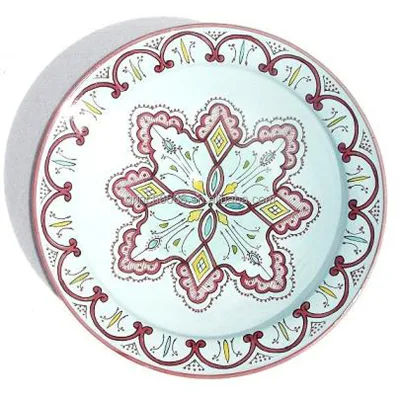
Moroccan plate set Handmade Ceramic Appetizers Serving Plates Lids Mediterranya plate OEM
$0.90 - $3.00
MOQ: 3000 Minimum


Comprehensive Sourcing Guide
Appetizer Plate Sourcing Guide
Sourcing appetizer plates requires a clear understanding of the diverse material options available in the current market, ranging from durable ceramics and porcelain to practical plastics and enameled steel. Buyers must distinguish between products designed for single-use scenarios and those intended for long-term daily use in hotels, restaurants, and home settings. The observed product landscape includes specific models like RY1117 and RY2357, which are crafted from ceramic and porcelain, offering a premium feel suitable for formal dining, while other listings feature melamine or plastic options that prioritize lightweight durability for high-volume service environments.
The procurement strategy must also account for the significant variation in customization capabilities and design styles observed across suppliers. While some manufacturers offer standard export cartons with fixed sizes, others provide extensive customization for patterns, shapes, and dimensions, including specific models like KKF-B201 or the square pigmented plastic plates. Buyers should evaluate whether their operational needs align with "New Chinese Style" aesthetics, simplicity, or specific functional requirements such as discoloring resistance or health care features, ensuring the selected supplier can meet the precise visual and functional demands of their brand.
Product Scope and Observed Listing Signals
The market for appetizer plates presents a wide spectrum of product attributes, including specific size standards ranging from 7 inches to 14 inches, with some models offering precise dimensions like 10.410.42.7 cm. Procurement teams should verify the exact standard sizes listed, such as the 8", 10", 12", and 14" options found in ceramic lines, against their menu requirements to ensure proper portioning and table presentation. The presence of both round and square shapes, along with techniques like glazing or pigmentation, indicates that buyers must carefully match the physical form factor to their specific service style, whether it involves stacking efficiency or aesthetic display.
Commercial signals in the listings reveal a strong emphasis on eco-friendly attributes and the availability of stock versus custom production runs. Many products are explicitly marketed as eco-friendly and non-disposable, catering to sustainability goals, while others highlight features like being stocked for immediate delivery or offering custom product patterns. Buyers need to assess whether their order volume justifies the lead time for customized items or if they should prioritize stocked inventory to maintain operational continuity, noting that the observed price range spans from $0.36 to $432, reflecting the vast difference between basic plastic units and high-end ceramic sets.
Technical Specifications to Verify
When evaluating technical specifications, the primary focus must be on the raw material composition and the manufacturing method, as these directly impact durability and safety. The observed data confirms the availability of porcelain and ceramic materials, often produced via handmade methods with glazed techniques, which are distinct from plastic or enameled steel alternatives. Buyers should request detailed material certificates to confirm the purity of the porcelain and the integrity of the glaze, ensuring that the finished product meets the rigorous demands of commercial dishwashing cycles without chipping or degrading over time.
Dimensional accuracy and packaging standards are equally critical technical factors that influence logistics and storage efficiency. Listings indicate specific single package sizes, such as 9.2X9.2X2.7 cm for melamine units, and standard export cartons for larger ceramic orders. Procurement teams must verify that the listed gross weight and package dimensions align with their shipping constraints and warehouse capacity, particularly when mixing different product types like the 10.5-inch specific models with the broader 10-14 inch ranges. Confirming the exact model numbers, such as RY1135 or 02.63.75004-CSF, ensures that the ordered specifications match the physical goods received, preventing discrepancies in size or shape that could disrupt service.
Compliance and Safety Documentation
Food safety is the paramount concern when sourcing dinnerware, and buyers must verify that all products carry recognized certifications such as FDA, SGS, CE, EU, CIQ, EEC, and LFGB. The observed listings explicitly mention FDA and SGS certifications for ceramic and porcelain items, while other products display a broader suite of European and Chinese standards, indicating compliance with international safety regulations. It is essential to request current, valid certificates for each specific model ordered, as certification status can vary between product lines even within the same supplier's catalog, ensuring that every plate entering the food service environment is legally compliant.
Beyond general food safety, specific functional claims regarding health care and discoloring resistance require documented proof to validate the product's performance. Some products are marketed with advantages like being 100% food safe and featuring health care properties, which necessitates third-party testing reports to substantiate these claims. Buyers should ensure that the supplier provides test results for heavy metal leaching and thermal shock resistance, particularly for glazed ceramic items, to confirm that the "Eco-Friendly" and "Health Care" attributes are not merely marketing terms but verified performance characteristics that protect consumer health.
Cost Drivers and Commercial Terms
The cost of appetizer plates is heavily influenced by the material type, manufacturing complexity, and the level of customization required. Ceramic and porcelain plates, often handmade and glazed, command higher price points compared to mass-produced plastic or enameled steel options, with observed prices ranging significantly based on these factors. Buyers should analyze the cost structure relative to the production method, understanding that handmade items with specific styles like "New Chinese Style" or custom patterns will incur higher unit costs and potentially longer lead times than standard, stocked inventory items.
Minimum Order Quantities (MOQ) and payment terms are critical commercial variables that affect the feasibility of sourcing different product lines. The observed MOQ range spans from 1 to 3000 units, allowing for flexibility in trial orders or large-scale procurement, but buyers must align their order volume with the supplier's specific thresholds to secure the best pricing. Additionally, the availability of samples is a key factor in the decision-making process, as it allows buyers to physically inspect quality before committing to larger orders, and procurement teams should negotiate sample policies and shipping costs as part of the initial commercial agreement.
Supplier Qualification and Quality Control
Supplier qualification should begin with a thorough review of their production capabilities, specifically their ability to handle both standard and customized orders with consistent quality. The presence of specific model numbers and detailed product attributes suggests a structured manufacturing process, but buyers must verify the supplier's capacity to maintain quality control across different batches, especially for items with complex features like discoloring resistance or specific glazing techniques. It is advisable to audit the supplier's facility to ensure that their "Handmade" and "Glazed" processes are standardized and that they have robust systems in place to prevent defects in the final product.
Quality control protocols must extend to the packaging and shipping stages to ensure that fragile items like ceramic plates arrive in perfect condition. The observed use of standard export cartons and specific single package sizes indicates an awareness of logistics, but buyers should confirm that the packaging is sufficient to prevent breakage during transit, particularly for high-value ceramic models. Implementing a pre-shipment inspection plan that checks for physical damage, dimensional accuracy, and packaging integrity is essential to mitigate the risk of receiving damaged goods, which can be costly and disruptive to restaurant or hotel operations.
Long-Term Procurement Checks
Establishing a long-term procurement relationship requires regular performance reviews to ensure that the supplier continues to meet quality and compliance standards over time. Buyers should schedule periodic audits to verify that the materials and certifications, such as FDA and LFGB, remain valid and that the production processes have not drifted from the agreed-upon specifications. This ongoing monitoring is crucial for maintaining the integrity of the brand, especially when sourcing items marketed with specific advantages like being 100% food safe or eco-friendly, which require consistent adherence to high standards.
Supply chain resilience is another critical aspect of long-term planning, necessitating a clear understanding of the supplier's lead times and ability to scale production during peak demand. With observed lead times and MOQs varying significantly, buyers should develop contingency plans to manage inventory levels and avoid stockouts, particularly for popular models like the RY1117 or RY2357 series. Building a diversified supplier base and maintaining open communication channels regarding production schedules and potential disruptions will help ensure a stable supply of appetizer plates that meets the evolving needs of the business.
FAQs
What certifications do these appetizer plates have?
The available appetizer plates hold FDA certification, ensuring compliance with food safety standards. Some models also feature SGS certification for additional quality assurance. Other listings include CE, EU, CIQ, EEC, and LFGB certifications, providing comprehensive regulatory coverage for international buyers seeking verified and safe tableware solutions.
Can I customize the design of these plates?
Yes, customization is available for many of these Appetizer Plate models. Buyers can request custom products with specific patterns or designs tailored to their brand needs. This service supports unique branding requirements for restaurants and hotels, allowing for personalized aesthetic choices while maintaining the structural integrity and functionality of the tableware.
What materials are used to make these plates?
These appetizer plates are crafted from various materials including ceramic, porcelain, and plastic. Ceramic and porcelain options offer a traditional, durable feel suitable for daily use. Plastic variants provide lightweight alternatives, while some items are made from enameled steel. Each material choice supports different usage scenarios, from high-end dining to casual service.
What sizes are available for these appetizer plates?
Standard sizes include 7 inches, 8 inches, 10 inches, 10.5 inches, 12 inches, and 14 inches. Specific models like RY1138 offer a 10.5-inch standard, while others provide multiple options such as 10, 12, and 14 inches. This variety allows buyers to select the precise dimensions needed for different appetizer portions and table settings.
Are these plates suitable for commercial use?
Yes, these plates are designed for commercial applications including restaurants, hotels, and daily use. They are described as non-disposable and feature eco-friendly attributes, making them suitable for repeated use in professional settings. The sturdy construction and hygienic properties ensure they meet the demands of high-volume food service environments while maintaining aesthetic appeal.
What is the origin of these products?
The products originate from China, with specific manufacturing locations including Guangdong. This origin supports a wide range of styles, from simplicity to new Chinese style designs. The manufacturing base ensures access to diverse production capabilities, including handmade techniques and glazed finishes, catering to various aesthetic preferences and quality expectations for global buyers.