Source Argan Oil Botox Hair Treatment for Salon, Home, and Repair
Find 30 Argan Oil Botox Hair Treatment options for smoothing frizz, repairing damage, and professional salon use. Compare OEM/ODM services, GMPC/ISO certifications, and bulk pricing from China-based manufacturers.
Key considerations
Products List


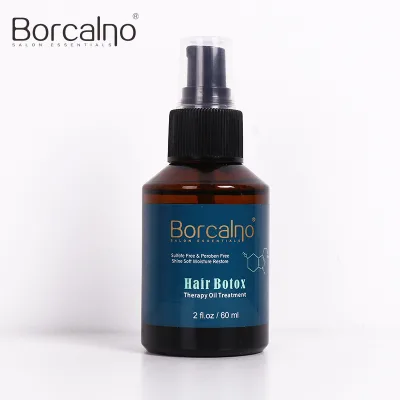
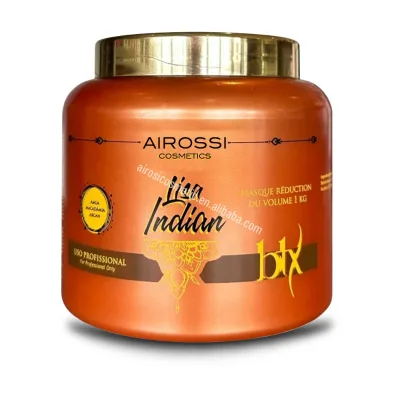
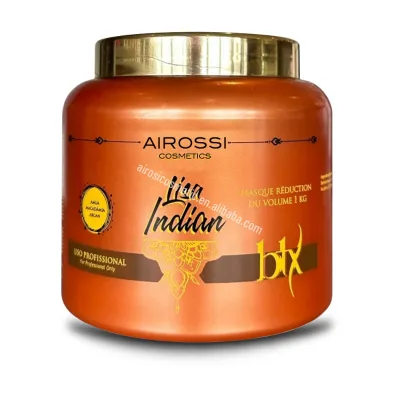
Hair Brazilian Therapy Deep Nourish botox Hair Moisturizing Hyaluronic Acid Healing
$2.56 - $3.80
MOQ: 36 pieces


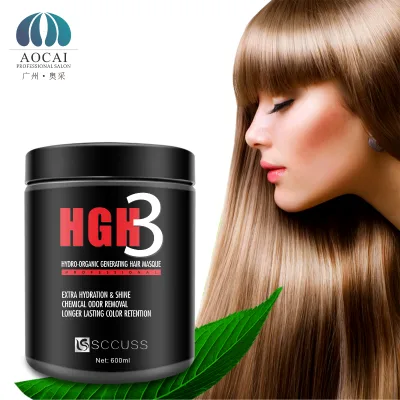
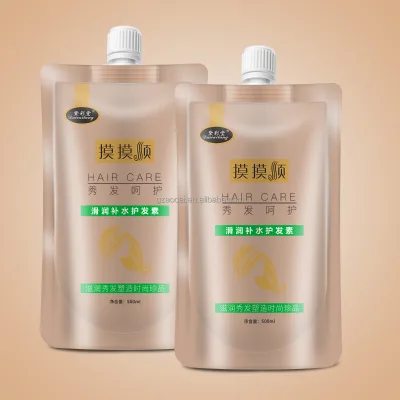


Deep Nourishing Hair Treatment Cream Collagen Argan Oil Smooth Repair Hair Mask
$0.50 - $5.00
MOQ: 3000 Pieces


Advanced Collagen Deep Repair Argan Oil Coconut Oil Extract Keratin Hair Mask
$1.50 - $5.00
MOQ: 3000 Pieces


Comprehensive Sourcing Guide
Argan Oil Botox Hair Treatment Sourcing Guide
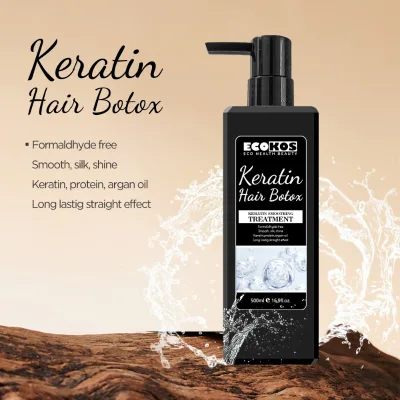
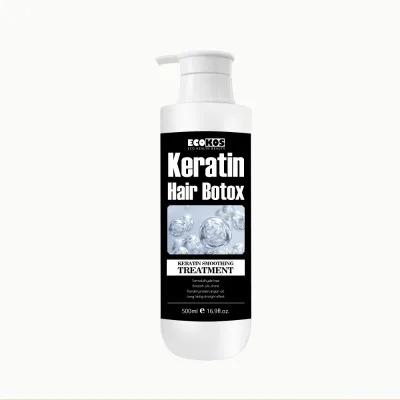
Sourcing argan oil botox hair treatments requires a nuanced understanding of both the cosmetic formulation and the manufacturing capabilities of suppliers, particularly those based in major production hubs like Guangdong, China. This category of hair care product is designed to deliver intensive repair, smoothing, and frizz control, often leveraging a blend of natural ingredients such as hyaluronic acid, argan oil, coconut oil, and keratin. Buyers must navigate a market where "botox" refers to a non-invasive, topical hair treatment rather than a medical procedure, focusing on volumizing and smoothing effects without altering the hair’s structural integrity through harsh chemicals. The procurement process involves verifying that the supplier can handle complex formulations that balance organic infusions with professional-grade performance standards, ensuring the final product meets the expectations of both salon professionals and end consumers.
The decision to source these treatments often hinges on the supplier’s ability to offer customization, including OEM and ODM services, which allows brands to tailor the product to specific market needs. Many manufacturers in this space provide flexible packaging options, ranging from small retail-ready bottles to bulk cartons, and accept small minimum order quantities (MOQs) to facilitate market testing. However, buyers must also consider the logistical aspects of importing these goods, including lead times for samples and production, as well as the specific certifications required to ensure the product is safe for global distribution. Understanding these operational dynamics is crucial for establishing a reliable supply chain that supports brand growth while maintaining product integrity and regulatory compliance.
Product Scope and Observed Listing Signals
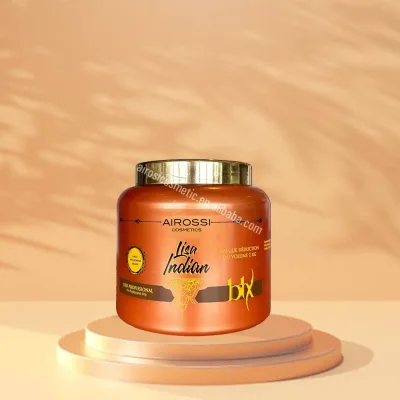
The product scope for argan oil botox hair treatments encompasses a variety of formulations designed to address different hair types, including damaged, curly, and universal hair textures. Observed listing signals indicate that these products are often marketed with benefits such as smoothing frizz, straightening, and providing a natural shine, while also offering nourishing and moisturizing effects. The core ingredients typically include a mix of natural oils and proteins, such as argan oil, coconut oil, and keratin, which are infused to repair hair structure and protect against color fading. Buyers should note that while some products are labeled for professional salon use, others are formulated for home use, indicating a broad spectrum of application scenarios that require different usage instructions and packaging designs.
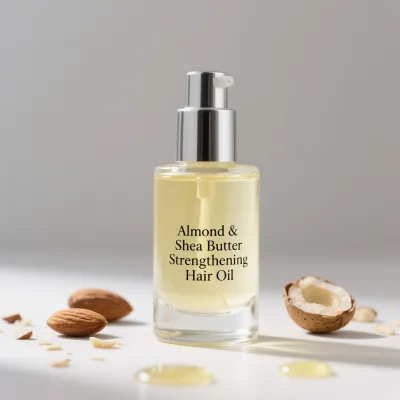
In terms of physical attributes, these treatments are available in various forms, including creams and oils, with specific models like "Brazilian Keratin-04" and "KT12" appearing in the market. The packaging often includes glass bottles for oil-based formulations and cartons for cream-based products, with standard volumes ranging from 60ml to 1000ml. Some listings highlight specific features such as color protection, anti-itching properties, and oil control, suggesting a multifunctional approach to hair care. Buyers must carefully review these signals to ensure that the product’s physical characteristics and claimed benefits align with their target audience’s preferences, as the distinction between a salon-grade treatment and a home-use product can significantly impact marketing and distribution strategies.
Technical Specifications to Verify
When evaluating technical specifications, buyers must verify the exact formulation details, including the concentration of active ingredients like hyaluronic acid and argan oil, to ensure the product delivers the promised benefits. The model numbers and product standards, such as 100ml or 1000ml volumes, should be cross-referenced with the supplier’s production capabilities to confirm consistency in batch quality. Additionally, the single package size and gross weight, which may be listed as 3x3x9 cm and 1.500 kg respectively for certain items, are critical for calculating shipping costs and storage requirements. Buyers should also check if the product is a 2-in-1 formula, which can simplify usage for consumers but may require specific stability testing to ensure the ingredients do not separate or degrade over time.
Another key technical aspect is the compatibility of the product with different hair types, particularly damaged or curly hair, which may have unique structural needs. Suppliers often claim that their treatments are suitable for all hair types, but buyers should request detailed ingredient lists and usage guidelines to understand how the product interacts with various hair textures. The presence of natural organic infusions is a common selling point, but it is essential to verify that these ingredients are sourced sustainably and are free from contaminants. Furthermore, the bottle type, whether glass or plastic, and the color of the liquid, such as yellow transparent for oils, should be confirmed to ensure they meet aesthetic and functional requirements for the target market.
Compliance and Safety Documentation
Compliance and safety are paramount when sourcing hair treatments, as these products come into direct contact with the scalp and hair. Buyers must ensure that suppliers hold relevant certifications, such as GMPC, ISO22716, and Sedex, which indicate adherence to good manufacturing practices and ethical sourcing standards. These certifications are critical for accessing international markets, particularly in regions with strict cosmetic regulations like the European Union and the United States. Buyers should request copies of these certificates and verify their validity with the issuing bodies to avoid potential legal issues and ensure that the manufacturing process meets global safety standards.
In addition to manufacturing certifications, buyers should inquire about product-specific safety data sheets and ingredient disclosures, especially for products containing active ingredients like keratin and hyaluronic acid. It is important to verify that the product does not contain prohibited substances or allergens that could cause adverse reactions in consumers. Suppliers should also provide evidence of stability testing and compatibility checks to ensure that the product remains effective and safe throughout its shelf life. By prioritizing compliance and safety documentation, buyers can mitigate risks associated with product recalls and reputational damage, building trust with their customers and regulatory authorities.
Cost Drivers and Commercial Terms
Cost drivers for argan oil botox hair treatments include the quality and sourcing of raw materials, such as organic argan oil and keratin, as well as the complexity of the formulation and packaging. Buyers should be aware that products with higher concentrations of natural ingredients and premium packaging, such as glass bottles, may come at a higher price point. Additionally, the MOQ and customization options, such as private labeling and custom formulas, can significantly impact the overall cost. Suppliers often offer tiered pricing based on order volume, so buyers should negotiate terms that align with their sales projections and inventory management strategies.
Commercial terms also include lead times for samples and production, which can range from 3-5 days for samples to longer periods for bulk orders. Buyers should factor in these lead times when planning their inventory and marketing campaigns to avoid stockouts or delays. Payment terms, shipping methods, and return policies are also critical components of the commercial agreement. It is advisable to establish clear communication channels with suppliers to address any issues promptly and to ensure that both parties are aligned on expectations. By carefully evaluating cost drivers and commercial terms, buyers can optimize their procurement strategy and maximize profitability.
Supplier Qualification and Quality Control
Supplier qualification involves assessing the manufacturer’s experience, production capacity, and quality control processes. Buyers should look for suppliers with a proven track record in the hair care industry, such as those with 22 years of experience, as this often indicates stability and expertise. It is essential to verify the supplier’s ability to handle OEM and ODM requests, as this flexibility can be crucial for brand differentiation. Buyers should also request references or case studies from other clients to gain insights into the supplier’s reliability and customer service quality.
Quality control measures should be rigorously evaluated, including the supplier’s internal testing protocols and third-party audit results. Buyers should ensure that the supplier has a robust system for monitoring raw material quality, production consistency, and final product inspection. Regular audits and sample testing can help identify potential issues early in the supply chain. Additionally, buyers should establish clear quality standards and acceptance criteria in their contracts to ensure that the products meet their expectations. By prioritizing supplier qualification and quality control, buyers can build a resilient supply chain that supports long-term business success.
Long-Term Procurement Checks
Long-term procurement checks involve continuous monitoring of supplier performance, market trends, and regulatory changes. Buyers should establish key performance indicators (KPIs) to track supplier reliability, product quality, and delivery times. Regular reviews of these metrics can help identify areas for improvement and ensure that the supplier continues to meet the buyer’s needs. Additionally, buyers should stay informed about emerging trends in the hair care industry, such as new ingredients or packaging innovations, to remain competitive.
Regulatory changes can also impact procurement strategies, so buyers should maintain open communication with suppliers to stay updated on any changes in compliance requirements. It is advisable to conduct periodic risk assessments to identify potential disruptions in the supply chain, such as raw material shortages or geopolitical issues. By implementing proactive long-term procurement checks, buyers can mitigate risks and ensure the sustainability of their sourcing operations. This approach not only protects the business from potential threats but also positions it to capitalize on new opportunities in the dynamic hair care market.
FAQs
What certifications do the Argan Oil Botox Hair Treatment products have?
The products hold GMPC, ISO22716, and Sedex certifications. These standards ensure the manufacturing process meets international safety and quality requirements for cosmetic ingredients and production facilities.
Can I customize the Argan Oil Botox Hair Treatment with my own label?
Yes, OEM, ODM, and custom label services are available for this product. Buyers can request specific branding and packaging designs to align with their unique business needs and market positioning.
What is the sample lead time for Argan Oil Botox Hair Treatment orders?
The sample lead time is typically 3 to 5 days. This allows buyers to quickly evaluate product quality and formulation before committing to larger bulk orders or production runs.
Which hair types can benefit from this Argan Oil Botox Hair Treatment?
This treatment is suitable for all hair types, including damaged and curly hair. It functions to smooth frizz, straighten strands, and provide nourishing effects for various hair conditions.
What are the main ingredients in the Argan Oil Botox Hair Treatment formula?
Key ingredients include hyaluronic acid, argan oil, organic coconut oil, and keratin. These components work together to moisturize, repair, and protect hair while maintaining a natural appearance.
How does the Argan Oil Botox Hair Treatment help with frizz control?
The formula smooths frizz and straightens hair while providing moisturizing and nourishing benefits. It repairs damaged strands and controls oil to enhance shine and manageability for professional or home use.
What packaging options are available for the Argan Oil Botox Hair Treatment?
Products are packed in cartons with quantities of 12 or 48 units per carton. Some variants come in glass bottles with specific volumes like 60ml or 1000ml depending on the model.
Can small orders be accepted for the Argan Oil Botox Hair Treatment?
Yes, small MOQs are accepted for this product line. This flexibility allows buyers to test the market with lower initial investment while still accessing professional-grade hair care solutions.