Source Aromatherapy Glass Perfume Bottle for Daily Use, Personal Care, and Cosmetic Packing
Compare 30 listings for Aromatherapy Glass Perfume Bottle options featuring screw caps, pump sprayers, and various capacities from 5ml to 500ml. Buyers can evaluate glass and aluminum materials with customization available for transparent or blue finishes.
Key considerations
Products List


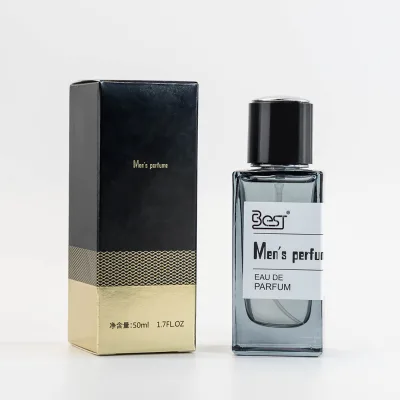
Hot Sale New Design Thick Bottom Luxury Fragrance Glass Spray Perfume Bottle
$0.22 - $0.85
MOQ: 10000 Pieces




Comprehensive Sourcing Guide
Sourcing Guide for Aromatherapy Glass Perfume Bottles
The global demand for premium packaging in the personal care and aromatherapy sectors continues to drive the need for specialized glass perfume bottles. For procurement professionals, identifying the right supplier requires a granular understanding of material properties, closure mechanisms, and production capabilities. The market offers a diverse array of options, ranging from oval and square designs to various volume capacities. This guide synthesizes available product attributes and industry standards to help buyers navigate the sourcing landscape effectively, ensuring that selected packaging meets both aesthetic and functional requirements without relying on unverified claims.
Technical Specifications and Material Composition
The foundation of a successful aromatherapy bottle lies in its material composition and structural design. The primary material observed in high-quality offerings is glass, which provides the necessary chemical inertness to preserve the integrity of essential oils and fragrances. Glass bottles are frequently paired with specific closure types, most notably screw caps, which offer a secure seal against leakage and evaporation. The shape of the bottle is a critical design element; market data indicates a prevalence of oval, square, and round geometries. Buyers must specify their preferred shape early in the inquiry process, as this influences mold costs and shelf appeal.
Volume capacity is another pivotal specification. The supply chain supports a wide range of sizes, with specific standards noted for 5ml, 10ml, 15ml, 30ml, 50ml, 60ml, 100ml, 200ml, and 500ml configurations. Some listings highlight specific capacities such as 250ml or ranges like 5-50ml and 51-100ml. For aromatherapy applications, smaller volumes like 30ml and 50ml are common for travel-friendly sets, while larger 100ml to 500ml options serve as retail units. The color of the glass is equally important; while transparent glass is a standard offering, blue and customizable color options are available to match brand identity. Additionally, the surface process may include chrome finishes, which can enhance the visual luxury of the packaging.
Closure Systems and Sprayer Mechanics
The functionality of a perfume bottle is heavily dependent on its dispensing mechanism. While screw caps are common for simple storage, aromatherapy products often require precise application methods. The market features pump sprayers and push sprayers as primary dispensing types. These mechanisms are categorized by their spraying shape, which includes liquid column and full cone patterns. The installation type is also a technical variable; buyers must verify whether the system utilizes an internal threaded connection or an external thread connection to ensure compatibility with the bottle neck.
Specific bottle neck designs, such as the crimp neck, are often paired with these sprayers to create a seamless finish. The type of sprayer, described as an "aligning sprayer" in some contexts, suggests a focus on consistent spray direction and volume control. For aromatherapy, the ability to deliver a fine mist is essential for user experience. The sealing type is frequently listed as a pump sprayer, which implies a specific internal valve mechanism designed to prevent leakage while allowing controlled dispensing. Procurement teams should request samples to test the spray pattern and ensure the mechanism does not clog, a common issue with viscous essential oil blends.
Compliance, Certification, and Environmental Standards
When sourcing packaging for personal care and cosmetic applications, compliance with safety and environmental standards is non-negotiable. While specific certification documents like RoHS are mentioned in background contexts, buyers should not assume every listed product is automatically certified without verification. Instead, the procurement process must include a direct request for current compliance documentation from the supplier. The industry standard for recyclability is a key feature; many glass bottles are explicitly marked as recyclable, aligning with modern sustainability goals.
Buyers should also investigate the origin of the materials. A significant portion of the supply originates from China, with specific manufacturing hubs noted in regions like Jiangsu. The production standards often list specific volume capacities as the primary metric for compliance, such as "5ml 10ml 15ml 30ml" or "250ml." However, broader standards encompassing a full range from 5ml to 500ml are also available. It is crucial to verify that the glass used meets food-grade or cosmetic-grade safety requirements, even if not explicitly stated in the initial product listing. The "Quality: Grate" attribute suggests a focus on structural integrity, but this should be validated through third-party testing reports rather than accepted as a standalone claim.
Cost Drivers and Minimum Order Quantities
Understanding the cost structure is vital for budgeting and supply chain planning. The observed price range for these products is typically between $0.05 and $1.00 USD per unit, though this fluctuates based on customization, volume, and glass thickness. The Minimum Order Quantity (MOQ) presents a significant variable in the sourcing equation. While some listings indicate an MOQ as low as 2 pieces for sampling, the standard commercial MOQ for bulk orders is often set at 10,000 pieces. Other ranges observed extend up to 20,000 pieces.
Buyers must align their order volume with these MOQ thresholds to achieve the most competitive pricing. Customization, such as specific colors or chrome surface processes, may incur additional costs or require higher MOQs. The production technique also influences cost; processes like bottle blowing and injection molding are standard, with injection molding often associated with plastic components like the sprayer mechanism. The packing method, typically cartons or cartons, adds to the overall logistics cost. Buyers should calculate the total landed cost, including shipping and packaging, rather than focusing solely on the unit price.
Supplier Evaluation and Production Capabilities
Evaluating a supplier requires a deep dive into their production capabilities and logistical reliability. The delivery time is often listed as "According to The Order Quantity," indicating that lead times are variable and dependent on production load. Some suppliers specify a delivery location, such as Shanghai, which can impact shipping logistics for international buyers. The ability to provide free samples is a strong indicator of supplier confidence and should be utilized to verify product quality before committing to a large order.
The production origin, specifically China Jiangsu, suggests a mature manufacturing ecosystem with access to raw materials and specialized labor. However, buyers should verify the specific factory's capacity to handle their required volume. The "Industrial Use" category is listed as Personal Care, confirming the supplier's experience in the relevant sector. When evaluating suppliers, look for those who offer a wide range of standard sizes, such as the 5ml to 500ml spectrum, as this indicates flexibility. The "Sample: Provided Freely" and "Sample: Free" attributes are common, but buyers must clarify if shipping costs for these samples are covered.
Quality Control and Long-Term Procurement Strategy
Implementing a robust quality control (QC) strategy is essential to mitigate risks associated with glass packaging. Glass is prone to breakage during transit, and the sealing mechanisms must be tested for leakage under various conditions. The "Quality: Grate" attribute implies a baseline standard, but buyers should establish their own QC criteria, including drop tests, pressure tests for the sprayers, and visual inspections for surface defects like bubbles or scratches. The "Feature: Recyclable" aspect should be verified to ensure the materials used do not contain harmful substances that could compromise the recycling process.
For long-term procurement, consistency in supply is paramount. The "Delivery Time: According to The Order Quantity" suggests that capacity planning is necessary to avoid delays. Buyers should establish a relationship with suppliers who can scale production up or down based on demand fluctuations. The availability of customization, including color and shape, allows for brand differentiation, but it also introduces complexity. Standardizing on a core set of sizes and shapes can streamline the supply chain while still offering variety through color options. Regular audits of the supplier's production line and quality assurance processes will help maintain the high standards required for premium aromatherapy products.
Comparative Analysis of Product Attributes
To assist in decision-making, the following table summarizes the key technical and logistical attributes observed in the market for aromatherapy glass perfume bottles. This comparison highlights the variability in specifications that buyers must navigate.
| Attribute Category | Observed Options | Procurement Consideration |
|---|---|---|
| Material | Glass, Aluminum | Glass is preferred for chemical inertness; Aluminum may be used for caps or sprayers. |
| Shape | Oval, Square, Round | Choose based on brand aesthetic and shelf fit; Oval and Round are common for perfumes. |
| Capacity | 5ml to 500ml (Specific: 250ml, 50ml) | Verify exact volume tolerance; 30ml and 50ml are standard for retail. |
| Color | Transparent, Blue, Customizable | Custom colors may require higher MOQs; Transparent is standard for visibility. |
| Closure Type | Screw Cap, Pump Sprayer, Push Sprayer | Ensure compatibility with the specific liquid viscosity. |
| Spraying Shape | Liquid Column, Full Cone | Test spray pattern for user experience; Full cone is common for fine mists. |
| Installation | Internal Threaded, External Thread | Match thread type to bottle neck design (e.g., Crimp Neck). |
| MOQ | 2 to 20,000 Pieces (Standard: 10,000) | Plan inventory levels to meet minimums; negotiate for lower MOQs if possible. |
| Origin | China, China Jiangsu | Verify logistics routes; Shanghai is a common delivery point. |
| Surface Process | Chrome, Standard | Chrome adds luxury appeal but may increase cost. |
| Recyclability | Recyclable | Confirm material composition for recycling compliance. |
Strategic Recommendations for Buyers
Sourcing aromatherapy glass perfume bottles requires a balance between aesthetic desires and technical realities. Buyers should prioritize suppliers who offer transparent communication regarding their production standards and lead times. The variability in MOQs and delivery times means that early planning is essential. By focusing on the core attributes of glass material, secure closure systems, and verified quality standards, procurement teams can secure packaging that enhances their product's market position. The availability of free samples allows for rigorous testing before large-scale commitment, reducing the risk of supply chain disruptions. Ultimately, a successful sourcing strategy relies on detailed specification alignment, rigorous quality control, and a clear understanding of the cost drivers inherent in the glass packaging industry.
FAQs
What materials are used for aromatherapy glass perfume bottles?
The primary material is glass, which ensures chemical inertness for preserving essential oils. Some listings also mention aluminum components for caps or sprayers, but the bottle body itself is consistently glass.
Which closure types are available for these perfume bottles?
Common closure types include screw caps, pump sprayers, and push sprayers. The installation method varies between internal and external threaded connections to ensure compatibility with different bottle neck designs.
Can I customize the color and shape of the bottles?
Yes, customization is available for both color and shape. Buyers can choose from transparent, blue, or any custom color, while shapes include oval, square, and round options to match brand aesthetics.
What is the typical minimum order quantity for bulk purchases?
The standard commercial minimum order quantity is 10,000 pieces, though some listings show ranges from 2 to 20,000 pieces. Lower quantities may be available for sampling purposes only.
How does the delivery time depend on order quantity?
Delivery time is explicitly listed as according to the order quantity, meaning lead times vary based on production load. Buyers should expect variable schedules rather than fixed dates for large orders.
What capacity sizes are offered for these glass bottles?
Capacities range from 5ml to 500ml, with specific standards including 5ml, 10ml, 15ml, 30ml, 50ml, 60ml, 100ml, 200ml, and 250ml. Specific listings also highlight ranges like 5-50ml and 51-100ml.
Are free samples provided for testing before bulk orders?
Free samples are provided freely by many suppliers to verify product quality. Buyers should clarify if shipping costs for these samples are covered by the supplier or the buyer.
What surface processes are available for the bottle finish?
Surface processes include standard finishes and chrome plating to enhance visual luxury. Chrome finishes are noted as an option to improve the aesthetic appeal of the packaging for premium brands.