Source Aromatherapy Essential Oil for Hotel, Home, and Office
Compare 30 listings for Aromatherapy Essential Oil from verified suppliers. Buyers can evaluate electric diffusers, plant extract oils, and customizable packaging options for home, hotel, and office applications with features like Bluetooth control and timing functions.
Key considerations
Products List







Comprehensive Sourcing Guide
Strategic Sourcing Guide for Aromatherapy Essential Oil Procurement
The global market for aromatherapy and essential oil products has expanded significantly, driven by increasing consumer demand for wellness solutions in residential, hospitality, and commercial environments. For B2B procurement professionals, sourcing high-quality aromatherapy essential oils requires a rigorous approach that balances technical specifications, regulatory compliance, and supply chain reliability. This guide provides a structured framework for evaluating suppliers and products, focusing on the specific attributes observed in the current market landscape. Buyers must navigate a complex array of product types, ranging from standalone diffuser units to concentrated fragrance oils and liquid supplements. Understanding the distinct characteristics of these categories is the first step in building a resilient supply chain.
Technical Specifications and Product Categorization
When evaluating Aromatherapy Essential Oil products, procurement teams must first distinguish between the delivery mechanisms and the oil formulations themselves. The market currently features two primary categories: the hardware used for dispersion, such as electric aroma diffusers, and the consumable liquids, including scent diffuser machine supplements and perfume fragrance oils.
Electric aroma diffusers typically operate on specific voltage and power requirements. Observed market data indicates units designed for home and hotel usage often feature electric power types with wattages ranging from 2W to 2.5W. Voltage specifications are critical for international compatibility; common configurations include 12V and 5V systems. These devices frequently incorporate advanced features such as Bluetooth and WiFi connectivity, allowing for app-controlled operation and timing functions. The physical design often includes wall-mounted styles with capacities varying between 150ml and 500ml, depending on the intended coverage area, which can extend up to 500 cubic meters in commercial settings.
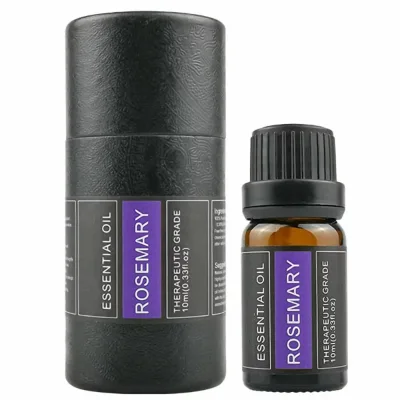
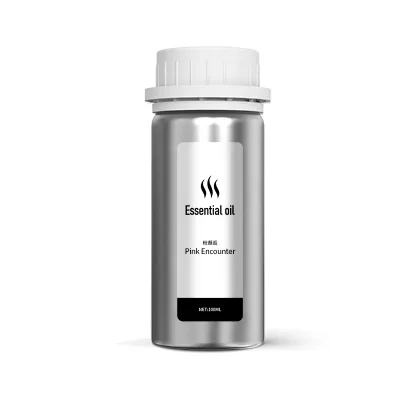
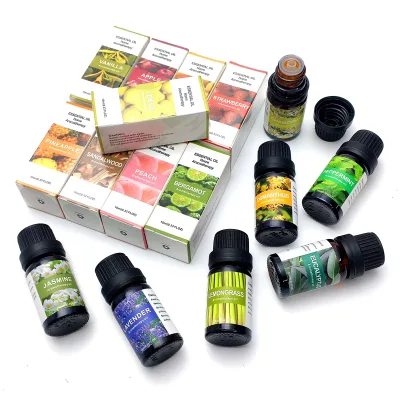
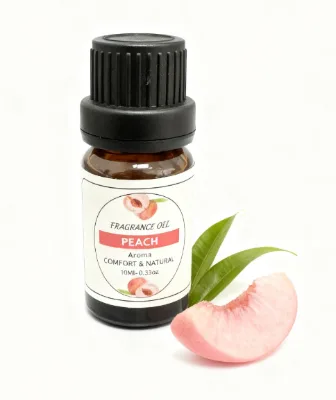
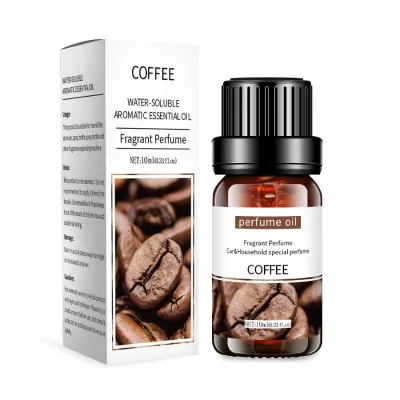
In contrast, the consumable oils and supplements present different technical parameters. These products are often categorized by their state, form, and raw material composition. Liquid formulations are standard, with some products derived from 100% plant extracts or vegetable-origin raw materials. The concentration levels can vary, with some products classified as Eau de Cologne or Eau de Parfum, indicating different dilution ratios and scent intensities. Packaging is another critical technical aspect; oils are frequently supplied in plastic bottles, with sample sizes often available in 10ml units for evaluation. The physical weight of the product, including the container, can range from 0.5kg for smaller units to 1kg for larger commercial packs.
Compliance, Certification, and Safety Standards
Regulatory compliance is non-negotiable when sourcing essential oils, particularly for products intended for use in hotels, offices, gyms, and other public spaces. Safety data and material safety documentation are primary indicators of a supplier's reliability. Buyers should verify that suppliers provide Material Safety Data Sheets (MSDS) and Sea Reports, which are essential for shipping hazardous or regulated liquids.
Furthermore, international quality management and product safety certifications serve as vital trust markers. The presence of ISO, CE, and COA (Certificate of Analysis) certifications suggests that the manufacturer adheres to established quality control protocols. While specific standard numbers like ISO 11016:1999 or ISO 3217:1974 may appear in broader industry contexts, buyers should prioritize the actual certification documents provided by the supplier rather than relying on general standard references. The "MSDS\Sea Report" combination is a specific, high-confidence indicator found in current product listings, signaling that the product has undergone necessary safety and transport compliance checks.
For products claiming to be "100% Plant Extract" or derived from "Vegetable Origin," the COA is particularly important. This document verifies the purity of the raw materials and ensures that the product does not contain unauthorized synthetic additives. Procurement teams must request these documents before placing any order, as they are the primary evidence of compliance with international safety regulations.
Cost Drivers and Pricing Structures
The pricing of Aromatherapy Essential Oil products is influenced by several variables, including material quality, packaging complexity, and order volume. The observed price range in the market spans from $0.12 to $80 USD, reflecting the diversity of products from small sample bottles to large commercial diffuser units. This wide range underscores the importance of defining the specific use case before soliciting quotes.
Minimum Order Quantities (MOQ) are a significant cost driver. While some suppliers offer low entry barriers with MOQs as low as 1 unit for sampling, standard commercial orders often require a minimum of 100 pieces. Bulk purchasing can significantly reduce the unit cost, but buyers must balance this against storage costs and inventory turnover rates. The packaging configuration also impacts logistics costs; for instance, a carton containing 20 pieces versus one containing 9 pieces will affect shipping volume and freight expenses.
Additionally, customization costs play a role in the final price. Products offering customizable logos via laser printing or specific pattern designs often carry a premium. The availability of customization allows brands to differentiate their products, but it requires a higher MOQ to amortize the setup costs. Buyers should clarify whether the quoted price includes the cost of custom tooling or if it is a per-unit surcharge.
Typical Applications and Market Segmentation
Aromatherapy essential oils serve a wide spectrum of applications, from residential relaxation to commercial ambiance enhancement. The primary usage scenarios identified in the market include homes, hotels, offices, gyms, and entertainment venues like KTVs. The choice of product depends heavily on the specific environment and the desired outcome.
In residential settings, the focus is often on convenience and aesthetics. Wall-mounted diffusers with app control and timing functions are popular, allowing users to automate scent release. These units typically have smaller capacities (150ml-160ml) suitable for individual rooms. In contrast, commercial applications such as hotels and offices require robust solutions with larger capacities (500ml) and broader coverage areas. The "Eau de Parfum" or "Modern" flavor profiles are often selected for these environments to create a sophisticated and welcoming atmosphere.
The versatility of the product line is evident in the application types listed, which include Home, Hotel, Office, Gym, and KTV. This suggests that suppliers are catering to a diverse client base. Buyers must ensure that the selected product's coverage area and scent intensity match the physical dimensions of the target space. For example, a product with a 500m3 coverage rating is essential for large lobbies or open-plan offices, whereas a smaller unit suffices for private bedrooms.
Supplier Evaluation and Quality Control
Evaluating suppliers requires a multi-faceted approach that goes beyond price comparison. Buyers should assess the supplier's origin, production capacity, and quality assurance processes. Many suppliers in this sector are located in manufacturing hubs such as Guangdong, China, which offers access to a robust supply chain for both electronics and chemical formulations.
Quality control is paramount, especially for products involving liquids and electrical components. Buyers should verify the production model numbers, such as "x60," "A500," or "B500," to ensure consistency across batches. The presence of specific certifications like MSDS, COA, ISO, and CE should be cross-referenced with the actual product specifications. Additionally, the warranty period, typically one year for electronic diffusers, serves as a benchmark for product durability and supplier confidence.
Suppliers that offer free sample sizes, such as 10ml bottles, provide an excellent opportunity for quality verification. Buyers should utilize these samples to test the scent longevity, the clarity of the liquid, and the compatibility with the diffuser hardware. The "Customizable" nature of the logo and pattern also indicates a supplier's flexibility, but it requires a clear communication channel to ensure the final output meets brand standards.
Long-Term Procurement Considerations
Sourcing aromatherapy essential oils is not a one-time transaction but a long-term partnership that requires strategic planning. Buyers should consider the scalability of the supply chain, the ability to handle custom orders, and the consistency of product quality over time. The availability of customization options, such as laser printing and logo design, allows for brand differentiation, which is crucial for maintaining a competitive edge in the market.
Inventory management is another critical factor. With packaging configurations like 20 pieces per carton or 9 pieces per carton, buyers must calculate their storage needs carefully. The lead time for production and shipping, while not explicitly detailed in the provided data, should be a key discussion point during supplier negotiations. Understanding the production capacity, such as the 150ml or 500ml capacity limits, helps in forecasting demand and preventing stockouts.
Finally, buyers should remain vigilant regarding regulatory changes. As safety standards evolve, the requirement for updated MSDS or new certifications may arise. A reliable supplier will proactively communicate these changes and ensure that all products remain compliant. By focusing on these long-term factors, procurement professionals can build a supply chain that is not only cost-effective but also resilient and adaptable to future market demands.
Comparative Analysis of Product Attributes
To facilitate decision-making, the following table summarizes the key technical and commercial attributes observed in the current market for Aromatherapy Essential Oil products. This comparison highlights the distinctions between hardware and consumables, aiding buyers in selecting the right product mix for their needs.
| Attribute Category | Electric Aroma Diffuser | Scent Diffuser Supplement / Perfume Oil |
|---|---|---|
| Primary Application | Home, Hotel, Office, Gym, KTV | Home, Hotel, Office, Gym, KTV |
| Power Type | Electric (2W - 2.5W) | N/A (Liquid Consumable) |
| Voltage | 5V, 12V | N/A |
| Capacity | 150ml - 500ml | 500ml (Liquid Volume) |
| Material | PP (Plastic) | 100% Plant Extract / Vegetable Origin |
| Form/State | Solid Device | Liquid / Spray |
| Key Features | Bluetooth, WiFi, App-Control, Timing | Modern Flavor, Pleasant Odor |
| Certifications | 1 Year Warranty | MSDS, Sea Report, COA, ISO, CE |
| Packaging | 20 PCS/Carton | 9 PCS/Carton |
| Customization | Logo (Laser Printing), Pattern | Logo Customizable |
| Sample Size | N/A | 10ml/Bottle (Freely Provided) |
This comparative overview underscores the necessity of matching the right product to the specific operational requirements of the buyer. Whether the need is for a fully integrated smart diffuser system or a high-quality fragrance oil to be used with existing equipment, the data provided offers a clear roadmap for evaluation. By adhering to these guidelines, procurement teams can ensure they source products that meet the highest standards of quality, safety, and performance.
FAQs
What power type and voltage do the diffusers use?
The diffusers use electric power with voltages of 5V or 12V. They typically consume between 2W and 2.5W of power while offering app control and timing functions for home or hotel use.
Which certifications are required for the scent oils?
Scent oils require MSDS, Sea Reports, COA, ISO, and CE certifications. These documents verify safety for shipping and confirm that the plant extracts meet international quality standards for commercial use.
Can I customize the logo on the diffuser units?
Yes, logo customization is available via laser printing on the product. This feature allows for branding but typically requires meeting a minimum order quantity of 100 pieces to proceed with production.
What is the minimum order quantity for these products?
The standard minimum order quantity is 100 pieces for most items. However, some suppliers may accept lower quantities for sampling, while bulk orders often start at this threshold to ensure cost efficiency.
How large is the coverage area for the diffusers?
Selected diffuser models cover up to 500 cubic meters of space. This capacity makes them suitable for large commercial environments like hotels, offices, and gyms where extensive scent dispersion is needed.
What materials are used to make the diffuser containers?
The diffuser containers are primarily made from PP plastic material. This durable material ensures longevity while maintaining a lightweight design suitable for wall-mounted installations in various indoor settings.
Where are these products manufactured and shipped from?
These products originate from Guangdong, China, which is a major manufacturing hub. Buyers should expect shipping logistics to be managed from this region, ensuring access to a robust supply chain for both hardware and oils.