Source Aromatherapy Nasal Inhaler for Travel, Work, and Sleep
Compare 30 Aromatherapy Nasal Inhaler options from verified Chinese manufacturers. These products feature plant essential oils, CE certification, and customizable packaging to meet diverse relief needs.
Key considerations
Products List
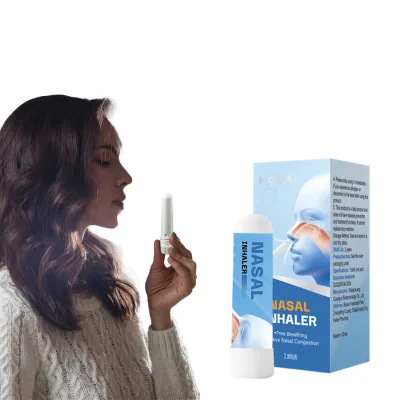
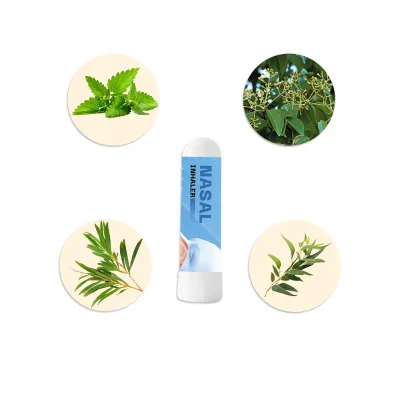
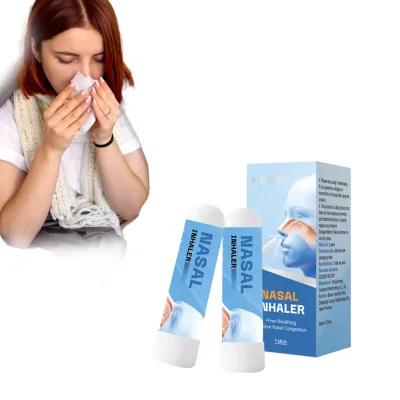
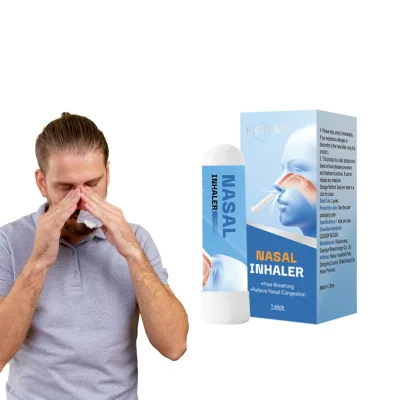


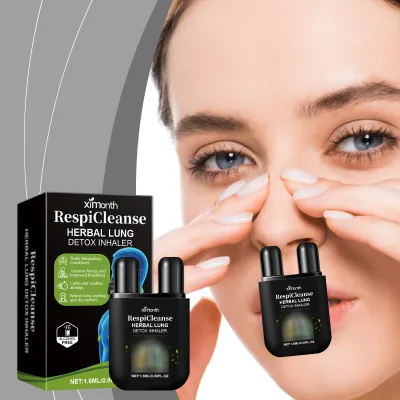
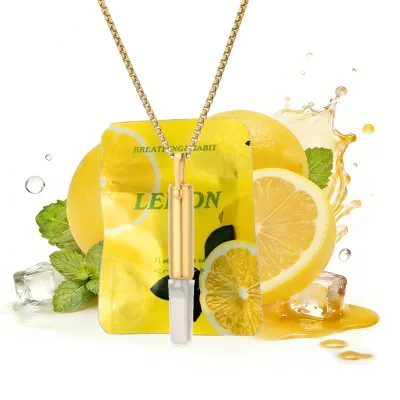
Menthol Aromatherapy Nasal Inhaler, Natural Herbal Remedy with Cooling Essential Oils
$0.06 - $0.28
MOQ: 10000 Pieces








Comprehensive Sourcing Guide
Strategic Sourcing Guide for Aromatherapy Nasal Inhalers
The global demand for non-invasive respiratory relief solutions has elevated the Aromatherapy Nasal Inhaler from a niche wellness product to a staple in the over-the-counter healthcare and personal care markets. For B2B procurement professionals, sourcing these devices requires a nuanced understanding of the intersection between mechanical design, essential oil formulations, and regulatory compliance. The market is characterized by a wide variance in product specifications, ranging from simple plastic tubes to complex blister-packaged units with customized branding. This guide provides a structured framework for evaluating suppliers, verifying technical attributes, and managing the procurement lifecycle for high-quality aromatherapy nasal inhalers.
Technical Specifications and Material Composition
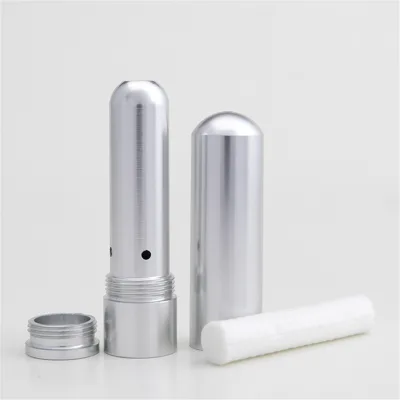
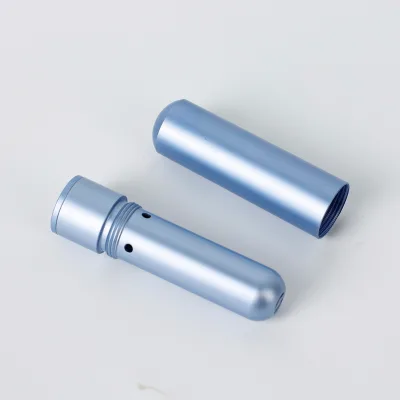
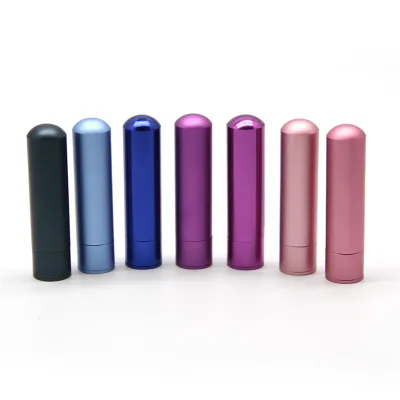
When evaluating potential suppliers, the first step is a rigorous analysis of the physical and chemical specifications of the product. The core component of an aromatherapy inhaler is the vessel that holds the essential oil, which dictates the product's durability, safety, and user experience. Based on observed market data, the primary material for the inhaler body is plastic, offering a lightweight and cost-effective solution for mass production. However, specific variations exist where aluminum is utilized, particularly for packaging components or specific model variants requiring higher barrier properties against oil evaporation.
The physical dimensions of the product are critical for logistics and user ergonomics. Observed single package sizes vary significantly, with common configurations including 15x10x3 cm and 10x12x1 cm. These dimensions directly influence the unit's gross weight, which ranges from 0.050 kg to 0.200 kg per single item. Procurement teams must verify the exact dimensions of the specific model number they intend to source, as discrepancies in packaging size can drastically alter freight costs and warehouse storage requirements. For instance, a model with a single gross weight of 0.200 kg will incur different shipping tariffs compared to a 0.050 kg unit, even if the product count is identical.
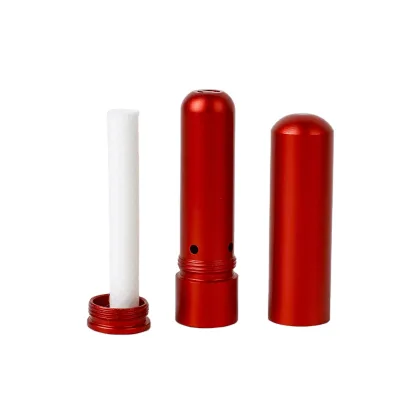
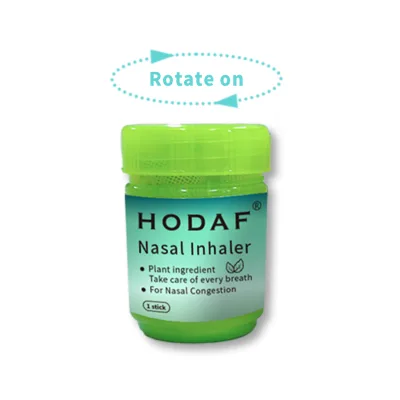
The internal mechanism often involves a wick or pad system that absorbs the plant essential oil. The ingredients are typically derived from natural plant sources, ensuring the product aligns with the "herbal" classification often requested by wellness-focused buyers. The flavor profile is frequently customizable, allowing suppliers to tailor the scent to specific market preferences, ranging from mint and eucalyptus to custom blends. The shelf time for these products is generally observed to be two years, a critical metric for inventory management and supply chain planning. Buyers should confirm that the specific model they select maintains this stability period under various storage conditions.
Compliance, Certification, and Regulatory Standards
Navigating the regulatory landscape is perhaps the most critical aspect of sourcing aromatherapy inhalers, as these products often straddle the line between cosmetics, medical devices, and general consumer goods. The compliance status of a supplier must be verified through documented evidence rather than marketing claims. High-confidence data indicates that reputable manufacturers in this sector often hold Quality Certifications such as CE, which signifies conformity with health, safety, and environmental protection standards for products sold within the European Economic Area.
Beyond the CE mark, advanced suppliers may provide a broader suite of certifications, including GMP (Good Manufacturing Practice), ISO standards, and MSDS (Material Safety Data Sheet) documentation. The presence of GMP certification is particularly important as it ensures that the manufacturing environment meets strict hygiene and quality control standards, reducing the risk of contamination in the essential oil formulation. ISO certification further validates the supplier's commitment to consistent quality management systems.
It is essential for buyers to distinguish between the product's intended usage and its regulatory classification. While many inhalers are marketed for "relieving nasal congestion" and offering "instant relief," they are often classified for external use only. This distinction is vital for liability and marketing compliance. Buyers must verify that the supplier provides the necessary documentation to support the product's intended use claims in their target market. For example, if the product is intended for the US market, FDA registration or specific cosmetic regulations may apply, whereas the EU market relies heavily on the CE mark and CPNP (Cosmetic Products Notification Portal) notifications.
Cost Drivers and Pricing Structures
The pricing of aromatherapy nasal inhalers is influenced by a complex interplay of factors, including material costs, customization levels, and order volume. The observed price range in the market spans from $0.05 to $19.80 USD, a variance that reflects the difference between basic, unbranded units and premium, fully customized solutions. The lower end of the spectrum typically represents standard plastic models with minimal packaging and no branding, while the higher end includes products with aluminum components, custom blister packaging, and specialized branding services.
Minimum Order Quantity (MOQ) is a significant cost driver. The market exhibits a wide MOQ range, from as low as 1 unit for sampling purposes to 50,000 units for large-scale production runs. Suppliers often structure their pricing tiers to incentivize larger orders, with the unit price decreasing as the volume increases. For instance, a supplier might require an MOQ of 3,000 pieces for custom logo printing, while offering free samples for smaller quantities. Buyers must balance their budget constraints with the need for customization. Customized packaging, such as specific carton configurations (e.g., 432 pcs/ctn, 600 pcs/ctn, or 1200 pcs/ctn), adds to the complexity and cost of the order but can enhance brand visibility and retail appeal.
The cost of ingredients also plays a role. While the base material is plastic, the inclusion of high-quality plant essential oils can increase the unit cost. Suppliers offering "customized flavor" options may charge a premium for the formulation and testing required to ensure the scent profile meets the buyer's specifications. Additionally, the printing method, such as laser printing for logos, adds a layer of cost that must be factored into the total landed cost calculation.
Typical Applications and Market Segmentation
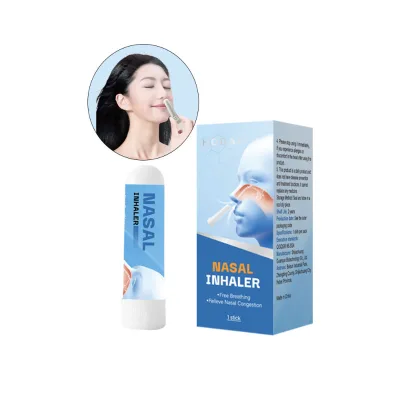
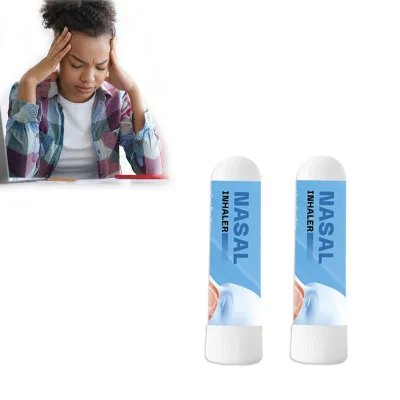
Aromatherapy nasal inhalers serve a diverse range of applications, making them versatile products for various market segments. The primary function is to relieve nasal congestion, providing instant relief through the inhalation of essential oils. This makes them suitable for travelers suffering from altitude changes or sinus pressure, individuals with seasonal allergies, and those seeking natural remedies for cold symptoms. The "convenient and effective" nature of these devices positions them well for inclusion in travel kits, emergency medical kits, and wellness subscription boxes.
Beyond medical relief, these products are increasingly used in the wellness and self-care sectors. The customizable nature of the scent allows brands to create unique sensory experiences, such as focus-enhancing blends for office workers or relaxation scents for yoga studios. The "external use" classification ensures safety for general consumer use, provided the instructions are followed. The product's portability, with dimensions as small as 10x12x1 cm, makes it an ideal impulse buy in retail environments like pharmacies, convenience stores, and airport duty-free shops.
The market segmentation also extends to the B2B sector, where companies may source these inhalers for promotional purposes. The availability of OEM/ODM services allows businesses to brand these products with their own logos and packaging, turning a generic commodity into a branded marketing tool. The "customized logo" and "customized packaging" options are particularly valuable for corporate gifts and event giveaways, where brand visibility is a primary objective.
Supplier Evaluation and Sourcing Strategy
Evaluating suppliers requires a multi-faceted approach that goes beyond price comparison. Buyers should prioritize suppliers who demonstrate transparency in their manufacturing processes and provide clear documentation of their certifications. The origin of the product is a key indicator of supply chain stability. Most observed products originate from China, with specific manufacturing hubs in Hebei, Jiangxi, and Linyi. These regions have established infrastructure for plastic molding and essential oil processing, but buyers should verify the specific factory location to assess logistics capabilities and potential risks.
When assessing a supplier's capability, look for evidence of their experience with OEM/ODM services. The ability to provide customized packaging, such as blister packs or cartons with specific piece counts, indicates a mature supply chain. Additionally, the availability of free samples is a strong indicator of a supplier's confidence in their product quality. Buyers should utilize these samples to test the product's durability, the potency of the essential oil, and the accuracy of the labeling.
The supplier's responsiveness to customization requests is another critical factor. The market data shows that suppliers offer various model numbers, such as NI-20240524, VIA-250600501, and VV225024, each with specific standards and packaging configurations. A capable supplier should be able to guide the buyer through the selection of the appropriate model based on their specific needs, whether it be a specific weight, size, or certification requirement.
Quality Control and Long-Term Procurement Considerations
Ensuring consistent quality is paramount for maintaining brand reputation and customer satisfaction. Buyers should implement a robust quality control (QC) protocol that includes pre-shipment inspections and random sampling. Key QC checkpoints include verifying the seal integrity of the inhaler to prevent oil leakage, checking the weight of the single package to ensure it matches the specified gross weight, and confirming the accuracy of the labeling and printing. The "laser printing" method used for logos should be inspected for clarity and durability.
Long-term procurement considerations involve building a sustainable relationship with the supplier. This includes negotiating favorable terms for repeat orders, establishing clear communication channels for order updates, and agreeing on a consistent lead time. The observed lead times and production capacities vary, so buyers should secure a production schedule that aligns with their inventory needs. The shelf time of two years provides a buffer for inventory management, but buyers should still monitor stock rotation to ensure product freshness.
Furthermore, buyers should consider the environmental impact of their sourcing decisions. The use of plastic materials is common, but some suppliers may offer eco-friendly alternatives or recyclable packaging options. The "customized packaging" feature allows buyers to reduce waste by optimizing carton sizes to minimize empty space during shipping. By prioritizing suppliers who demonstrate a commitment to sustainability and quality, buyers can secure a reliable supply chain that supports their long-term business goals.
Comparative Analysis of Product Variants
To assist in decision-making, the following table summarizes key differences between observed product variants based on the available data. This comparison highlights the trade-offs between size, weight, and packaging configurations.
| Feature | Variant A (Standard) | Variant B (Compact) | Variant C (Premium) |
|---|---|---|---|
| Model Number | NI-20240524 | VIA-250600501 | VV225024 |
| Material | Plastic | Plastic | Plastic/Aluminum |
| Single Package Size | 15x10x3 cm | 10x12x1 cm | 17x68 mm |
| Single Gross Weight | 0.200 kg | 0.050 kg | Variable |
| Packaging Type | Blister / Carton | Blister | Carton |
| Certifications | CE | GMP, ISO, CE, MSDS | CE |
| Customization | Logo, Flavor | Logo, Flavor | Full OEM/ODM |
| MOQ | 3000 pcs | 1-50000 pcs | 3000 pcs |
This table illustrates that while the core function remains consistent, the physical attributes and compliance levels vary significantly. Buyers must select the variant that best aligns with their specific logistical constraints and market requirements. For instance, the compact variant (Variant B) offers a lower weight and smaller footprint, ideal for high-volume, low-cost distribution, while the premium variant (Variant C) offers a broader range of certifications and customization options for brands targeting high-end markets.
In conclusion, sourcing aromatherapy nasal inhalers requires a strategic approach that balances technical specifications, regulatory compliance, and cost efficiency. By carefully evaluating suppliers based on the criteria outlined in this guide, buyers can secure high-quality products that meet their business objectives and deliver value to their end consumers. The key lies in thorough due diligence, clear communication, and a commitment to maintaining the highest standards of quality and safety throughout the supply chain.
FAQs
What certifications do aromatherapy nasal inhalers typically hold?
Reputable products often carry CE, GMP, ISO, and MSDS certifications. These documents verify compliance with health, safety, and manufacturing standards required for international trade and market entry.
How long is the shelf life of these inhalers?
The standard shelf time for these products is two years. This duration allows for effective inventory management and supply chain planning before the essential oils degrade or lose potency.
Can I customize the logo and packaging for these units?
Yes, OEM and ODM services are available for logo and packaging customization. Suppliers offer options like blister packs or cartons with specific piece counts to meet branding requirements.
What is the minimum order quantity for custom orders?
Minimum order quantities vary significantly, ranging from 1 unit for samples to 3000 pieces for custom branding. Specific MOQs depend on the supplier and the level of customization requested.
Where are these inhalers typically manufactured?
Most products originate from manufacturing hubs in China, specifically Hebei, Jiangxi, and Linyi. These regions provide established infrastructure for plastic molding and essential oil processing.
What materials are used to construct the inhaler body?
The primary material is plastic, which offers a lightweight and cost-effective solution. Some specific models or packaging components may utilize aluminum for enhanced barrier properties.
Are samples available for quality testing before bulk orders?
Free samples are available from many suppliers to verify product quality. Buyers should use these samples to test the durability, oil potency, and accuracy of labeling before committing to large volumes.