Source Art Paper Rolls for tags, covers, and card making
Find 30 verified listings for Art Paper Rolls with varying GSM, gloss, and customization options. Buyers can compare specifications like fire rating, whiteness, and packing methods to select suitable materials for tags, covers, and card making.
Key considerations
Products List


$720.00 - $740.00
MOQ: 20 Tons


Premium Glossy and Matte Art Printing Cardboard Rolls for Creative Projects
$720.00 - $850.00
MOQ: 20 Pieces

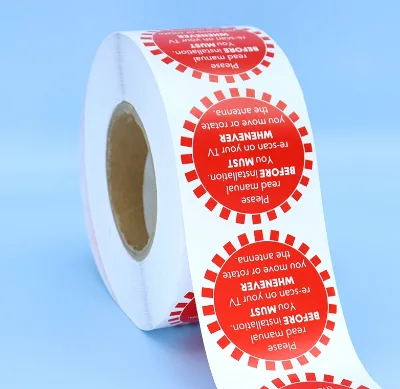
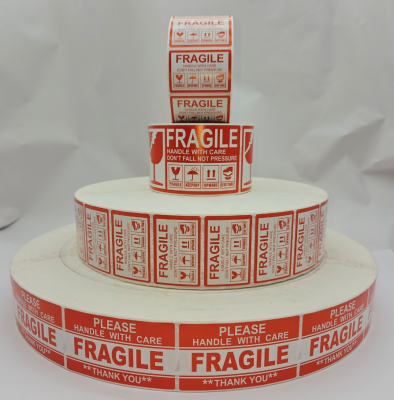


Art Paper Coated Paper Self Adhesive Label Paper Materials Jumbo Roll
$0.30 - $0.35
MOQ: 5000 Square Meters


Comprehensive Sourcing Guide
Strategic Sourcing Guide for Art Paper Rolls
Understanding Technical Specifications and Material Variability
When sourcing Art Paper Rolls, buyers must navigate a landscape of diverse technical attributes that directly influence the final product's performance. The core material composition often centers on virgin pulp, ensuring a high degree of purity and structural integrity essential for professional applications. However, the specific GSM (grams per square meter) ranges vary significantly across available inventory, with observed specifications spanning from 80 GSM up to 450 GSM. This wide variance means that a single procurement strategy cannot cover all use cases; instead, buyers must align their selection with the specific weight requirements of their intended output.
The physical dimensions of the rolls are equally critical. Observed roll widths include specific industrial standards such as 610mm, 860mm, 880mm, and 1020mm, alongside custom options. Width tolerances are typically tight, with a standard deviation of +/- 2mm, which is crucial for precision cutting and printing processes. Furthermore, the surface finish varies between high gloss, semigloss, and matte options. Gloss levels are quantified in some listings, with values such as 62% or 65% observed, while brightness ratings range from 92% to 98%. Whiteness is another key optical property, with specific CIE measurements like CIE145 or CIE150 appearing in product data. Buyers should verify these optical properties against their brand standards, as a paper that is too white or too glossy may not suit a specific artistic vision or printing requirement.
The base paper composition also dictates the end-use. While some products are explicitly described as white cardboard, others are categorized as writing paper or coated paper. The presence of decorative patterns, such as woven coated or matt coated finishes, adds another layer of complexity. A buyer sourcing for high-end packaging must distinguish between a standard art paper and a decorative variant, as the latter may have specific coating requirements that affect adhesion or ink absorption.
Compliance, Certification, and Safety Standards
In the B2B procurement of art materials, compliance is not merely a formality but a prerequisite for market access and brand safety. The supply chain for Art Paper Rolls often involves rigorous adherence to international standards. One prominent standard observed in the market is SGS, which serves as a benchmark for quality assurance and material verification. Additionally, environmental and safety certifications are increasingly vital. Products in this category frequently carry ISOROHS certification, indicating compliance with restrictions on hazardous substances.
Fire safety is another critical compliance area, particularly for applications involving large-scale displays or public installations. Specific fire ratings are available, with observed ratings including a Fire Rating of 3. This classification suggests a specific level of flame resistance that must be verified against local building codes or client requirements. Buyers should not assume that all Art Paper Rolls meet this rating; rather, they must explicitly request fire test reports or certification documents for the specific batch being purchased.
Environmental claims, such as "Environmental" or "Non-Toxic" features, are common in product descriptions. While some listings mention FSC (Forest Stewardship Council) as a background consideration, the exact certification status should be treated as a variable to be confirmed rather than a guaranteed attribute of every roll. Procurement teams must demand valid, current certification documents from suppliers to validate these claims. The origin of the material also plays a role in compliance; products originating from Shandong Province are common, but buyers should ensure that the specific factory holds the necessary environmental permits and labor compliance certifications required for their target markets.
Cost Drivers and Pricing Structures
The pricing of Art Paper Rolls is influenced by a complex interplay of material costs, processing complexity, and order volume. The observed price range in the market is extensive, spanning from $0.01 to $3,000 USD. This broad spectrum reflects the difference between small-scale samples, bulk raw materials, and specialized, high-specification finished goods. The minimum order quantity (MOQ) is a significant cost driver, with observed ranges starting as low as 1 unit and extending up to 50,000 units.
For buyers with high-volume needs, the ability to negotiate lower unit costs is directly tied to the MOQ. Suppliers often offer tiered pricing structures where the cost per square meter decreases as the order volume increases. However, the "Customization" attribute is a major factor in pricing. Orders requiring specific dimensions, custom weights, or unique decorative patterns often incur higher costs due to the setup time and material waste associated with non-standard runs. The "Customized" nature of many products means that buyers should expect a premium for bespoke specifications compared to standard off-the-shelf rolls.
Packing and logistics also contribute to the total cost of ownership. Standard packing methods include craft paper and paper board packing with pallets, which are designed to protect the rolls during transit. However, specialized packing requirements, such as OEM branding or specific bulk sheet configurations, can add to the expense. Buyers must factor in the lead time, which is observed to be around 20 days for standard deliveries. Longer lead times may be necessary for highly customized orders, potentially impacting inventory planning and cash flow.
Typical Applications and Use Cases
Art Paper Rolls serve a multitude of applications, ranging from creative arts to commercial packaging. The versatility of the material is evident in the diverse list of intended uses. One primary application is in card making, where the weight and brightness of the paper are critical for producing high-quality greeting cards or business cards. The "A" quality rating observed in many listings suggests a suitability for premium card stock applications.
Another significant use case is in the creation of folders and covers. The structural integrity provided by the virgin pulp and the specific GSM range (up to 450 GSM) makes these rolls ideal for binding and cover design. The "Light Weight" feature mentioned in product attributes is particularly valuable for applications where the final product needs to be portable yet durable.
For artists and designers, the "Painting" and "Impasto" applications are relevant. The "Non-Toxic" feature ensures safety for artists and end-users, while the specific texture options, such as woven or matte finishes, allow for varied artistic expressions. The "DIY Paper Cutting" application highlights the material's suitability for craft projects, where precision and ease of cutting are paramount. Additionally, the use of these rolls for tags and decorative purposes underscores their role in retail and promotional materials. The "White" and "Brightness" attributes are essential for applications requiring high contrast and color fidelity, such as printing or photography backdrops.
Supplier Evaluation and Sourcing Strategy
Evaluating suppliers for Art Paper Rolls requires a methodical approach that goes beyond price comparison. Buyers should prioritize suppliers who demonstrate transparency in their production capabilities and quality control processes. The origin of the product, such as Shandong Province, indicates a concentration of manufacturing expertise in this region, but it does not guarantee quality for every vendor. Buyers must verify the supplier's capacity to meet specific technical requirements, such as the +/- 2mm width tolerance or specific GSM ranges.
The availability of "Customization" is a key differentiator. Suppliers that offer flexible production lines can accommodate unique order specifications, such as custom roll widths or specialized coatings. However, buyers should assess the supplier's track record in handling custom orders to ensure they can maintain quality standards during non-standard production runs. The "Condition: New" attribute is a basic requirement, but buyers should also inquire about the supplier's inventory management practices to ensure that materials are stored correctly to prevent degradation.
Quality control is another critical evaluation metric. Suppliers should be able to provide evidence of their adherence to standards like SGS and their ability to meet fire safety ratings. The presence of certifications like ISOROHS should be verified through official documentation. Buyers should also evaluate the supplier's packaging capabilities, ensuring they can provide the necessary protection for the rolls during shipping, whether it is standard palletized packing or specialized OEM solutions.
Quality Control and Long-Term Procurement Considerations
Maintaining consistent quality in art paper roll procurement requires a robust quality control framework. Buyers should establish clear acceptance criteria based on the technical specifications observed in the market, such as GSM, brightness, and whiteness. Regular sampling and testing are essential to verify that the delivered products match the agreed-upon specifications. The "Glossy" percentage and "Whiteness" CIE values should be measured using standardized equipment to ensure consistency across batches.
Long-term procurement considerations involve building a sustainable relationship with suppliers who can consistently meet quality and delivery expectations. The "Delivery Time" of 20 days is a standard benchmark, but buyers should negotiate terms that account for potential delays, especially for customized orders. Establishing a clear communication channel for quality issues and returns is vital for managing risk.
Furthermore, buyers should consider the environmental impact of their procurement decisions. While "Environmental" is a listed feature, verifying the sustainability of the supply chain through valid certifications is crucial for companies with corporate social responsibility goals. The "Non-Toxic" attribute is a baseline for safety, but buyers should ensure that the entire production process aligns with their environmental standards.
| Feature Category | Observed Standard | Verification Requirement |
|---|---|---|
| Material | Virgin Pulp | Request pulp source documentation |
| Weight (GSM) | 80-450 GSM | Verify specific batch weight |
| Width Tolerance | +/- 2mm | Measure incoming stock |
| Fire Rating | Rating 3 | Request fire test certificate |
| Certification | ISOROHS, SGS | Validate current certificates |
| Origin | Shandong Province | Confirm factory location |
| Packing | Craft Paper/Pallet | Inspect packaging integrity |
By adhering to these guidelines, buyers can navigate the complexities of the art paper roll market, ensuring they source materials that meet their technical, compliance, and operational needs while maintaining a focus on quality and sustainability.
FAQs
What customization options are available for Art Paper Rolls?
Customization is available for these Art Paper Rolls, allowing buyers to specify unique dimensions and finishes. Products can be tailored to specific widths like 610mm or 880mm, and features such as high gloss or matte coatings can be selected to meet precise project requirements.
Which certifications do these Art Paper Rolls hold?
The products hold ISOROHS certification and comply with SGS standards for quality assurance. These certifications ensure the materials meet safety restrictions on hazardous substances and verify the structural integrity of the virgin pulp used in the manufacturing process.
How wide are the standard art paper roll options?
Standard roll widths include 610mm, 860mm, 880mm, and 1020mm, with a tolerance of plus or minus 2mm. Custom widths are also available, allowing for flexibility in production lines that require specific dimensions for cutting or printing applications.
What is the typical delivery time for these rolls?
The standard delivery time is approximately 20 days for orders placed. This timeline applies to standard configurations, while highly customized orders with specific weights or decorative patterns may require additional time for production setup and quality verification.
Can I find Art Paper Rolls with a fire rating of 3?
Yes, specific Art Paper Rolls are available with a Fire Rating of 3, indicating a defined level of flame resistance. This feature is crucial for applications in public installations or large-scale displays where fire safety compliance is a mandatory requirement.
What is the minimum order quantity for these products?
The minimum order quantity ranges from 1 unit up to 50,000 units depending on the specific product configuration. Buyers can negotiate pricing based on volume, with larger orders often benefiting from tiered cost structures due to reduced setup expenses.
Where are these Art Paper Rolls manufactured?
The products originate from Shandong Province, a region known for its manufacturing expertise in paper goods. Buyers should verify the specific factory location and capacity to ensure the supplier can meet their volume and quality expectations.
What is the GSM range for the available art paper?
The GSM range spans from 80 to 450 grams per square meter, covering various weight requirements. This wide spectrum allows selection for applications ranging from lightweight tags to heavy-duty covers and folders, ensuring structural integrity for diverse uses.