Source ATEX Explosion Proof Temperature Transmitter for Process Control
Find 30 verified options for the ATEX Explosion Proof Temperature Transmitter designed for hazardous industrial environments. Compare specifications including accuracy, response time, and mounting types to select the right device for your facility.
Key considerations
Products List


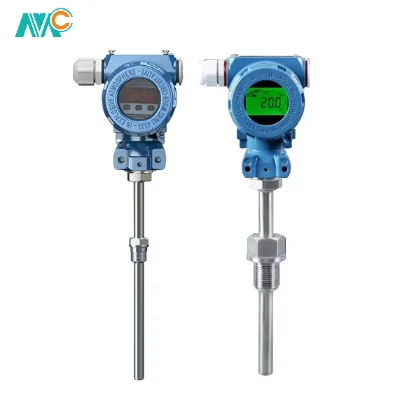
Precise Temperature Measurement Temperature Transmitter for Critical Process
$100.00 - $306.00
MOQ: 1 Pieces


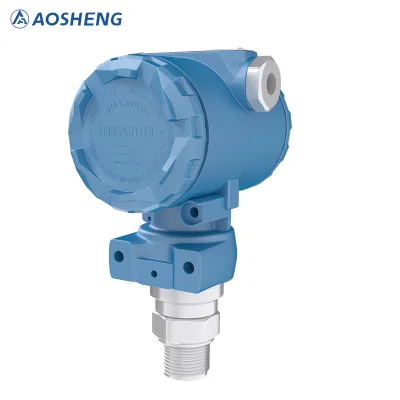
High Quality Temperature Transmitter Manufacturer with CE / ISO / 1 Year Warranty
$150.00 - $550.00
MOQ: 1 Pieces
Comprehensive Sourcing Guide
Strategic Sourcing Guide for ATEX Explosion-Proof Temperature Transmitters
Selecting the right temperature transmitter for hazardous environments requires a disciplined approach that balances technical performance with rigorous safety compliance. The core keyword, "ATEX explosion-proof temperature transmitter," points to a specialized class of industrial instrumentation designed to operate safely in atmospheres where flammable gases, mists, vapors, or combustible dusts may be present. Buyers must navigate a landscape where product attributes vary significantly between models, and where the distinction between general industrial sensors and certified explosion-proof units is critical for operational safety. This guide outlines the essential factors for procurement, focusing on the specific technical realities observed in the market and the verification steps necessary to ensure a compliant and reliable supply chain.
Technical Specifications and Measurement Capabilities
The foundation of any temperature transmitter selection lies in its measurement range, accuracy, and response time. In the current market, high-performance units often feature a broad operating temperature span, with observed ranges extending from -40ºC to 400ºC for specific high-temperature resistance models. For applications requiring extreme precision, buyers should look for devices capable of measuring platinum resistance within a -200500°C range and copper resistance within -150100°C. The accuracy of these devices is a primary differentiator; observed specifications indicate reference accuracies of ±0.5% or base accuracies as tight as 0.15% of the full scale. Some advanced models offer a measurement accuracy formula of 0.15±0.002|T|, which is crucial for processes where temperature fluctuations must be minimized.
Response time is another critical technical parameter that dictates how quickly a system can react to thermal changes. Data suggests that platinum resistance elements typically exhibit reaction times between 30 and 90 seconds, while copper resistance elements may respond in under 180 seconds. For dynamic processes, the dead time of the signal processing circuitry is also relevant, with some units reporting a dead time of 45 milliseconds and a replace speed of 22 per second. The output signal is predominantly standardized as a 2-wire 4-20mA DC loop, ensuring compatibility with most industrial control systems. Additionally, the inclusion of Hart communication protocols allows for advanced diagnostics and configuration, with some units supporting a 100-millisecond update cycle for real-time monitoring.
Compliance Verification and Certification Requirements
When sourcing ATEX explosion-proof equipment, the most vital step is verifying the certification status rather than assuming compliance based on the product name. The ATEX directive (2014/34/EU) mandates that equipment intended for use in explosive atmospheres must undergo rigorous testing and certification. Buyers must explicitly request the ATEX certificate and the EU Declaration of Conformity for every specific model under consideration. It is a common misconception that a product labeled "explosion-proof" automatically meets ATEX standards; without the official documentation, the equipment cannot be legally installed in designated hazardous zones.
While general industrial standards like ISO 9001 are often cited in supplier backgrounds, they do not substitute for specific explosion-proof certifications. The certification process involves verifying the equipment's enclosure integrity, maximum surface temperature, and the type of protection method employed, such as flameproof (Ex d), intrinsic safety (Ex i), or increased safety (Ex e). Buyers should verify that the certification covers the specific temperature range and the specific gas or dust group (e.g., Group I for mining, Group II for industrial gases) relevant to their facility. The absence of a valid certificate is a critical red flag that should halt the procurement process immediately, regardless of the device's technical specifications or price.
Cost Drivers and Pricing Dynamics
The cost of an ATEX temperature transmitter is influenced by several distinct factors beyond the basic sensor element. The primary cost driver is the certification itself; the engineering and testing required to achieve ATEX compliance add significant value compared to non-certified industrial sensors. The materials used for the housing and stem also play a major role. Stainless steel grades such as SS304 and SS316, or high-performance alloys like Inconel, are often required to withstand corrosive environments and high pressures, directly impacting the unit price. The choice of diaphragm material, which may be customized to specific requirements, further alters the cost structure.
Pricing in this sector is highly variable, with observed market ranges spanning from 0 to 550 USD. This wide disparity often reflects differences in accuracy grades, material quality, and the level of customization. For instance, a unit with a 0.1G accuracy grade and a custom diaphragm will command a higher price than a standard model. The Minimum Order Quantity (MOQ) also affects the effective unit cost; while some suppliers offer an MOQ of 10 units, others may require quantities up to 1000, influencing the total procurement budget. Buyers should be aware that "customized" options, which are frequently available, may incur additional tooling or engineering fees that are not reflected in the base catalog price.
Typical Industrial Applications and Environmental Constraints
Temperature transmitters with ATEX certification are indispensable in industries where flammable substances are processed, stored, or transported. These include the petrochemical, oil and gas, pharmaceutical, and food processing sectors. In these environments, the transmitter must not only measure temperature accurately but also withstand harsh conditions. The observed specifications highlight a high-temperature resistance capability, with some units designed to operate in environments ranging from -60℃ to 60℃ or even up to 400ºC depending on the model. The stem material is often selected based on the specific chemical exposure; for example, Inconel is preferred for highly corrosive or high-pressure applications.
The mounting method is another application-specific consideration. Products are available in both flange-mounted and thread-mounted configurations, allowing for flexible installation in various vessel and pipe geometries. The minimum insertion depth is a critical design parameter, typically calculated as the temperature sensing element length plus the outer diameter, ensuring the sensor is fully immersed in the process medium without compromising the seal. For applications involving pressure, the nominal pressure of the thermocouple is related to many conditions, requiring careful selection to match the system's pressure rating. The IP rating, often observed as IP65 or similar for dust and water protection, ensures the device remains functional in wet or dusty hazardous zones.
Supplier Evaluation and Quality Assurance
Evaluating a supplier for ATEX equipment requires a focus on their technical competence and quality management systems. Buyers should verify the supplier's ability to provide traceable documentation, including the specific model number (e.g., HC, hczn-TT00001) and the associated certification numbers. The origin of the product, such as Hefei, may be relevant for logistics and supply chain stability, but the primary focus must remain on the quality of the manufacturing process. A reputable supplier will offer a clear warranty and support for calibration, as the accuracy of these devices can drift over time.
Quality control measures should be robust, with suppliers demonstrating a commitment to testing every unit before shipment. The observed insulation resistance value at room temperature, typically less than 100MΩ, serves as a benchmark for electrical integrity. Buyers should also inquire about the annual stability of the device, which is often specified as ≤±0.5% of the reading or 0.1ºC per year. This metric is crucial for long-term process reliability. Furthermore, the packaging method, whether wooden or carton, should be suitable for protecting the sensitive electronics during transit, especially when shipping to remote or international locations.
Long-Term Procurement and Maintenance Considerations
Sourcing ATEX temperature transmitters is not a one-time transaction but a long-term partnership that requires planning for maintenance and lifecycle management. The calibration unit, often specified as Kpa/MPa for pressure-related sensors or Celsius/Fahrenheit for temperature, must be compatible with the facility's calibration standards. Buyers should establish a schedule for periodic recalibration to ensure the device maintains its stated accuracy of ≤0.5°C or ±0.5% over its service life. The availability of spare parts, such as replacement stems or diaphragms, is also a key consideration to minimize downtime during maintenance.
The customization options available in the market, such as specific resistance categories (Hcp Type for Platinum, Hcc Type for Copper) and optional stem materials, allow for tailoring the device to specific process needs. However, these customizations can extend lead times and complicate the replacement process. Buyers should maintain a detailed inventory of the specific models and their unique attributes to ensure compatibility when ordering replacements. The digital display type, typically LCD, provides a local readout that aids in troubleshooting, but the primary data should always be monitored via the 4-20mA signal to the control system. By focusing on these long-term factors, buyers can ensure a reliable and safe operation of their hazardous area instrumentation.
Comparative Analysis of Key Attributes
To assist in the decision-making process, the following table summarizes the key technical attributes observed in the market for high-performance temperature transmitters. This comparison highlights the variability in specifications and the importance of matching the right device to the specific application requirements.
| Attribute Category | Observed Specification Range | Application Implication |
|---|---|---|
| Temperature Range | -40ºC to 400ºC | Suitable for high-heat industrial processes |
| Measurement Accuracy | ±0.5% to 0.15±0.002 | T |
| Response Time | 30-90s (Platinum), <180s (Copper) | Determines suitability for dynamic processes |
| Output Signal | 2-Wire 4-20mA DC | Standard compatibility with PLC/DCS systems |
| Housing Material | SS304, SS316, Inconel (Optional) | Corrosion resistance and pressure handling |
| Certification | ATEX (Required for Hazardous Zones) | Legal requirement for flammable environments |
| Mounting Style | Flange or Thread Mounted | Flexibility for vessel and pipe integration |
| IP Rating | IP65 (Typical) | Protection against dust and water ingress |
This table serves as a reference point for buyers to verify that the products they are considering meet the necessary technical thresholds. It underscores that while many attributes are standardized, the specific combination of materials, accuracy, and certification must be carefully selected to ensure safety and performance in hazardous environments.
FAQs
What is the temperature range for these transmitters?
The operating temperature range extends from -40ºC to 400ºC for high-temperature resistance models. Some specific units support platinum resistance measurement from -200 to 500°C and copper resistance from -150 to 100°C.
How accurate are the temperature measurements?
Reference accuracy is typically ±0.5% or a base accuracy of 0.15%. Advanced models offer a measurement accuracy formula of 0.15±0.002|T| to ensure precision in critical control loops.
Can I customize the stem material for this device?
Yes, customization is available for the stem material, including SS304, SS316, or Inconel. These options allow the device to withstand specific corrosive environments and high-pressure conditions effectively.
What output signal does the transmitter provide?
The device provides a standard 2-wire 4-20mA DC output signal. This signal ensures compatibility with most industrial control systems and supports Hart communication protocols for advanced diagnostics.
Which mounting options are available for installation?
Products are available in both flange-mounted and thread-mounted configurations. This flexibility allows for secure installation in various vessel and pipe geometries required by different industrial applications.
What is the minimum order quantity for these units?
The minimum order quantity is 10 units for standard models. Some suppliers may require quantities up to 1000, so buyers should verify specific MOQ requirements before placing an order.
How long does the platinum resistance element take to react?
Platinum resistance elements typically exhibit reaction times between 30 and 90 seconds. Copper resistance elements may respond in under 180 seconds, depending on the specific sensor configuration.