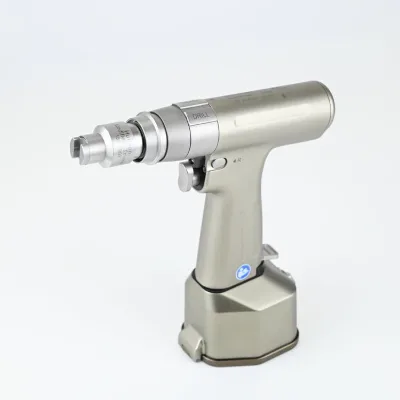
Source Autoclavable Orthopedic Surgical Power Reamer for Reaming, Burns, Microsurgery
Compare 19 Autoclavable Orthopedic Surgical Power Reamer options from verified Chinese manufacturers. These multifunctional instruments support reaming, burns, and microsurgery applications with customizable models and ISO certifications.
Key considerations
Products List


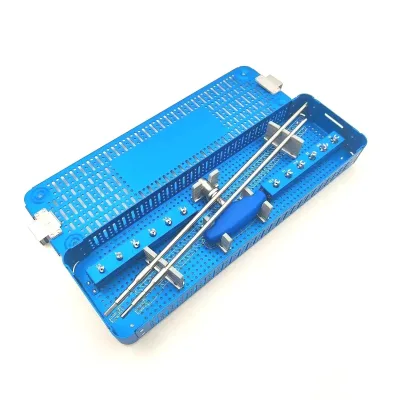
Orthopedic Surgical Reamer for Intramedullary Needle Surgery Flexible Reamer
$30.00 - $60.00
MOQ: 10 Pieces





Comprehensive Sourcing Guide
Autoclavable Orthopedic Surgical Power Reamer Sourcing Guide
Sourcing autoclavable orthopedic surgical power reamers requires a disciplined approach to balancing clinical performance with regulatory compliance. These instruments are critical components in orthopedic procedures, specifically designed for reaming, expanding the medulla, and preparing bone cavities for implants. Buyers must navigate a market where products range from manual tools to complex powered systems, often featuring multifunctional capabilities and customizable specifications. The procurement process demands rigorous verification of material standards, sterilization compatibility, and supplier credentials to ensure patient safety and operational efficiency in the operating room.
The observed market landscape includes a diverse array of offerings, with product counts indicating a robust supply chain primarily originating from China. Prices vary significantly, reflecting differences in material quality, certification levels, and customization options. Buyers should expect to encounter instruments made from specific stainless steel grades, such as 420B, 420J, and 465, which are chosen for their durability and resistance to corrosion during repeated sterilization cycles. Understanding these technical nuances is essential for selecting the right tool that aligns with specific surgical protocols and institutional requirements.
Product Scope and Observed Listing Signals
The product scope for orthopedic surgical power reamers encompasses a wide range of specifications, including size availability and material composition. Observed listings indicate size ranges such as 20-60mm and 33-64mm, catering to different anatomical requirements and surgical needs. Materials are predominantly steel-based, with specific mentions of 420B, 420J, and 465 grades, as well as Nitinol (Niti) for certain applications. These materials are selected for their ability to withstand high temperatures during autoclaving and maintain sharpness and structural integrity over time. Buyers should verify that the specific model they are considering meets the precise dimensional and material requirements of their surgical procedures.
Listing signals also reveal important attributes such as customization availability, OEM acceptance, and packaging standards. Many suppliers offer customized models and accept OEM orders, allowing hospitals and clinics to tailor instruments to their specific needs. Packaging typically includes individual sets packed in aluminum boxes within cartons, ensuring safe transport and protection of the delicate instruments. Transportation methods listed include FedEx, DHL, TNT, and UPS, indicating a global supply chain capable of delivering products efficiently. Buyers should consider these logistical factors when planning their procurement strategy and ensuring timely availability for surgical schedules.
Technical Specifications to Verify
Technical verification is paramount when sourcing orthopedic surgical power reamers, particularly regarding their functional capabilities and physical properties. Key specifications to verify include the no-load speed, torque, and input power, which are critical for powered reamers. For instance, some models feature a no-load speed of 0-300r/Min and a torque of 33000g/Cm, powered by 220V/50Hz input. These parameters determine the instrument's performance in various surgical scenarios, ensuring it can handle the resistance of bone tissue effectively. Buyers must ensure that the technical specifications align with their existing surgical equipment and power supply infrastructure to avoid compatibility issues.
Material composition and sterilization compatibility are also crucial technical aspects. The instruments are described as reusable and autoclavable, which requires them to be made from materials that can withstand high temperatures and pressure without degrading. The use of stainless steel grades like 420B and 465 is common, but buyers should confirm the exact material grade and its suitability for repeated autoclaving cycles. Additionally, the absence of LCD displays in some models suggests a focus on mechanical reliability and simplicity, which can be advantageous in sterile environments. Verifying these technical details ensures that the purchased instruments will perform reliably and safely in clinical settings.
Compliance and Safety Documentation
Compliance with regulatory standards is a non-negotiable aspect of sourcing medical devices, including orthopedic surgical power reamers. Buyers must verify that suppliers hold relevant certifications, such as FDA and ISO CE, which indicate adherence to quality and safety standards. Some listings also mention ISO SGS certifications, further reinforcing the supplier's commitment to quality management. These certifications are essential for ensuring that the instruments meet the legal and safety requirements of the target market. Buyers should request copies of these certifications and verify their validity with the respective issuing bodies to mitigate regulatory risks.
In addition to certifications, buyers should inquire about the medical device regulatory type and any associated documentation. The observed listings mention Type 2 regulatory classification for some products, which may have specific implications for importation and usage in different regions. Understanding the regulatory classification helps buyers navigate the legal landscape and ensure that the instruments can be legally used in their facilities. Furthermore, buyers should ensure that the suppliers provide comprehensive documentation, including user manuals, maintenance guidelines, and sterilization instructions, to support safe and effective use of the instruments.
Cost Drivers and Commercial Terms
Cost drivers for orthopedic surgical power reamers include material quality, certification levels, and customization options. Higher-grade materials and additional certifications typically result in higher prices, reflecting the increased cost of production and compliance. Customization, such as specific size requirements or branding, can also impact the final cost. Buyers should be aware that while some listings advertise competitive prices, the actual cost may vary based on the specific configuration and order volume. Understanding these cost drivers helps buyers make informed decisions and negotiate favorable terms with suppliers.
Commercial terms, including minimum order quantities (MOQ) and payment terms, are also significant factors in the procurement process. Observed MOQs range from 1 to 20 pieces, offering flexibility for buyers with varying inventory needs. However, buyers should confirm the MOQ with the supplier, as it may vary based on the product model and customization requirements. Payment terms and lead times should also be clearly defined to ensure smooth transaction processes. Buyers should consider these commercial terms when planning their procurement strategy and budgeting for the acquisition of orthopedic surgical instruments.
Supplier Qualification and Quality Control
Supplier qualification is a critical step in ensuring the reliability and quality of orthopedic surgical power reamers. Buyers should assess the supplier's manufacturing capabilities, quality control processes, and track record in the medical device industry. Suppliers located in regions like Jiangsu and Anhui in China are common sources, but buyers should verify the supplier's specific location and facilities to ensure they meet international standards. Requesting factory audits or third-party quality assessments can provide additional assurance of the supplier's capability to produce high-quality instruments consistently.
Quality control measures should be clearly defined and agreed upon before placing orders. Buyers should inquire about the supplier's testing procedures, including material testing, functional testing, and sterilization compatibility testing. Ensuring that the supplier has robust quality control processes in place helps minimize the risk of receiving defective or non-compliant instruments. Additionally, buyers should establish clear communication channels with the supplier to address any quality issues promptly and effectively. Building a strong relationship with a qualified supplier is essential for long-term procurement success and consistent supply of high-quality orthopedic surgical instruments.
Long-Term Procurement Checks
Long-term procurement checks involve continuous monitoring of supplier performance and product quality. Buyers should establish key performance indicators (KPIs) to evaluate the supplier's reliability, delivery times, and product consistency. Regular reviews of these KPIs help identify potential issues early and allow for corrective actions to be taken. Maintaining open communication with the supplier and providing feedback on product performance can also help improve the quality of future orders. Continuous improvement efforts are essential for maintaining a high standard of care and ensuring that the instruments meet the evolving needs of surgical procedures.
Additionally, buyers should stay informed about changes in regulatory requirements and industry standards that may impact the procurement of orthopedic surgical power reamers. Keeping abreast of new certifications, material standards, and safety guidelines ensures that the purchased instruments remain compliant and effective. Regularly updating procurement policies and procedures to reflect these changes helps maintain a robust and adaptable supply chain. By prioritizing long-term procurement checks, buyers can ensure a steady supply of high-quality, compliant orthopedic surgical instruments that support optimal patient outcomes.
FAQs
What certifications do these orthopedic surgical instruments hold?
The products hold FDA and ISOCE certifications, ensuring compliance with international medical device standards. Some listings also reference ISO SGS and CE marks. These credentials verify that the Autoclavable Orthopedic Surgical Power Reamer meets rigorous safety and quality requirements for clinical use in hospitals and surgical centers globally.
Can I request custom specifications for the reamer model?
Yes, customization is available for the Autoclavable Orthopedic Surgical Power Reamer. Manufacturers accept OEM requests and offer customized models to suit specific surgical needs. Buyers can specify dimensions, materials, or packaging requirements. This flexibility allows hospitals to tailor instruments for particular procedures while maintaining standard autoclavable durability and performance.
What materials are used to construct the reamer instruments?
The instruments are primarily constructed from steel, including specific grades like 420B, 420J, and 465. Some variants may include Nitinol or stainless steel components. These materials ensure the Autoclavable Orthopedic Surgical Power Reamer withstands repeated sterilization cycles while maintaining structural integrity and precision during complex orthopedic procedures and bone reaming tasks.
What is the minimum order quantity for purchasing these sets?
The minimum order quantity is typically 10 pieces per set. However, some suppliers may accept orders starting from 1 piece. This low MOQ allows smaller clinics or hospitals to trial the Autoclavable Orthopedic Surgical Power Reamer without committing to large inventory volumes. Buyers should verify specific MOQ requirements with individual suppliers before placing orders.
How are the surgical instrument sets packaged for transport?
Sets are packed in cartons, with individual sets often housed in aluminum boxes for protection. Packaging can be customized according to buyer requirements. The Autoclavable Orthopedic Surgical Power Reamer is suitable for transport by sea or air via carriers like FedEx, DHL, TNT, and UPS. Secure packaging ensures instruments arrive undamaged and ready for sterilization.
Where are these orthopedic instruments manufactured?
These instruments are manufactured in China, specifically in regions like Jiangsu, Changzhou, and Anhui, Wuhu. The origin indicates a concentration of specialized medical device manufacturing hubs. Buyers sourcing the Autoclavable Orthopedic Surgical Power Reamer can expect production from these established industrial areas known for producing high-volume, certified surgical tools for global distribution.