Source Autoclavable Dental Air Scaler for Orthodontic, Oral, and Dental Departments
Find 30 listings for Autoclavable Dental Air Scaler units suitable for orthodontic, oral, and dental departments. Compare specifications, certifications, and prices from verified Chinese manufacturers offering metal and stainless steel options.
Key considerations
Products List


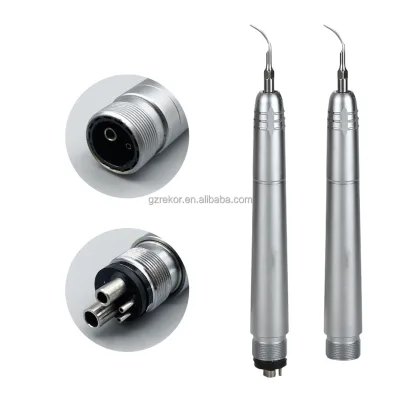
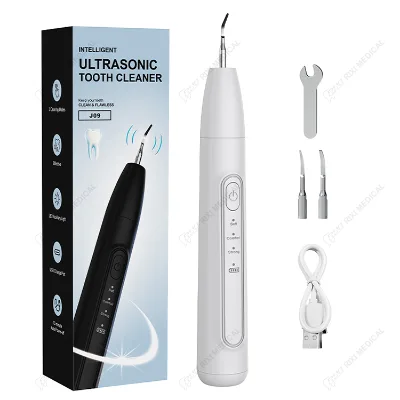
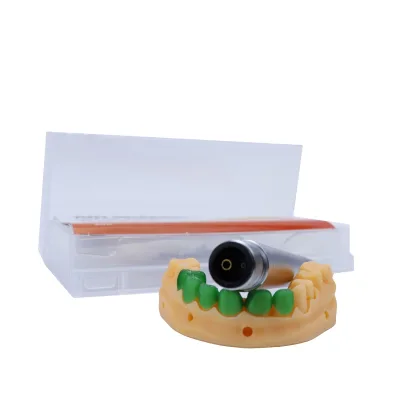
Dental Air Scaler with 3 Tips Dental Products Dental Air Scaler Handpiece
$8.00 - $10.00
MOQ: 10 Pieces







Comprehensive Sourcing Guide
Strategic Sourcing Guide for Autoclavable Dental Air Scalers
Understanding Product Classification and Core Specifications
When sourcing specialized dental equipment, particularly items described as autoclavable dental air scalers, buyers must first navigate the diverse landscape of product attributes found in the current market. The term "air scaler" often encompasses a range of instruments designed for cleaning and filling teeth, which are critical for maintaining oral hygiene in professional settings. In the observed product data, these items are frequently categorized under "Cleaning & Filling Teeth Equipments" or more specifically as "Metal Scaler" types. A crucial distinction for procurement officers is the material composition; high-quality units are predominantly constructed from metal, with specific listings highlighting "Stainless Steel" as the primary material. This material choice is non-negotiable for autoclavable devices, as it ensures the instrument can withstand the high temperatures and pressures required for sterilization without degrading.
The physical specifications of these instruments vary significantly depending on the intended application and manufacturer model. For instance, observed product models such as PSQ-10, J-001, and Y0011 demonstrate that dimensions are not uniform. Buyers should expect to encounter standard packaging sizes ranging from 20x18x12cm to 28x20x10cm, with some specialized units packaged in plastic cases or standard exported cartons. The weight of these instruments is another critical factor for ergonomics; specific listings indicate weights as low as 50g or 60g, which suggests a focus on reducing operator fatigue during prolonged procedures. Furthermore, the "Number of Holes" or "Hole" configuration is a key technical differentiator, with options including two holes, four holes, or specific configurations like "2/4 Holes." This feature directly impacts the airflow dynamics and the efficiency of the scaling process.
Technical Performance and Operational Features
The operational capabilities of an Autoclavable Dental Air Scaler are defined by several interconnected technical features. One of the most significant attributes is the connection method. The market data indicates a prevalence of "With Quick Connector" designs, which facilitate rapid attachment and detachment from the dental unit's air supply. This feature is essential for maintaining workflow efficiency in a busy clinic. Additionally, the loading and exhaust mechanisms are vital for the device's longevity and safety. Specifications such as "Gland Type" for loading and "Internal Exhaust" for air release suggest a design focused on preventing contamination and ensuring that waste air is managed effectively within the instrument's housing.
Lighting and power requirements also play a role in the selection process. While many advanced dental units include integrated lighting, the observed data explicitly notes "Without Light" as a configuration for certain models. This indicates that some air scalers are designed as standalone handpieces that rely on the ambient lighting of the dental operatory or the light source of the dental chair. Buyers must verify whether the specific model requires a separate light source or if it is intended for use in conjunction with existing operatory lighting. The "Usage Times" attribute is another critical specification; the data confirms that these instruments are "Non-Disposable," meaning they are built for repeated use and require a robust sterilization protocol. This aligns with the "Autoclavable" requirement, as the device must endure multiple cycles of sterilization without losing structural integrity or performance.
Compliance, Certification, and Regulatory Standards
In the B2B medical device sector, compliance is the cornerstone of a successful procurement strategy. The supply chain for dental air scalers is heavily regulated, and buyers must rigorously verify that products meet international and local standards. The observed product listings provide concrete examples of the certifications that should be present on any compliant unit. Specifically, the "CE" mark is a frequent certification, indicating conformity with health, safety, and environmental protection standards for products sold within the European Economic Area. Furthermore, "ISO" certification appears in multiple listings, often in conjunction with CE, suggesting adherence to international quality management systems.
It is imperative for buyers to understand that certification status is not a universal guarantee for every listed product. The data shows variations, such as "ISO, ISOCondition:New" or standalone "CE" marks. This implies that while many suppliers offer certified products, the specific certification status must be confirmed for each individual SKU before purchase. Buyers should request valid certification documents and verify their authenticity with the issuing bodies. Additionally, the "prod_standard" field in the data often refers to packaging dimensions (e.g., 402010MM) rather than technical manufacturing standards. Therefore, buyers must not rely on packaging dimensions as a proxy for technical compliance. Instead, they should seek explicit documentation regarding the manufacturing standards, such as ISO 13485 for medical devices, and ensure that the "Condition" of the product is explicitly stated as "New" rather than "Used," as used equipment may not meet current sterilization or safety regulations.
Cost Drivers and Economic Considerations
The pricing structure for dental air scalers is influenced by a complex interplay of factors, including material quality, certification status, and order volume. The observed price range in the market spans from $8 to $1,600 USD, a vast disparity that reflects the difference between basic handpieces and fully integrated, high-end systems. Several variables drive these costs. The material, specifically the use of high-grade stainless steel, contributes significantly to the base price. Instruments with advanced features, such as specific tip configurations (e.g., "with 3 Tips (a.B.C)") or specialized connection types, command higher prices.
Minimum Order Quantity (MOQ) is another critical economic factor. The data indicates an MOQ range of 1 to 50 units. Some suppliers may offer a single unit for testing purposes, while others require bulk purchases of 5 pieces or more, as seen in listings with an MOQ of "5 PCS." Buyers must calculate the total cost of ownership, which includes not only the unit price but also the cost of shipping, which can vary based on the "prod_packing" method (e.g., plastic case vs. carton). The "Factory" location, often cited as "Foshan" or "China," can also influence pricing due to regional manufacturing costs and logistics. However, buyers should be cautious of extremely low prices, as they may indicate compromised quality or a lack of necessary certifications. A balanced approach involves comparing the price against the warranty terms, which are typically listed as "1year" in the observed data, and the availability of spare parts.
Typical Applications and Departmental Compatibility
The versatility of autoclavable dental air scalers allows them to be utilized across various medical departments and patient demographics. The observed data highlights "Applicable Departments" such as the "Orthodontic Department," "Oral Department of Internal Medicine," and the general "Dental Department." This broad applicability suggests that these instruments are not limited to a single specialty but are fundamental tools in general dentistry, orthodontics, and oral surgery. The "Application" attribute further clarifies the target demographic, with listings specifying suitability for "Adult," "Child," and even "Pet" applications. This indicates that the same class of equipment can be adapted for pediatric dentistry or veterinary use, provided the specific model's size and power output are appropriate for the patient.
The "Kind" of instrument, such as "Needle & Hook," points to specific procedural uses. These configurations are essential for precise scaling and cleaning tasks, particularly in orthodontic treatments where detailed work is required. The "Tip" specification, with some models offering "3" tips, suggests modularity that allows practitioners to switch between different scaling heads depending on the procedure. This adaptability is a key selling point for clinics looking to maximize the utility of their equipment. However, buyers must ensure that the selected model matches the specific needs of their department. For instance, a unit designed for adult applications may not be suitable for pediatric patients without specific adjustments or smaller tip sizes.
Supplier Evaluation and Quality Control Protocols
Selecting a reliable supplier is as critical as selecting the product itself. The sourcing data indicates that many products originate from "Foshan" or generally "China," a major hub for medical device manufacturing. While this region offers competitive pricing and a wide variety of options, it necessitates a rigorous supplier evaluation process. Buyers should verify the "Factory" details and ensure that the supplier has a proven track record of producing high-quality, certified equipment. The presence of a "1year" warranty is a standard indicator of supplier confidence, but buyers should scrutinize the terms of this warranty to understand what is covered and what constitutes a valid claim.
Quality control (QC) is paramount when dealing with medical instruments. Buyers must implement a strict QC protocol that includes verifying the "Condition" of the product upon receipt. The data distinguishes between "New" and "Used" items, and for autoclavable devices, only "New" items should be considered for initial procurement to ensure safety and compliance. Additionally, the "prod_packing" should be inspected to ensure it meets the "Standard Exported Carton" requirements, protecting the instrument during transit. Buyers should also request sample testing to verify the "Connection" integrity and the "Light Way" functionality, even if the device is listed as "Without Light," to ensure it does not interfere with other operatory equipment. Finally, the "Loading Way" and "Exhaust Way" should be tested to confirm that the internal mechanisms function as described, preventing any potential safety hazards during use.
Long-Term Procurement and Lifecycle Management
Sourcing dental air scalers is not a one-time transaction but part of a long-term lifecycle management strategy. The "Non-Disposable" nature of these instruments means they are expected to serve the clinic for years, provided they are maintained correctly. The "Warranty" period of "1year" is a starting point, but buyers should plan for the long-term costs of maintenance, repair, and eventual replacement. The availability of accessories, such as the "3 Tips (a.B.C)" mentioned in the data, is crucial for extending the lifespan of the primary unit. Buyers should establish a relationship with suppliers who can provide a steady supply of compatible tips and other consumables.
Furthermore, the "Condition" of the equipment must be monitored continuously. Even with a robust warranty, regular inspections are necessary to detect wear and tear, particularly in the "Quick Connector" and "Hole" configurations. Buyers should also consider the "Application" scope; as a clinic expands to include pediatric or veterinary services, the procurement strategy may need to evolve to include models with broader "Application" ranges. Finally, the "Location" of the supplier and the "Lead Time" (though not explicitly quantified in the data, it is a standard consideration) should be factored into inventory planning. A reliable supply chain ensures that clinics can maintain their operations without interruption, even when facing supply chain disruptions. By focusing on these long-term factors, buyers can ensure that their investment in autoclavable dental air scalers yields consistent value and performance over time.
FAQs
What certifications are available for autoclavable dental air scalers?
Available certifications include CE and ISO marks, which indicate compliance with safety and quality standards. Buyers must verify specific documents for each model, as some listings show CE only while others display both CE and ISO. Always confirm the certification status before purchasing to ensure regulatory compliance.
Which material is used for autoclavable dental air scalers?
These instruments are constructed from metal, specifically stainless steel, to withstand high sterilization temperatures. This material choice ensures durability and prevents degradation during repeated autoclave cycles. Stainless steel is the standard for non-disposable dental equipment requiring robust construction.
Can buyers customize Autoclavable Dental Air Scaler specifications?
Yes, customization is available for many models to meet specific clinical requirements. Buyers should confirm available options with the supplier, as features like tip configurations or connection types may vary. Customization allows clinics to tailor instruments for different applications or patient demographics.
How many holes do these dental air scalers typically have?
The number of holes varies by model, with options including two holes, four holes, or configurations like 2/4 holes. This feature affects airflow dynamics and scaling efficiency. Buyers should select the hole count that matches their specific procedural needs and equipment compatibility.
What is the warranty period for these dental instruments?
The standard warranty period is one year for most listed products. This coverage typically applies to manufacturing defects and ensures reliability during the initial usage period. Buyers should review specific warranty terms to understand what components are covered and the claim process.
Which origin locations supply these dental air scalers?
Products originate from China, with specific factories located in Foshan. This region is a major hub for medical device manufacturing and offers competitive pricing. Buyers should verify the specific factory location to assess logistics and potential lead times for their orders.
What is the minimum order quantity for these scalers?
The minimum order quantity ranges from one unit to fifty units depending on the supplier. Some vendors require a minimum of five pieces, while others allow single-unit purchases. Buyers must check the specific MOQ for each model to plan their procurement budget effectively.