Source Autoclavable Plastic Dental Impression Tray for Orthodontics, Fillings, and Prevention
Explore 30 listings for the Autoclavable Plastic Dental Impression Tray suitable for orthodontic departments, filling materials, and preventive health care. Buyers can compare specifications, certifications, and pricing across multiple models including YP02 and YT04.
Key considerations
Products List







Comprehensive Sourcing Guide
Strategic Sourcing Guide for Autoclavable Plastic Dental Impression Trays
Understanding Product Attributes and Material Composition
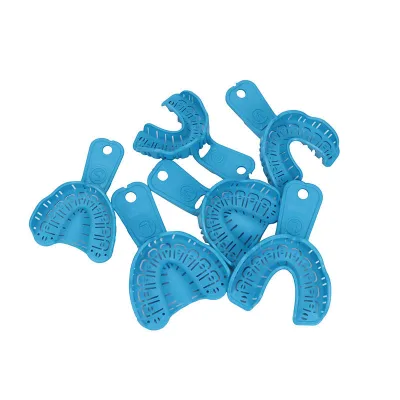
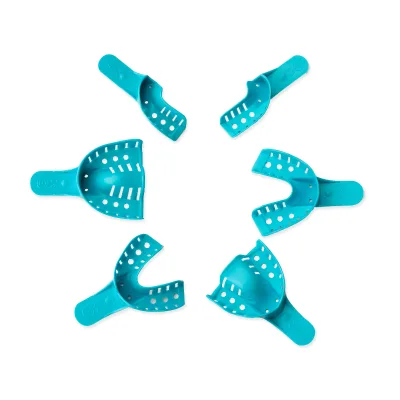
When sourcing autoclavable plastic dental impression trays, the primary objective is to identify instruments that maintain dimensional stability under repeated sterilization cycles while providing the necessary rigidity for accurate dental impressions. The core product category falls under dental auxiliary materials, specifically designed for the orthodontic and general dental departments. A critical observation in the current market is the material composition; viable options are typically constructed from high-temperature resistant plastics and polymers. These materials are selected specifically for their ability to withstand the thermal stress of autoclaving without warping or degrading, which is a common failure point for lower-grade plastics.
The physical characteristics of these trays vary significantly based on the intended application. Buyers must distinguish between disposable and non-disposable variants. While some products are marketed as single-use items to ensure hygiene and eliminate cross-contamination risks, the specific focus on "autoclavable" implies a reusable design intended for multiple uses. The market offers trays in various colors, including green, white, and assorted options, which often serve as visual indicators for different sizes or specific clinical functions. For instance, green trays are frequently associated with high-temperature resistance, while white or light grey variants may be standard for general use. The availability of customization is a notable feature in this sector, allowing clinics to request specific branding or modifications to fit unique workflow requirements.
Technical Specifications and Dimensional Standards
The technical viability of an impression tray is largely defined by its size, shape, and standard packaging configurations. In the observed market data, specific models such as YP02, YP-047, and YT04 represent distinct product lines with varying specifications. The sizing is typically categorized to accommodate different arch dimensions, with common classifications including Large Upper & Lower, Medium Upper & Lower, and Small Upper & Lower configurations. This segmentation ensures that the tray fits the patient's dentition accurately, preventing the material from flowing outside the intended area or failing to capture fine details.
Packaging standards play a crucial role in inventory management and logistics. Suppliers often adhere to specific packing protocols, such as 10 pieces per bag, 1 bag per box, and 56 boxes per carton. Alternative configurations exist, such as 1 set per bag with 100 bags per carton, or single-piece packaging for specialized instruments. These variations impact the total volume of goods a buyer must handle and store. Furthermore, the physical dimensions of the packaging itself, such as a standard carton size of 34024520mm, are essential for calculating shipping costs and warehouse space requirements. Buyers should verify that the specific model they select aligns with their storage capabilities and that the internal packing protects the trays from damage during transit.
Compliance, Certification, and Sterilization Protocols
Regulatory compliance is a non-negotiable aspect of sourcing medical devices. The most prevalent certification observed in the dental impression tray market is the CE mark, indicating conformity with health, safety, and environmental protection standards for products sold within the European Economic Area. Some products may also carry UL certification, which addresses electrical safety standards, though this is less common for passive plastic instruments unless they include integrated heating or lighting components. It is imperative for buyers to verify that the certification documents are current and applicable to the specific model being purchased, as certifications can be model-specific.
Sterilization protocols are equally critical. The term "autoclavable" suggests the product can undergo steam sterilization. However, a key distinction in the market is the presence or absence of Ethylene Oxide (EtO) sterilization. Many plastic trays are supplied without EtO sterilization, meaning the clinic must perform the sterilization process in-house after purchase. This places the responsibility of maintaining a sterile environment on the healthcare provider. Buyers must ensure that the material properties of the tray are compatible with the autoclave cycles used in their facility. While the product is labeled as autoclavable, the specific temperature and pressure limits should be confirmed against the manufacturer's technical data sheet to prevent material failure.
Cost Drivers and Economic Factors
The pricing structure for dental impression trays is influenced by several variables, including material quality, certification status, and order volume. The observed price range in the market spans from $0.03 to $128 per unit, a wide disparity that reflects differences in product complexity, brand reputation, and order quantity. The lower end of the spectrum typically corresponds to basic, non-customized trays sold in high volumes, while the higher end may include specialized models with advanced features or lower minimum order quantities (MOQ).
MOQ requirements are a significant economic factor for procurement planning. The market exhibits an MOQ range from 1 to 5,000 units. Specific product lines, such as certain green high-temperature resistant trays, may have an MOQ of 100 sets, whereas other items might be available for single-unit purchase. This flexibility allows buyers to scale their orders based on immediate clinical needs or long-term inventory strategies. Additionally, the availability of free samples is a common practice, enabling buyers to test the product quality before committing to a larger order. Buyers should also consider the cost implications of customization, such as logo printing, which may incur additional fees or require higher MOQs to be economically viable.
Typical Applications and Clinical Utility
The application of autoclavable plastic dental impression trays extends across various dental specialties. These instruments are primarily utilized in the orthodontic department for creating molds for braces and aligners, as well as in the general dental department for fillings, planting materials, and preventive health care. The versatility of these trays allows them to serve multiple functions, from holding dental instruments to capturing precise impressions for restorative work. The "convenient" nature of these products is often highlighted, suggesting designs that facilitate easy handling by dental professionals and patient comfort during the impression-taking process.
The distinction between disposable and non-disposable usage is vital for clinical workflow. While some trays are designed for single use to minimize infection control risks, the autoclavable variants are engineered for repeated use, offering a cost-effective solution for high-volume practices. The "Shared Instrument Equipment" nature of some models indicates they are robust enough to be used across different patients after proper sterilization. The target demographic for these products is primarily adults, though pediatric applications may exist depending on the size range available. Understanding the specific application requirements of a clinic is essential for selecting the right tray type, ensuring that the instrument matches the clinical procedure and the patient's anatomical needs.
Supplier Evaluation and Quality Assurance
Evaluating suppliers requires a rigorous assessment of their quality control measures and service capabilities. A reliable supplier should offer a quality guarantee period, with some providers offering up to two years of coverage. This warranty reflects confidence in the product's durability and resistance to degradation over time. Buyers should also verify the supplier's origin, as products from regions like Hebei Province, China, or other manufacturing hubs may have different quality control standards. The presence of OEM (Original Equipment Manufacturer) acceptance is another indicator of a supplier's flexibility, allowing clinics to brand the products with their own logos.
Service levels are also a critical component of supplier evaluation. Suppliers that offer 24-hour service response times demonstrate a commitment to supporting their clients' operational needs. This is particularly important for clinics that rely on a steady supply of instruments and cannot afford downtime. When assessing quality, buyers should look for evidence of consistent manufacturing standards, such as the "5 types" of standard configurations or specific packing details like "1pc/box" for precision items. The ability to provide free samples is a strong indicator of a supplier's willingness to prove product quality before a transaction.
Long-Term Procurement Considerations
Sourcing autoclavable plastic dental impression trays is not merely a one-time transaction but a long-term procurement strategy. Buyers must consider the lifecycle of the product, including how many sterilization cycles the tray can withstand before needing replacement. The "Two Years" quality guarantee period suggests a baseline expectation for product longevity, but actual performance depends on the sterilization methods used. Over time, the cost-benefit analysis of reusable versus disposable trays will shift based on the frequency of use and the cost of sterilization supplies.
Inventory management is another long-term consideration. The variety of packaging standards, from 10 pieces per bag to single-piece boxes, affects how stock is tracked and rotated. Buyers should establish a system that ensures older stock is used first to prevent material degradation, even if the trays are autoclavable. Additionally, the availability of customization options like logo printing can enhance brand visibility in the clinic, but it requires careful planning to align with marketing strategies and order cycles. By focusing on these long-term factors, buyers can ensure a sustainable supply chain that supports their clinical operations efficiently and cost-effectively.
FAQs
What certifications do autoclavable plastic dental impression trays have?
These trays typically hold CE certification, with some models also featuring UL certification. This ensures compliance with safety standards for dental auxiliary materials used in orthodontic and general dental departments.
How are autoclavable plastic dental impression trays packaged for shipment?
Standard packaging often includes 10 pieces per bag, one bag per box, and 56 boxes per carton. Alternative configurations like 1 set per bag with 100 bags per carton are also available depending on the specific model.
Can buyers request logo printing on these dental impression trays?
Yes, customization is available and includes logo printing options for clinics. This service allows buyers to brand the trays, though specific order quantities may apply for custom runs.
Which sizes are available for high-temperature resistant plastic dental trays?
Trays come in Large, Medium, and Small sizes for both upper and lower arches. These dimensions ensure a proper fit for various patient anatomies during dental teeth treatment procedures.
What is the minimum order quantity for green autoclavable impression trays?
The minimum order quantity for specific green high-temperature resistant trays is 100 sets. Other models may have different MOQs ranging from 1 to 5000 units depending on the supplier.
How long is the quality guarantee period for these dental instruments?
The quality guarantee period is typically two years for these durable plastic trays. This warranty covers the product against defects, ensuring reliability for repeated autoclaving cycles.
Are these dental impression trays sterilized with ethylene oxide before shipping?
Most of these trays are supplied without ethylene oxide sterilization. Clinics are expected to perform their own sterilization processes using autoclaves to ensure the instruments are sterile before patient use.