Source Automatic Acrylic Screen Protector Cutter for MP3, Camera, and Notebook
Find 30 listings for the Automatic Acrylic Screen Protector Cutter, featuring desktop models with water cooling and CE certification. Compare specifications for pulse and continuous wave lasers, including cutting areas up to 210mm*297mm, to find suitable solutions for mobile phone, camera, and notebook screen protection.
Updated
Key considerations
Products List


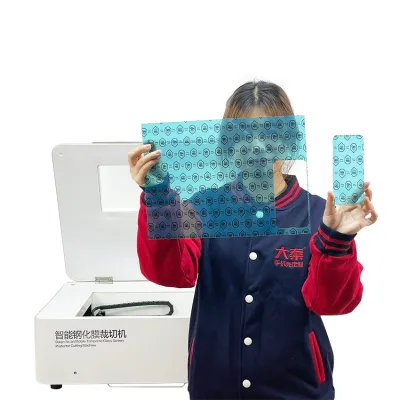
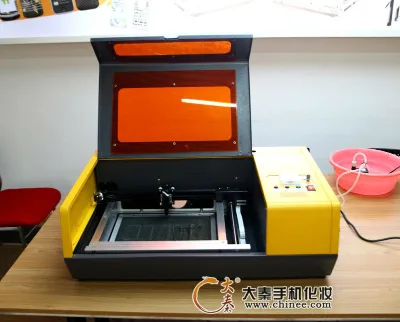
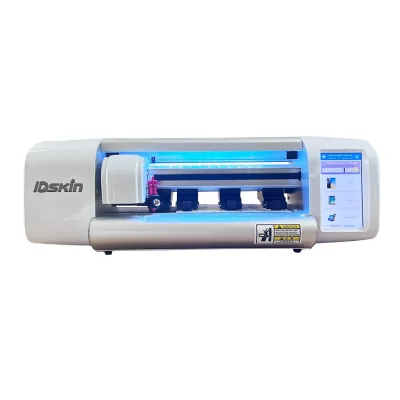
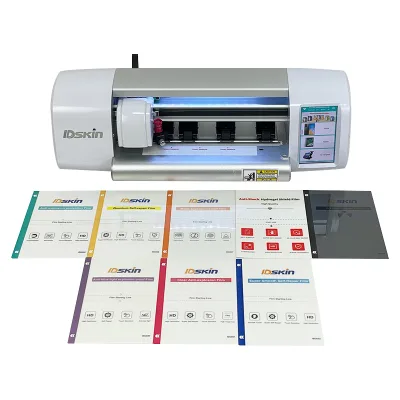
Custom Stickers Mobile Phone Back Membrane Screen Protector Cutter Cutting Machine
$265.4682 - $275.8789
MOQ: 1 sets
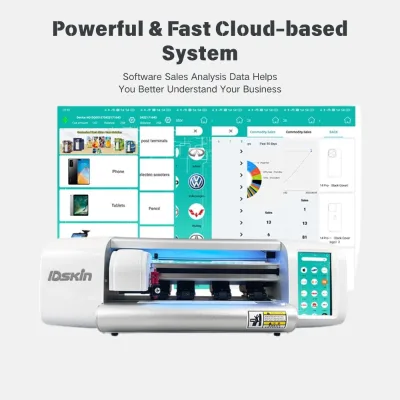
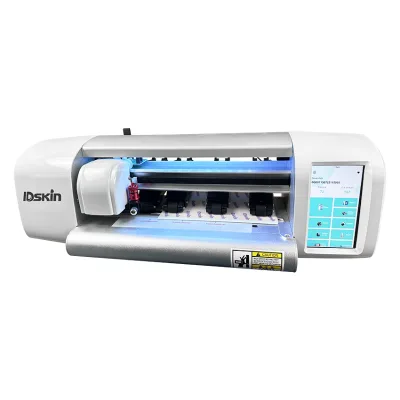


High Speed Mobile Film Cutter Hydrogel Screen Protector Cutting Machine
$280.00 - $295.00
MOQ: 10 Pieces
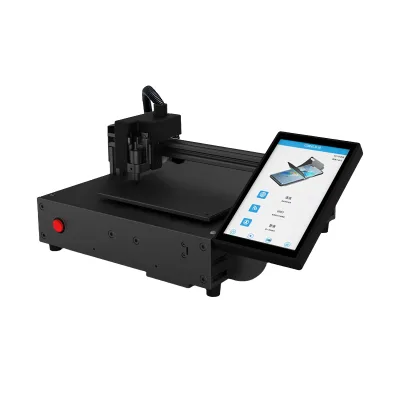
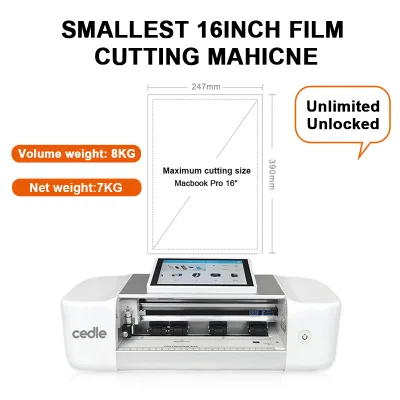
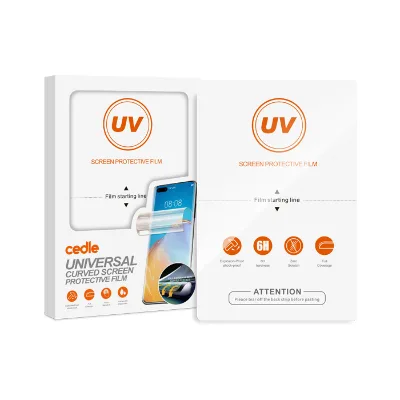
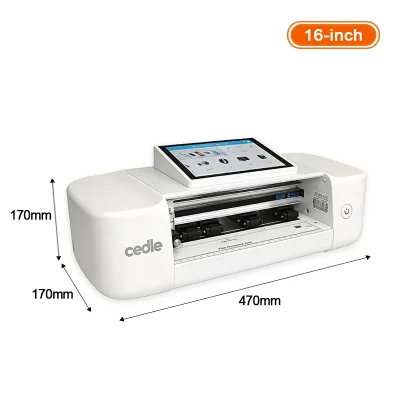

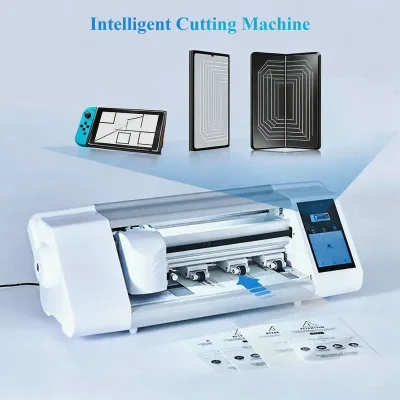
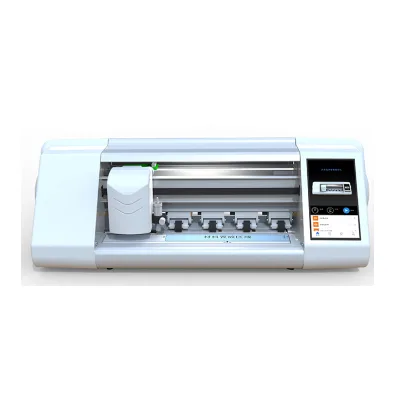
Comprehensive Sourcing Guide
Automatic Acrylic Screen Protector Cutter Sourcing Guide
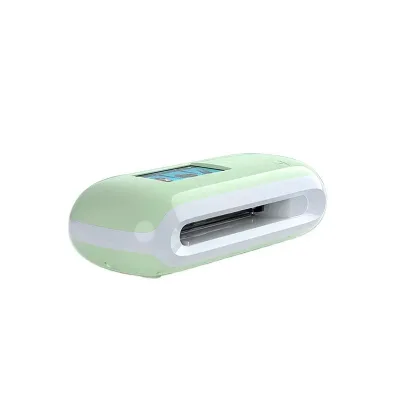
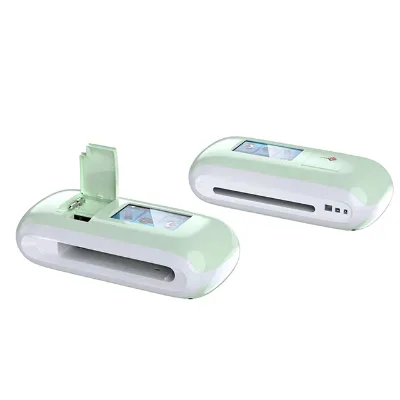
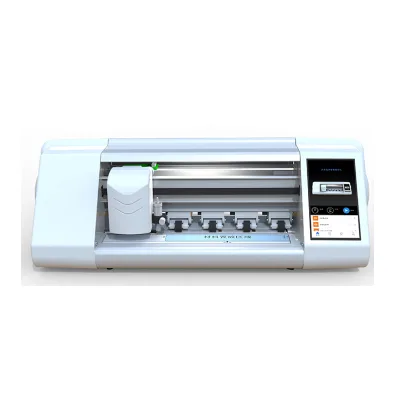
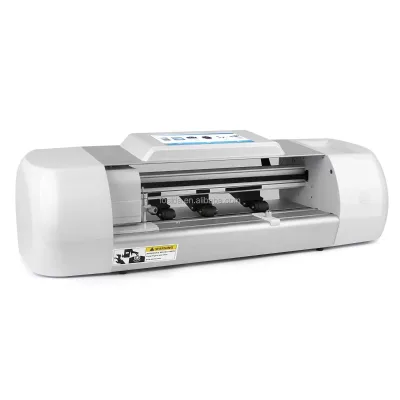
Sourcing an Automatic Acrylic Screen Protector Cutter requires careful evaluation of the machine’s structural design and operational capabilities. The market offers desktop-style units that are compact enough for small workshops or retail environments, often weighing between 18kg and 45kg depending on the specific model and included accessories. Buyers must distinguish between machines designed for continuous wave operations and those utilizing pulse laser technology, as this distinction significantly impacts cutting precision and material compatibility. The observed product range includes models with water cooling systems, which are essential for maintaining stability during extended cutting sessions, particularly when processing materials like PET or acrylic films.
Procurement decisions should also account for the software integration and control systems embedded within these devices. Many listings indicate that the package includes specialized software for screen protector cutting, allowing for precise vector-based designs and automated cutting paths. This integration is crucial for achieving the high precision required for modern smartphone and tablet screen protectors. Buyers should verify the language support of the interface, as options typically include English and Chinese, ensuring that operators can navigate the system effectively without language barriers. Additionally, the voltage requirements, often listed as 110V or 220V, must match the local electrical infrastructure to prevent equipment damage or operational inefficiencies.
Product Scope and Observed Listing Signals
The product scope for automatic screen protector cutters encompasses a variety of models designed for different production scales and material types. Observed listings frequently highlight machines compatible with universal screen sizes, making them versatile for businesses that service multiple device brands. The core functionality often revolves around laser control fault cutting or flame cutting technologies, which allow for intricate designs and clean edges on thin films. Some models are marketed with specific features such as waterproof characteristics or creative styling, appealing to niche markets or specialized manufacturing needs. The inclusion of materials in the parcel, such as PET films, suggests that some suppliers offer starter kits or bundled solutions for immediate production readiness.
Buyers should note the diversity in technical classifications, ranging from free electron lasers to standard pulse lasers, which may indicate different levels of sophistication and cost. The observed price range is broad, reflecting variations in power output, cutting area, and additional features like logo printing capabilities or anti-glare film processing. Some units are described as having ultra-low viscosity adhesive properties or high viscosity options, suggesting that the machine may be part of a larger ecosystem that includes material handling or application tools. It is critical to verify whether the machine is intended solely for cutting or if it supports additional processes like polishing or edge finishing, as this affects the overall utility of the investment.
Technical Specifications to Verify
When evaluating technical specifications, the maximum cutting area is a primary consideration, with observed models supporting areas such as 210mm by 297mm, which covers standard A4 paper size and many common screen dimensions. Buyers must confirm the power output, which can range from 200W to higher capacities, as this directly influences the speed and quality of the cut. The total weight of the equipment, observed between 18kg and 45kg, impacts installation requirements and portability, especially for mobile service providers or pop-up retail setups. It is essential to verify the cooling system type, with water cooling being a common feature in higher-end models to ensure consistent performance and longevity of the laser source.
Compatibility with various screen sizes and brands is another critical technical aspect. Listings often claim universal compatibility, but buyers should verify the software’s ability to handle specific device profiles and screen resolutions. The adhesive classification, whether rubber or silica gel, may influence the type of films the machine can process effectively, so understanding the material constraints is vital. Additionally, the presence of training videos and after-sales support services should be confirmed, as these resources are crucial for minimizing downtime and ensuring operators can utilize the machine’s full potential. The inventory status, often listed as in stock, can affect lead times, so immediate availability should be cross-checked with the supplier’s current stock levels.
Compliance and Safety Documentation
Compliance with international standards is a non-negotiable aspect of sourcing industrial laser equipment. Buyers should request documentation confirming adherence to CE marking requirements, which is frequently cited in product listings and indicates conformity with health, safety, and environmental protection standards for products sold within the European Economic Area. While some background context mentions ISO9001:2015 or RoHS certifications, these should be treated as potential attributes rather than guaranteed facts. Procurement teams must verify the current validity of these certificates and ensure they cover the specific model being purchased, as certifications can be model-specific and subject to periodic renewal or audit.
Safety documentation should also include detailed user manuals and risk assessments related to laser operation. Given the potential hazards associated with laser cutting, including eye damage and fire risks, it is imperative that the supplier provides comprehensive safety guidelines and protective equipment recommendations. Buyers should inquire about the laser classification of the machine, as this determines the necessary safety enclosures and operational protocols. Additionally, verifying the electrical safety standards, such as proper grounding and voltage regulation features, is essential to prevent electrical hazards. Ensuring that the machine meets local regulatory requirements in the buyer’s country is equally important to avoid legal complications or import restrictions.
Cost Drivers and Commercial Terms
The cost of an automatic screen protector cutter is influenced by several factors, including the laser type, cutting area, and included software features. Observed price ranges vary significantly, reflecting differences in build quality, brand reputation, and technological sophistication. Buyers should consider the total cost of ownership, which includes not only the initial purchase price but also ongoing costs such as maintenance, replacement parts, and consumables like cutting films or gases. The inclusion of materials in the initial parcel, such as PET films, can provide short-term savings but may not reflect the long-term cost of production. It is advisable to request a detailed breakdown of costs to understand what is included in the base price and what constitutes additional charges.
Commercial terms, such as minimum order quantity (MOQ) and shipping methods, also play a crucial role in the procurement process. While some listings indicate an MOQ of 1, others may have higher thresholds for certain models or configurations. Shipping is typically handled by express companies via air freight, which affects both lead times and shipping costs. Buyers should negotiate clear terms regarding packaging, insurance, and liability during transit. Additionally, the availability of sample lead times, often cited as 1-3 days, can be leveraged to test the machine’s performance before committing to a larger order. Understanding these commercial dynamics helps in budgeting accurately and planning the supply chain effectively.
Supplier Qualification and Quality Control
Supplier qualification is a critical step in ensuring the reliability and performance of the purchased equipment. Buyers should verify the supplier’s manufacturing capabilities, including their production facilities and quality control processes. While some listings mention origins in Beijing or other parts of China, it is essential to confirm the actual manufacturing location and the supplier’s track record in producing laser cutting machines. Requesting references or case studies from existing customers can provide insights into the supplier’s reliability and after-sales support quality. Additionally, verifying the supplier’s ability to provide customization services, as indicated in some listings, can be beneficial for businesses with specific operational needs.
Quality control measures should be clearly defined and agreed upon before placing an order. This includes pre-shipment inspections, functional testing of the laser system, and verification of software compatibility. Buyers should insist on a comprehensive testing protocol that covers cutting precision, speed, and consistency across different materials. It is also advisable to establish a clear warranty policy and service level agreement (SLA) that outlines the supplier’s responsibilities in case of equipment failure. Ensuring that the supplier provides adequate training and technical support is crucial for maintaining operational efficiency and minimizing downtime. Regular communication with the supplier can help address any issues promptly and maintain a productive business relationship.
Long-Term Procurement Checks
Long-term procurement success depends on establishing robust checks and balances for ongoing supplier performance and equipment maintenance. Buyers should implement a regular review process to assess the machine’s performance against initial specifications, including cutting accuracy, speed, and reliability. Monitoring the frequency of maintenance requirements and the cost of spare parts can help in budgeting for long-term operations. It is also important to stay updated on any software updates or firmware improvements that the supplier may offer, as these can enhance the machine’s capabilities and security. Establishing a direct line of communication with the supplier’s technical support team can facilitate quicker resolution of any issues that arise.
Additionally, buyers should periodically re-evaluate the market for new technologies or improved models that may offer better efficiency or lower operating costs. This proactive approach ensures that the procurement strategy remains aligned with business goals and technological advancements. Keeping detailed records of all transactions, communications, and maintenance activities can provide valuable insights for future negotiations and decision-making. By maintaining a strategic focus on long-term value rather than just initial cost, buyers can maximize the return on investment from their automatic screen protector cutter and ensure sustained operational success.
FAQs
What is the maximum cutting area for this machine?
The maximum cutting area is 210mm by 297mm for this specific desktop unit. This size accommodates standard screen protector materials like PET film. It is designed for precise cutting of mobile phone and tablet screens without requiring large industrial floor space.
Can the machine operate on different voltage standards?
Yes, the equipment supports both 110V and 220V voltage inputs for global compatibility. This flexibility allows the machine to function in various regions without needing external transformers. Users should verify their local power supply before installation to ensure safe operation.
Which materials are suitable for this screen cutter?
The device is suitable for cutting PET material commonly used for screen protectors. It handles various adhesive classifications including rubber and silica gel types. The machine is designed to work with clear and anti-glare films for multiple electronic device categories.
How long does it take to receive a sample?
The sample lead time is typically one to three days for this product. This rapid turnaround allows buyers to evaluate the machine quality quickly. Buyers should confirm current stock availability as the item is listed as being in stock for immediate dispatch.
What customization options are available for this equipment?
Customization is available for this automatic screen cutter to meet specific buyer needs. The product supports logo printing options though some units may come without logos. Buyers can request specific configurations for software or cutting parameters to suit their production requirements.
What is the total weight of the desktop unit?
The total weight of the desktop unit is 45kg for the standard configuration. Some models may weigh 18kg depending on the specific specifications and included components. This weight ensures stability during operation while remaining manageable for relocation within a facility.
Which certifications does the product hold?
The product holds CE certification as a standard compliance requirement for this equipment. This ensures the machine meets essential safety and performance standards for operation in various markets. Buyers should verify specific certification documents provided by the supplier for their region.