Source Automatic Biodegradable Carrier Bag Machine for Shopping, Retail, and Waste Collection
Compare 30 listings for the Automatic Biodegradable Carrier Bag Machine to find suitable options for HDPE t-shirt bags, non-woven bags, and plastic film production. Evaluate specifications like sealing type, voltage, and cutting speed from suppliers in Ruian, China.
Key considerations
Products List


Full Automatic Two Line Handle Biodegradable Carrier Bag Making Machine
$20000.00 - $25000.00
MOQ: 1 Pieces


$13000.00 - $19000.00
MOQ: 1 Set


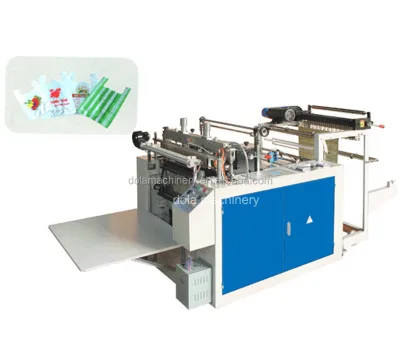

High Speed Automatic Biodegradable Poly Carrier Bag Machine for Sale Price
$14600.00 - $15000.00
MOQ: 1 Sets

600PCS Per Minute Plastic Shopping Bag Biodegradable Carry Bags Manufacturing Machine
$10000.00 - $30000.00
MOQ: 1 Sets


High Speed Double Line Biodegradable Bag Carrier Bag Plastic Bag Cutting Machine Price
$10000.00 - $30000.00
MOQ: 1 Sets


Plastic PE HDPE LDPE Biodegradable Carrier Shopping T-Shirt Bag Making Machine
$8000.00 - $15000.00
MOQ: 1 Sets


Automatic Biodegradable Plastic Bags Manufacturing Machine Making Bags Plastic
$12000.00 - $15500.00
MOQ: 1 Sets


100% Compostable Carrier Plastic Biodegradable T-Shirt Bags Making Machine Price
$10000.00 - $15000.00
MOQ: 1 Pieces

Price Biodegradable Plastic Garbage Water Plastic T Shirt Carry Package Bag Making Machine
$15000.00 - $20000.00
MOQ: 1 Pieces

High Speed Automatic Corn Starch Bag Biodegradable Carry Bag Making Machine
$7500.00 - $12000.00
MOQ: 1 Pieces
Comprehensive Sourcing Guide
Strategic Sourcing Guide for Automatic Biodegradable Carrier Bag Machines
Understanding Machine Capabilities and Core Technical Specifications
When sourcing an Automatic Biodegradable Carrier Bag Machine, buyers must first distinguish between the specific film types and bag formats the equipment is designed to handle. The market offers a diverse range of machinery, from single-channel units to high-speed double-line systems. A critical observation in the current supply landscape is the variation in sealing and cutting technologies. Some units are engineered with heat-sealing and heat-cutting mechanisms, ideal for specific thermoplastic films, while others utilize a combination of heat-sealing and cold-cutting to preserve the integrity of sensitive biodegradable materials. The choice between these mechanisms directly impacts the final bag quality and the machine's suitability for specific resin types like HDPE, LDPE, or LLDPE, including recycled variants.
The physical dimensions and production speed of the machine are equally vital. Specifications observed in the market indicate a wide range of operational parameters. For instance, certain models support a maximum bag width of 400mm per line, with dual-line configurations effectively doubling output capacity. Bag length capabilities typically span from 100mm to 1200mm, allowing for significant flexibility in product sizing. Speed is another defining characteristic; high-speed models are available with cutting rates reaching up to 220 pieces per minute per line, though some configurations may operate at lower speeds depending on the complexity of the bag design. Buyers should verify if the machine supports continuous rolled film or requires specific film loading methods, as some units are not designed for continuous roll feeding.
Electrical requirements vary significantly across different manufacturers and models. While some machines operate on standard 220V single-phase power, others require 380V three-phase industrial power to drive high-torque servo motors. The presence of a servo motor is a key indicator of precision control, allowing for accurate tension management and consistent bag formation. Furthermore, the automation level is a crucial differentiator. Modern units are often fully computerized, featuring PLC (Programmable Logic Controller) systems that manage the entire production cycle. These systems are frequently manufactured domestically in regions like Zhejiang, China, and are integrated to ensure seamless operation of the bag forming, sealing, and cutting processes.
Compliance, Certification, and Regulatory Standards
Navigating the compliance landscape for biodegradable bag machinery requires a rigorous verification of certifications and adherence to international standards. While the machinery itself is a piece of industrial equipment, its ability to produce compliant bags depends on the machine's precision and the buyer's adherence to end-product standards. In the current market, several manufacturers provide machines that meet CE (Conformité Européenne) standards, which is a mandatory requirement for selling equipment within the European Economic Area. Additionally, ISO 9001 certification is frequently cited as a marker of quality management systems within the manufacturing facility, ensuring that the production process of the machine itself is standardized and reliable.
For buyers targeting markets with strict environmental regulations, the verification of standards such as ASTM D6400 or EN 13432 is essential. However, it is important to note that these standards typically apply to the biodegradability of the final plastic product rather than the machine's mechanical operation. Buyers must understand that while a machine may be capable of processing biodegradable films, the resulting bag's certification depends on the specific resin blend and the production conditions maintained by the machine. Therefore, the presence of CE, SGS, or ISO 9001 on the machine documentation confirms the equipment's safety and quality management but does not automatically certify the biodegradability of the output.
The origin of the machine plays a significant role in compliance. Most high-volume suppliers are located in the Ruian and Wenzhou regions of Zhejiang Province, China, a hub known for plastic machinery manufacturing. When evaluating these suppliers, buyers should request specific documentation regarding the machine's compliance with local and international safety standards. The "Made in China" designation for PLC components is common, but the overall system integration must meet the safety protocols of the buyer's target market. Buyers should explicitly verify if the machine's electrical components and safety guards meet the specific regulatory requirements of their region, as this can vary between North America, Europe, and Asia.
Cost Drivers and Pricing Structure Analysis
The pricing of automatic biodegradable carrier bag machines is influenced by a complex interplay of factors, including machine type, automation level, and production capacity. The observed price range in the market is substantial, spanning from approximately $3,867 to $500,000. This wide disparity is not arbitrary but reflects the fundamental differences in machine architecture. Entry-level models, often single-channel units with basic computerized controls, occupy the lower end of the spectrum. These machines are suitable for small-scale operations or startups focusing on specific niche markets.
Conversely, high-end models featuring double-line configurations, advanced servo motor systems, and comprehensive PLC automation command prices at the upper end of the range. The cost is driven by the complexity of the sealing and cutting mechanisms, the precision of the bag forming process, and the overall build quality. For instance, a machine designed for high-speed production with a cutting speed of over 200 pieces per minute per line will inherently cost more than a slower, manual-assist model. Additionally, the inclusion of specific features such as heat-sealing and cold-cutting capabilities, or the ability to handle recycled film materials, adds to the manufacturing cost and, subsequently, the purchase price.
Minimum Order Quantity (MOQ) is another critical cost factor. In the current market, many suppliers offer an MOQ of just one unit, making it accessible for individual buyers to procure a single machine without the need for bulk purchasing. This flexibility allows buyers to test the market or scale up gradually. However, buyers should be aware that while the unit price may be low, the total cost of ownership includes shipping, installation, and potential after-sales service fees. The "Hot Sale" and "Low Price" marketing claims often found in supplier listings should be treated as general observations rather than guaranteed fixed prices. Buyers must negotiate based on the specific configuration required, as customization options can significantly alter the final cost.
Typical Applications and Production Flexibility
The application scope of automatic biodegradable carrier bag machines is broad, catering to various retail and industrial needs. The primary application identified in the market is the production of HDPE T-shirt shopping bags. These machines are specifically engineered to handle the unique properties of high-density polyethylene, ensuring that the bags are durable yet flexible enough for commercial use. Beyond T-shirt bags, the technology extends to other formats, including non-woven bag making, which is increasingly popular for eco-friendly packaging solutions. The ability to produce bags with trilateral seals is a common feature, providing a robust closure that is essential for carrying heavy loads.
Flexibility in production is a key selling point for modern machinery. Buyers can often specify the bag length within a wide range, typically from 100mm to 1200mm, allowing for the creation of small pouches or large shopping bags on the same equipment. The machine's ability to handle different film materials, including HDPE, LDPE, and LLDPE, further enhances its versatility. Some models are even designed to process recycled film materials, aligning with the circular economy goals of many businesses. The customization options available, such as specific sealing modes and cutting types, allow manufacturers to tailor the machine to their specific production requirements.
The machine's application is also defined by its layer configuration. While single-layer machines are common for standard applications, double-layer options are available for producing more robust bags or those requiring specific barrier properties. This flexibility ensures that buyers can select a machine that matches their product portfolio, whether they are producing simple carrier bags or more complex packaging solutions. The "Fully Automatic Single-Channel" and "Double-Channel" configurations provide different levels of throughput, enabling businesses to scale their production capabilities as demand grows.
Supplier Evaluation and Geographic Considerations
Evaluating suppliers requires a focus on geographic concentration and reputation within the plastic machinery industry. The majority of high-confidence suppliers are located in the Ruian, Wenzhou, and Zhejiang regions of China. This area is recognized as a global hub for plastic machinery manufacturing, offering a dense ecosystem of component suppliers and specialized engineering talent. When selecting a supplier, buyers should prioritize those who can demonstrate a track record of exporting to their target markets and who provide comprehensive after-sales support.
The "Factory Direct" model is prevalent in this sector, with many suppliers marketing themselves as direct manufacturers. This approach can reduce costs and improve communication, but it requires careful verification of the supplier's actual manufacturing capabilities. Buyers should look for evidence of the supplier's major product lines, which often include blown film extruders, flexo printing machines, and various bag-making machines. A supplier that offers a complete range of equipment is more likely to have the technical expertise to support the specific needs of a biodegradable bag production line.
After-sales service is a critical component of supplier evaluation. The market highlights "Competitive Low Factory Price & Perfect" service as a key differentiator. This implies that buyers should expect support in installation, training, and maintenance. However, the specifics of this service, such as response times and spare parts availability, must be clarified during the negotiation process. Buyers should also verify the supplier's commitment to quality, as indicated by their adherence to standards like CE and ISO 9001. The presence of these certifications suggests a commitment to maintaining high manufacturing standards, which is essential for long-term reliability.
Quality Control and Long-Term Procurement Considerations
Ensuring the quality of the machine and the resulting bags is paramount for long-term procurement success. Quality control should begin with the verification of the machine's specifications against the buyer's requirements. Key attributes to inspect include the motor type, which should be a servo motor for precision, and the PLC system, which should be reliable and easy to program. The overall size of the machine, which can range from compact units to large installations measuring up to 9.6 meters in length, must be compatible with the buyer's facility layout.
Packaging and shipping are also critical aspects of quality control. Suppliers typically offer options such as film wrapping, seaworthy packaging, or wooden cases to protect the machine during transit. Buyers should ensure that the packaging is robust enough to prevent damage, especially for complex machinery with sensitive electronic components. The "Product Packing" specifications, such as "Film Wrapping" or "Wooden Case," should be clearly defined in the purchase agreement to avoid disputes upon delivery.
Long-term procurement considerations involve the machine's durability and the availability of spare parts. Given the high-speed nature of these machines, wear and tear on components like sealing bars and cutting blades is inevitable. Buyers should negotiate for a comprehensive spare parts package and ensure that the supplier has a reliable supply chain for replacement components. The "High Quality, Low Price, Hot Sale" claims should be backed by tangible evidence of the machine's performance and longevity. Finally, buyers should consider the scalability of the machine, ensuring that it can be upgraded or expanded as the business grows, thereby protecting the initial investment over the long term.
Comparative Analysis of Machine Configurations
To assist buyers in making informed decisions, the following table compares key configurations observed in the market. This comparison highlights the differences in speed, capacity, and specifications that influence the selection process.
| Feature | Single-Channel Model | Double-Channel Model | High-Speed Model |
|---|---|---|---|
| Max Bag Width | Up to 400mm | Up to 400mm * 2 | Up to 400mm * 2 |
| Max Bag Length | 100-1200mm | 100-1200mm | 100-1200mm |
| Cutting Speed | Variable | Up to 220 pieces/min * 2 | Up to 220 pieces/min * 2 |
| Sealing Type | Heat-Sealing | Heat-Sealing | Heat-Sealing / Cold-Cutting |
| Motor Type | Servo Motor | Servo Motor | Servo Motor |
| Voltage | 220V or 380V | 380V | 380V |
| Automation | Computerized | Computerized | Computerized |
| Typical Application | HDPE T-Shirt Bags | HDPE T-Shirt Bags | HDPE T-Shirt Bags |
| Overall Size | Varies (e.g., 4.8m) | Varies (e.g., 7.8m - 9.6m) | Varies (e.g., 9.6m) |
This comparison underscores the importance of aligning machine specifications with production goals. While single-channel models offer a cost-effective entry point, double-channel and high-speed models provide the throughput necessary for large-scale operations. The choice of sealing and cutting technology, as well as the voltage requirements, must be carefully matched to the buyer's specific film materials and facility infrastructure. By understanding these distinctions, buyers can select a machine that optimizes both efficiency and cost-effectiveness.
FAQs
What sealing and cutting technologies are available?
Machines typically use heat-sealing with either heat-cutting or cold-cutting options. Some models feature trilateral seals, while others support double-layer configurations for specific film types like HDPE or recycled materials.
Which voltage options do these machines support?
Available voltage configurations include 220V and 380V depending on the specific model. Buyers must verify the electrical requirements of their facility before selecting a unit to ensure compatibility with the servo motor system.
Can I customize the bag dimensions and production speed?
Yes, customization is available for bag lengths ranging from 100mm to 1200mm. Cutting speeds can reach up to 220 pieces per minute per line, allowing for flexible production of T-shirt bags or non-woven formats.
What certifications do the manufacturers typically hold?
Many machines comply with CE standards and ISO 9001 quality management systems. Suppliers often provide SGS certification as well, ensuring the equipment meets international safety and quality protocols for industrial use.
Where are the primary factories located for these machines?
Most high-volume suppliers are located in Ruian, Wenzhou, and Zhejiang, China. These regions serve as major manufacturing hubs for plastic machinery, offering direct factory access for blown film extruders and bag making equipment.
What is the minimum order quantity for purchasing a machine?
The minimum order quantity is typically one unit, allowing buyers to purchase a single machine without bulk requirements. This flexibility supports small-scale operations or initial market testing without significant inventory commitments.