Source Automatic Cable Wire Bundling Machine for Food, Beverage, and Apparel
Find 30 automatic cable wire bundling machines from verified suppliers. Compare specifications, prices, and customization options for food, beverage, and apparel applications. These units feature electric driven types, CE and RoHS certifications, and support various tying diameters up to 45 mm with customizable load weights.
Updated
Key considerations
Products List


Automatic with Precision Measurement Cable Cutting Winding Bundling Machine
$4085.00 - $4225.00
MOQ: 1 sets


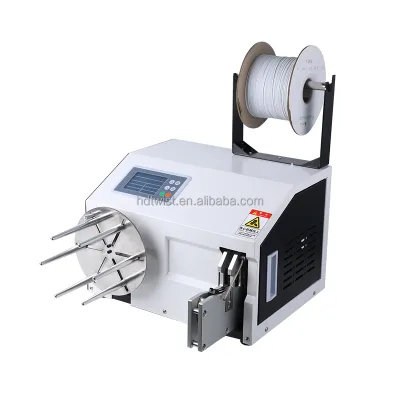

Wire Binding Machine Automatic Cable Bundling Machine with Nylon Automatic
$1300.00 - $1600.00
MOQ: 1 Sets
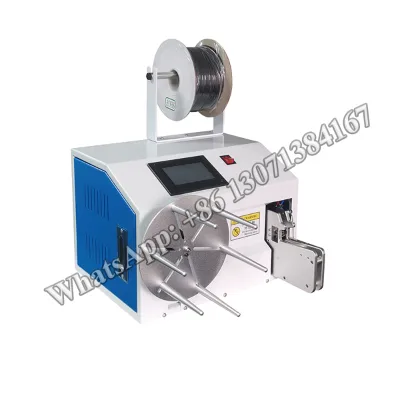
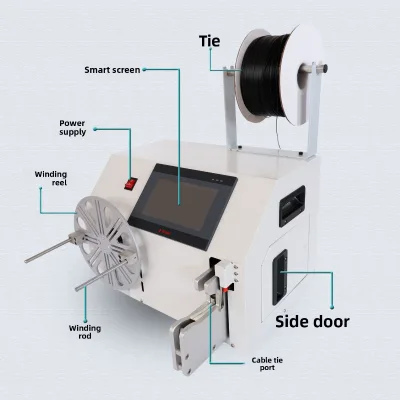
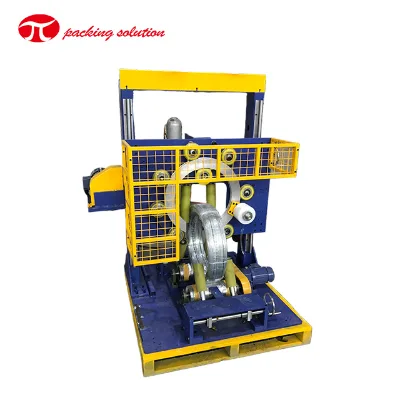
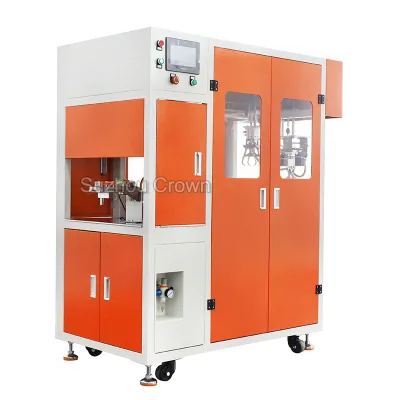
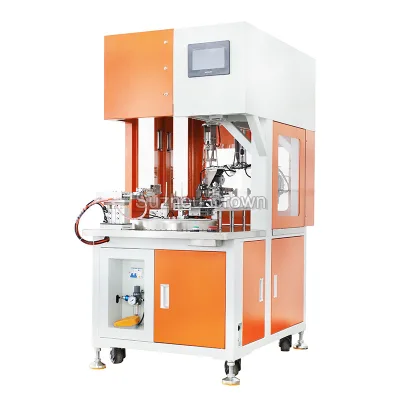
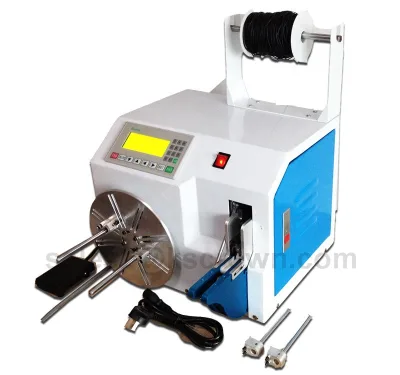


Hot Sales Wire Cable Round Shape Winding and Automatic Bundling Machine
$3500.00 - $4100.00
MOQ: 1 Sets

Automatic Wire Cable Length Measuring Coiling Winding and Bundling Machine
$1250.00 - $2000.00
MOQ: 1 Sets

Automatic Cable Winding and Tying Machine Cable Twisting Bundling Equipment
$3000.00 - $5000.00
MOQ: 1 Pieces

Fully Automatic Wind Wire Machine Cable Winding and Bundling Machine
$3500.00 - $8000.00
MOQ: 1 Pieces

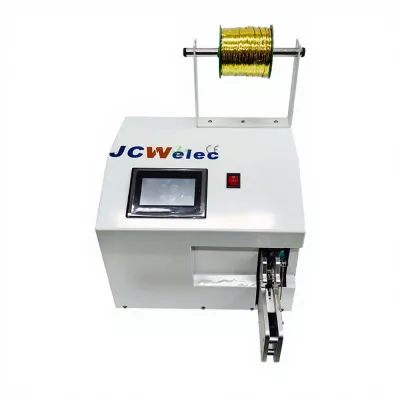
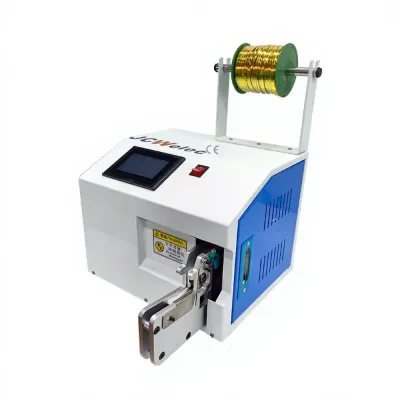
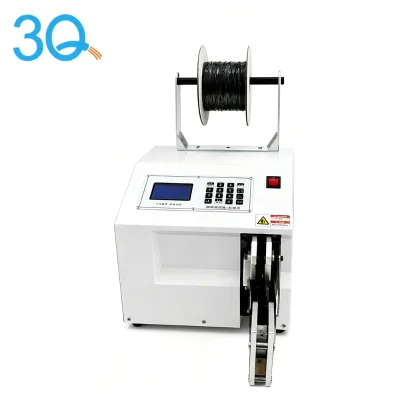


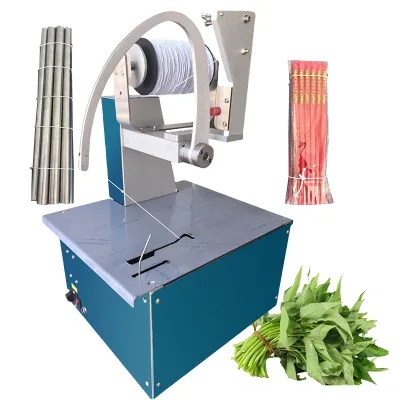
Comprehensive Sourcing Guide
Automatic Cable Wire Bundling Machine Sourcing Guide
Procuring an Automatic Cable Wire Bundling Machine requires a clear understanding of the specific tying mechanisms and material compatibility required for your production line. The market offers various models, such as the SA-LN30 and SA-C02-T, which differ significantly in their operational parameters and physical dimensions. Buyers must first determine whether their primary need is for high-speed electronic cable management or heavy-duty industrial strapping, as this distinction dictates the necessary motor power and structural integrity of the unit.
The observed product landscape indicates a strong presence of electric-driven units originating from China, with customization options available to meet specific throughput demands. It is critical to verify the maximum load weight capacity, which can range from standard limits up to customizable options like 15kg or 50kg, depending on the supplier's engineering capabilities. Understanding these baseline operational constraints ensures that the selected machine aligns with your facility's spatial and throughput requirements without necessitating costly retrofits later in the procurement cycle.
Product Scope and Observed Listing Signals
The current market listings reveal a diverse range of automatic and semi-automatic strapping solutions, with prices observed between $310 and $11,000 USD. This wide variance suggests that buyers are not limited to a single tier of equipment but can select from entry-level semi-automatic units to advanced fully automatic systems. The minimum order quantity (MOQ) is consistently observed at one unit, indicating that suppliers are flexible and willing to accommodate single-unit purchases for pilot testing or small-scale production needs.
Key selling points frequently highlighted include ease of operation and the ability to handle various materials, including plastic, paper, and elastic rubber rope. The finished product outer diameter is typically limited to less than 350 mm, while inner diameters range from 50 to 280 mm, providing clear boundaries for the types of cable bundles or tubes that can be processed. Buyers should carefully review these dimensional constraints to ensure compatibility with their existing packaging workflows and product specifications.
Technical Specifications to Verify
When evaluating technical specifications, the power supply requirements are a critical factor, with most units operating on 110/220VAC at 50/60Hz. This dual-voltage capability offers flexibility for international deployment, but buyers must confirm the specific electrical configuration of the unit they intend to purchase. Additionally, the operating temperature range of 0-45°C defines the environmental conditions under which the machine can function optimally, necessitating climate-controlled environments in extreme climates to prevent performance degradation.
The production rate is another vital metric, with some models achieving up to 1,200 pieces per hour based on wire materials. Buyers should verify the tying diameter range, which typically spans from 18 to 45 mm, to ensure the machine can handle the specific cable sizes in their inventory. Furthermore, the reserved head length should be checked, with some specifications indicating a maximum of 150 mm, which impacts the aesthetic and functional quality of the final bundled product.
Compliance and Safety Documentation
Compliance with international standards is essential for safe operation and market access, with CE and RoHS certifications being the most commonly observed credentials. These certifications indicate that the machine meets European safety and environmental standards, which is crucial for buyers exporting to or operating within regulated markets. Buyers should request valid certification documents from suppliers to verify that the specific model they are purchasing has undergone the necessary testing and approval processes.
In addition to certifications, machinery test reports are often provided by suppliers, offering insights into the machine's performance under controlled conditions. Buyers should review these reports to assess the reliability of core components, such as the engine, and to understand the machine's durability over time. Ensuring that these documents are up-to-date and specific to the model in question helps mitigate the risk of purchasing non-compliant or unsafe equipment.
Cost Drivers and Commercial Terms
The cost of an Automatic Cable Wire Bundling Machine is influenced by several factors, including the level of automation, material quality, and customization options. Semi-automatic units tend to be more affordable, while fully automatic systems with higher throughput capabilities command premium prices. Buyers should consider the total cost of ownership, including maintenance, spare parts, and energy consumption, rather than focusing solely on the initial purchase price.
Warranty terms are a significant component of the commercial agreement, with most suppliers offering a one-year warranty on their products. This warranty typically covers defects in materials and workmanship, providing buyers with a safety net against early failures. Buyers should clarify the scope of the warranty, including whether it covers labor costs for repairs and the availability of replacement parts, to ensure they are adequately protected against unexpected downtime.
Supplier Qualification and Quality Control
Supplier qualification is a critical step in the procurement process, requiring buyers to assess the supplier's manufacturing capabilities and quality control systems. Buyers should verify the supplier's production capacity, which can range from 1 second per time for certain operations, to ensure they can meet your volume requirements. Additionally, checking the supplier's history of providing machinery test reports and other quality documentation helps gauge their commitment to product reliability.
Quality control measures should be integrated into the procurement process, with buyers requesting video outgoing inspections if available. Although some listings indicate that video inspections are not available, buyers can still request detailed photos or third-party inspection reports to verify the machine's condition before shipment. Establishing clear quality expectations and verification steps helps prevent disputes and ensures that the delivered machine meets your operational standards.
Long-Term Procurement Checks
Long-term procurement success depends on the availability of after-sales support and spare parts, which are essential for maintaining machine uptime. Buyers should inquire about the supplier's support network, including the availability of technical assistance and the lead times for delivering replacement components. A robust support system ensures that any issues can be resolved quickly, minimizing production disruptions and extending the machine's operational lifespan.
Regular maintenance and periodic performance reviews are also crucial for long-term efficiency. Buyers should establish a maintenance schedule based on the manufacturer's recommendations and monitor key performance indicators, such as production rate and tying quality, to detect any deviations early. By proactively managing the machine's health and staying engaged with the supplier, buyers can maximize the return on their investment and ensure consistent performance over time.
FAQs
What certifications do automatic cable wire bundling machines have?
These machines typically hold CE and RoHS certifications to ensure compliance with international safety and environmental standards. This verification confirms that the equipment meets necessary regulatory requirements for operation in various global markets, providing buyers with confidence in the product's safety and quality assurance protocols.
Can automatic cable wire bundling machines be customized?
Yes, customization is available for many models to suit specific production needs. Buyers can often adjust parameters such as the maximum load weight, which may be customized to handle loads up to 15kg or 50kg, ensuring the machine fits unique operational requirements and material specifications.
What is the warranty period for these machines?
The standard warranty period is generally 12 months or 1 year. This coverage typically includes support for core components like the engine, ensuring that buyers receive assistance with maintenance and repairs during the initial operational phase, thereby reducing downtime and protecting the initial investment in the equipment.
How much does an Automatic Cable Wire Bundling Machine cost?
Prices for these machines typically range from 310 to 11,000 USD. The final cost depends on the specific model, automation level, and included features. Buyers should request detailed quotes to understand how different specifications and customization options impact the overall pricing structure for their specific procurement needs.
What is the minimum order quantity for these machines?
The minimum order quantity is often 1 unit, allowing for flexible purchasing options. This low MOQ enables businesses to test the equipment or purchase single units for specific production lines without committing to large bulk orders, making it accessible for small to medium-sized enterprises seeking automation solutions.
Where are automatic cable wire bundling machines manufactured?
These machines are primarily manufactured in China. Sourcing from this region offers access to a wide variety of models and suppliers. Buyers should verify specific factory locations and production capabilities to ensure alignment with their supply chain requirements and quality standards when selecting a vendor for their equipment needs.