Source Automatic Electric Cake Cream Injector for Bakeries
Explore 30 listings for the Automatic Electric Cake Cream Injector designed for commercial bakeries, central kitchens, and hotels. Buyers can compare specifications, pricing, and customization options to find the right equipment for their production needs.
Key considerations
Products List


High Qualtiy Cup Cake Cream Bread Cream Decorating Injector for Machine
$7400.00 - $7600.00
MOQ: 1 Pieces


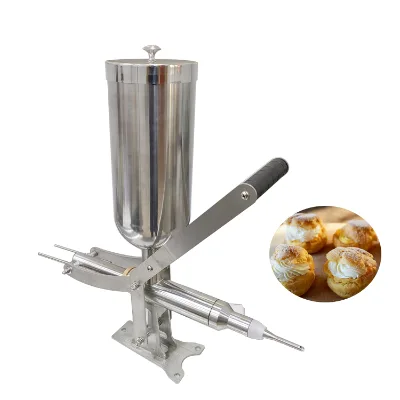
Manual Pastry Donut Cupcakes Bread Croissant Jam Chocolate Cream Cake Injector
$2400.00 - $2700.00
MOQ: 1 Pieces
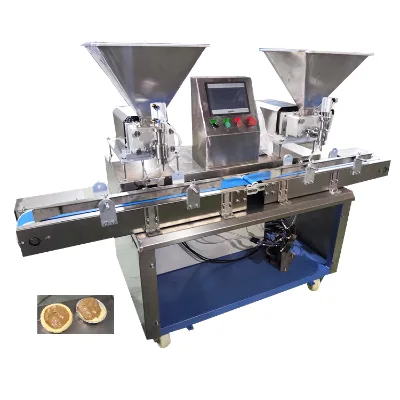


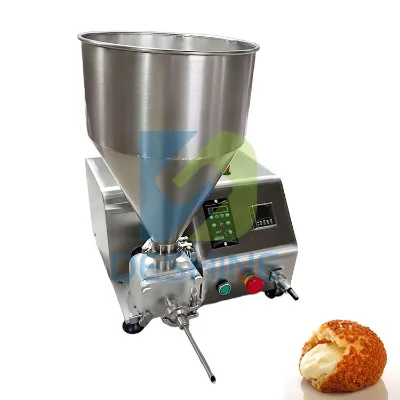
High Efficiency Bread Cream Injection Machine / Cake Cream Filling Machine
$3469.00 - $4509.00
MOQ: 1 Sets

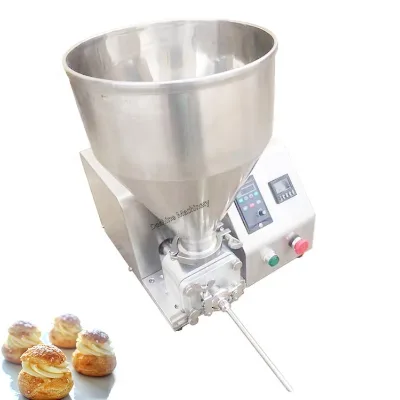


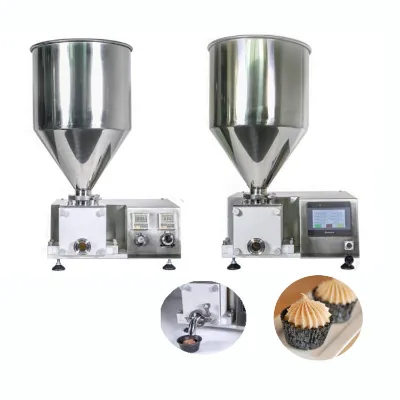
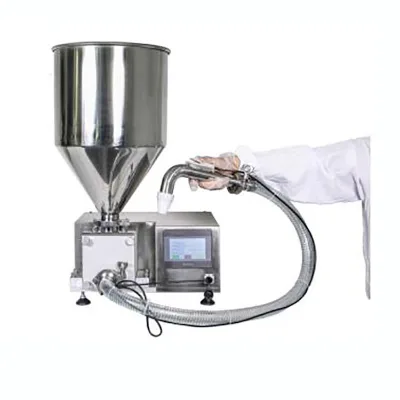
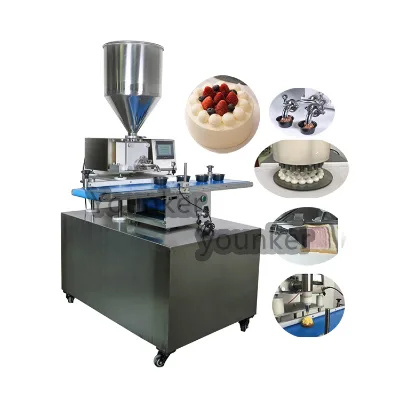

Automatic Cream /Fruit Jam Injector for Bread or Cake, Bread Cream Injector Machine
$9500.00 - $12500.00
MOQ: 1 Pieces

Commercial Bread Cake Chocolate Cream Sauce Jam Cheese Butter Injector
$9466.00 - $9600.00
MOQ: 1 Pieces

Automatic Bakery Bread Bun Cake Fruit Paste Chocolate Jam Sacue Cream Injector
$9500.00 - $10000.00
MOQ: 1 Pieces


Automatic Horizontal Injector for Bread, Jam Cream Jelly Chocolate Bread Filling Machine
$9500.00 - $11000.00
MOQ: 1 Pieces

Automatic Cream Injector Donut Cakes Cream Injecting Filling Machines
$1400.00 - $1650.00
MOQ: 1 Pieces

Automatic Round Cake Cream Coating Filling Machine Cake Injection Filling Machine
$8000.00 - $8100.00
MOQ: 1 Pieces

Customized Multi-Head 2-Station Cream Filling Pastry Paste Filling Injector
$4600.00 - $5800.00
MOQ: 1 Pieces
Comprehensive Sourcing Guide
Strategic Sourcing Guide for Automatic Electric Cake Cream Injectors
Understanding the Technical Landscape of Automated Filling Systems
When sourcing an Automatic Electric Cake Cream Injector, buyers must first navigate the specific technical configurations that define modern industrial filling equipment. The market offers a range of models, from specialized units like the Ex260 Jam Side Filling Injector to broader categories such as the E400-1 and E600-1 Cake Filling Machines. These machines are fundamentally designed for high-volume production environments, including food factories, central kitchens, cafeterias, and large-scale hotels. The core functionality revolves around precise stuffing and filling operations, specifically targeting jam, cream, and other viscous fillings for products like bread, donuts, croissants, puffs, and stuffed pastries.
A critical technical differentiator is the power configuration. While many units operate on standard 220V electric power sources, the specific wattage varies significantly by model and capacity. Observations indicate power ratings ranging from 1.0-1.5kw up to 1.6kw. For instance, the Ex260 model is documented with a 1.6kw power rating, whereas other variants in the E-series may operate between 1.0kw and 1.5kw. This variance directly impacts energy consumption and compatibility with existing facility electrical grids. Buyers must verify the exact voltage and power requirements against their site specifications before procurement.
The mechanical output and capacity are equally vital. Production speeds can vary based on the specific machine configuration and the product being filled. Some units are rated for 4,000 pieces of cupcakes per hour, while others focus on tray-based throughput, capable of handling 300 to 400 trays per hour. The filling mechanism itself often utilizes a timing device to ensure consistency, with injection speeds recorded at approximately 7 times per minute for cream injection. The number of nozzles is another key specification; systems may feature single or double nozzle configurations, with some high-capacity models equipped with six filling nozzles to maximize output. The physical dimensions of the equipment also vary, with standard sizes observed around 2280mm1300mm1680mm or more compact variants like 158011701480mm. Understanding these dimensional constraints is essential for factory floor planning and logistics.
Compliance, Certification, and Core Component Verification
In the realm of food processing machinery, compliance and component reliability are paramount. While specific certification statuses such as CE or ISO9001 are often cited in the broader industry, buyers should treat these as verification points rather than guaranteed attributes for every listed unit. The procurement process must include a rigorous request for documentation to confirm that a specific supplier's machine meets the safety and quality standards required by the buyer's local regulations and the destination market.
The internal architecture of these injectors relies heavily on core components that dictate longevity and precision. The most critical elements identified in the current market data include the Programmable Logic Controller (PLC), bearings, and gears. The PLC serves as the brain of the operation, managing the timing device and ensuring the automated cycle runs smoothly. High-quality bearings and gears are essential for the mechanical movement of the filling nozzles and the conveyor systems. Buyers should explicitly request a bill of materials or a component list to verify the brands and grades of these parts. Inferior bearings or gears can lead to premature failure, increased maintenance costs, and inconsistent filling volumes.
Furthermore, the standardization of the machine's construction is a key indicator of quality. The physical standards, often defined by the machine's footprint and structural integrity, should be clearly documented. For example, standard dimensions are frequently listed in millimeters, but the structural robustness must be verified against the intended load. The net weight of the machines provides a rough proxy for build quality, with observations ranging from 165kg to 330kg. A heavier machine often implies a more substantial frame, which can reduce vibration during high-speed operation, thereby improving filling accuracy. However, weight alone is not a definitive quality metric; it must be considered alongside the material specifications of the frame and the precision of the internal components.
Cost Drivers and Pricing Dynamics in Industrial Filling Equipment
The pricing structure for automatic electric cake cream injectors is complex and influenced by several dynamic factors. The observed market price range is exceptionally broad, spanning from approximately $233.61 to $180,000. This vast disparity is not indicative of a single product tier but rather reflects the spectrum from basic manual-assist units to fully automated, high-capacity industrial lines. The "Good Price" is frequently noted as "to be negotiated," suggesting that the listed prices are often starting points or indicative values rather than fixed retail costs.
Several primary drivers influence the final cost of these machines. First is the level of customization. While some units are described as "Customized" or "Non-Customized," the ability to tailor the machine to specific product shapes, filling volumes, or production line integration significantly impacts the price. Customization often involves modifying the nozzle configurations, adjusting the volume capacity (ranging from 35L to 60L), or altering the plate sizes (such as 400600mm or 450750mm). Second, the power output and motor quality are cost factors; a 1.6kw motor with a high-precision PLC will command a higher price than a 1.0kw unit with basic controls.
Third, the packaging and shipping logistics play a role in the total landed cost. The standard packing method is typically wooden packing, which is robust for international shipping but adds to the overall weight and volume. The origin of the product, often cited as Guangdong, China, influences the base manufacturing cost, but the final price is heavily dependent on the supplier's margin, the volume of the order, and the specific negotiation terms. Buyers should be aware that the Minimum Order Quantity (MOQ) is often as low as 1 unit, which can affect the per-unit pricing strategy. A single unit purchase might carry a higher premium compared to a bulk order, even if the MOQ is technically one.
Operational Applications and Production Efficiency
The versatility of automatic electric cake cream injectors makes them suitable for a wide array of applications across the food industry. The primary use case is the filling of various baked goods, including cakes, donuts, croissants, and puffs. The machines are designed to handle different filling types, from liquid creams to thicker jams and custards. The specific application determines the required machine configuration. For instance, a central kitchen producing 300 trays of sheet cakes per hour will require a different setup compared to a factory producing 4,000 cupcakes per hour.
Efficiency gains are a major selling point for these automated systems. The primary advantage cited is the significant reduction in labor costs. By automating the filling process, manufacturers can reduce the reliance on manual labor, which is not only more expensive but also prone to human error and inconsistency. The timing device ensures that each pastry receives the exact same amount of filling, which is crucial for product quality and cost control. The output capacity, whether measured in pieces per hour or trays per hour, allows for scalable production.
The machine's ability to handle different product types is another operational benefit. The E400-1 and E600-1 models, for example, are designed to accommodate various tray sizes and product dimensions. This flexibility allows a single facility to switch between different product lines without needing to purchase entirely new equipment. The volume capacity of the filling tank, ranging from 35 to 60 liters, ensures that the machine can run for extended periods without frequent refilling, further enhancing operational efficiency.
Supplier Evaluation and Procurement Strategy
Selecting the right supplier for an Automatic Electric Cake Cream Injector requires a methodical approach. Buyers should prioritize suppliers who can provide transparent documentation regarding the core components, specifically the PLC, bearings, and gears. The origin of the machine, often Guangdong, China, is a common source, but the specific manufacturer's reputation and track record should be verified. Since the market allows for negotiation, buyers should be prepared to engage in detailed discussions regarding the final price, lead time, and after-sales support.
The lead time for these machines is a critical factor in procurement planning. A standard lead time of 30 days is observed in the market, but this can vary based on the level of customization and the supplier's current production load. Buyers must confirm the exact lead time before placing an order to ensure it aligns with their production schedules. Additionally, the packaging method, typically wooden packing, should be confirmed to ensure the machine arrives in good condition.
When evaluating suppliers, buyers should also consider the customization options available. While some machines are listed as "Non-Customized," many suppliers offer tailored solutions to meet specific production needs. The ability to customize the nozzle count, volume capacity, and plate size can be a decisive factor in the final selection. Buyers should request samples or detailed specifications for any customized features to ensure they meet their operational requirements.
Quality Control and Long-Term Procurement Considerations
Quality control is essential when purchasing industrial machinery. Buyers should implement a rigorous inspection process that includes verifying the physical dimensions, weight, and power specifications against the provided data. The net weight and gross weight of the machine are important for logistics and installation planning. For example, a machine with a net weight of 330kg requires different handling equipment than one weighing 165kg. The standard dimensions, such as 2280mm1300mm1680mm, must be confirmed to ensure the machine fits within the designated production space.
Long-term procurement considerations extend beyond the initial purchase. The availability of spare parts, particularly for core components like bearings and gears, is crucial for maintaining operational continuity. Buyers should inquire about the warranty period, the availability of technical support, and the supplier's policy on maintenance and repairs. The "Save Labor Cost" advantage is only realized if the machine operates reliably over the long term. Therefore, the quality of the build and the durability of the components are as important as the initial price.
Furthermore, the customization aspect should be viewed as a long-term investment. A machine that can be adapted to new product lines or filling requirements offers greater value over time. Buyers should ensure that the customization options are flexible enough to accommodate future changes in production needs. The wooden packing and standard dimensions should also be considered in the context of future relocation or expansion of the facility.
In conclusion, sourcing an Automatic Electric Cake Cream Injector requires a balanced approach that considers technical specifications, compliance, cost drivers, and long-term operational needs. By carefully evaluating the core components, verifying the specifications, and negotiating with suppliers, buyers can secure a machine that enhances production efficiency and meets their specific manufacturing requirements. The broad range of options available, from basic models to highly customized units, allows for a tailored solution that fits the unique needs of any food production facility.
FAQs
What is the power consumption of the Ex260 model?
The Ex260 Jam Side Filling Injector consumes 1.6kw of power. Other models in the E-series may operate between 1.0kw and 1.5kw depending on the specific configuration and capacity requirements.
Can the machine handle different types of pastries?
Yes, the machine is designed to fill bread, donuts, croissants, puffs, and stuffed pastries. It supports various filling types including jam and cream injection for diverse bakery products.
What is the typical lead time for delivery?
The standard lead time for these machines is 30 days. This duration may vary based on the level of customization required and the current production load of the supplier.
How many filling nozzles does the Ex260 have?
The Ex260 model is equipped with 6 filling nozzles. Other configurations may feature single or double nozzle setups depending on the specific model and production needs.
What is the minimum order quantity for purchase?
The minimum order quantity is 1 unit for most models. This allows buyers to purchase a single machine without needing to meet higher bulk order thresholds.
What are the core components used in the machine?
The core components include a PLC, bearings, and gears. These parts are essential for the timing device operation and the mechanical precision of the filling process.
Does the machine save labor costs?
Yes, a primary advantage of this equipment is saving labor costs. Automation reduces reliance on manual labor while ensuring consistent filling volumes for each pastry.