Source Automatic Electric Cold Glue Machine for Packaging, Machinery, and Textiles
Compare 30 listings for the Automatic Electric Cold Glue Machine suitable for packaging, machinery, and textiles. Buyers can evaluate specifications, prices, and customization options from verified suppliers in China; compare the available evidence and request quotations based on your requirements.
Key considerations
Products List


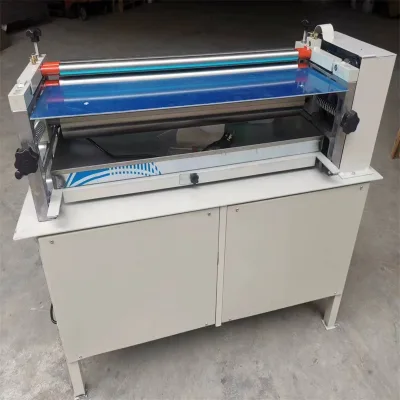


Hot Melt Glue Machine Hot and Cold Gluing Machine Paper Gluing Machines
$583.00 - $680.00
MOQ: 1 Pieces


Three-Axis Gluing Machine Suitable for Cold Glue High Quality and Durable
$3500.00 - $3700.00
MOQ: 1 set


High-Speed Cold Glue Application Machine for Efficient Packaging Operations
$4000.00 - $4200.00
MOQ: 1 Pieces


Comprehensive Sourcing Guide
Automatic Electric Cold Glue Machine Sourcing Guide
Procuring an Automatic Electric Cold Glue Machine requires a careful balance between operational efficiency and adhesive performance. These systems are designed to apply pressure-sensitive adhesives at room temperature, eliminating the need for heating elements that can degrade certain glue types. Buyers must evaluate the driven type, ensuring the electric motor provides consistent torque for high-speed applications. The automation level reduces manual labor, but the mechanical drive components must be robust enough to handle continuous duty cycles without overheating or slipping.
The choice of glue type is critical, with white glue being a common selection for paper and cardboard applications. This adhesive offers strong initial tack and dries clear, making it ideal for packaging and labeling industries. However, the machine’s gluing mode, whether wheel-based or spray, must match the viscosity and spread requirements of the specific product. Understanding the interaction between the electric drive, the mechanical gluing head, and the chemical properties of the cold glue ensures optimal bond strength and minimizes waste during production runs.
Product Scope and Observed Listing Signals
Market listings for these machines reveal a diverse range of configurations, from manual-assisted units to fully automated systems. Observed data indicates a wide price spectrum, reflecting variations in build quality, automation depth, and brand reputation. Buyers should note that while some listings specify automatic grades, others may describe manual or mechanical driven types, requiring careful verification of the actual control system. The presence of customization options suggests that manufacturers can tailor the machine to specific line speeds or glue application patterns, which is vital for integrating into existing production workflows.
Packaging and origin details provide additional context for logistics and quality expectations. Many units originate from Zhejiang or Ruian in China, regions known for machinery manufacturing hubs. Packaging often involves wooden cases or cartons, which must be inspected for damage upon arrival. The weight of the equipment, such as the 74kg observed for some models, impacts installation requirements and floor loading. Buyers should cross-reference these physical attributes with their facility’s capacity to ensure the machine fits within the designated space and can be safely installed without structural modifications.
Technical Specifications to Verify
The driven type is a primary technical differentiator, with electric motors offering precise speed control compared to manual or purely mechanical drives. Buyers must verify the motor’s power rating and compatibility with local voltage standards to prevent operational failures. The gluing mode, such as wheel gluing, determines the application pattern and coverage area. It is essential to confirm that the wheel material and diameter are suitable for the specific adhesive being used, as incompatible materials can lead to uneven application or premature wear. Additionally, the absence of computerized controls in some models means operators must rely on mechanical adjustments, which may affect repeatability.
Model numbers and standard certifications serve as key identifiers for technical support and spare parts. Models like RJS-380 or JS1000/700 indicate specific design generations, each with unique maintenance requirements. Buyers should verify the CE standard compliance, which is frequently listed, to ensure the machine meets European safety and electromagnetic compatibility directives. The production standard, sometimes listed with numerical values like 3200kg, may refer to load capacity or testing parameters rather than a certification. Clarifying these specifications with the supplier prevents misunderstandings regarding the machine’s operational limits and safety features.
Compliance and Safety Documentation
Safety certifications are non-negotiable for industrial machinery, with CE marking being a baseline requirement for many markets. Buyers must request the full technical file to verify that the machine’s electrical components, guards, and emergency stops comply with relevant directives. The presence of SGS certification in some listings adds an additional layer of quality assurance, indicating third-party testing of materials and performance. However, buyers should not assume all listed certifications apply to every unit; verification of the specific certificate number and issuing body is necessary to ensure authenticity and current validity.
Data sheets and user manuals are critical for safe operation and maintenance. These documents should detail the proper handling of cold glue, including ventilation requirements and skin contact precautions. Buyers must ensure that the supplier provides comprehensive training materials or on-site support to familiarize operators with the machine’s controls and safety interlocks. The maintenance period, often cited as 12 months, should be clearly defined in terms of what it covers, such as parts replacement or labor costs. Understanding the warranty terms helps in budgeting for long-term ownership and ensures that any defects are addressed promptly without disrupting production.
Cost Drivers and Commercial Terms
The total cost of ownership extends beyond the initial purchase price, encompassing installation, training, and ongoing maintenance. Observed price ranges vary significantly, influenced by the brand, automation level, and included accessories. Buyers should request a detailed breakdown of costs, including shipping, insurance, and customs duties, to avoid unexpected expenses. The delivery time, typically around 15 days after payment, is a key commercial term that impacts production scheduling. Delays in manufacturing or logistics can disrupt supply chains, so buyers must confirm the supplier’s ability to meet these timelines consistently.
Minimum order quantities (MOQ) and payment terms also play a crucial role in procurement strategy. While some suppliers offer low MOQs, others may require larger commitments to justify production runs. Buyers should negotiate flexible payment terms, such as partial upfront payments and balance upon shipment, to mitigate financial risk. The availability of customization services may incur additional costs, so it is essential to define the scope of any modifications before finalizing the contract. Clear communication regarding these commercial terms ensures a transparent transaction and aligns expectations between the buyer and the supplier.
Supplier Qualification and Quality Control
Supplier reputation and manufacturing capabilities are vital indicators of product reliability. Buyers should assess the supplier’s experience in producing automatic electric cold glue machines, looking for a track record of successful installations and positive customer feedback. The brand name, such as Innovo or Kingmachine, can provide insights into the supplier’s market position and commitment to quality. However, buyers must verify that the brand is associated with the specific manufacturer and not just a trading entity. Requesting references from existing customers can provide valuable insights into the supplier’s after-sales support and product durability.
Quality control processes during manufacturing ensure that each machine meets specified standards. Buyers should inquire about the supplier’s inspection protocols, including factory acceptance tests and pre-shipment checks. The availability of life-long service support, as mentioned in some listings, is a significant advantage for long-term maintenance. However, buyers must clarify the scope of this support, including response times and availability of spare parts. Establishing a clear communication channel with the supplier’s technical team ensures that any issues are resolved quickly, minimizing downtime and maintaining production efficiency.
Long-Term Procurement Checks
Ongoing performance monitoring is essential to ensure the machine continues to meet operational requirements. Buyers should establish key performance indicators, such as glue application consistency, machine uptime, and maintenance frequency. Regular audits of the machine’s condition, including wear on gluing wheels and motor health, help identify potential issues before they cause failures. The availability of spare parts, particularly for high-wear components, is critical for minimizing downtime. Buyers should negotiate a spare parts package with the supplier to ensure immediate access to necessary replacements.
Continuous improvement and adaptation to changing production needs are also important considerations. As product lines evolve, the machine may require adjustments in glue type or application pattern. Buyers should maintain a relationship with the supplier to access updates or upgrades that enhance performance. Feedback from operators on the machine’s usability and efficiency can drive improvements in future purchases. By staying engaged with the supplier and monitoring performance metrics, buyers can maximize the value of their investment and ensure long-term operational success.
FAQs
What is the typical lead time for an Automatic Electric Cold Glue Machine?
The typical lead time is 15 days after receiving payment. This duration applies to standard orders for machinery such as the RJS-380 model. Buyers should confirm specific delivery schedules with the supplier to ensure alignment with production timelines and avoid potential delays in the supply chain.
Can automatic electric cold glue machines be customized for specific applications?
Yes, customization is available for many automatic electric cold glue machines. Manufacturers often adapt these units for applications in machinery, hardware, textiles, and chemical processing. Buyers should specify their unique operational requirements to ensure the machine integrates seamlessly with existing production lines and meets specific performance standards.
Which certifications are standard for automatic electric cold glue machines?
CE certification is a standard requirement for automatic electric cold glue machines. Many models also comply with ISO9001 and SGS standards. These certifications ensure the machinery meets international safety and quality benchmarks. Buyers should verify specific certification documents with the supplier to confirm compliance with local regulatory requirements.
What is the typical weight of an Automatic Electric Cold Glue Machine?
The typical weight is approximately 74kg for standard models like the RJS-380. Heavier industrial units may vary based on construction materials and motor specifications. Buyers should request exact weight data for the specific model to plan for proper installation, floor loading capacity, and safe transportation logistics.
How is the Automatic Electric Cold Glue Machine packaged for shipping?
Machines are typically packaged in wooden cases or cartons for protection. Some units may use film packaging for additional moisture resistance. The packaging method ensures the machinery arrives safely without damage. Buyers should confirm the specific packaging type with the supplier to ensure adequate protection during international transit.
What glue types are compatible with automatic electric cold glue machines?
White glue is a common type used with these machines. The specific glue compatibility depends on the machine's design and application requirements. Buyers should consult the technical specifications to ensure the machine handles their preferred adhesive type effectively. Proper glue selection is crucial for optimal bonding performance and machine longevity.