Source Automatic Electric Fish Scaling and Gutting Machine for Filleting, Gutting, and Cleaning
Explore 30 listings for the Automatic Electric Fish Scaling and Gutting Machine, comparing models with varying capacities, voltages, and materials. Buyers can evaluate options ranging from semi-automatic to fully automatic systems designed for efficient fish processing.
Key considerations
Products List


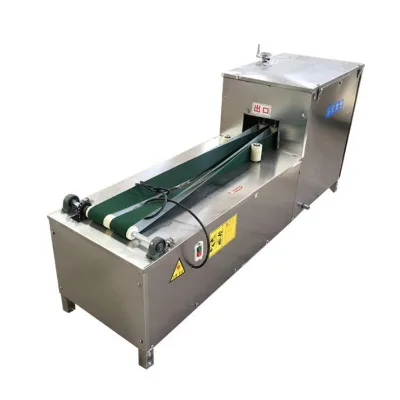


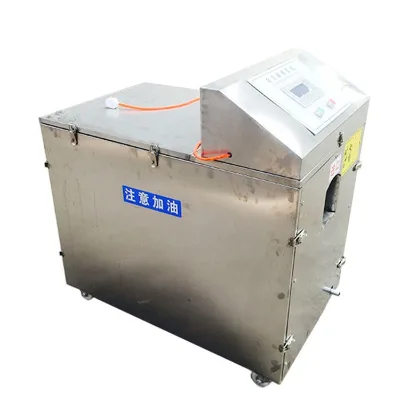


Fish Scaler Fish Gutting Machine Fish Cleaning Machine with High Efficiency
$600.00 - $1800.00
MOQ: 1 Sets

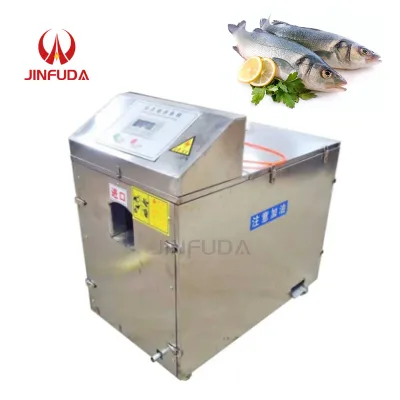

Automatic Fish Killing Cleaning Machine / Carp Fish Gutting Scaling Machine
$1000.00 - $1500.00
MOQ: 1 Pieces

Automatic Fish Cleaning Fish Gutting and Scaling Machine Fish Processing Plant
$1000.00 - $1500.00
MOQ: 1 Pieces


Electric Hongle Scaling and Gutting Automatic Fish Cleaning Processing Machine
$1900.00 - $2200.00
MOQ: 1 Pieces

Hot Sale Fish Scaler Equipment for Plant and Restaurant Fish Scale Removing
$1045.00 - $1190.00
MOQ: 1 Pieces
Comprehensive Sourcing Guide
Strategic Sourcing Guide for Automatic Electric Fish Scaling and Gutting Machines
Understanding the Technical Landscape of Automated Fish Processing
The procurement of automatic electric fish scaling and gutting machines requires a precise understanding of the diverse technical configurations available in the current market. These machines are engineered to streamline the initial stages of fish processing, moving beyond manual labor to achieve consistent throughput and hygiene standards. The core functionality of these units typically revolves around the mechanical removal of scales followed by the evisceration process, often integrating cleaning steps to prepare the product for further processing or packaging.
When evaluating the technical specifications of potential equipment, buyers must first distinguish between different grades of automation. The market offers both fully automatic and semi-automatic configurations. Fully automatic systems are designed for high-volume operations where the machine handles the entire workflow from feeding to output with minimal human intervention. In contrast, semi-automatic models may require operator assistance for loading or specific adjustments, offering a balance between cost and efficiency. The power requirements for these units vary significantly based on their intended capacity and motor specifications. Observed power ratings in the current supply base range from 1.5kw to 6kw, indicating that the selection must align with the specific electrical infrastructure of the buyer's facility.
Voltage compatibility is another critical technical parameter that cannot be overlooked. Industrial machinery in this category is frequently manufactured to support multiple voltage standards to accommodate different regional grids. Available configurations include 220V, 380V, and broader ranges spanning 220V to 440V. Procurement teams must verify the specific voltage requirement of the machine against the local power supply to prevent operational failures or the need for expensive transformer installations. The motor is often cited as a core component, serving as the primary driver for the scaling drums and gutting mechanisms. The quality and rating of this motor directly influence the machine's longevity and its ability to handle varying fish sizes and species without stalling.
Capacity metrics are equally vital for matching the machine to production goals. The throughput of these machines is often measured in pieces per minute (PCS/Min). Data from the current market indicates capacities ranging from 12 fish per minute for smaller, more specialized units to 20-40 PCS/Min for larger industrial models. This variance suggests that a "one-size-fits-all" approach is ineffective; a facility processing small fish may require a different configuration than one handling larger species. Furthermore, the physical dimensions of the machinery are substantial, with standard footprints observed in the range of 1000mm to 2150mm in length, and widths and heights varying accordingly. Buyers must ensure their production floor has adequate space to accommodate these dimensions, including room for material handling and maintenance access.
Material Composition and Construction Standards
The durability and food safety compliance of fish processing equipment are inextricably linked to the materials used in their construction. Given the wet, corrosive, and abrasive environment of fish processing, the primary material of construction is almost universally stainless steel. Specifically, 304 SUS (Stainless Steel) is a common specification found in high-quality units, offering a robust balance of corrosion resistance and mechanical strength. This material is essential for preventing rust and ensuring that the machine does not contaminate the fish product with metal particles or chemical leaching. Some listings also refer to general "Stainless Steel" construction, but buyers should explicitly verify the grade to ensure it meets food-grade safety standards.
The structural integrity of the machine is further defined by its design standards and physical specifications. While general dimensions can vary, specific models are noted with precise measurements, such as 2000x450x700mm or 1990x960x1290mm. These dimensions dictate the spatial requirements for installation. The weight of the machinery is also a significant factor for logistics and floor loading. Heavier units, such as those weighing 400kg, offer greater stability during high-speed operation, reducing vibration and noise, but they require more robust shipping and handling procedures. Lighter units, potentially around 100kg, may be more portable but could lack the rigidity required for continuous industrial use.
Packaging standards are a crucial aspect of the material specifications that often gets overlooked until the shipping phase. To protect the machinery during transit, especially for international shipments from manufacturing hubs like China, export-grade packaging is standard. This typically involves wooden crates or wooden boxes designed to withstand the rigors of ocean freight. The use of wooden packaging is not merely a preference but a necessity to prevent damage to the sensitive mechanical components, such as the motor and scaling drums, during the journey. Buyers should verify that the packaging includes adequate cushioning and securing mechanisms to ensure the machine arrives in pristine condition, ready for immediate installation.
Compliance, Certification, and Regulatory Verification
Navigating the regulatory landscape is a fundamental step in the procurement of industrial food processing equipment. While specific certification statuses can vary by manufacturer and model, buyers must approach compliance with a verification mindset rather than assuming universal adherence. The presence of certifications such as CE is often mentioned in the broader market context, but this should not be treated as a guaranteed attribute for every listed product. Instead, procurement teams must explicitly request and validate certification documents for the specific model under consideration. This verification ensures that the machine meets the safety and electromagnetic compatibility standards required for operation in the buyer's target market.
In addition to general safety certifications, the operational safety of the machine is paramount. The design should incorporate features that protect operators from moving parts, particularly the scaling drums and cutting mechanisms. While specific safety interlocks or guards may not be explicitly detailed in all product descriptions, the expectation for a safe design is inherent in industrial machinery. Buyers should inquire about the presence of emergency stop buttons, protective covers, and clear operational manuals that detail safety protocols. The absence of a machinery test report in some listings highlights the need for buyers to conduct their own due diligence or request third-party verification of the machine's performance and safety features before finalizing a purchase.
Regulatory compliance also extends to the materials used in the machine's construction. The use of food-grade stainless steel is a baseline requirement, but buyers should also verify that any lubricants, seals, or non-metallic components used in the machine are food-safe. This ensures that the machine does not introduce contaminants into the fish product during the processing cycle. Furthermore, the electrical components must comply with local electrical codes. Since voltage requirements vary, the machine's electrical system must be compatible with the facility's power distribution to prevent hazards such as short circuits or electrical fires.
Cost Drivers and Financial Considerations
The financial aspect of sourcing automatic fish scaling and gutting machines involves a complex interplay of factors beyond the initial purchase price. The observed price range in the market spans from approximately 489 USD to 9900 USD, a wide disparity that reflects differences in capacity, automation level, material quality, and brand reputation. Lower-priced units often correspond to smaller, semi-automatic models with reduced capacity and simpler construction. Conversely, higher-priced units typically feature fully automatic operation, higher power ratings, larger capacities, and more robust stainless steel construction.
Several key drivers influence the final cost of these machines. First, the power rating is a significant factor; units with higher power outputs, such as 6kw compared to 1.5kw, generally command higher prices due to the cost of the motor and the associated electrical components. Second, the level of automation plays a crucial role. Fully automatic machines that integrate scaling, gutting, and cleaning into a single workflow are more expensive than semi-automatic models that require more manual intervention. Third, the material quality and finish affect the price. Machines constructed with high-grade 304 SUS stainless steel and featuring superior welding and finishing will cost more than those with basic stainless steel construction.
The Minimum Order Quantity (MOQ) is another financial consideration. In the current market, many suppliers offer an MOQ of 1, which allows buyers to purchase a single unit for pilot testing or small-scale operations without the need for bulk inventory. This flexibility can be advantageous for businesses looking to test the technology before committing to a larger fleet. However, buyers should be aware that purchasing a single unit may not always yield the most favorable unit price compared to bulk orders, depending on the supplier's pricing structure.
Shipping and logistics costs are also significant cost drivers, particularly for heavy machinery. Units weighing up to 400kg require specialized freight services, and the use of export wooden crates adds to the overall shipping weight and volume. Buyers should factor in these logistics costs when calculating the total cost of ownership. Additionally, the location of the manufacturer, often in China, impacts shipping times and costs. While the proximity of manufacturing hubs can reduce lead times, international shipping fees and import duties must be accounted for in the budget.
Typical Applications and Operational Versatility
Automatic electric fish scaling and gutting machines are designed to serve a wide range of applications within the seafood industry. Their primary function is to handle the initial processing of fish, which includes scaling, gutting, and cleaning. This versatility makes them suitable for various fish species and sizes, provided the machine's capacity and settings are adjusted accordingly. The market data indicates that these machines are used for processes ranging from mild processing to concentration and drying, suggesting a broad applicability across different stages of fish preparation.
For small-scale operations, such as local fish markets or small processing plants, machines with lower capacities, such as 12 fish per minute, are ideal. These units are often compact, with dimensions around 1000mm in length, making them easy to integrate into limited spaces. They are particularly useful for processing smaller fish species where high throughput is not the primary concern. On the other hand, large-scale industrial facilities require machines with higher capacities, such as 20-40 PCS/Min, to meet the demands of mass production. These units are typically larger, with dimensions exceeding 2000mm in length, and are designed for continuous operation.
The operational versatility of these machines also extends to their ability to handle different types of fish. While some models are specifically designed for small fish cleaning, others are capable of handling a wider variety of species. The adjustable nature of the scaling drums and gutting mechanisms allows operators to customize the machine for different fish sizes and shapes. This adaptability is crucial for facilities that process a diverse range of seafood products. Additionally, the machines are often used in conjunction with other processing equipment, such as filleting machines or packaging systems, to create a seamless production line.
Supplier Evaluation and Quality Assurance Protocols
Selecting the right supplier is as critical as selecting the right machine. Buyers should adopt a rigorous evaluation process that goes beyond the initial product listing. One of the key indicators of a reliable supplier is the availability of a machinery test video. This visual evidence allows buyers to observe the machine in operation, verifying its performance, efficiency, and the quality of the processing output. The presence of such videos suggests a level of transparency and confidence in the product's capabilities. Conversely, listings that state "Not Available" for machinery test reports should be approached with caution, as they may indicate a lack of quality control or a reluctance to demonstrate the machine's performance.
Another important factor in supplier evaluation is the after-sales support and warranty provisions. A standard warranty of 1 Year is commonly observed in the market, but buyers should verify the specific terms and conditions of the warranty. This includes understanding what components are covered, the duration of the coverage, and the process for claiming warranty services. Suppliers that offer online support as part of their after-warranty service demonstrate a commitment to customer satisfaction and long-term relationship building. This support is crucial for troubleshooting operational issues and ensuring the machine remains in peak condition.
Quality assurance protocols should also be a key part of the supplier evaluation. Buyers should inquire about the supplier's quality control processes, including the inspection of raw materials, the assembly process, and the final testing of the machine. Suppliers that adhere to strict quality standards are more likely to deliver machines that meet the buyer's expectations in terms of performance and durability. Additionally, buyers should verify the supplier's reputation and track record in the industry. This can be done by reviewing customer feedback, checking for any history of disputes, and assessing the supplier's response to customer inquiries.
Long-Term Procurement and Maintenance Strategies
The procurement of automatic fish scaling and gutting machines is not a one-time transaction but the beginning of a long-term operational relationship. To ensure the longevity and efficiency of the equipment, buyers must develop a comprehensive maintenance strategy. This includes regular cleaning, lubrication, and inspection of the machine's components. The use of food-grade lubricants is essential to prevent contamination of the fish product. Regular inspection of the scaling drums and gutting mechanisms can help identify wear and tear early, preventing costly breakdowns and downtime.
Training the operational staff is another critical aspect of long-term procurement. Operators should be thoroughly trained on the machine's functions, safety protocols, and troubleshooting procedures. This ensures that the machine is used correctly and that any issues are addressed promptly. Suppliers that provide detailed operation manuals and offer training sessions can significantly enhance the operational efficiency of the machine.
Finally, buyers should consider the availability of spare parts when evaluating the long-term viability of a machine. The core components, such as the motor, should be easily replaceable to minimize downtime in case of failure. Suppliers that maintain a stock of spare parts and offer quick delivery services are preferable, as they can reduce the impact of any potential equipment failures. By adopting a proactive approach to maintenance and support, buyers can maximize the return on their investment and ensure the continued efficiency of their fish processing operations.
FAQs
What voltage options are available for these machines?
Available voltage options include 220V, 380V, and a range of 220-440V. Buyers must verify the specific voltage requirement against their local power supply to ensure operational compatibility and prevent electrical failures.
What is the typical capacity range for these units?
Capacity ranges from 12 fish per minute for smaller models to 20-40 pieces per minute for larger industrial units. Selection depends on the specific fish species and the required throughput volume of the processing facility.
Can I order a single unit for testing purposes?
Yes, the minimum order quantity is 1 for most models. This allows buyers to purchase a single unit for pilot testing or small-scale operations without needing to commit to bulk inventory immediately.
What material is used to construct the machine body?
The machine body is constructed from 304 SUS stainless steel or general stainless steel. This material ensures corrosion resistance and food safety compliance in the wet and abrasive environment of fish processing.
How is the machine packaged for international shipping?
Machines are packed in export wooden crates or wooden boxes. This robust packaging protects sensitive mechanical components like motors and scaling drums during ocean freight and ensures the unit arrives in pristine condition.
What is the warranty period for these machines?
The standard warranty period is 1 year. After warranty service is typically provided through online support to assist with operational issues or maintenance requirements.