Source Automatic Electric Drum Seasoning Machine for Chips, Popcorn, and Sunflower
Find 30 listings for the Automatic Electric Drum Seasoning Machine designed for chips, popcorn, and sunflower roasting. Buyers can compare specifications, prices, and customization options from verified manufacturers in China.
Key considerations
Products List


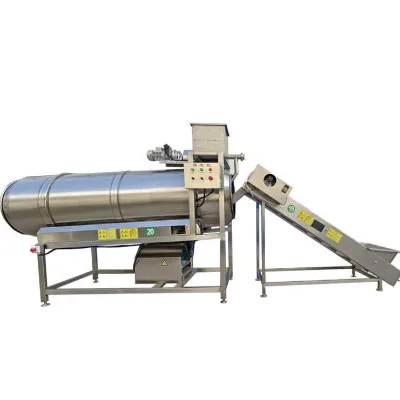


Industrial Multifunctional Snack Drum Seasoning Machine, Food Seasoning Machine
$5000.00 - $10000.00
MOQ: 1 Pieces


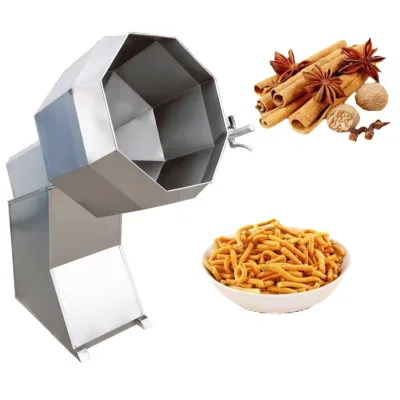
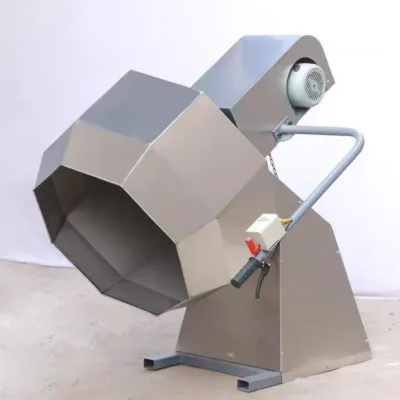
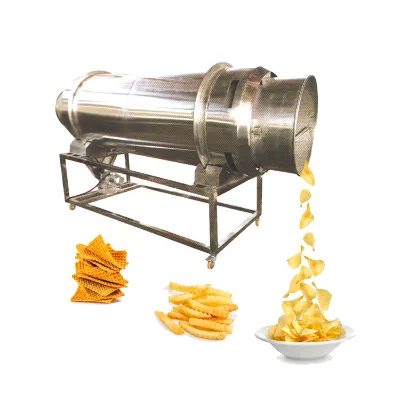
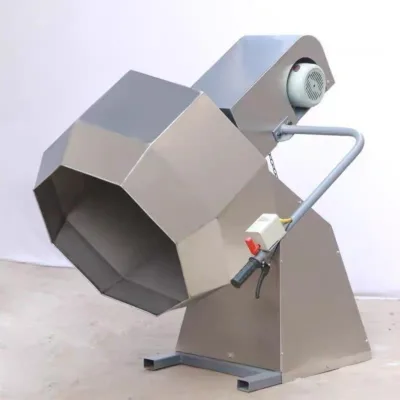
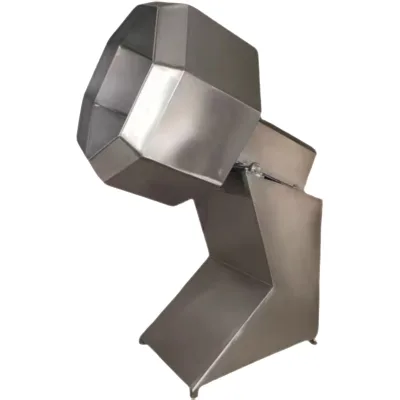
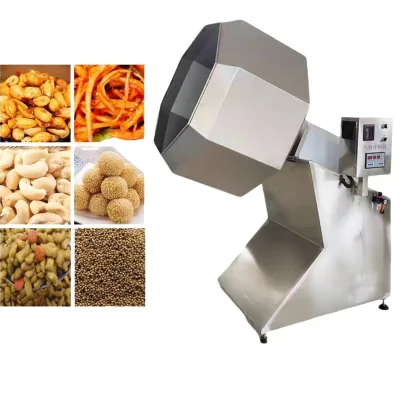
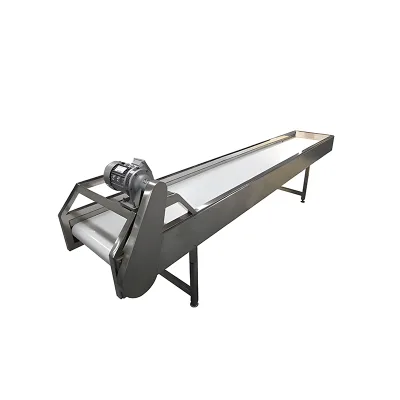

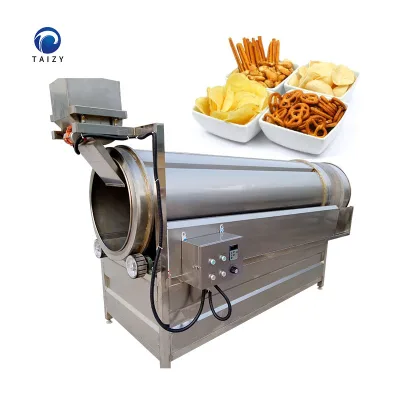
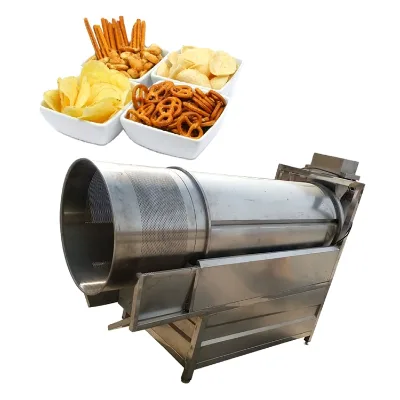


Stainless Steel Snack Seasoning Drum Popcorn Chips Flavoring Machine Rotary Seasoning Machine
$2200.00 - $3500.00
MOQ: 1 Pieces

Factory Snack Seasoning Machine Rotary Seasoning Drum Popcorn Chips Flavoring Machine
$2200.00 - $3500.00
MOQ: 1 Pieces
Comprehensive Sourcing Guide
Automatic Electric Drum Seasoning Machine Sourcing Guide
Sourcing an Automatic Electric Drum Seasoning Machine requires a disciplined approach to aligning technical specifications with production goals. These machines are engineered to apply seasoning evenly to snack products such as chips, popcorn, and fried snacks through a rotating drum mechanism. The core value proposition lies in the automation of the seasoning process, which reduces manual labor, ensures consistent flavor distribution, and increases throughput for commercial food manufacturing operations. Buyers must evaluate the machine’s capacity, power requirements, and control systems to ensure compatibility with their existing production lines.
The procurement process involves verifying critical attributes such as material construction, power source options, and control interfaces. Most units are constructed from food-grade stainless steel to meet hygiene standards and ensure durability in high-moisture environments. Power sources vary, with electric being the primary option, though some models support gas or diesel heating for specific thermal requirements. Understanding these variations is essential for selecting a machine that fits the facility’s infrastructure and energy efficiency goals.
Product Scope and Observed Listing Signals
The market for automatic drum seasoning machines presents a wide range of options, with observed listing prices spanning from $550 to $30,000 USD. This broad price spectrum reflects differences in machine size, automation level, brand reputation, and included features such as touch-screen controls or specialized spray systems. Buyers should interpret price as an indicator of complexity and capacity rather than a standalone metric for quality. Lower-priced units may offer basic functionality suitable for small-scale operations, while higher-priced models typically provide advanced automation, higher throughput, and enhanced durability features.
Minimum Order Quantities (MOQ) for these machines are consistently observed at one unit, indicating that suppliers treat each machine as a custom or semi-custom industrial asset rather than a mass-produced consumer good. This structure allows buyers to procure single units tailored to specific production needs without committing to large inventory volumes. However, the single-unit MOQ also implies that each order is subject to individual manufacturing or configuration processes, which can impact lead times and customization options. Buyers should expect a delivery window of 30-40 days, allowing for production, testing, and export preparation.
Technical Specifications to Verify
Power consumption and voltage requirements are critical technical parameters that must be verified before purchase. Observed power ratings range from 50 to 200 kW, indicating that these machines are heavy-duty industrial equipment requiring robust electrical infrastructure. Voltage specifications typically include 380V 50Hz, with some models offering customization for 220V or other regional standards. Buyers must confirm the exact voltage and phase requirements with the supplier to ensure compatibility with their facility’s power supply, avoiding costly retrofitting or operational failures.
The machine’s construction and control systems significantly impact its performance and ease of use. Most units are built from food-grade stainless steel, ensuring resistance to corrosion and compliance with food safety standards. Control interfaces often feature touch screens for intuitive operation, allowing operators to adjust seasoning parameters easily. Key components such as motors, inverters, and electrical systems are sourced from recognized brands like Lijiu, Zhilian, and Chint, which can influence reliability and maintenance costs. Buyers should verify the specific brands and models of these components to assess long-term serviceability and spare parts availability.
Compliance and Safety Documentation
Certification and safety compliance are non-negotiable aspects of sourcing industrial food processing equipment. The CE certification is a standard requirement for machines sold in many international markets, indicating adherence to European health, safety, and environmental protection standards. Buyers must request valid CE certificates and other relevant documentation to ensure the machine meets regulatory requirements in their target market. Failure to verify certifications can result in customs delays, legal liabilities, or operational bans in regulated jurisdictions.
Food safety standards dictate the materials and design of the seasoning machine. The use of food-grade stainless steel is a critical factor in preventing contamination and ensuring product purity. Buyers should verify that all contact surfaces are made from appropriate grades of stainless steel, such as 304 or 316, depending on the acidity and moisture content of the seasoning and product. Additionally, the machine’s design should facilitate easy cleaning and maintenance to prevent bacterial growth and cross-contamination between production batches.
Cost Drivers and Commercial Terms
Several factors influence the total cost of ownership for an automatic drum seasoning machine. The primary cost drivers include the machine’s capacity, power rating, and level of automation. Higher capacity machines, such as those with a maximum capacity of 500 kg, command higher prices due to increased material usage and engineering complexity. Similarly, machines with advanced features like touch-screen controls, multi-functional capabilities, and high productivity ratings are priced at a premium. Buyers should balance these features against their production volume and quality requirements to avoid over-specifying or under-investing.
Commercial terms such as warranty, packaging, and delivery conditions also impact the overall procurement cost. A standard warranty of one year is commonly offered, providing coverage for manufacturing defects and initial operational issues. Export packaging is typically included to protect the machine during transit, but buyers should verify the packaging standards to prevent damage. Delivery times of 30-40 days should be factored into production planning, and buyers should consider the implications of potential delays on their supply chain. Clear communication regarding payment terms, shipping responsibilities, and after-sales support is essential to mitigate financial risks.
Supplier Qualification and Quality Control
Supplier qualification is a critical step in ensuring the reliability and quality of the automatic drum seasoning machine. Buyers should verify the supplier’s manufacturing capabilities, quality control processes, and track record in the food processing equipment industry. Suppliers based in China, as indicated by many listings, often have extensive experience in producing industrial machinery, but buyers must conduct due diligence to assess their credibility. Requesting references, visiting the factory if possible, or reviewing third-party audits can provide valuable insights into the supplier’s operational standards.
Quality control measures should be implemented throughout the manufacturing and delivery process. Buyers should specify acceptance criteria for the machine’s performance, including seasoning uniformity, drum rotation speed, and control system responsiveness. Pre-shipment inspections can help identify any defects or deviations from specifications before the machine leaves the factory. Additionally, buyers should ensure that the supplier provides comprehensive operation and maintenance manuals, as well as training resources, to facilitate smooth integration into their production line.
Long-Term Procurement Checks
Long-term procurement success depends on the availability of spare parts and technical support. Buyers should verify the supplier’s inventory of critical components such as motors, inverters, and control panels to minimize downtime in case of failure. Establishing a relationship with the supplier for ongoing support can also facilitate troubleshooting and maintenance. Buyers should inquire about the supplier’s response time for technical inquiries and their ability to provide remote or on-site assistance.
Regular maintenance and performance monitoring are essential for extending the lifespan of the automatic drum seasoning machine. Buyers should develop a preventive maintenance schedule that includes cleaning, lubrication, and inspection of key components. Monitoring the machine’s performance metrics, such as seasoning application consistency and energy consumption, can help identify potential issues early. By proactively managing the machine’s condition, buyers can ensure consistent product quality and maximize the return on their investment.
FAQs
What is the power source for this machine?
The machine operates using an electric power source, though some models support gas or diesel options. It typically requires a voltage of 380V at 50Hz, which can be customized to meet specific facility requirements.
Can the machine be customized for specific needs?
Yes, customization is available for this automatic double drum seasoning machine. Buyers can request specific configurations to ensure the equipment fits their production line and meets unique operational requirements.
What is the lead time for delivery?
The standard delivery time ranges from 30 to 40 days after order confirmation. This timeline accounts for manufacturing, quality checks, and preparation for export packaging to ensure safe international shipping.
Which certifications does the machine hold?
The equipment holds CE certification, indicating compliance with European safety and health standards. This ensures the machine meets necessary regulatory requirements for operation in various international markets.
What is the maximum capacity of the machine?
The machine has a maximum capacity of 500 kg per batch. This high capacity supports commercial usage and is suitable for processing large volumes of snacks like chips and popcorn efficiently.
What material is the machine constructed from?
The machine is built from food-grade stainless steel to ensure hygiene and durability. This material choice prevents contamination and makes the equipment easy to clean for continuous food production.
How is the machine controlled during operation?
Operation is managed through a touch control system featuring a special touch screen interface. This design allows for easy operation and high efficiency while monitoring the seasoning process in real time.