Source Automatic Electric Filling Machine for Beer, Milk, and Oil
Find 30 automatic electric filling machines for beer, milk, and other liquids. Compare models with rotary structures, PLC controls, and customizable nozzles from verified Chinese manufacturers to match your production needs.
Key considerations
Products List


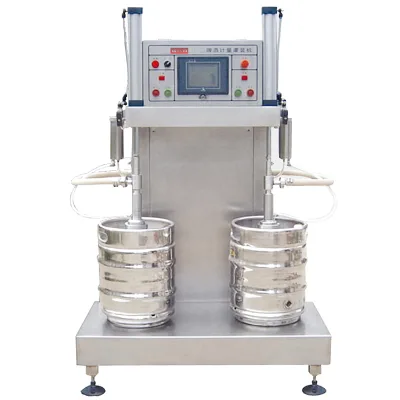


High Efficiency Automatic Can Filling Machine for Energy Drinks and Beer with 1200bph Capacity
$10000.00 - $40000.00
MOQ: 1 Pieces


$8000.00 - $35000.00
MOQ: 1 Pieces


Comprehensive Sourcing Guide
Automatic Electric Filling Machine for Beer and Milk Sourcing Guide
Selecting the right Automatic Electric Filling Machine for Beer and Milk requires a careful balance between throughput requirements, product viscosity, and hygiene standards. These machines are designed to handle a wide variety of liquid products, ranging from dairy and beverages to cosmetics and cleaning agents. The core functionality typically involves forming, filling, and sealing operations, which can be adapted for different packaging formats such as bottles, bags, or pouches. Buyers must distinguish between machines optimized for rigid containers like glass or PET bottles and those designed for flexible film packaging, as the mechanical structures and sealing mechanisms differ significantly.
The market offers a diverse range of models, each with specific capabilities regarding filling principles, speed, and automation levels. Some units utilize pressure-based filling for high-speed applications, while others employ negative pressure or vacuum techniques to prevent foaming, a critical feature when handling carbonated beverages like beer or delicate dairy products. Understanding these technical distinctions is essential for aligning machine selection with production goals. This guide provides a structured approach to evaluating suppliers, verifying technical specifications, and ensuring long-term operational reliability for liquid filling operations.
Product Scope and Observed Listing Signals
The observed product landscape includes a variety of automatic filling and sealing machines with customization options available for most listings. Key attributes indicate that these machines are generally new, electrically driven, and capable of handling liquids such as vegetable oils, fruit juices, dairy products, and hair care items. The presence of customizable filling nozzles and various forming species, including bottle forming and bag moulding, suggests that buyers can tailor the equipment to specific container types. This flexibility is crucial for facilities that switch between different product lines or packaging formats frequently.
Listing signals reveal a wide price range, observed between $1,000 and $180,000 USD, reflecting the disparity between simple semi-automatic units and complex, high-speed rotary systems. The minimum order quantity (MOQ) is consistently observed at one unit, indicating that these machines are typically sold as individual capital equipment rather than bulk commodities. Buyers should note that while the base price may appear low, the final cost is heavily influenced by the level of customization, material grade, and included core components such as PLCs, motors, and pressure vessels.
Technical Specifications to Verify
When evaluating technical specifications, the filling principle is a primary differentiator. Machines may operate on pressure, negative pressure, or gravity principles, each suited to different product viscosities and foam sensitivities. For beer and milk, negative pressure or vacuum filling is often preferred to maintain product integrity and prevent oxidation or foaming. Buyers should verify the filling accuracy, which can range from standard tolerances to high-precision levels, and check the filling speed, which may vary from 2,000 to 24,000 bottles per hour depending on the model and container size.
The construction material and drive system are equally critical for hygiene and durability. Stainless steel grades such as SUS304 or 316 are standard for food-grade applications, ensuring resistance to corrosion and ease of cleaning. The machine structure, whether rotary or linear, impacts footprint and throughput. Additionally, the control system, often a PLC with a touch screen interface, dictates the ease of operation and recipe management. Buyers must confirm the specific model numbers, such as CH-4/KY-8A or SD-GZCGZX, to ensure compatibility with existing production lines and to verify the availability of spare parts.
Compliance and Safety Documentation
Food safety compliance is non-negotiable for machines handling beer and milk. Buyers must verify that all components in contact with the product meet relevant food-grade standards. This includes confirming the material certifications for stainless steel parts and ensuring that seals and gaskets are made from FDA-compliant materials. The machine design should facilitate easy cleaning and sanitization, with minimal dead zones where product residue could accumulate. Documentation should include detailed material certificates and compliance statements from the manufacturer.
Electrical safety and operational safeguards are also essential. The machine should be equipped with proper grounding, emergency stop buttons, and protective guards to prevent operator injury. Buyers should request documentation regarding electrical certifications, such as CE or UL, depending on the target market. Additionally, the warranty terms for core components like the motor, pump, and PLC should be clearly defined. A standard warranty period of one year for core components is common, but buyers should negotiate for extended coverage or comprehensive service agreements to mitigate downtime risks.
Cost Drivers and Commercial Terms
The total cost of ownership extends beyond the initial purchase price. Key cost drivers include the level of automation, the quality of core components, and the degree of customization required. Machines with advanced PLC controls, high-speed rotary structures, and specialized filling heads for foamy liquids will command higher prices. Buyers should also consider the cost of ancillary equipment, such as bottle blowers, cappers, and labelers, which may need to be integrated into the filling line. Customization fees for specific nozzle configurations or container handling mechanisms can also add significant costs.
Commercial terms should be negotiated carefully to protect the buyer’s interests. Payment terms, shipping responsibilities, and installation support are critical components of the contract. Buyers should clarify whether the quoted price includes packaging, such as hard wood boxes or anti-static film, which is important for protecting the machine during transit. Lead times for manufacturing and delivery should be confirmed, especially for customized models. Additionally, buyers should inquire about the availability of training and technical support to ensure smooth commissioning and operation.
Supplier Qualification and Quality Control
Supplier qualification is a vital step in mitigating procurement risks. Buyers should assess the supplier’s manufacturing capabilities, quality control processes, and after-sales service network. Factories with established quality management systems and experienced engineering teams are more likely to deliver reliable equipment. Verification of the supplier’s track record in producing filling machines for the food and beverage industry is essential. Buyers should request references or case studies from previous clients to gauge the supplier’s reliability and product performance.
Quality control measures should be implemented throughout the manufacturing process. Buyers should insist on pre-shipment inspections to verify that the machine meets all specified technical requirements. This includes checking the filling accuracy, seal integrity, and overall mechanical functionality. Documentation such as factory inspection reports, material test certificates, and performance test results should be reviewed. Buyers may also consider hiring third-party inspection agencies to conduct independent verification, ensuring that the delivered machine matches the agreed-upon specifications and quality standards.
Long-Term Procurement Checks
Long-term procurement success depends on the availability of spare parts and ongoing technical support. Buyers should establish a clear supply chain for critical components such as motors, pumps, PLCs, and bearings. The supplier should provide a comprehensive spare parts list and guarantee the availability of these parts for a specified period, typically five to ten years. This ensures that maintenance and repairs can be performed promptly, minimizing production downtime. Buyers should also negotiate for priority service support and remote troubleshooting capabilities.
Regular maintenance and performance monitoring are essential for extending the machine’s lifespan. Buyers should develop a preventive maintenance schedule based on the manufacturer’s recommendations. This includes routine cleaning, lubrication, and inspection of wear parts. Training for operational staff on proper machine handling and basic troubleshooting is crucial for maintaining performance. Additionally, buyers should stay informed about technological advancements and upgrade options that can enhance efficiency and productivity. Continuous engagement with the supplier for feedback and improvement suggestions can help optimize the filling process over time.
FAQs
What customization options are available for the filling machine?
Customization is available for this automatic electric filling machine. Buyers can select customized filling nozzles and choose between bottle or bag molding forms depending on the specific packaging material required for their production line.
Which voltage and power source does the machine use?
The machine operates on a 220V electric power source. It is driven by an electric motor and features core components like a PLC, pump, and pressure vessel to ensure stable automatic operation for various liquid applications.
Can the machine handle different types of packaging materials?
Yes, the machine supports multiple packaging materials including plastic bottles and film bags. It is designed to form, fill, and seal products such as vegetable oil, dairy, cosmetics, and cleaning detergents efficiently.
What is the warranty period for core components?
The warranty for core components is one year. This coverage applies to essential parts like the motor, pressure vessel, pump, and PLC, ensuring reliability for new condition machines shipped from China.
How fast can the machine fill bottles per hour?
The filling speed ranges from 2000 to 24000 bottles per hour. This capacity is achieved using a rotary structure with a multi-head filling valve and negative pressure or pressure filling principles depending on the model.
What is the minimum order quantity for this equipment?
The minimum order quantity is one piece. Buyers can purchase a single unit, which is typically packed in a carton or a hard wood box depending on the specific model and shipping requirements.
Which materials are used to construct the machine body?
The machine body is constructed from SUS304 or SUS316 stainless steel. This material ensures durability and hygiene, making it suitable for processing food and beverage products like beer, milk, and hair care items.