Source Elastic Resistance Bands for Pilates, yoga, and fitness
Compare 30 listings of Elastic Resistance Bands for Pilates from verified manufacturers. Buyers can evaluate customization options, material types like latex and TPE, and pricing details for bulk orders.
Key considerations
Products List


Bodybuilding Yoga Pilates Strength Training Heavy Resistance TPE Elastic Bands
$1.30 - $1.50
MOQ: 500 Pieces
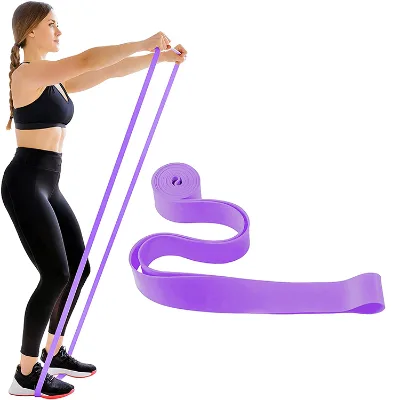


Versatile 8-Shape Elastic Resistance Band for Effective Pilates Workouts
$1.75 - $2.01
MOQ: 100 Pieces


Multiple Exercise Fitness Sport Core Training Body Elastic Resistance Band
$2.00 - $2.05
MOQ: 487 Pieces


Comprehensive Sourcing Guide
Elastic Resistance Bands for Pilates Sourcing Guide
Sourcing Elastic Resistance Bands for Pilates requires a nuanced understanding of material science, manufacturing capabilities, and commercial terms that differ significantly from general fitness equipment. Unlike heavy-duty gym bands, Pilates-specific bands often demand a balance of high elasticity, skin-friendly textures, and precise tension levels to support low-impact, controlled movements. Buyers must navigate a market where product attributes vary widely, from natural latex loops to TPE flat bands, each offering distinct performance characteristics. The following guide provides a structured approach to evaluating suppliers, verifying technical specifications, and ensuring that the final product aligns with quality expectations and regulatory requirements.
This guide is designed for procurement professionals, brand owners, and distributors looking to source high-quality resistance bands. It focuses on evidence-based decision-making, utilizing observed market data and trusted category knowledge to highlight critical verification steps. By adhering to the principles outlined herein, buyers can mitigate risks associated with inconsistent product quality, non-compliant materials, and unfavorable commercial terms. The objective is to transform raw supplier data into actionable procurement strategies that ensure long-term supply chain stability and product satisfaction.
Product Scope and Observed Listing Signals
The current market for elastic resistance bands presents a diverse array of product types, ranging from loop bands to flat, open-ended bands, each serving specific Pilates and general fitness applications. Observed listings indicate a wide variety of materials, including 100% natural latex and TPE (Thermoplastic Elastomer), with thicknesses varying from 0.35mm to customized specifications. For instance, some products are specified as 1.5mm thick, while others offer standard dimensions like 600500.35mm or 228cmx3.5cmx1.5mm. These variations directly impact the band’s durability, stretch ratio, and suitability for different resistance levels, making it essential for buyers to match material properties with intended use cases.
Listing signals also reveal significant variability in customization options and minimum order quantities (MOQs). Many suppliers offer OEM services with customized logos and packaging, such as OPP bags or cartons, catering to brands seeking private labeling. However, MOQs can range from as low as 100 pieces to 1000 pieces, depending on the product model and material. For example, one observed product specifies an MOQ of 100 PCS, while another requires 200 PCS. Buyers must carefully evaluate these thresholds against their inventory needs and cash flow constraints, ensuring that the chosen supplier can accommodate their volume requirements without compromising on quality or lead times.
Technical Specifications to Verify
Verifying technical specifications is paramount to ensuring that the resistance bands meet the performance standards required for Pilates exercises. Key attributes to confirm include material composition, dimensions, and tensile strength. For natural latex bands, buyers should verify the presence of 100% natural latex to ensure optimal elasticity and biodegradability, while TPE bands should be checked for consistency in texture and resistance. Dimensions such as length, width, and thickness must be precisely measured, as even minor deviations can affect the user experience. For example, a band specified as 228cm in length should be verified to ensure it meets the stated dimensions, as this impacts the range of motion during exercises.
Additionally, buyers should assess the product’s feature set, including waterproof capabilities, non-slip properties, and foldability. These features are crucial for hygiene, safety, and convenience, particularly in shared fitness environments. The power source for these bands is typically manual, meaning the resistance is generated solely by the user’s effort, which requires the material to maintain consistent tension throughout the stretch. Buyers should also verify the product model numbers, such as B-002, SAY-1008, or GF1913, to ensure traceability and consistency in future orders. Clear documentation of these specifications in the contract is essential to avoid disputes and ensure that the delivered products match the agreed-upon standards.
Compliance and Safety Documentation
Compliance and safety documentation are critical components of the sourcing process, particularly for products that come into direct contact with the skin. Buyers must ensure that suppliers provide relevant certifications, such as CE marking, which indicates conformity with health, safety, and environmental protection standards for products sold within the European Economic Area. While not all products may carry specific certifications, buyers should request documentation to verify that the materials used are free from harmful substances like latex allergens or phthalates, especially for natural latex bands. This is particularly important for brands targeting health-conscious consumers who prioritize safety and sustainability.
Furthermore, buyers should verify that the products meet any applicable regional standards for fitness equipment and personal care items. This includes checking for compliance with REACH regulations in Europe or similar standards in other markets. Suppliers should be able to provide test reports or material safety data sheets (MSDS) that confirm the absence of hazardous chemicals. For products intended for specific markets, buyers may also need to verify compliance with local labeling requirements, including language, warnings, and usage instructions. Ensuring that all documentation is up-to-date and accurate is essential to avoid customs delays, product recalls, or legal liabilities.
Cost Drivers and Commercial Terms
Understanding the cost drivers and commercial terms is essential for effective budgeting and negotiation. The primary cost drivers for resistance bands include material costs, manufacturing complexity, and customization requirements. Natural latex bands tend to be more expensive than TPE alternatives due to the higher cost of raw materials and the more complex processing involved. Customization, such as adding logos or specific packaging, can also increase costs, as it requires additional setup and production time. Buyers should request detailed quotations that break down these costs to understand the true value proposition of each supplier.
Commercial terms, including MOQs, payment terms, and lead times, also play a significant role in the overall cost structure. Observed listings indicate sample times of 3-7 days, which can be useful for quality testing before committing to large orders. However, lead times for bulk production can vary significantly depending on the supplier’s capacity and the complexity of the order. Buyers should negotiate favorable payment terms, such as partial payments or letters of credit, to mitigate financial risk. Additionally, understanding the supplier’s return and refund policies is crucial in case of quality issues or delivery delays. Clear communication of these terms in the contract is essential to ensure a smooth procurement process.
Supplier Qualification and Quality Control
Supplier qualification and quality control are vital to ensuring consistent product quality and reliable supply. Buyers should conduct thorough due diligence on potential suppliers, including verifying their business licenses, manufacturing capabilities, and quality management systems. Suppliers that identify as manufacturers and wholesalers, such as those from Fujian or Jiangsu in China, may offer better pricing and control over the production process. However, buyers should also assess their experience in producing resistance bands and their ability to meet specific technical requirements. Requesting references or case studies from previous clients can provide valuable insights into the supplier’s reliability and performance.
Quality control measures should be established before production begins, including pre-production samples, in-process inspections, and final random inspections. Buyers should define clear acceptance criteria for product quality, including dimensions, material integrity, and packaging standards. For example, bands should be free from tears, uneven thickness, or discoloration. Suppliers should be required to provide a quality control plan that outlines these inspection points and responsibilities. Additionally, buyers should consider hiring third-party inspection services to conduct independent audits, ensuring that the products meet the agreed-upon standards before shipment. This proactive approach helps to minimize the risk of receiving substandard products and protects the brand’s reputation.
Long-Term Procurement Checks
Long-term procurement checks are essential for maintaining a stable and efficient supply chain. Buyers should regularly review supplier performance metrics, including on-time delivery rates, product quality consistency, and responsiveness to issues. Establishing a scorecard system can help track these metrics over time, providing a data-driven basis for supplier evaluations and negotiations. Regular communication with suppliers, including periodic business reviews, can help identify potential issues early and foster a collaborative relationship. This is particularly important for suppliers offering customized products, as changes in design or material can impact production and delivery.
Additionally, buyers should stay informed about market trends and regulatory changes that may affect the sourcing of resistance bands. This includes monitoring developments in material science, such as new eco-friendly alternatives to latex, and changes in international trade regulations. Diversifying the supplier base can also mitigate risks associated with single-source dependencies, ensuring that the business can adapt to disruptions in the supply chain. By implementing these long-term checks, buyers can ensure that their procurement strategy remains resilient, cost-effective, and aligned with their brand’s values and customer expectations.
FAQs
Can I customize the logo on these resistance bands?
Yes, customized logos are available for these products. The listing confirms that logo customization is offered for both the rubber and latex band options, allowing buyers to add branding to the items.
What is the minimum order quantity for these bands?
The minimum order quantity varies by product but starts at 100 pieces for some models. Other listings indicate an MOQ of 200 pieces, so buyers should verify the specific requirement for their chosen model.
How long does it take to receive a sample?
Sample time is typically 3 to 7 days for these resistance bands. This duration applies to the production of samples before bulk manufacturing begins, ensuring buyers can verify quality quickly.
What materials are used to make these bands?
These bands are made from rubber, 100% natural latex, or TPE depending on the specific model. The product attributes list these materials as the primary components for the resistance loops and bands.
Are these bands suitable for adult yoga and fitness?
Yes, these bands are designed for adults and suitable for yoga, fitness, and workout applications. The product usage explicitly includes yoga resistance, muscle building, and general exercise for adult users.
What certifications do these products hold?
Some of the listed resistance bands hold CE certification. This standard applies to specific models in the catalog, indicating compliance with certain safety or quality requirements for the European market.
Where are these resistance bands manufactured?
These products originate from China, specifically from Fujian and Jiangsu provinces. The manufacturing locations are clearly stated as the place of origin for the various rubber and latex band models.