Source Automatic Overlock Shoemaking Sewing Machine for Factory, Service, Household
Find and compare 30 Automatic Overlock Shoemaking Sewing Machine models from China. Evaluate options with electric drive, single or double needle configurations, and varying thread counts for glove and shoemaking applications.
Key considerations
Products List


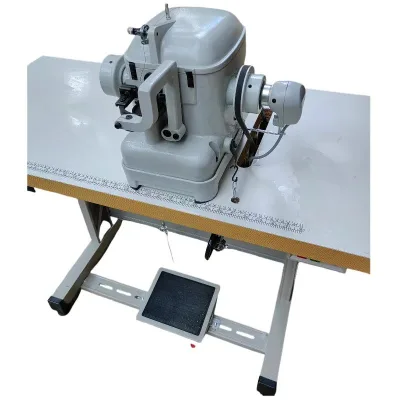
Glove Overlock Sewing Working Gloves Machines Making Machine Machine
$6600.00 - $8200.00
MOQ: 1 Pieces


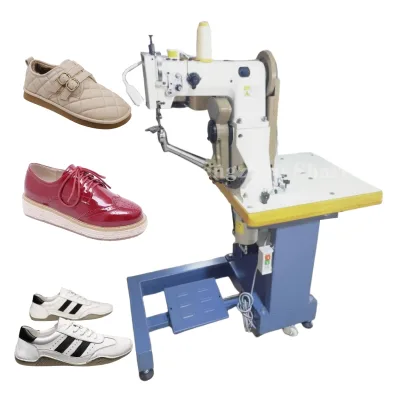


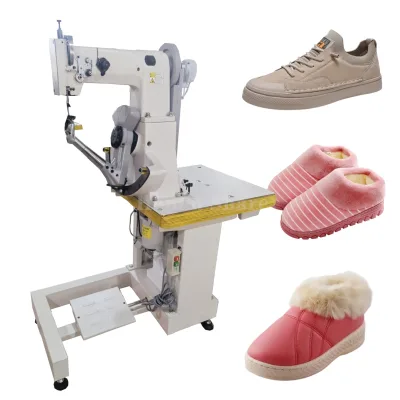
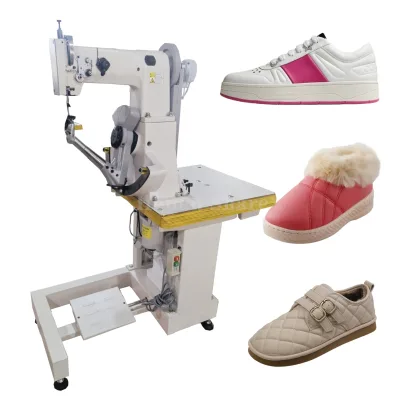
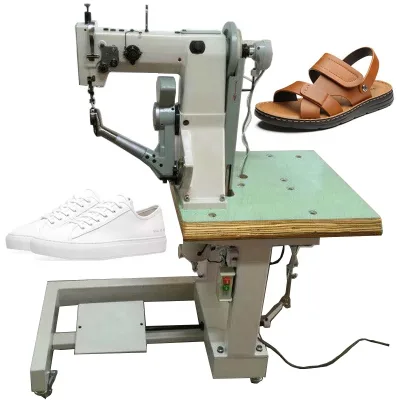




Comprehensive Sourcing Guide
Automatic Overlock Shoemaking Sewing Machine Sourcing Guide
Sourcing an automatic overlock sewing machine for shoemaking requires a disciplined approach to technical verification and supplier qualification. The global market for industrial textile and footwear machinery is dominated by manufacturers in Zhejiang, China, where production clusters offer competitive pricing and rapid delivery cycles. Buyers must navigate a landscape where product listings often aggregate diverse machine types under broad keywords. To secure equipment that meets specific shoemaking requirements, procurement teams must distinguish between general-purpose overlockers and specialized units designed for the rigors of footwear assembly. This guide provides a structured framework for evaluating listings, verifying technical specifications, and ensuring long-term operational reliability.
The following sections outline the critical steps for sourcing these machines, from initial listing analysis to final acceptance testing. By focusing on observable data points such as model numbers, thread configurations, and automation grades, buyers can mitigate the risk of purchasing mismatched equipment. The guidance herein is derived from observed market signals and standard industry practices, ensuring that decisions are based on verifiable facts rather than marketing claims. This approach helps procurement professionals build a resilient supply chain for their shoemaking operations.
Product Scope and Observed Listing Signals
The current market for automatic overlock machines displays a wide variance in pricing and configuration, reflecting the diverse needs of footwear manufacturers. Observed listing prices range from approximately $1 to $8,200 USD, indicating that the category encompasses everything from basic manual or semi-automatic units to high-end, fully automated systems. This broad spectrum suggests that buyers must carefully align their budget with their production volume and quality requirements. Low-cost options may suffice for small-scale or prototype production, while high-volume shoemaking lines typically require robust, fully automatic machines capable of consistent performance over extended periods.
Listing signals also reveal significant variation in minimum order quantities (MOQ) and delivery times. Most observed listings indicate an MOQ of 1 set, which facilitates trial purchases and small-batch acquisitions. Delivery times are frequently cited as short, with many suppliers offering a 7-day turnaround, a critical factor for manufacturers needing to minimize downtime during equipment upgrades. Additionally, transportation methods are typically listed as sea or air freight, with packaging ranging from cartons to wooden cases or polywood boxes. These logistical details are essential for calculating total landed costs and planning warehouse storage, as the physical dimensions and weight of the machine directly impact shipping expenses and handling requirements.
Technical Specifications to Verify
Technical verification is the most critical step in ensuring the selected machine meets shoemaking demands. Buyers must scrutinize the automatic grade, distinguishing between semiautomatic and full-automatic models. Full-automatic units offer higher throughput and reduced labor dependency, which is essential for large-scale shoemaking operations. The drive system is another key specification; electric drive mechanisms are standard in modern industrial settings, providing consistent power and ease of integration into existing factory infrastructure. Procurement teams should verify that the machine’s voltage matches local standards, with 220V being a common requirement for many international markets.
Specific model numbers and thread configurations provide further insight into the machine’s capabilities. Observed models such as the FX-EXT5100-DGU, FX747, FX737, and FX800-4-BK represent different tiers of functionality. The number of needles and threads is particularly important for overlock applications; configurations range from single-needle, three-thread setups to double-needle, six-thread systems. Shoemaking often requires strong, flexible seams that can withstand stress, making the selection of the appropriate thread count and stitch type—such as lock type stitches—vital. Buyers should also verify the sewing width, which typically ranges from 1.5 to 3.2mm, and the presser foot height, which affects the thickness of materials that can be processed.
Compliance and Safety Documentation
Compliance with international safety and quality standards is non-negotiable for industrial machinery. Buyers must verify that the supplier provides valid certification documents, with CE marking being a primary requirement for machines sold in many global markets. The CE mark indicates conformity with health, safety, and environmental protection standards for products sold within the European Economic Area. Additionally, certifications such as ISOCE and GS may be present, signaling adherence to specific quality management and safety testing protocols. Procurement teams should request copies of these certificates and verify their authenticity with the issuing bodies to ensure legal compliance and operational safety.
Beyond certifications, buyers should assess the machine’s adherence to recognized industry standards. While specific standard numbers may vary, the presence of a CE standard designation in product listings is a positive indicator. However, documentation alone is insufficient; buyers must also evaluate the machine’s physical safety features, including emergency stop buttons, protective guards, and noise reduction measures. The warranty period, often listed as one year, provides a baseline for post-purchase support. Buyers should clarify the scope of this warranty, including coverage for parts and labor, and understand the process for claiming repairs or replacements to avoid unexpected downtime costs.
Cost Drivers and Commercial Terms
Understanding the factors that influence the total cost of ownership is essential for effective budgeting. The primary cost drivers include the machine’s automation level, thread and needle configuration, and build quality. Fully automatic, multi-thread machines command higher prices due to their complexity and efficiency. Packaging also plays a role in cost; wooden cases and polywood boxes offer superior protection during sea freight but add to the initial price and weight. Buyers should compare these upfront costs against the potential savings in labor and increased production speed offered by higher-end models.
Commercial terms such as payment methods, shipping responsibilities, and after-sales support significantly impact the procurement process. While specific payment terms are not detailed in the observed listings, buyers should negotiate clear conditions regarding deposits and final payments. Transportation options, including sea and air freight, should be evaluated based on urgency and budget. Air freight is faster but more expensive, while sea freight is cost-effective for heavy machinery. Buyers must also consider the supplier’s location, with Zhejiang, China, being a major hub for such equipment, and factor in any potential tariffs or import duties that may apply in their destination country.
Supplier Qualification and Quality Control
Supplier qualification is a proactive process that begins with verifying the manufacturer’s credentials and production capabilities. Buyers should prioritize suppliers with a proven track record in producing industrial sewing machines, particularly those specializing in footwear applications. The presence of a specific product model number, such as the Jacquard Glove Machine or Glove Overlock Machine, indicates a specialized focus, which may be relevant for niche shoemaking tasks. Procurement teams should request detailed product datasheets and, if possible, arrange for factory audits or third-party inspections to verify production quality and consistency.
Quality control measures should be integrated into the procurement contract. Buyers must define clear acceptance criteria, including performance tests for stitch quality, speed consistency, and durability. The observed needle specifications, such as the 81*19 size, and sewing width ranges should be used as benchmarks for incoming inspections. Additionally, buyers should establish a protocol for handling defects or malfunctions during the warranty period. Clear communication channels with the supplier’s technical support team are essential for resolving issues quickly and minimizing production disruptions.
Long-Term Procurement Checks
Long-term success in sourcing automatic overlock machines depends on establishing a sustainable relationship with reliable suppliers. Buyers should conduct periodic reviews of supplier performance, focusing on delivery times, product quality, and after-sales service responsiveness. The observed 7-day delivery time is a strong indicator of supplier efficiency, but buyers must monitor whether this consistency is maintained during peak seasons. Regular feedback loops with the production team can help identify any operational issues with the machinery, allowing for timely adjustments or upgrades.
Investing in training and maintenance is crucial for maximizing the lifespan of the equipment. Buyers should ensure that their operators are trained on the specific features of the purchased machine, such as the automatic grade and thread configuration. Regular maintenance schedules, including lubrication and part replacements, should be established to prevent unexpected breakdowns. By focusing on these long-term checks, procurement teams can ensure that their shoemaking operations remain efficient, cost-effective, and competitive in the global market.
FAQs
What certifications do the automatic overlock machines have?
The machines hold ISOCE, GS, and CE certifications. These standards ensure safety and quality compliance for industrial use in factories and service industries. Some models also meet RoHS requirements for environmental safety.
How fast can the automatic overlock machine operate?
The machine operates at a speed of 2400 RPM. This high speed supports efficient production for tasks like making jacquard gloves. The performance is suitable for middle thickness materials in factory settings.
Can I customize the automatic overlock sewing machine?
Yes, customization is available for these machines. Buyers can request specific configurations to meet unique production needs. The product is designed to be adaptable for various sewing applications in different industries.
What is the minimum order quantity for this machine?
The minimum order quantity is one set. This low MOQ allows buyers to test the equipment without large initial commitments. It applies to the electric drive models available from the supplier.
How long does delivery take for the machine?
The delivery time is seven days. This quick turnaround supports urgent production requirements. The machine is shipped from Zhejiang, China, using sea or air transportation methods.
What packing options are available for the machine?
Packing options include wooden cases, cartons, and polywood boxes. The specific packaging depends on the model and order requirements. This ensures safe transport of the new condition equipment to the destination.
Which thread configurations are supported by the machine?
The machine supports single, double, three, four, and six thread configurations. Different models like the FX series offer specific needle and thread numbers. This flexibility allows for various stitch types including lock types.