Source Eco Friendly Ceramic Salad Plate for Catering, Retail, and Events
Find 30 Eco Friendly Ceramic Salad Plate options from verified Chinese manufacturers. Compare features like heat resistance, customization, and packaging to select the right supplier for your business needs; compare the available evidence and request quotations based on your requirements.
Key considerations
Products List


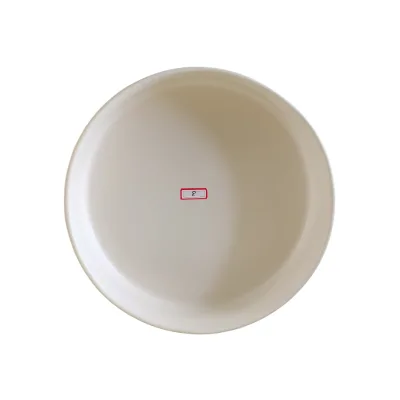


Ins Style Dessert Plate Round Ceramic Salad Plate 7.5inch Kitchen Ceramic Plate
$0.50 - $1.50
MOQ: 5000 Pieces


New Round White Ceramic Salad Dinner Plate Sushi Serving Tray Restaurant
$0.99 - $3.99
MOQ: 100 Pieces


Eco-Friendly 8"Soup Plate Pad Printing Porcelain Ceramic Plate Tableware
$0.40 - $0.42
MOQ: 4000 Pieces



Comprehensive Sourcing Guide
Eco Friendly Ceramic Salad Plate Sourcing Guide
Procuring eco-friendly ceramic salad plates requires distinguishing between reusable artisanal ware and disposable alternatives, as the market presents conflicting product attributes. While some listings describe handpainted porcelain plates with FDA and LFGB certifications for daily use, others list disposable items with heat-resistant properties but explicitly state they are not dishwasher safe. Buyers must carefully align their specific operational needs with these divergent material definitions to avoid purchasing single-use items when durable, reusable tableware is required.
The sourcing strategy should prioritize verifying the actual material composition, as "ceramic" and "porcelain" are often used interchangeably but imply different firing temperatures and durability profiles. Observations indicate that some products originate from specific regions like Shandong or Guangdong, which may influence the glazing techniques and final thermal stability. It is essential to confirm whether the item is truly a reusable ceramic plate or a bio-degradable alternative, as the latter may not meet the longevity expectations of a permanent dining service.
Product Scope and Observed Listing Signals
The current market signals reveal a wide spectrum of product types, ranging from minimalist, handcrafted dinner plates to disposable, eco-friendly bio-degradable options. Some listings explicitly describe ceramic salad bowls with handpainted finishes and specific dimensions, while others focus on disposable features like being oven-safe yet non-dishwasher safe. This inconsistency suggests that buyers must scrutinize the product description to ensure the item matches the intended use case, whether it is for high-volume catering or a boutique restaurant setting.
Visual and functional attributes such as shape, color, and packing methods provide critical clues about the product's intended lifecycle. Observed data includes round white plates, specific model numbers like ZB-S-P-28, and packing configurations ranging from bulk to carton. Buyers should verify if the "eco-friendly" claim refers to the manufacturing process, the material's biodegradability, or simply the absence of plastic, as the listed features vary significantly between reusable ceramic sets and disposable alternatives.
Technical Specifications to Verify
Technical verification must begin with the material composition, specifically confirming whether the product is made of true porcelain or a ceramic composite that meets the desired thermal stability. Listings mention techniques such as glazing and handmade methods, which directly impact the plate's resistance to thermal shock and its suitability for oven use. Buyers should request detailed specifications on the firing temperature and glaze composition to ensure the plate can withstand repeated heating cycles without discoloring or cracking.
Dimensional accuracy and packaging standards are equally critical for logistics and storage efficiency. Observed specifications include sizes like 26cmx6cm and single package dimensions of 10x10x20 cm, which vary widely across different models. Procurement teams must validate these measurements against their existing tableware inventory and storage constraints. Additionally, confirming the packing method, whether it is bulk or 24 pieces per carton, is essential for calculating shipping costs and minimizing breakage during transit.
Compliance and Safety Documentation
Safety compliance is a non-negotiable aspect of sourcing ceramic tableware, particularly for food contact applications. Trusted listings indicate that products may pass SGS and FDA tests, with some holding specific certifications like LFGB for European markets. Buyers must request current, valid test reports for every batch to verify that the glazes and raw materials do not leach harmful substances such as lead or cadmium into food.
The distinction between certified reusable ware and disposable items is vital for regulatory adherence. While some products are marketed as eco-friendly and health-care oriented, others are explicitly labeled as disposable and may not undergo the same rigorous safety testing as permanent dinnerware. Procurement teams should ensure that the supplier provides documentation proving the product meets the specific food safety standards of the destination country, rather than relying on general marketing claims about being eco-friendly or safe.
Cost Drivers and Commercial Terms
Cost structures for ceramic salad plates are heavily influenced by the production method, with handmade items commanding higher prices than mass-produced alternatives. The observed Minimum Order Quantities (MOQ) range significantly, from 500 pieces for some customized orders to 8,000 pieces for others, directly impacting the unit price and cash flow requirements. Buyers must balance the desire for customization, such as OEM branding, against the higher costs and longer lead times associated with smaller production runs.
Commercial terms regarding payment, shipping, and packaging also play a decisive role in the total cost of ownership. Listings show variations in packing, from simple bulk shipments to cartonized units with specific piece counts, which affect freight costs and insurance premiums. Additionally, the origin of the product, whether from Shandong or Guangdong, can influence logistics expenses and import duties. Buyers should negotiate clear terms that account for these variables to avoid unexpected cost overruns.
Supplier Qualification and Quality Control
Supplier qualification requires a deep dive into their manufacturing capabilities and quality assurance protocols. The presence of specific certifications like FDA and LFGB suggests a baseline of compliance, but buyers must verify the supplier's ability to maintain consistency across large production batches. It is crucial to assess whether the supplier has a dedicated quality control team to inspect for defects such as chips, cracks, or uneven glazing before shipment.
Quality control should extend beyond the final product to include raw material sourcing and the firing process. Since some products are described as handmade, there is an inherent risk of variation in size and shape that must be managed through strict sampling protocols. Buyers should implement a pre-shipment inspection process that checks for the "Eco-Friendly" claims and ensures the physical attributes match the agreed-upon specifications, such as the round shape and white color.
Long-Term Procurement Checks
Long-term procurement success depends on establishing a reliable supply chain that can adapt to changing market demands and regulatory updates. Buyers should regularly audit their suppliers to ensure continued compliance with safety standards and to verify that the "eco-friendly" attributes remain consistent over time. This includes monitoring for any changes in raw material sources or manufacturing techniques that could affect the product's durability or safety profile.
Building a strategic partnership with suppliers who offer customization and flexible MOQs can provide a competitive advantage in the long run. As the market evolves, the ability to source both reusable ceramic plates and disposable alternatives from the same supplier network can streamline operations. Buyers should maintain open communication channels to stay informed about new product developments, such as improved glazing techniques or more sustainable raw materials, ensuring their product offerings remain relevant and compliant.
FAQs
What materials are used for eco friendly ceramic salad plates?
These plates are crafted from high-quality ceramics and porcelain, ensuring durability and safety for daily use. The materials are glazed and often handpainted, providing a robust surface that resists discoloring. This composition supports health care standards while maintaining an eco-friendly profile suitable for various dining environments.
Can eco friendly ceramic salad plates be customized for branding?
Yes, customization is available for these ceramic plates, allowing for OEM and OCM work. Buyers can request specific designs, such as handpainted patterns or minimalist styles, to match their brand identity. This flexibility supports private labeling and unique aesthetic requirements for commercial or personal use cases.
What certifications ensure the safety of these ceramic plates?
Safety is verified through FDA and LFGB certifications, confirming compliance with international food contact standards. Additional tests, such as SGS reports, further validate the product's integrity. These credentials ensure the ceramic material is safe for daily use and meets rigorous health and safety requirements for global markets.
How are eco friendly ceramic salad plates packaged for shipping?
Packaging typically involves cartons with bulk quantities, such as 24 pieces per carton, to optimize logistics. Some items may be listed with FOB terms, indicating specific shipping arrangements. This structured packing protects the glazed ceramic surface during transit while facilitating efficient handling and storage for buyers and distributors.
What is the typical MOQ for ordering these ceramic plates?
The minimum order quantity varies, with some listings requiring as low as 500 pieces, while others may demand up to 8000 pieces. This range allows flexibility for different buyer scales. Understanding the specific MOQ is crucial for planning inventory and ensuring cost-effective procurement for your specific business needs.
Are these ceramic plates dishwasher safe for easy cleaning?
While the ceramic material is durable and heat-resistant, some listings indicate the plates are not dishwasher safe. Buyers should verify cleaning instructions for specific models, as handwashing may be recommended to preserve the glaze and handpainted details. This ensures longevity and maintains the aesthetic quality of the plates over time.