Source Automatic Wine Labeling Machine for Drinks, Cosmetics, and Dairy
Find 30 Automatic Wine Labeling Machine options from Chinese manufacturers. Compare specs like labeling speed, accuracy, and voltage for round bottles in beverages, cosmetics, and dairy applications. Evaluate electric and mechanical driven types with servo motors for high precision labeling on various container shapes.
Key considerations
Products List


Automatic Wine Labeling Machine Sleeve Labeling Machine Wine Bottle Labeler Machine
$4499.00 - $14999.00
MOQ: 1 Pieces


Automatic Glass Bottle Labeling Machine / Sticker Labelling Machine
$3000.00 - $20000.00
MOQ: 1 Pieces


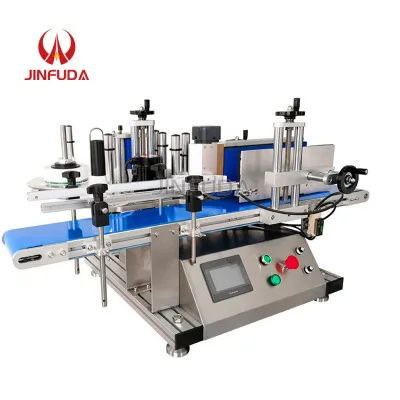


High Speed Bottle Labeling Machine for Wine Bottles and Glass Bottles
$4595.00 - $5000.00
MOQ: 1 Pieces


Semi-Auto Round Bottle Labeling Machine, Semi-Auto Labeler, Semi Automatic Label Machine
$980.00 - $48750.00
MOQ: 1 Pieces
Comprehensive Sourcing Guide
Automatic Wine Labeling Machine Sourcing Guide
The market for automatic wine labeling machines presents a diverse range of solutions tailored for high-volume production environments. Buyers observe a classification of equipment ranging from vertical round bottle systems to specialized upper and lower sticker applicators. These machines are engineered to handle various bottle shapes, including round, oval, and square configurations, ensuring versatility across different wine packaging lines. The driven types vary between electric and mechanical systems, allowing procurement teams to select based on specific power requirements and operational speeds.
Application data indicates that these labeling units are frequently deployed for beverages, including drinks and dairy products, alongside cosmetics and cleaning agents. While the core keyword focuses on wine, the observed capabilities extend to seasoning, rice, flour, and snack packaging, suggesting a high degree of adaptability. The labeling speed typically ranges from 0 to 200 pieces per minute, with accuracy tolerances between plus or minus 0.5 to 1 millimeter. This precision is critical for maintaining brand integrity on premium wine bottles where label placement is a key visual element.
Product Scope and Observed Listing Signals
Procurement signals reveal a wide price spectrum, with observed listings ranging from approximately 769 to 80,000 USD. This significant variance often reflects differences in automation levels, motor types, and the complexity of the labeling mechanism. Some units feature servo motors for enhanced control, while others rely on standard mechanical drives. The minimum order quantity is consistently observed at one unit, facilitating entry for small to medium-sized wineries without requiring bulk commitments.
Packaging standards for these machines vary, with options including plywood cases, wooden export cases, and standard export packages. The physical dimensions of the equipment can be customized, with some models adhering to specific standard sizes like 255 x 235 x 202 cm. Buyers should note that the product origin is primarily China, with manufacturing hubs in Wenzhou, Shanghai, Guangzhou, and Jiangsu. This geographic distribution allows for potential logistical advantages depending on the buyer's location and shipping preferences.
Technical Specifications to Verify
When evaluating technical capabilities, the voltage and power consumption are primary verification points. Most observed units operate on AC220V at 50/60Hz single-phase power with a consumption of around 2.5kw. It is essential to confirm that the electrical infrastructure at the destination facility matches these specifications to prevent operational failures. Additionally, the labeling speed and accuracy must align with the production line's throughput requirements, as some models offer speeds up to 180 bottles per minute.
The suitability of the machine for specific label dimensions is another critical technical factor. The observed maximum label width is 150mm, which must accommodate the specific wine bottle labels in use. Buyers should also verify the number of sides the machine can label, as options range from one to three sides. The motor type, whether servo or standard, directly impacts the precision and reliability of the labeling process, making it a key differentiator in the selection process.
Compliance and Safety Documentation
Safety and compliance documentation are mandatory for industrial machinery imported into most jurisdictions. Some observed listings explicitly mention adherence to CE and SGS standards, which are crucial for market access in Europe and other regulated regions. Buyers must request current certification documents to ensure the equipment meets local safety regulations regarding electrical safety and mechanical guarding. Without these documents, the machinery may face customs delays or fail to pass local safety inspections.
Beyond physical safety, the operational standards of the machine must be verified against the buyer's specific production needs. While some models offer customized standards, others may have fixed configurations. It is vital to confirm that the machine's operational parameters, such as labeling accuracy and speed, are validated through internal testing or third-party reports. This verification ensures that the equipment will perform reliably under continuous operation without compromising product quality or worker safety.
Cost Drivers and Commercial Terms
The total cost of ownership is influenced by several factors beyond the initial purchase price. The complexity of the labeling mechanism, the type of motor used, and the level of customization required all drive the final cost. Buyers should anticipate that higher precision models with servo motors and advanced positioning capabilities will command a premium price. Additionally, the packaging method, such as a standard export wooden case versus a plywood case, can impact shipping costs and insurance premiums.
Commercial terms regarding after-sales support and warranty are equally important in the procurement decision. Many suppliers offer a 12-month guarantee and provide engineers available for overseas service, which is a significant value-add for international buyers. The availability of spare parts and the responsiveness of the technical support team should be clearly defined in the contract. Understanding these terms helps mitigate the risk of production downtime and ensures long-term operational stability.
Supplier Qualification and Quality Control
Supplier qualification involves verifying the manufacturer's location and production capacity. The observed data points to manufacturers in key Chinese provinces like Zhejiang, Jiangsu, and Guangdong, which are known for their industrial manufacturing capabilities. Buyers should assess the supplier's track record in producing similar labeling machines and their ability to handle custom orders. The presence of a dedicated engineering team for overseas service is a strong indicator of a supplier's commitment to customer satisfaction.
Quality control processes must be rigorously evaluated before finalizing a purchase. Buyers should inquire about the testing procedures used to validate labeling accuracy and machine durability. The ability to customize the machine for specific bottle shapes and label sizes demonstrates a supplier's flexibility and technical competence. Establishing a clear quality assurance protocol, including pre-shipment inspections, ensures that the delivered equipment meets the specified performance criteria and reduces the risk of receiving non-compliant machinery.
Long-Term Procurement Checks
Long-term procurement success depends on the availability of technical support and spare parts. Buyers should confirm that the supplier maintains a robust inventory of critical components to minimize downtime during repairs. The offer of engineers available for overseas service is a valuable asset, but the response time and cost structure for such services must be clearly understood. A proactive maintenance plan can significantly extend the lifespan of the labeling machine and maintain consistent production output.
Finally, the adaptability of the machine to future production needs is a key consideration for long-term planning. As wine packaging trends evolve, the ability to adjust the machine for different bottle sizes or label types is essential. Buyers should verify the customization options available, such as the ability to modify the machine for different standard sizes. Ensuring that the equipment can grow with the business prevents the need for premature replacement and protects the initial investment in the labeling system.
FAQs
What labeling accuracy can I expect from automatic round bottle labeling machines?
You can expect a labeling accuracy of plus or minus 0.5 to 1 millimeter. This precision ensures professional presentation for various products. The machines utilize servo motors and positioning features to maintain consistent placement. This accuracy is suitable for high-speed production lines requiring strict quality control standards.
Can these machines handle different bottle shapes like round or square?
Yes, these machines are designed to handle round, oval, and square bottle shapes. The adjustable mechanisms accommodate various container geometries effectively. This versatility allows manufacturers to label diverse product types without changing equipment. It supports flexible production schedules for different packaging requirements.
What is the typical labeling speed for automatic vertical bottle labeling machines?
The typical labeling speed ranges from 0 to 200 pieces per minute. This capacity supports efficient high-volume production environments. The speed can be adjusted based on specific operational needs. It ensures that production lines meet daily output targets while maintaining label quality.
Which certifications are commonly associated with these automatic labeling machines?
Common certifications include CE and SGS standards. These certifications indicate compliance with international safety and quality regulations. They provide assurance regarding machine reliability and operational safety. Buyers often require these documents for import and installation in various regions.
How are these machines typically packed for international shipping?
Machines are typically packed in standard export wooden cases or plywood cases. This packaging protects the equipment during long-distance transit. Some units may also use carton packaging for smaller components. The sturdy packaging ensures the machine arrives in optimal condition for installation.
What voltage and power requirements do these automatic labeling machines have?
These machines usually require AC220V 50/60Hz single-phase power. The typical power consumption is around 2.5 kilowatts. This electrical specification is standard for many industrial environments. Buyers should verify their local power supply matches these requirements before installation.