Source Automatic Wheat Flour Pellet Extruder for Chips, Popcorn, and Animal Feed
Compare 30 Automatic Wheat Flour Pellet Extruder units from Jinan, Shandong, China. These electric machines feature single screw extruders and ABB motors for producing chips, popcorn, and animal feed with capacities up to 300kg per hour.
Key considerations
Products List


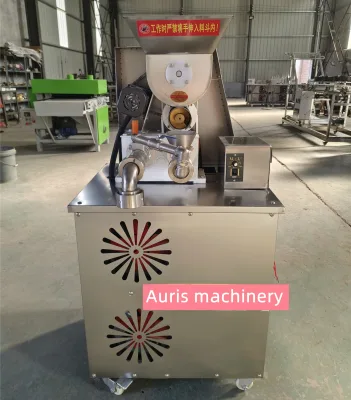


$1.00 - $128000.00
MOQ: 1 Sets


$9900.00 - $22000.00
MOQ: 1
Comprehensive Sourcing Guide
Strategic Sourcing Guide for Automatic Wheat Flour Pellet Extruders
Understanding the Core Technology and Operational Scope
The Automatic Wheat Flour Pellet Extruder represents a critical piece of industrial equipment designed to transform raw grain inputs into uniform, high-density snack products. In the context of B2B procurement, understanding the fundamental mechanics of these machines is essential for aligning equipment capabilities with production goals. These systems typically operate on the principle of thermal processing, where wheat flour and other compatible raw materials are subjected to high pressure and temperature within a barrel. The extrusion process forces the material through a die, creating the desired pellet shape before cutting and drying.
The observed market data indicates that these machines are predominantly electrically powered, utilizing robust motor systems to drive the extrusion screw. A key technical observation is the prevalence of single-screw extruder configurations, which are standard for processing wheat flour into various snack forms. The screw itself is a critical wear component, often fabricated from specialized alloys such as 38CrMoAl to ensure durability against the abrasive nature of grain processing and the high thermal loads involved. The raw material input is primarily wheat flour, though the machinery is frequently designed to accommodate a blend of corn, grass, and other agricultural byproducts depending on the specific product formulation.
Capacity is a primary variable in selecting the right unit. Procurement teams must evaluate whether the production line requires a throughput of 100 to 300 kilograms per hour or higher, as this directly influences the physical footprint and power requirements of the installation. The physical dimensions of these units can be substantial, with some configurations reaching lengths of 22,500 millimeters, widths of 2,000 millimeters, and heights of 2,200 millimeters. Buyers must ensure their facility infrastructure can accommodate these spatial requirements before finalizing a purchase order.
Technical Specifications and Configuration Variability
When evaluating specific models, buyers will encounter a variety of designations that reflect different processing capabilities. Common model identifiers observed in the market include the DLG90, DLG130, SLG65, SLG70, SLG85, and the specific variant SLG65-C. Other designations such as Vinci, HLAM-100, HF11, and ARN-25 also appear, suggesting a diverse range of manufacturers offering distinct configurations. It is crucial to note that while these model numbers exist, they do not guarantee identical performance across different suppliers. Each model number corresponds to a specific set of engineering parameters that must be verified against the buyer's production needs.
The electrical requirements for these machines are equally varied. The voltage specifications observed range from 220V to 420V, including specific options for 380V and 415V. This variability necessitates a thorough review of the local power grid infrastructure to ensure compatibility. Mismatched voltage requirements can lead to equipment failure or the need for expensive transformer upgrades. Furthermore, the motor selection is a significant factor in long-term operational efficiency. While some listings specify ABB motors, others indicate a broader range including Siemens, LG, and generic Chinese brands. The choice of motor brand often correlates with the expected maintenance schedule and the availability of spare parts in the buyer's region.
The drying phase of the production line is another critical technical component. The fuel source for the dryer can vary significantly, with options including electricity, gas, fuel, and diesel. This flexibility allows manufacturers to adapt to local energy costs and availability, but it also introduces complexity in the procurement process. Buyers must calculate the total cost of ownership, factoring in not just the machine price but also the ongoing cost of the specific fuel type required for the drying process. The machine material is consistently noted as stainless steel, which is vital for maintaining food safety standards and preventing corrosion during the thermal processing of wheat flour.
Compliance, Certification, and Regulatory Standards
Navigating the regulatory landscape is a non-negotiable aspect of sourcing industrial food machinery. The supplied data highlights several certification and standard designations that serve as indicators of quality and compliance. The most frequently observed standards include CE and ISO9001, often listed together as CE ISO9001. Additionally, some entries reference CE, ISO, and SGS certifications. It is important to treat these as observations of what is available in the market rather than universal guarantees for every listed product. Buyers must verify that the specific unit they intend to purchase carries the valid certification for their target export markets.
The certification status of the machine is often linked to its origin. Many of the observed products originate from Jinan, Shandong, China, a region known for its concentration of food processing machinery manufacturers. The standard "CE" designation implies compliance with European health, safety, and environmental protection standards, which is a prerequisite for selling machinery within the European Economic Area. Similarly, ISO9001 certification indicates that the manufacturer adheres to specific quality management principles. However, the presence of a "Customized" standard in some listings suggests that certain machines may be built to bespoke specifications that do not fit standard certification frameworks without additional verification.
Buyers should also be aware of the "Fumigation Free Wooden Case" and "Wooden Box" packing standards. These are not merely packaging details but are critical for international logistics compliance. Wood packaging materials often require specific treatment to prevent the spread of pests, and the "Fumigation Free" designation simplifies customs clearance in many jurisdictions. The validity of certifications, such as the "1 Year" validity period mentioned in some contexts, should be scrutinized to ensure that the documentation provided with the machine remains current upon delivery.
Cost Drivers and Economic Considerations
The pricing structure for automatic wheat flour pellet extruders is highly variable, reflecting the complexity of the machinery and the customization level. The observed price range spans from 1 USD to 128,000 USD, a disparity that underscores the difference between small-scale units and fully integrated production lines. This wide range is driven by several factors, including the capacity of the machine, the quality of the motor brand, the complexity of the drying system, and the extent of customization.
Minimum Order Quantity (MOQ) is another significant economic factor. The observed MOQ ranges from 1 unit to 15,000 units. For most buyers, an MOQ of 1 is ideal for pilot testing or small-scale operations, whereas an MOQ of 15,000 suggests a bulk industrial order or a specific component supply arrangement. The "Customized" attribute listed in the data implies that buyers may need to pay a premium for tailored specifications, such as unique dimensions, specific motor brands, or specialized die configurations.
The total cost of ownership extends beyond the initial purchase price. Buyers must consider the cost of the raw materials, which are primarily wheat flour but can include corn and other grains. The energy consumption, determined by the motor efficiency and the fuel type for the dryer, will also impact long-term profitability. Additionally, the "Validty: 1 Year" note suggests that warranty periods may be short, requiring buyers to budget for potential maintenance and repair costs shortly after the initial purchase. The "Container" packing option for certain models indicates that shipping costs may be a significant component of the overall expenditure, particularly for international buyers.
Typical Applications and Product Versatility
The versatility of the Automatic Wheat Flour Pellet Extruder is one of its most attractive features for B2B buyers. The primary application is the production of snack foods, specifically chips and popcorn. The machinery is explicitly categorized under "Snack Food" and "Fried Snack Making Machine," indicating its core function in the food industry. However, the application scope extends beyond simple snacks. Some configurations are noted for producing ice cream and chocolate products, suggesting a broader utility in the confectionery sector.
The raw material flexibility allows for the production of various food types. While wheat flour is the primary input, the machines can process corn, grass, and other agricultural products. This versatility enables manufacturers to diversify their product lines without investing in entirely new machinery. The "Useful: Animal Feed" attribute indicates that some extruders are also suitable for producing feed pellets, although this is a distinct application from human food production and may require different hygiene standards.
The "Machine Name: Corn Pellet Processing Line" designation further highlights the machine's adaptability. Buyers looking to expand into the animal feed market or produce corn-based snacks can utilize the same core technology with minor adjustments to the die and processing parameters. The "Application: Chips, Popcorn" and "Application: Chips, Ice Cream, Chocolate" listings demonstrate that the same base technology can be adapted for a wide range of consumer goods, making it a valuable asset for manufacturers seeking to maximize the utility of their capital investment.
Supplier Evaluation and Quality Assurance Protocols
Selecting the right supplier requires a rigorous evaluation process that goes beyond the basic product listings. Buyers should prioritize suppliers who can provide clear documentation regarding the "Standard: CE, ISO, SGS" compliance. The origin of the machine, frequently listed as "Jinan, Shandong, China" or "Jinan Shandong Chian," should be verified to ensure the supplier is a legitimate manufacturer rather than a trading company. The presence of specific motor brands like ABB, Siemens, or LG in the product specifications is a positive indicator of quality, as these are reputable international brands known for reliability.
Quality control should be a central part of the procurement strategy. Buyers must verify the "Screw Material: 38CrMoAl" to ensure the extruder screw is made from a high-grade alloy capable of withstanding the rigors of thermal processing. The "Machine Material: Stainless Steel" specification is a baseline requirement for food safety, and buyers should confirm the grade of stainless steel used to ensure it meets local food contact regulations. The "Customized: Non-Customized" and "Customized: Customized" attributes indicate that some suppliers offer standard models while others provide bespoke solutions. Buyers should clarify which category their order falls into to avoid misunderstandings regarding lead times and pricing.
The "Product Packing: Wooden Case" or "Fumigation Free Wooden Case" details are critical for logistics. Buyers should request proof of fumigation treatment if the "Fumigation Free" claim is not explicitly documented. The "Dimension: 22500X2000X2200mm" specification highlights the need for precise space planning. Buyers should also inquire about the "Validity: 1 Year" warranty terms to understand the scope of post-purchase support. Finally, the "Motor: ABB, Siemens, LG, Chinese Brand" listing suggests that buyers should specify their preferred motor brand in the purchase order to ensure they receive the equipment they expect.
Long-Term Procurement and Operational Sustainability
Sourcing an Automatic Wheat Flour Pellet Extruder is a long-term investment that requires careful consideration of future operational needs. The "Capacity: 100-300kg/H" range suggests that buyers should plan for potential production scaling. If a business anticipates growth, selecting a machine with a higher capacity or a modular design that allows for expansion may be more cost-effective than purchasing a smaller unit and replacing it later. The "Voltage: 220V, 380V, 415V, 420V" variability means that buyers must consider the stability of their local power supply and the potential need for voltage regulation equipment.
Sustainability is also a growing concern in the food industry. The "Dryer Fuel: Electricity, Gas, Fuel, Diesel" options allow buyers to choose the most environmentally friendly and cost-effective energy source for their specific location. Transitioning to electric drying systems, for example, could reduce the carbon footprint of the production line, although this may require higher upfront investment. The "Raw Mateial: Wheat Flour" and "Raw Material: Corn, Wheat, Gress, and So On" flexibility supports a circular economy approach, allowing manufacturers to utilize local agricultural byproducts and reduce waste.
Finally, the "Product Model" diversity, including DLG, SLG, Vinci, and HLAM series, indicates that buyers should not limit their search to a single model number. Instead, they should evaluate the entire portfolio of available machines to find the best fit for their specific application. The "Standard: Customized" option suggests that buyers can work with suppliers to develop unique solutions that address specific market demands or regulatory requirements. By focusing on these long-term considerations, buyers can ensure that their investment in an Automatic Wheat Flour Pellet Extruder remains viable and profitable for years to come.
FAQs
What certifications do automatic wheat flour pellet extruders typically have?
Most units carry CE and ISO9001 certifications, with some also listing SGS. These standards indicate compliance with safety and quality management principles, though buyers must verify specific documentation for each model before purchase.
Which motor brands are commonly used in these extruder machines?
ABB motors are frequently specified, but listings also include Siemens, LG, and generic Chinese brands. The motor choice impacts long-term efficiency and spare parts availability, so verify the specific brand included in the quote.
Can these machines process raw materials other than wheat flour?
Yes, they can process corn, grass, and other agricultural products in addition to wheat flour. This versatility allows for producing snacks, animal feed, and other pellet-based goods depending on the die configuration used.
What is the typical production capacity for an automatic extruder?
Observed capacities range from 100 to 300 kilograms per hour for standard models. Larger industrial lines may have different specifications, so confirm the exact throughput requirement matches the machine model before ordering.
How are these machines typically packed for international shipping?
They are usually packed in wooden boxes, wooden cases, or fumigation-free wooden cases. Some models use container packing, which affects shipping costs and customs clearance requirements for international buyers.
What voltage options are available for these electric machines?
Voltage specifications include 220V, 380V, 415V, and 420V to match local power grids. Buyers must ensure their facility infrastructure supports the specific voltage required by the selected machine model to avoid damage.
Which dryer fuel types are compatible with these extrusion lines?
Dryers can operate on electricity, gas, fuel, or diesel depending on the configuration. This flexibility allows adaptation to local energy costs, but the total cost of ownership will vary based on the chosen fuel source.