Source Automotive Roof Curtains for Camping, Travel, and Privacy
Find and compare 19 Automotive Roof Curtains designed for camping, travel, and privacy. These products feature waterproof materials, custom fits, and durable structures to enhance vehicle comfort and utility.
Key considerations
Products List


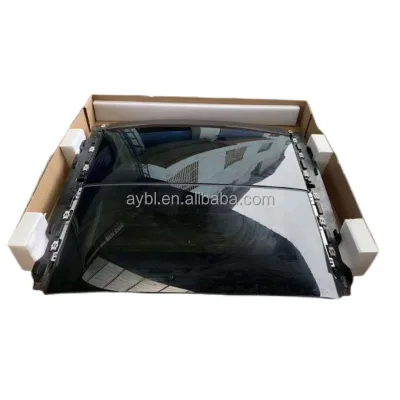


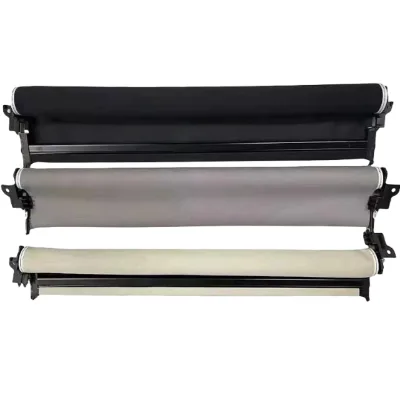
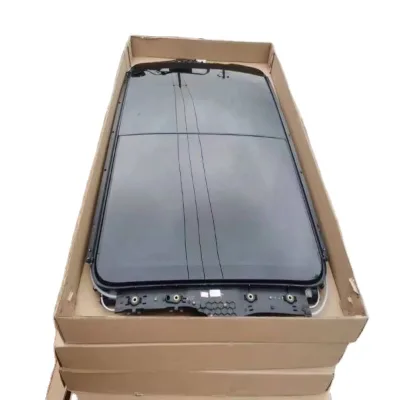
Comprehensive Sourcing Guide
Automotive Roof Curtains Sourcing Guide
Sourcing Automotive Roof Curtains and related vehicle-mounted shelter systems requires a nuanced understanding of both automotive accessory standards and outdoor equipment specifications. Buyers often encounter a hybrid market where products labeled as "roof curtains" may actually be side window shades, sunshades, or components of larger roof-top tent structures. The core keyword suggests a focus on privacy, sun protection, and weather shielding for vehicle roofs or windows, but the actual product landscape includes diverse items such as folding car umbrellas, side window shades, and complete camping tent systems mounted on vehicle roofs. Understanding this distinction is critical for defining accurate technical requirements and avoiding miscommunication with suppliers who may use generic terminology for highly specialized products.
The procurement process for these items involves evaluating materials that balance durability with weight constraints, as automotive applications demand components that can withstand vibration, temperature fluctuations, and UV exposure. Buyers must distinguish between simple fabric shades and complex mechanical assemblies that include poles, ladders, and mounting bases. The observed market signals indicate a wide range of product types, from simple cardboard-boxed window shades to heavy-duty aluminum-based roof tents with integrated mattresses and telescopic ladders. This diversity necessitates a rigorous verification process to ensure that the selected product meets the specific functional needs of the end-user, whether for daily commuting privacy or off-road camping utility.
Product Scope and Observed Listing Signals
The observed product listings reveal a broad spectrum of automotive and camping-related shelter solutions, highlighting the importance of precise keyword interpretation. Products identified as "Side Window Shades" often feature cartoon or pure color patterns and are marketed with attributes such as breathable, dust-proof, waterproof, and scratchproof properties. These items are typically packaged in boxes and originate from China, with models like CM and C0009 indicating specific design variations. Buyers should recognize that these window shades serve a different function than full roof-mounted shelters, focusing primarily on interior privacy and sun protection rather than creating habitable space on the vehicle roof.
In contrast, more complex products listed under similar search terms include full-scale camping tents designed for roof mounting, such as the SRT01S-56 and SRT01S-48 models. These systems are constructed with high-density PVC covers, rip-stop canvas fabrics, and waterproof polyester oxford flysheets. They often include essential accessories like aluminum telescopic ladders, lightweight aluminum bases, and high-density foam mattresses with removable covers. The presence of optional features such as foxwing awnings, rear awnings, and annex rooms indicates that these are comprehensive shelter systems rather than simple curtains. Buyers must carefully review product descriptions to distinguish between simple fabric accessories and complete mechanical tent structures.
Technical Specifications to Verify
When evaluating Automotive Roof Curtains and related shelter systems, material composition is a primary technical consideration. For window shades, buyers should verify the fabric type and its resistance to environmental factors, noting that some products claim to be breathable and dust-proof while others emphasize waterproof and scratchproof qualities. For roof-mounted tent systems, the fabric material often consists of 280g or 320g rip-stop canvas, with flysheets made from waterproof polyester oxford. The structural integrity of these systems relies heavily on the pole materials, which may include flexible poles, aluminum alloys, or specific diameter aluminum poles such as 16mm dia. verifying these material specifications ensures that the product can withstand the mechanical stresses of vehicle movement and outdoor use.
Mechanical components and assembly details are equally critical for roof-mounted systems. Buyers should inspect the specifications for ladders, bases, and mounting hardware, as these elements determine the ease of installation and long-term reliability. For instance, some roof tents feature aluminum telescopic ladders with adjustable heights ranging from 75cm to 230cm, while others use fixed aluminum poles. The base structure may be made of lightweight aluminum with plastic insulation to protect the vehicle roof. Additionally, the presence of travel covers sealed with velcro and zips indicates attention to portability and protection during transit. Understanding these mechanical details helps buyers assess the product's suitability for their specific vehicle type and usage scenario.
Compliance and Safety Documentation
Compliance and safety documentation vary significantly depending on the product category, with automotive accessories and camping equipment subject to different regulatory frameworks. For products marketed as automotive accessories, certifications such as FCC, ISO, RoHS, CE, ECE, and DOT may be relevant, particularly if the product includes electronic components or is intended for use in markets with strict automotive safety standards. Buyers should verify that the supplier can provide valid certification documents and understand the scope of each certification, as some may apply to manufacturing processes rather than the product itself. The mention of management certifications like ISO/TS, BSCI, GMP, ISBRC, and GSC indicates a focus on quality management and social responsibility, which can be important for large-scale procurement.
For camping and shelter products, safety documentation often focuses on material safety and structural integrity rather than automotive compliance. Buyers should inquire about the safety glass specifications if the product includes transparent panels, as well as the fire retardancy and chemical safety of the fabrics and foams. The use of high-density foam mattresses and waterproof coatings may require compliance with specific chemical regulations, such as REACH, although this should be treated as a background consideration rather than a confirmed standard. Buyers must ensure that the supplier provides clear information on material safety data sheets and any relevant testing reports to mitigate liability and ensure end-user safety.
Cost Drivers and Commercial Terms
Cost drivers for Automotive Roof Curtains and related products are influenced by material quality, complexity of design, and packaging requirements. Simple window shades packaged in boxes tend to have lower unit costs, while complex roof tent systems with aluminum bases, telescopic ladders, and integrated mattresses command higher prices due to the extensive use of metal components and specialized fabrics. The observed price range of 0.3 to 900 USD reflects this disparity, with the lower end representing basic accessories and the higher end representing complete shelter systems. Buyers should analyze the cost structure in relation to the product's features, ensuring that they are not overpaying for unnecessary complexity or underpaying for inadequate materials.
Commercial terms, including minimum order quantities (MOQ) and packaging standards, also impact the total cost of ownership. The observed MOQ range of 5 to 1000 units suggests flexibility for both small and large buyers, but buyers should negotiate terms that align with their inventory management strategies. Packaging plays a role in shipping costs and product protection, with options ranging from simple boxes to export cartons and custom packaging. Buyers should consider the durability of the packaging, especially for products with fragile components like glass or delicate fabric seams, to minimize damage during transit. Additionally, customization options are available, allowing buyers to tailor products to specific branding or functional requirements, which may incur additional costs but can enhance market competitiveness.
Supplier Qualification and Quality Control
Supplier qualification for Automotive Roof Curtains and related products requires a thorough assessment of manufacturing capabilities and quality control processes. Buyers should verify the supplier's origin, with many products originating from China, including specific regions like Hebei and Beijing. This geographic information can provide insights into the supplier's supply chain efficiency and logistical advantages. Buyers should also evaluate the supplier's ability to provide custom fit solutions, as indicated by the "custom fit" standard, which suggests a capability for tailored manufacturing. This customization ability is crucial for products that need to fit specific vehicle models or user requirements.
Quality control measures should be explicitly defined in the procurement agreement, covering aspects such as material inspection, assembly verification, and final product testing. Buyers should request samples to assess the quality of fabrics, the stability of aluminum components, and the functionality of mechanical parts like ladders and zips. For products with certifications, buyers should verify the authenticity of the certificates and ensure that the production process adheres to the certified standards. Regular audits and third-party inspections can provide additional assurance of product quality and supplier reliability, reducing the risk of defects and ensuring consistent supply for large orders.
Long-Term Procurement Checks
Long-term procurement success depends on establishing robust relationships with suppliers and implementing continuous improvement processes. Buyers should monitor supplier performance metrics, such as on-time delivery rates, defect rates, and responsiveness to issues, to identify potential problems early. Regular communication and feedback loops can help align supplier capabilities with evolving buyer needs, particularly for customized products. Buyers should also stay informed about changes in industry standards and regulations, ensuring that their procurement practices remain compliant and competitive.
Sustainability and ethical sourcing are increasingly important considerations in long-term procurement strategies. Buyers should assess the supplier's environmental practices, including the use of eco-friendly materials and waste reduction initiatives. Social responsibility, indicated by certifications like BSCI, should also be evaluated to ensure that the supply chain adheres to ethical labor practices. By integrating these considerations into their procurement strategy, buyers can build a resilient and responsible supply chain that supports long-term business goals and meets the expectations of socially conscious consumers.
FAQs
What customization options are available for Automotive Roof Curtains?
Customization is available for these Automotive Roof Curtains to meet specific buyer needs. The products support custom fit standards and can be tailored with various patterns including cartoon or pure color designs for different vehicle types.
Which certifications do Automotive Roof Curtains manufacturers typically hold?
Manufacturers often hold certifications such as FCC, ISO, RoHS, CE, ECE, and DOT for these products. Management certifications like ISO, BSCI, GMP, and ISOBRC may also be present depending on the specific factory and production standards applied.
How are Automotive Roof Curtains packed for export shipping?
These items are typically packed in boxes, cartons, or export cartons for safe transport. The packaging ensures protection during transit and is designed to handle the specific dimensions of the side window shades or roof tent components.
Can Automotive Roof Curtains be used for camping tents?
Yes, similar products are designed for usage as camping tents, beach tents, and advertising tents. They often feature structures like single skin or ridge tent styles with materials such as canvas or polyester oxford for durability.
What materials are used for automotive roof tent bodies?
Body materials often include rip-stop poly cotton or canvas with waterproof and wind-resistant properties. Some variants use polyester oxford with PU coating rated at 1500mm for enhanced weather protection and longevity.
Which locations supply Automotive Roof Curtains and related gear?
Products originate from locations such as China, Hebei, and Beijing. These regions host factories that produce side window shades, roof tents, and associated camping equipment for international markets.
What is the typical MOQ for ordering Automotive Roof Curtains?
The minimum order quantity ranges from 5 to 1000 units depending on the supplier and product type. Buyers should verify specific MOQ requirements as they vary across different manufacturers and customization levels.