Source Automotive Rubber Engine Mount for Vehicles and Industry
Find 30 Automotive Rubber Engine Mount options from China. Compare EPDM and steel bonded mounts with ISO9001 certification. Source shock absorption parts for auto applications with custom sizes and OEM services available; compare the available evidence and request quotations based on your requirements.
Key considerations
Products List

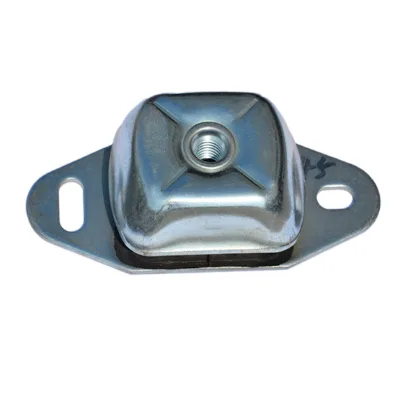


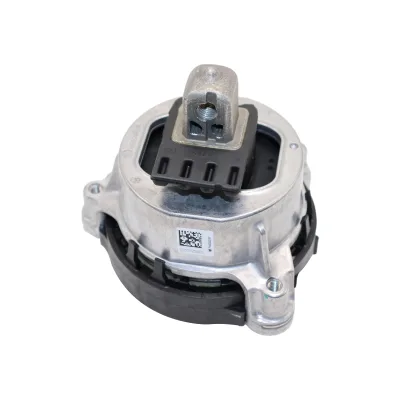


Comprehensive Sourcing Guide
Automotive Rubber Engine Mount Sourcing Guide
Sourcing automotive rubber engine mounts requires a disciplined approach to balancing vibration isolation with structural durability. These components are critical for maintaining vehicle stability and reducing noise transmission from the powertrain to the chassis. Buyers must prioritize suppliers who offer customization capabilities, as engine bay geometries vary significantly across different vehicle platforms. The ability to tailor hardness, size, and bonding methods is essential for meeting specific OEM or aftermarket performance requirements.
The market offers a wide range of materials, including EPDM, NR, and SBR, each providing distinct advantages in terms of weather resistance and elasticity. High elongation at break, often exceeding 300%, ensures the rubber can withstand dynamic stresses without tearing. Additionally, the integration of steel inserts through rubber-metal bonding processes enhances load-bearing capacity. Procurement teams should evaluate these material properties against the specific operational environment of the target vehicle to ensure long-term reliability.
Product Scope and Observed Listing Signals
Current market listings indicate a diverse product range with prices varying significantly based on complexity and volume. Observed price points span from minimal unit costs to higher tiers for specialized assemblies, reflecting the impact of tooling and material selection. Minimum order quantities typically range from small batches for prototyping to large volumes for mass production, allowing flexibility for different buyer scales. Understanding these commercial signals helps in forecasting total landed costs and negotiating favorable terms with potential suppliers.
Product attributes frequently highlight customization options, with many suppliers welcoming OEM and ODM requests. Common specifications include custom sizes and standardized models like BR-Standard Rubber Mounts, which serve as baseline references for further development. Packaging details often involve inner polybags within carton boxes, sometimes reinforced with wooden cases for heavier or more delicate items. These logistical details are crucial for planning storage and handling, ensuring that products arrive in optimal condition for assembly line integration.
Technical Specifications to Verify
Hardness is a primary technical parameter, typically measured in Shore A units, with common ranges spanning from 30 to 95 Shore A. This variation allows for precise tuning of vibration isolation characteristics, where softer compounds absorb more high-frequency noise while harder compounds provide better load support. Buyers must verify the exact durometer requirements for their specific application, as deviations can lead to premature failure or inadequate noise reduction. Confirming these specifications with the supplier ensures that the mount performs as intended under various load conditions.
Elongation at break is another critical metric, with many high-quality mounts exhibiting elongation values of 300% or greater. This property indicates the material's ability to stretch without breaking, which is vital for absorbing sudden shocks and dynamic movements. Additionally, the bonding process between rubber and metal inserts must be robust to prevent delamination under stress. Suppliers should provide detailed technical data sheets that confirm these mechanical properties, ensuring that the components meet the rigorous demands of automotive applications.
Compliance and Safety Documentation
Certification status is a key indicator of a supplier's commitment to quality management systems. Many reputable manufacturers hold ISO 9001 certification, which demonstrates adherence to international standards for quality management. Some suppliers may also possess TS 16949 certification, which is specifically tailored for the automotive industry and emphasizes defect prevention and continuous improvement. Verifying these certifications ensures that the supplier follows consistent processes, reducing the risk of quality variations in bulk orders.
Documentation should also include material safety data sheets and compliance with relevant environmental regulations. Buyers should request evidence that the rubber compounds used are free from harmful substances and meet industry-specific environmental standards. Additionally, testing reports for durability, heat resistance, and chemical compatibility should be reviewed to ensure the mounts can withstand the harsh conditions of an engine bay. Proper documentation not only aids in regulatory compliance but also provides confidence in the product's long-term performance.
Cost Drivers and Commercial Terms
Several factors influence the final cost of automotive rubber engine mounts, including material selection, tooling complexity, and order volume. Custom designs often require dedicated molds, which can increase upfront costs but may be amortized over larger production runs. Suppliers with high supply abilities, such as those capable of producing 100,000 pieces per month, may offer more competitive pricing for large orders due to economies of scale. Understanding these cost drivers helps buyers make informed decisions about design standardization versus customization.
Commercial terms also play a significant role in the total cost of ownership. Minimum order quantities, payment terms, and shipping methods all impact the financial aspects of the procurement process. Suppliers may offer different packaging options, such as wooden cases for heavy items, which can affect shipping costs and handling requirements. Buyers should negotiate clear terms regarding lead times, quality guarantees, and after-sales support to mitigate risks associated with supply chain disruptions or quality issues.
Supplier Qualification and Quality Control
Evaluating supplier capabilities is essential for ensuring consistent product quality. Buyers should assess the supplier's manufacturing processes, including their ability to perform rubber-metal bonding and their quality control protocols. Suppliers with established quality management systems are more likely to deliver products that meet strict automotive standards. Additionally, visiting the manufacturing facility or requesting third-party audit reports can provide valuable insights into the supplier's operational efficiency and commitment to quality.
Quality control measures should include incoming material inspections, in-process checks, and final product testing. Suppliers should have clear procedures for handling non-conforming products and implementing corrective actions. Buyers should also inquire about the supplier's experience with similar automotive applications and their track record of delivering reliable products. Establishing a strong relationship with a qualified supplier ensures that any issues are addressed promptly and that the supply chain remains stable and efficient.
Long-Term Procurement Checks
Continuous monitoring of supplier performance is crucial for maintaining product quality and supply chain reliability. Buyers should regularly review key performance indicators such as on-time delivery rates, defect rates, and responsiveness to issues. Establishing a feedback loop with the supplier allows for continuous improvement and ensures that any deviations from specifications are identified and corrected early. This proactive approach helps in building a resilient supply chain that can adapt to changing market conditions and customer requirements.
Long-term partnerships with suppliers can lead to better pricing, priority production slots, and collaborative innovation. Buyers should invest in building strong relationships with key suppliers, focusing on mutual growth and shared goals. Regular communication and joint planning sessions can help in aligning production schedules with demand forecasts, reducing the risk of stockouts or excess inventory. By prioritizing long-term collaboration, buyers can secure a competitive advantage through reliable supply and high-quality components.
FAQs
What materials are used for automotive rubber engine mounts?
Automotive rubber engine mounts are typically manufactured using EPDM, NR, and SBR materials. These compounds provide essential shock absorption and durability for vehicle applications. The specific material selection depends on the required hardness, which ranges from 30 to 95 Shore A, ensuring optimal performance under various operating conditions and load requirements.
Can I customize the size and hardness of the mount?
Yes, customization is available for both size and hardness. The product model is listed as custom, allowing for specific dimensional requirements. Hardness can be adjusted within the 30-95 Shore A range to meet precise engineering specifications. This flexibility supports OEM and ODM services for tailored automotive suspension and engine mounting solutions.
What certifications do the manufacturers hold?
Manufacturers typically hold ISO9001 and TS16949 certifications for quality management systems. These standards ensure consistent production quality and reliability for automotive components. The certification status confirms adherence to international industry requirements, providing buyers with confidence in the supplier's capability to deliver compliant and high-quality rubber metal bonded parts for global markets.
What is the minimum order quantity for these mounts?
The minimum order quantity is generally 200 pieces, though observed ranges extend up to 1000 pieces depending on the supplier. This MOQ allows for manageable initial procurement while supporting larger production runs. Buyers should verify specific MOQ requirements with vendors, as custom specifications or packaging needs may influence the final order threshold and pricing structure.
How are the mounts packaged for shipping?
Products are packed in inner polybags within carton boxes for standard shipments. Some suppliers use carton boxes with wooden cases for enhanced protection during transit. Packaging details may include plastic sealing film and packing strap reinforcement. This ensures the rubber mounts remain secure and undamaged during international logistics, particularly when dispatched from ports like Qingdao or Ningbo.
Where are these automotive mounts manufactured?
These automotive mounts are primarily manufactured in China, with specific origins noted in Shandong and Ningbo regions. This location offers established supply chains for rubber and steel components. Buyers can leverage these manufacturing hubs for cost-effective sourcing, ensuring timely delivery and access to a wide variety of standardized and custom-engineered engine mounting solutions for global distribution.