Source Awning Pole for Camping Tent, Beach Tent, Advertising Tent
Compare 30 Awning Pole options from verified Chinese suppliers featuring adjustable telescoping designs and durable aluminum alloys. Buyers can evaluate specifications, customization, and pricing for outdoor tent applications.
Key considerations
Products List


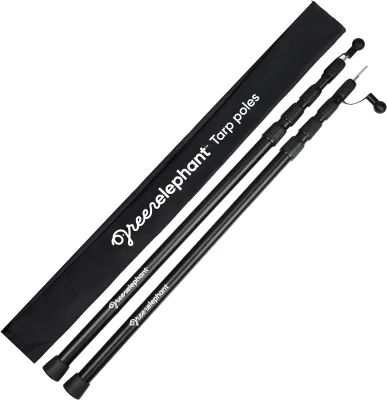
230cm Beach Awning Varieable Height Adjustment Aluminium Telescopic Pole
$5.50 - $15.00
MOQ: 100 Pieces





Comprehensive Sourcing Guide
Strategic Sourcing Guide for Awning Pole Procurement
Understanding Product Architecture and Technical Specifications
When sourcing awning poles, buyers must first distinguish between the structural components and the functional applications. The core product category often encompasses adjustable telescoping poles designed for camping, beach, and advertising tents. Based on observed market data, these components are frequently engineered with a double-skin structure to enhance rigidity and wind resistance. The primary material composition typically involves aluminium alloys, specifically from the 6000 series, with a minimum aluminium content of 98.8%. This composition ensures a favorable strength-to-weight ratio, which is critical for portable outdoor structures.
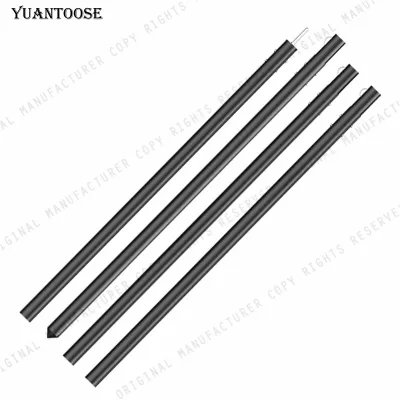
The manufacturing process for these poles involves several key stages, including extrusion, drawing, and rolling. Surface finishes are equally critical for longevity and aesthetic integration. Common surface treatments observed in the market include anodizing, powder coating, and polishing. These processes not only improve corrosion resistance but also allow for customization in color, with silver and black being standard options, though custom color requests are frequently accommodated. The poles are available in various shapes, including round and square profiles, and are often supplied in specific lengths such as 230cm, 250cm, or 280cm. Some models feature telescoping mechanisms that allow for length adjustments ranging from approximately 35 inches to 90 inches, facilitating versatility across different tent sizes.
Material Composition and Structural Integrity
The selection of raw materials dictates the performance envelope of the Awning Pole. While aluminium alloys are the dominant choice, specific grades like 6061 are noted for their excellent machinability and weldability. The temper of the aluminium, ranging from T3 to T8, significantly influences the final mechanical properties. A higher temper generally indicates a harder, stronger material, which is essential for poles that must support the weight of a tarp or tent canopy without bending.
In addition to the primary aluminium body, certain high-performance variants incorporate carbon fiber or rubber grip materials. Carbon fiber is utilized in specific shift or extension sections to reduce overall weight while maintaining tensile strength. Rubber grips are often applied to the handles or locking mechanisms to improve user comfort and prevent slippage during setup. The alloy composition is sometimes listed simply as "Aluminium Alloy" or "Alloy," requiring buyers to request detailed mill certificates to verify the specific chemical makeup and mechanical properties. It is crucial to understand that while "Aluminium Allou" (likely a typo for Alloy) appears in some listings, the specific grade and temper must be confirmed to ensure the pole meets the structural demands of the intended application.
Compliance, Certification, and Standard Verification
Procurement of awning poles requires rigorous verification of standards, as the market contains a mix of generic and specialized products. While some background information references standards such as EN 13561, which pertains to tents and canopies, buyers should not assume that every listed product automatically complies with this standard. Instead, the procurement strategy must involve direct inquiry to the supplier regarding specific compliance documentation. The product standard is often listed as "Customized," indicating that manufacturers may produce to specific client requirements rather than a single universal standard.
Buyers must verify if the poles meet regional safety and performance requirements for outdoor equipment. For instance, if the poles are intended for commercial advertising tents, they may need to withstand higher wind loads than standard camping gear. The absence of a specific certification number in a product listing should trigger a request for third-party test reports. Buyers should ask for evidence of tensile strength testing, fatigue resistance, and corrosion resistance data. Without explicit confirmation, the assumption that a product meets a specific standard is risky. The "prod_standard" field often reflects the customization level rather than a certified industry benchmark, necessitating a proactive approach to quality assurance.
Cost Drivers and Pricing Dynamics
The pricing structure for awning poles is influenced by a complex interplay of material costs, manufacturing complexity, and order volume. The observed price range in the market is vast, spanning from $0.21 to $2800. This wide disparity reflects the difference between basic single-section poles and high-end, multi-section telescoping systems with advanced surface treatments. The lower end of the spectrum typically corresponds to simple, non-telescoping poles with minimal finishing, while the upper end includes complex adjustable models with premium alloys and custom branding.
Minimum Order Quantity (MOQ) is another significant cost driver. While some suppliers offer sample quantities as low as 2 pieces, bulk orders often require a minimum of 200 pieces. This tiered pricing model means that unit costs will decrease as the order volume increases, but the initial capital outlay for a full production run can be substantial. Buyers should also consider the packaging costs, as options range from individual carry bags to bulk carton boxes. The "prod_packing" attribute varies from "Box" to "Carton Box" or "One Into One OPP Bag," and these packaging choices can impact both the final landed cost and the logistics efficiency. Understanding the relationship between MOQ, material grade, and surface finish is essential for accurate budget forecasting.
Typical Applications and Usage Scenarios
Awning poles are versatile components designed for a variety of outdoor applications. The primary usage categories identified include camping tents, beach tents, and advertising tents. In the camping sector, the lightweight nature of aluminium alloy poles is a decisive factor, allowing for easy transport and setup. For beach applications, the waterproof and corrosion-resistant properties of anodized or powder-coated poles are essential to withstand saltwater exposure and high humidity.
Advertising tents, often used for trade shows or promotional events, require poles with high structural integrity to support large fabric canopies. The "Double Skin" structure mentioned in product attributes is particularly relevant here, as it provides the necessary stability for larger spans. Additionally, the poles are used as tarps and beach umbrellas, where adjustability is key. The ability to customize the length and shape (round or square) allows these poles to be adapted for specific event layouts. The "Product Name" often highlights features like "Adjustable Telescoping Lightweight," which directly addresses the needs of users who require rapid deployment and compact storage.
Supplier Evaluation and Quality Control Protocols
Evaluating suppliers for awning poles requires a focus on their manufacturing capabilities and quality control systems. Key attributes to verify include the supplier's location, which is often cited as China or specific regions like Anhui, and their ability to provide customization services. The "Customization" attribute is available across many listings, suggesting that suppliers can tailor dimensions, colors, and logos to meet specific buyer requirements. However, buyers must distinguish between a supplier's ability to customize and their ability to maintain consistent quality during the customization process.
Quality control should be a central part of the supplier evaluation. Buyers should request information on the supplier's inspection processes, including checks for surface finish uniformity, dimensional accuracy, and structural integrity. The "Surface Finish" options like anodizing and powder coating require strict process control to ensure consistent color and thickness. Furthermore, the "Processing Service" capabilities, such as extrusion and drawing, should be verified to ensure the supplier has the necessary machinery to produce the required profiles. It is advisable to conduct a factory audit or request a video tour to confirm that the production lines are equipped to handle the specific grades and tempers of aluminium required.
Long-Term Procurement Considerations and Sustainability
Sourcing awning poles is not merely a transactional activity but a strategic decision that impacts long-term operational efficiency. Buyers should consider the lifecycle of the product, including its durability and recyclability. Aluminium is a highly recyclable material, and sourcing from suppliers who prioritize sustainable manufacturing practices can align with broader corporate sustainability goals. The "prod_origin" and "prod_standard" fields indicate that many products are manufactured in China, which may involve specific logistics and supply chain considerations regarding lead times and shipping costs.
Long-term procurement also involves managing the relationship with the supplier for future orders. The "MOQ" flexibility, ranging from 2 pieces for samples to 200 pieces for bulk, allows buyers to test the market with low risk before committing to large volumes. However, for ongoing needs, establishing a reliable supply chain with consistent lead times is crucial. Buyers should also consider the availability of spare parts and the ease of replacement. The "Product Name" and "Key Words" suggest that the market is competitive, with many suppliers offering similar telescoping features. Differentiating based on quality, customization depth, and after-sales support will be key to securing a reliable supply of awning poles for future projects.
Summary of Key Procurement Factors
To summarize, successful procurement of awning poles requires a detailed understanding of the technical specifications, material grades, and manufacturing processes. Buyers must navigate a wide price range and MOQ requirements while ensuring that the products meet their specific application needs. By focusing on verified standards, robust quality control, and supplier capabilities, buyers can secure high-quality awning poles that deliver value and reliability. The following table summarizes the critical attributes to verify during the sourcing process.
| Attribute Category | Key Verification Points |
|---|---|
| Material | Grade (6000 Series), Alloy (Aluminium 6061), Temper (T3-T8), Content (Min 98.8% Al) |
| Structure | Double Skin, Telescoping Mechanism, Shape (Round/Square), Length (230cm-280cm) |
| Finish | Surface Treatment (Anodized, Powder Coated), Color (Silver/Black/Custom) |
| Compliance | Standard Verification (EN 13561 if applicable), Test Reports, Custom Standards |
| Logistics | MOQ (2-200+), Packaging (Carton/Bag), Origin (China/Anhui), Lead Time |
| Application | Camping, Beach, Advertising, Tarp, Outdoor Use |
By adhering to these guidelines and maintaining a disciplined approach to verification, buyers can effectively navigate the complex landscape of Awning Pole procurement.
FAQs
What materials are used for awning poles?
Awning poles are primarily constructed from aluminium alloys, specifically the 6000 series with a minimum aluminium content of 98.8%. Some high-performance variants may incorporate carbon fiber for shift sections to reduce weight while maintaining strength.
How long are the standard awning poles?
Standard lengths include 230cm, 250cm, and 280cm, with telescoping models adjustable from approximately 35 inches to 90 inches. Specific models like CW-TP-230 offer fixed or variable lengths to suit different tent and tarp requirements.
Can awning poles be customized for branding?
Yes, customization is available for logos, colors, and dimensions. Suppliers offer options for silver, black, or custom colors, and can apply custom logos to the poles to meet specific branding needs for advertising or corporate events.
What is the minimum order quantity for poles?
Sample orders can start as low as 2 pieces, while bulk orders typically require a minimum of 200 pieces. This tiered structure allows buyers to test quality before committing to larger production runs.
Which surface finishes are available for poles?
Common surface treatments include anodizing, powder coating, and polishing to enhance corrosion resistance and aesthetics. These finishes ensure durability for outdoor use in camping, beach, and advertising tent applications.
Where are these awning poles manufactured?
Products originate from China, with specific manufacturing hubs located in regions like Anhui. Buyers should verify the specific factory location to ensure alignment with logistics and lead time expectations.