Source Motorcycle Lifting Handle for Repair, Transport, and Maintenance
Find and compare 30 Motorcycle Lifting Handle options from verified suppliers. Evaluate specifications, certifications, and pricing to select the right components for your sourcing needs. Explore diverse models including universal fits and specific applications like CG125 and Titan CG. Access detailed product attributes such as material, voltage, and packing types to ensure compatibility with your inventory requirements.
Key considerations
Products List


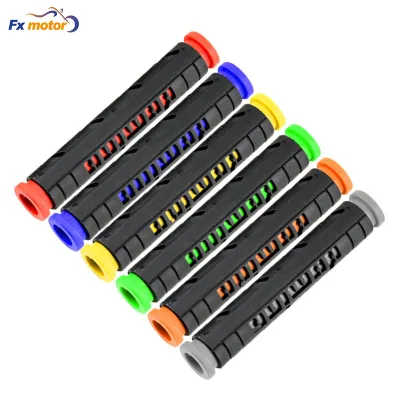
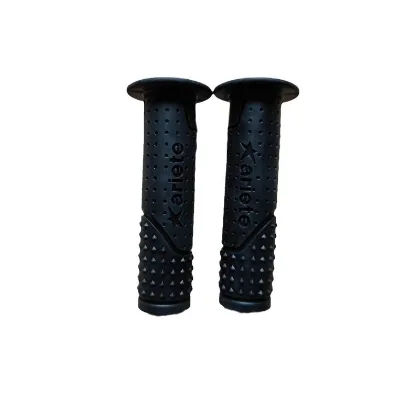

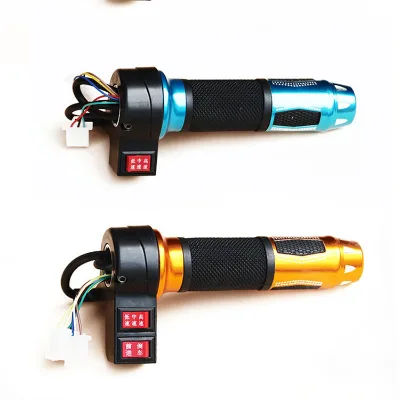
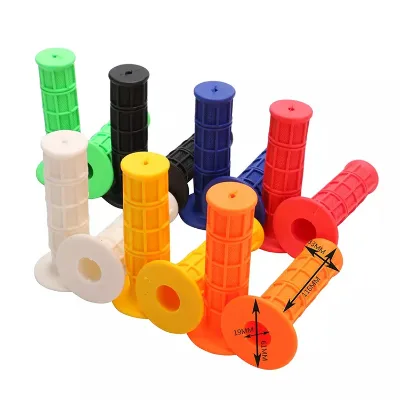


Comprehensive Sourcing Guide
Motorcycle Lifting Handle Sourcing Guide
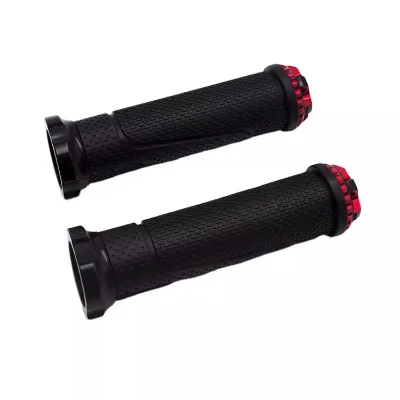
The primary market for motorcycle lifting handles centers on universal fitment components designed for maintenance and transport, often categorized alongside handle grips and body parts. Buyers should note that observed listings frequently include items labeled as universal motorcycle grips or specific switch fits for models like the Titan CG and CG125, indicating a broad compatibility strategy in the supply chain. These components are essential for mechanics and riders needing secure leverage points during engine work or vehicle relocation, serving as critical interface points between the rider and the machine.
Procurement efforts must distinguish between generic lifting aids and specialized handle switches or body parts that may share similar mounting points. The available data highlights products originating from Zhejiang and Hebei, suggesting a concentration of manufacturing hubs capable of producing these durable accessories. Sourcing strategies should prioritize suppliers who explicitly list "One-Stop Source" advantages, as this often correlates with a broader inventory of compatible lifting mechanisms and related motorcycle parts, streamlining the acquisition process for diverse fleet needs.
Product Scope and Observed Listing Signals
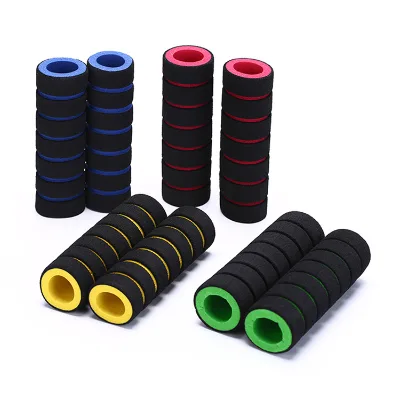
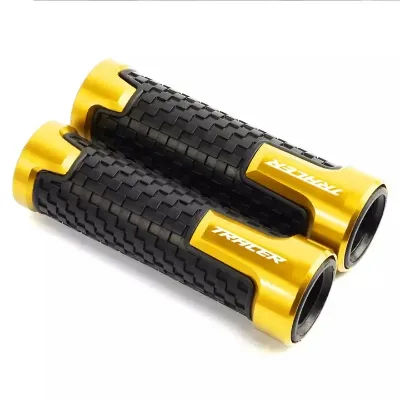
Buyers must carefully evaluate the distinction between actual lifting handles and related components like handle grips or switches, as product names in listings can be ambiguous. Observed data includes items described as "Motorcycle Handle Grips" and "Motorcycle Handle Switch Fit for Titan Cg," which may not function as lifting handles despite sharing similar physical forms. It is crucial to verify the specific functional intent of the item, ensuring the product is engineered for load-bearing leverage rather than just hand protection or electrical switching, to avoid procurement errors.
The observed product range spans from basic neutral packing to branded options like Jalyn, with item numbers such as 3428446 and 2083682 indicating distinct SKUs for different applications. While some listings specify "Universal" fitment, others target specific models like the Gy6-150 or C125, requiring precise matching to the buyer's inventory. Sourcing teams should scrutinize the "Fit for" attributes and model numbers to confirm that the selected component aligns with the specific motorcycle chassis and intended lifting application, rather than assuming interchangeability across all listed items.
Technical Specifications to Verify
Technical verification begins with confirming the material composition and structural integrity, as observed listings cite materials like ABS and various quality grades such as A, B, or C. Buyers should demand detailed specifications regarding the load-bearing capacity and the specific design of the handle mechanism, ensuring it can withstand the torque required for lifting heavy motorcycle frames without deformation. The presence of "Brushless" or "DC" power attributes in some listings suggests a mix of mechanical and electrical components, necessitating a clear definition of whether the lifting handle is purely mechanical or integrated with electronic systems.
Dimensional compatibility is another critical factor, as observed models range from universal fits to specific configurations for Cg125, CD70, and Ax100 motorcycles. Procurement teams must verify the mounting interface and physical dimensions against the target vehicle's frame geometry to ensure a secure fit. Additionally, the voltage ratings and power types listed for certain components indicate that some "handles" may be part of a larger lighting or switch system, requiring buyers to isolate the mechanical lifting function from any electrical integration to prevent compatibility issues during installation.
Compliance and Safety Documentation
Safety compliance is paramount when sourcing motorcycle lifting handles, as these components directly impact rider and mechanic safety during maintenance operations. Observed certifications include ISO9001, CCC, CE, RoHS, and DOT, which serve as indicators of adherence to international quality and safety standards. Buyers should request current certification documents for the specific batch of goods, ensuring that the manufacturer maintains valid ISO9001:2000 or 2001 status and that all safety marks like EEC or SONCAP are applicable to the destination market's regulatory requirements.
Documentation must also cover material safety and environmental compliance, particularly regarding the use of ABS plastics and other polymers used in the handle construction. The presence of SGS standards in some listings suggests a need for third-party verification of material durability and chemical safety. Procurement teams should verify that the "Standard" or "SGS" classifications mentioned in product descriptions correspond to actual test reports, ensuring the lifting handles do not release harmful substances and meet the mechanical stress requirements for their intended use in a workshop or roadside environment.
Cost Drivers and Commercial Terms
Cost structures for motorcycle lifting handles are influenced by the level of customization, packaging type, and the complexity of the certification process. Observed MOQs range widely from 1 to 5000 units, allowing flexibility for small workshops or large distributors, while prices vary significantly based on the inclusion of branded packaging like Jalyn versus neutral options. Buyers should analyze the cost per unit relative to the packaging requirements, as blister cards or OPP bags may add to the overall landed cost compared to simple neutral packing.
Commercial terms must account for the origin of the goods, with major production hubs in Zhejiang and Ningbo offering different logistical advantages. The "One-Stop Source" advantage noted in some listings can reduce administrative overhead by consolidating orders for lifting handles alongside other motorcycle parts, potentially lowering shipping costs. However, buyers must clarify lead times and payment terms associated with specific item numbers, as the variation in product models and quality grades can impact the final pricing and delivery schedule for the procurement cycle.
Supplier Qualification and Quality Control
Supplier qualification requires a rigorous assessment of manufacturing capabilities, particularly regarding the consistency of quality grades like A, B, and C observed in the market. Buyers should prioritize suppliers who can demonstrate a robust quality control system capable of maintaining high standards across different product lines, from universal grips to model-specific switches. The presence of multiple certifications like ISO9001 and CCC indicates a baseline of operational maturity, but on-site audits or third-party inspections are necessary to verify that the specific lifting handles meet the required durability and safety thresholds.
Quality control protocols must extend to the packaging and labeling processes, as observed listings show variations from neutral packing to branded Jalyn packaging. Ensuring that the "Standard" or "SGS" claims are backed by consistent production records is essential for maintaining brand reputation and customer satisfaction. Procurement teams should establish clear acceptance criteria for the physical condition of the handles, including checks for material defects, proper labeling of model numbers, and the integrity of the packaging to prevent damage during transit and storage.
Long-Term Procurement Checks
Long-term procurement success depends on establishing a reliable supply chain that can adapt to changing motorcycle models and regulatory environments. Buyers should monitor the evolution of product specifications, such as the shift from older ISO9001:2000 standards to newer iterations, to ensure continued compliance with global safety norms. Regular reviews of supplier performance against the observed quality grades and certification validity will help mitigate risks associated with supply chain disruptions or sudden regulatory changes in key markets.
Sustainability and product lifecycle management are also critical considerations for long-term sourcing strategies. As the market for motorcycle parts evolves, buyers must assess the availability of replacement parts and the longevity of the lifting handles in the field. Maintaining a relationship with suppliers who offer customization and a broad range of compatible models, such as those fitting Titan CG or Cg125, ensures that the procurement strategy remains flexible and responsive to the diverse needs of the motorcycle maintenance industry over time.
FAQs
What materials are commonly used for motorcycle handle grips?
ABS plastic is a common material listed for motorcycle handle grips, offering good durability and impact resistance for everyday riding. Grips may also use rubber or TPR surfaces layered over a hard core to improve comfort and slip resistance. When requesting quotes, confirm the exact material grade and surface texture, as listings often group several material options under one product model.
Can motorcycle handle grips be customized for different models?
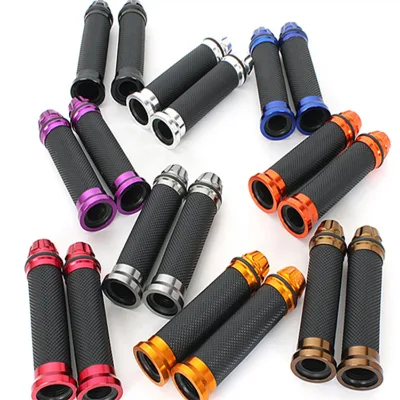
Yes, customization is available for the listed motorcycle grip products. Buyers can typically request changes to color, surface pattern, logo printing, and packaging, subject to minimum order quantities that vary by supplier. Provide your target motorcycle model, such as CG125 or GY6-150, and packaging preference such as neutral packing or OPP bag when sending an inquiry to receive accurate terms.
Which certifications should I look for when sourcing motorcycle parts?
Listed motorcycle grip and switch products reference certifications including ISO9001, CCC, CE, DOT, EEC, RoHS, and SONCAP, so availability depends on the specific supplier and item. Certification needs also depend on your destination market, since regions require different approvals for imported motorcycle parts. Always request copies of current certificates for the exact item number before placing an order, as standards can differ between product grades.
How do I choose grips that fit my motorcycle model?
Start by checking whether the grip is marked universal or model-specific. Listed items include universal grips as well as models fitted to CG125, CD70, AX100, C100, C110, GY6-150, and Titan CG. Measure your handlebar diameter and grip length, then match them against the supplier's specifications. Confirming the item number and fitment details in writing before ordering prevents mismatched stock and costly returns.
What packaging options are available for motorcycle grip orders?
Listed products reference neutral packing, Jalyn branded packing, OPP bags, blister card packing, and simple bag packing. Blister card suits retail display, while neutral or OPP bag packing works well for bulk distribution or repackaging under your own brand. Discuss packaging at inquiry stage because it affects unit price, carton dimensions, and shipping volume, especially for retail-ready blister card formats.
Can I order mixed quality grades for motorcycle handle grips?
Some listed products are offered in A, B, and C quality grades, letting buyers match product quality to their market segment. Grade A suits premium retail, while grade B or C can serve price-sensitive markets or aftermarket replacement channels. Confirm what each grade means for material and finish with the supplier, since grading definitions are not standardized across different factories and item listings.