Source Baby Body Wash for OEM, Private Label, and Wholesale
Explore 30 listings for Baby Body Wash from Guangdong suppliers. Compare OEM and ODM options featuring natural ingredients like emu oil and plant extracts. Evaluate moisturizing, cleaning, and antiseptic functions for private label or wholesale sourcing needs; compare the available evidence and request quotations based on your requirements.
Key considerations
Products List
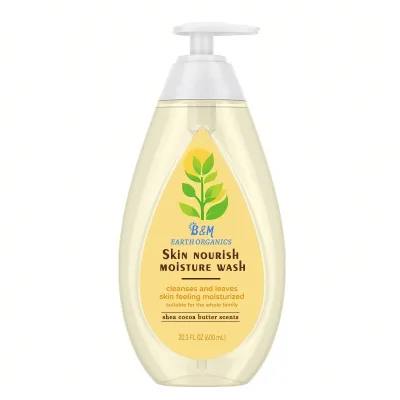
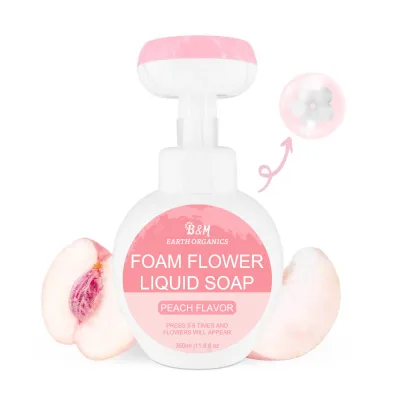
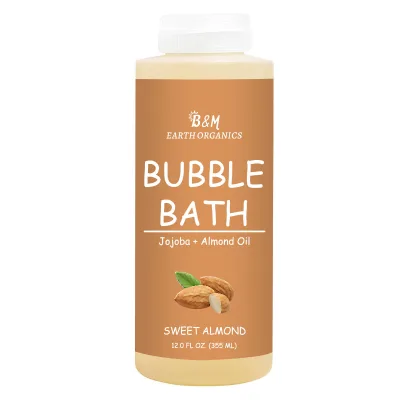
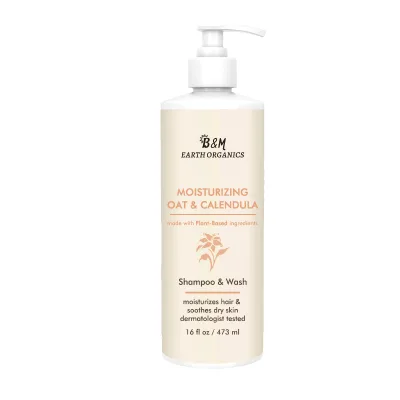
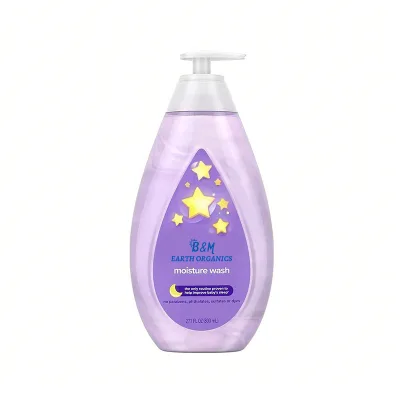
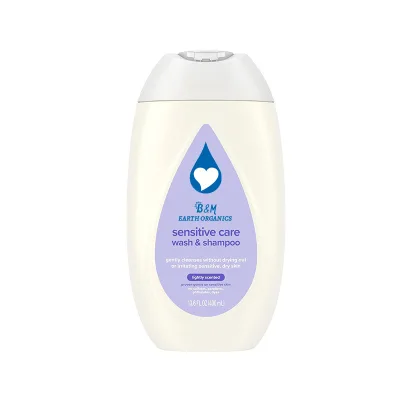

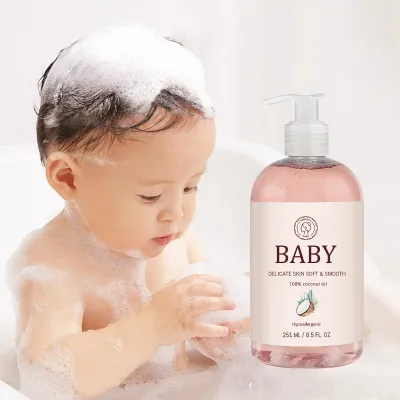
OEM Refresh Herbal Mild Formula Skin Cleaning Nourishing Baby Body Wash
$0.99 - $3.99
MOQ: 1000 Pieces


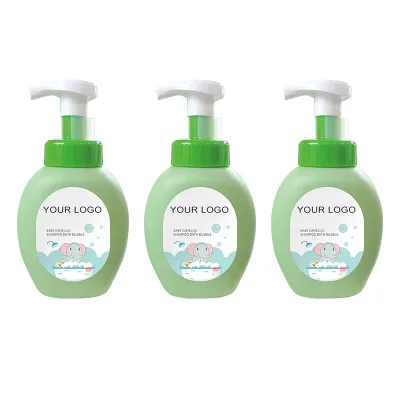
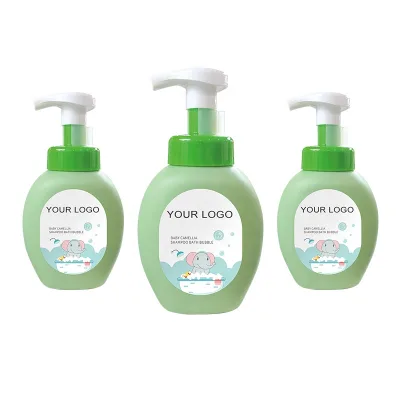
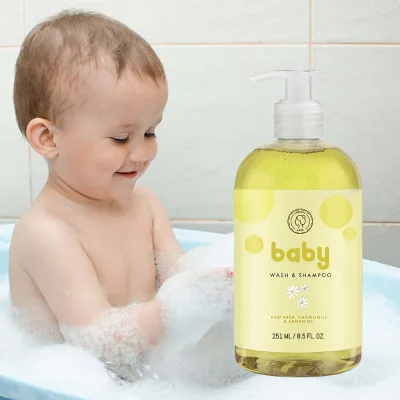
"Blossom Bubble Soft Formula Baby Body Wash with Skin Protection - Gentle
$3.50 - $5.50
MOQ: 1000 Pieces








Comprehensive Sourcing Guide
Baby Body Wash Sourcing Guide
Buyers must first distinguish between the specific product forms observed in the market, ranging from liquid and gel formulations to foam-based options designed for infant use. The available data indicates a strong preference for natural plant extracts and herbal ingredients, with specific mentions of emu oil and various scents like lavender, coconut, and rose. This variety suggests that procurement strategies should prioritize suppliers capable of offering diverse sensory profiles while maintaining a consistent focus on gentle, moisturizing, and cleaning effects suitable for delicate skin.
Commercial listings reveal a significant divergence in packaging and volume, with net weights ranging from small units to bulk quantities like 33 ounces or 1000 grams. Sourcing decisions should account for these variations, as some suppliers offer ready-to-ship items while others specialize in OEM and ODM customization. Buyers need to align their order volume with the observed minimum order quantities, which can range from single items to thousands of pieces, ensuring that the selected supplier can accommodate both trial orders and large-scale production runs without compromising on the natural or organic claims associated with the product.
Product Scope and Observed Listing Signals
The product scope encompasses a wide array of baby bathing solutions, including bubble baths, shampoos, body washes, and bath foams, all categorized under baby skin care. Listings frequently highlight features such as moisturizing, nourishing, and antiseptic properties, with some products specifically targeting age groups from infants to adults. Procurement teams should verify that the specific product form, whether liquid, gel, or foam, matches the intended application, as the physical state of the product directly impacts user experience and dispensing requirements in retail or institutional settings.
Observations of listing signals indicate that many suppliers emphasize their ability to provide private labeling and custom packaging solutions to meet specific brand requirements. The presence of multiple model numbers and standard sizes suggests a highly modular supply chain where buyers can select from regular sizes or custom dimensions. However, buyers must be cautious when interpreting "natural" or "organic" claims, as these attributes are listed as observations rather than universal guarantees for every listed item, necessitating a rigorous review of the specific ingredient lists for each potential order.
Technical Specifications to Verify
Technical verification begins with confirming the physical form and net weight of the product, as inconsistencies between listed specifications and actual shipments can disrupt logistics planning. Buyers should explicitly request data on the single package size and gross weight, noting that observed values can vary significantly, such as a single package size of 50x50x50 cm or a gross weight of 20 kg. Ensuring that the product form matches the description, whether it is a liquid, gel, or foam, is critical for determining appropriate storage conditions and shipping methods to prevent leakage or degradation during transit.
Shelf life and ingredient stability are equally critical technical parameters that require direct confirmation from the supplier. While some listings cite a shelf life of three years, this duration may depend on specific storage conditions and the concentration of active natural ingredients like emu oil or plant extracts. Procurement teams must verify the exact model number and standard specifications for each batch, as variations in formulation can affect the product's efficacy in cleaning, moisturizing, and maintaining skin hydration over time.
Compliance and Safety Documentation
Safety documentation is paramount when sourcing Baby Body Wash, particularly given the sensitive nature of the target demographic. Buyers should demand comprehensive certification records, including CE, FDA, ISO, and MSDS documents, to ensure the product meets international safety and quality standards. The presence of these certifications indicates a supplier's commitment to rigorous testing and regulatory compliance, which is essential for mitigating liability risks and ensuring that the product is safe for use on infants and young children.
In addition to general certifications, specific ingredient safety data must be reviewed to confirm the absence of harmful substances and the validity of "natural" or "herbal" claims. Since the product features include anti-bacterial and whitening properties, buyers must verify that these effects are achieved through approved, safe ingredients rather than harsh chemicals. It is crucial to ensure that the supplier provides full transparency regarding the main ingredients, such as natural plant extracts, and that all formulations adhere to the strict safety standards required for baby care products.
Cost Drivers and Commercial Terms
Cost drivers in the Baby Body Wash market are heavily influenced by the level of customization and the complexity of the supply chain. Suppliers offering OEM and ODM services, along with private labeling and custom packaging, typically command higher prices due to the additional engineering and design work involved. Buyers should evaluate whether the cost premium for customization aligns with their brand strategy, as ready-to-ship options may offer a more cost-effective solution for immediate market entry without the need for extensive product development.
Commercial terms such as minimum order quantities (MOQ) and delivery times significantly impact the overall procurement budget and cash flow. Observed MOQs can range from 1 piece to 10,000 pieces, requiring buyers to negotiate terms that balance inventory costs with production flexibility. Furthermore, delivery times, which may vary from 3 to 5 work days for some suppliers, must be factored into the supply chain planning to ensure timely availability of stock, especially when dealing with seasonal demand spikes or urgent restocking needs.
Supplier Qualification and Quality Control
Supplier qualification should focus on verifying the manufacturer's capacity for consistent quality control and their ability to meet specific customization requirements. Buyers must assess whether the supplier offers 24-hour online support and free sample services, as these features indicate a responsive and customer-centric approach to business relationships. The presence of a factory-based operation suggests direct control over the production process, which can be a significant advantage in maintaining product consistency and addressing quality issues promptly.
Quality control protocols must be established to ensure that every batch meets the specified standards for ingredients, packaging, and performance. Buyers should implement a rigorous sampling process to verify that the product's scent, texture, and cleaning efficacy match the agreed-upon specifications before committing to large orders. Regular audits of the supplier's production facilities and quality assurance systems are essential to maintain high standards and to ensure that the final product consistently delivers the promised moisturizing, nourishing, and cleaning benefits.
Long-Term Procurement Checks
Long-term procurement success relies on establishing a robust framework for ongoing supplier performance evaluation and relationship management. Buyers should regularly review supplier adherence to delivery timelines, quality consistency, and responsiveness to market changes or regulatory updates. Maintaining open communication channels and conducting periodic performance reviews will help identify potential issues early and foster a collaborative environment that supports continuous improvement in product quality and service delivery.
Sustainability and ingredient sourcing should also be monitored as long-term priorities, given the increasing consumer demand for natural and organic baby care products. Buyers need to verify that suppliers continue to source high-quality natural plant extracts and emu oil while adhering to ethical and environmental standards. By keeping a close watch on the supply chain's integrity and the supplier's ability to adapt to evolving market trends, buyers can ensure a stable and reliable source of high-quality Baby Body Wash for their business.
FAQs
What certifications are required for Baby Body Wash suppliers?
Suppliers must provide CE, FDA, ISO, and MSDS certificates to ensure product safety and regulatory compliance. These documents verify that the manufacturing process meets international standards for hygiene and chemical safety. Buyers should request these files before placing orders to confirm that the factory adheres to strict quality control measures for infant care products.
Can I customize the scent for my private label baby wash?
Yes, OEM and ODM services allow full customization of scents such as rose, lavender, or coconut. Manufacturers support private labeling to match your brand identity. You can select from natural plant extracts or herbal ingredients to create unique formulations. This flexibility ensures the final product aligns with your specific market preferences and customer expectations.
What is the typical lead time for bulk orders?
The standard delivery time is three to five working days for most orders. This fast shipping time applies to ready-to-ship items and standard production runs. Buyers should confirm specific timelines with the factory, as complex customizations or large volumes may require additional processing time. Early communication helps ensure timely arrival of goods.
Which ingredients are used in natural Baby Body Wash?
Products typically use natural plant extracts, emu oil, and herbal components for moisturizing and cleaning. These ingredients provide hydrating and nourishing effects suitable for sensitive skin. The formulations avoid harsh chemicals, focusing on gentle care. Buyers can request ingredient lists to verify that the products meet their safety and quality standards for infant use.
What is the minimum order quantity for private labeling?
The minimum order quantity is usually one thousand pieces for custom private label orders. This MOQ allows factories to produce personalized packaging and formulations efficiently. Buyers should verify the exact MOQ with the supplier, as it may vary based on the product type and customization level. Meeting this threshold ensures cost-effective production and branding.
Where are these Baby Body Wash products manufactured?
Products are manufactured in Guangdong, China, a major hub for cosmetics and personal care items. This location offers access to advanced manufacturing facilities and supply chains. Buyers can source directly from these factories to benefit from competitive pricing and efficient logistics. The region is known for its expertise in producing high-quality baby care products.