Source Baby Bed Rail for Adjustable, Foldable, and Universal Uses
Compare 30 Baby Bed Rail options featuring adjustable heights, foldable designs, and universal bed compatibility. Buyers can evaluate metal and wood materials, safety certifications, and packing details to find the right solution for preventing falls.
Key considerations
Products List


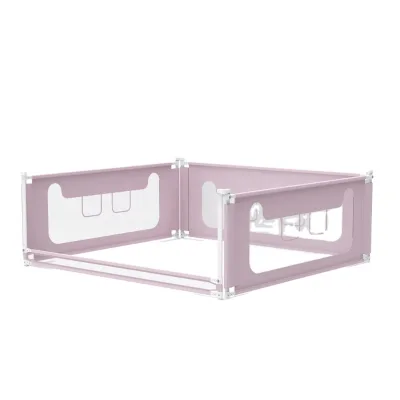
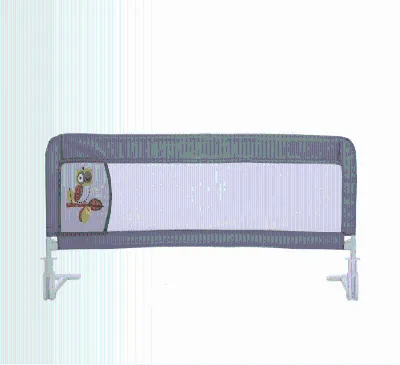
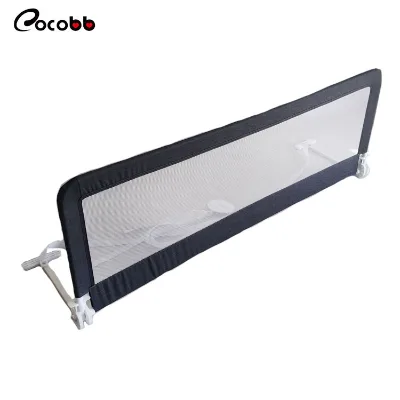
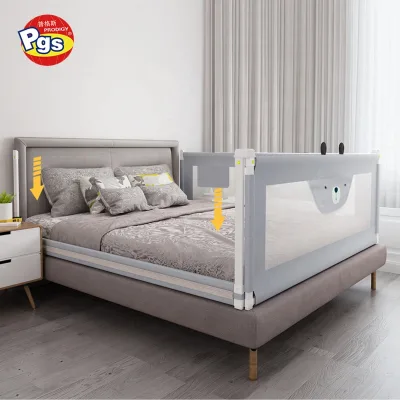
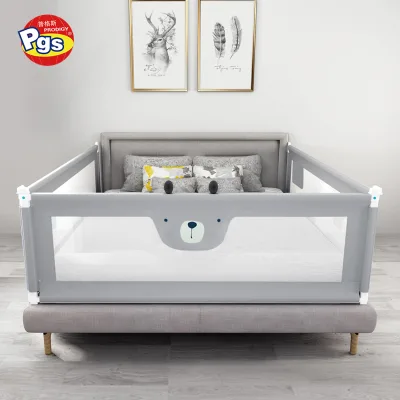
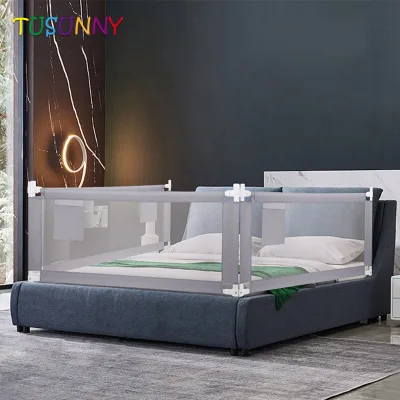
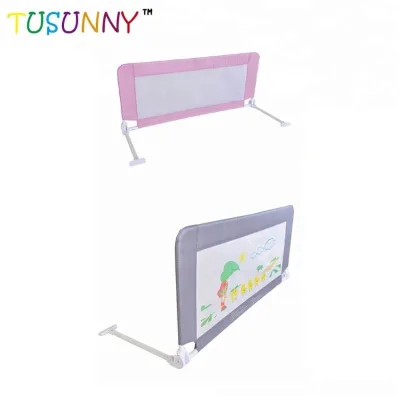
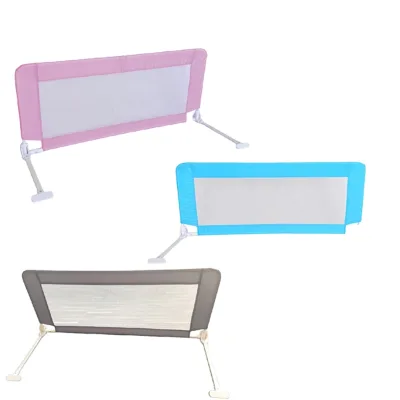
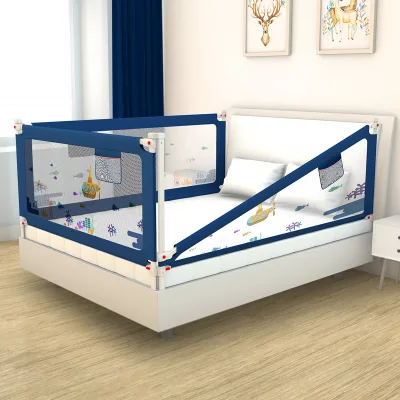
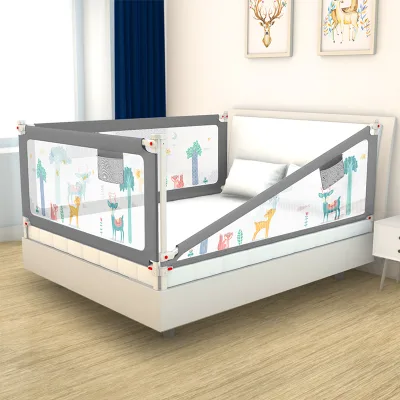
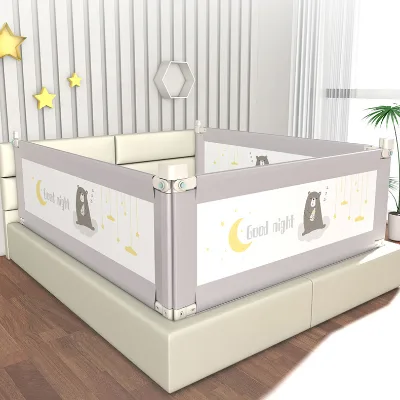
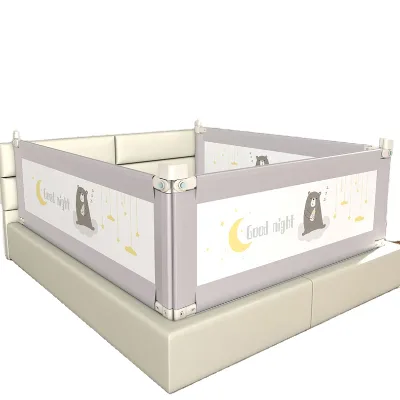
Baby protection Kids Bed Fence Portable Bed Rail Wholesale From China Manufacturer
$11.00 - $12.00
MOQ: 100 pieces


Comprehensive Sourcing Guide
Strategic Sourcing Guide for Baby Bed Rails
Understanding Technical Specifications and Material Composition
When sourcing baby bed rails, the primary objective is to identify products that balance structural integrity with the specific safety needs of the child. The market offers a diverse range of configurations, and procurement professionals must first scrutinize the technical specifications provided by potential suppliers. A critical observation in the current supply landscape is the variation in material composition. While some products are constructed from metal, specifically utilizing 6063 aluminum alloy for barrier posts, others rely on wood or thickened carbon steel. The choice of material directly influences the product's weight, durability, and aesthetic integration with existing furniture.
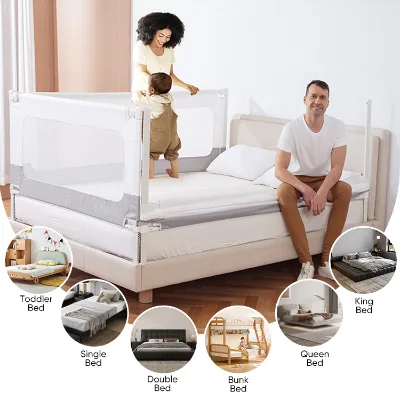
The structural design of the rail is equally significant. Buyers should look for models that offer adjustable heights, with observed standard sizes ranging from 60 inches to 87 inches, or metric equivalents such as 1.2 meters to 2.0 meters. This adjustability is essential for accommodating different bed heights and ensuring the rail remains effective as the child grows. Furthermore, the installation method is a key technical differentiator. The most desirable specifications for modern procurement involve punch-free installation mechanisms, which allow for secure mounting without damaging the bed frame. In contrast, some models may require more permanent fixtures or lack the flexibility of a unilateral folding mechanism.
The following table outlines the observed technical variations in the current market to assist buyers in defining their requirements:
| Feature Category | Observed Specification A | Observed Specification B | Procurement Consideration |
|---|---|---|---|
| Primary Material | 6063 Aluminum Alloy | Thickened Carbon Steel / Wood | Assess weight vs. durability needs; aluminum offers corrosion resistance, while steel offers rigidity. |
| Height Adjustment | Adjustable (60"-87") | Fixed or Unadjustable | Adjustable models provide longer product lifecycle; verify the mechanism stability. |
| Installation Type | Punch-Free Installation | Fixed / Non-disassembly | Punch-free is preferred for rental or temporary setups; verify load-bearing capacity. |
| Folding Mechanism | Unilateral Folding | Non-folding / Undisassembly | Folding rails save space; ensure the hinge mechanism does not compromise safety. |
| Bed Compatibility | Universal (1.2m-2.0m) | Specific Bed Widths | Verify the "Universal" claim against actual bed frame thickness and width. |
Compliance Verification and Safety Certification Protocols
Safety is the paramount concern in the Baby Bed Rail category. While suppliers may claim compliance with various international standards, procurement teams must verify these claims against the actual documentation provided. The supplied data indicates that some manufacturers hold certifications such as EU CE Certification, ISO9000, ISO14001, and CCC. These certifications suggest a baseline commitment to quality management and environmental standards, but they do not automatically guarantee that every specific unit meets current safety performance thresholds.
Buyers must be vigilant regarding the distinction between material certifications and product safety certifications. For instance, a claim of "Thickened Carbon Steel" refers to the material quality rather than a safety test result. Similarly, while background knowledge might reference standards like ASTM F2085 or EN 716, these should not be assumed to apply unless explicitly stated in the supplier's product data sheet. The presence of a "Safety Button" designed to prevent mistaken operation is a specific feature that should be verified for functionality. This feature is intended to stop accidental deployment or collapse, a critical safety mechanism that requires physical testing during the sampling phase.
When evaluating compliance, buyers should request test reports that specifically address the stability of the rail under load. The "Anti-Collision Edge Binding" and "Base Reinforcement Strap" are design features that contribute to safety, but their effectiveness must be confirmed through third-party testing if the supplier's internal claims are insufficient. The absence of a specific certification number or a clear reference to a recognized standard in the product listing is a red flag that warrants further inquiry. Procurement teams should not rely on the mere presence of a "Safety" attribute label but must demand evidence of the engineering behind that safety claim.
Cost Drivers and Pricing Structure Analysis
The pricing structure for baby bed rails is influenced by several distinct factors, including material costs, customization levels, and packaging requirements. The observed price range in the market spans from $2.04 to $50.00 USD, a significant variance that reflects differences in quality, complexity, and volume. Lower-priced items often correspond to basic models with fixed heights, simpler packaging, or less robust materials. Conversely, the higher end of the spectrum typically includes products with advanced features such as one-click lift and lower mechanisms, breathable mesh fabrics, and comprehensive safety certifications.
Customization is a major cost driver in this category. The availability of custom options allows buyers to tailor products to specific branding or functional requirements, but this invariably increases the unit cost and may affect the Minimum Order Quantity (MOQ). The observed MOQ range is broad, extending from 1 unit to 1,000 units. Small MOQs are advantageous for market testing or niche orders, while larger orders often unlock better pricing tiers. However, buyers must be aware that high customization requests can extend lead times and increase the effective cost per unit, even if the base price appears competitive.
Packaging also plays a role in the final landed cost. Products are observed to come in various packaging configurations, ranging from simple single cartons to complex setups involving inner boxes, shipping boxes, and reinforced shipping cartons. The choice of packaging affects the volume of the shipment and the potential for damage during transit. A product described as having "Standard Carton" packaging may be more susceptible to compression damage compared to one with "Inner Box+Shipping Carton" protection. Buyers should factor in the cost of secondary packaging or potential damage replacement when calculating the total cost of ownership, rather than focusing solely on the ex-factory price.
Typical Applications and Usage Scenarios
The application of baby bed rails extends beyond a single use case, with the market offering solutions for diverse sleeping environments. The primary usage is clearly defined as "Bed," but the specific context varies significantly. Some models are designed for "Indoor" use only, utilizing ambient conditions to function correctly, while others may have limitations regarding environmental exposure. The "Universal" applicability to bed types suggests a broad compatibility, yet the specific bed width compatibility range (1.2m/1.5m/1.8m/2.0m) must be matched precisely to the buyer's inventory or target customer base.
Different product models cater to different user demographics and lifestyle needs. For instance, the "Manual Bed" type with a "Rotary" feature implies a specific mechanical operation that may be preferred by parents seeking a traditional, non-electric solution. In contrast, the "One-Click Lift and Lower" mechanism targets users prioritizing convenience and ease of use, particularly for those who need to adjust the rail frequently. The "Foldable" attribute is particularly relevant for families with limited storage space or those who travel frequently, as it allows the rail to be compacted when not in use.
The "Chinese" style and "Modern" appearance attributes indicate that aesthetic integration is a consideration for certain buyers. These rails are designed to blend with contemporary bedroom furniture, moving away from purely utilitarian designs. The "Stopping Baby From Falling out of Bed" feature is the core functional requirement, but the execution of this feature varies. Some models rely on height and barrier strength, while others incorporate additional safety features like "Non-Slip & Stable Design" with base reinforcement straps. Understanding these application nuances helps buyers select the right product for their specific market segment, whether it is a high-end boutique hotel, a mass-market retailer, or a specialized medical facility.
Supplier Evaluation and Production Capacity Assessment
Evaluating a supplier for Baby Bed Rail procurement requires a deep dive into their production capabilities and operational transparency. The observed data indicates a production capacity of 50,000 pieces per day for certain manufacturers, a figure that suggests significant scalability. However, buyers must verify if this capacity is consistent across all product lines or if it fluctuates based on order complexity. The origin of the products is consistently listed as China, which provides access to a robust manufacturing ecosystem but also necessitates careful logistics planning.
Supplier reliability is often reflected in their product consistency and documentation. The presence of specific model numbers such as TLT-SD-009, TLT-005, and TLT-SD-002 indicates a structured product line, but buyers should ensure that these models are actively produced and not obsolete. The condition of the products is listed as "New," which is standard, but the "Disassembly" status (Undisassembly vs. Foldable) is a critical factor for logistics and assembly. Suppliers that offer punch-free installation and unilateral folding demonstrate a higher level of engineering sophistication, which often correlates with better quality control processes.
When assessing suppliers, buyers should also consider the "Shipping Box+Shipping Carton" or "Standard Carton" packaging standards. These packaging methods are indicative of the supplier's attention to detail in protecting the product during transit. A supplier that invests in robust packaging is more likely to maintain quality standards throughout the supply chain. Additionally, the availability of customization services suggests a flexible manufacturing process, but buyers must confirm the lead times associated with these custom orders. The ability to produce 50,000 units a day is impressive, but the time required to set up a custom mold or design must be factored into the overall procurement timeline.
Quality Control and Long-Term Procurement Strategy
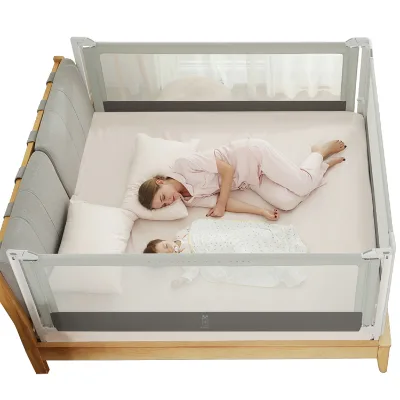
Implementing a robust quality control (QC) strategy is essential for mitigating risks in the Baby Bed Rail market. Given the safety-critical nature of the product, QC should not be limited to visual inspections but must include functional testing of mechanisms like the "Safety Button" and "One-Click Lift." Buyers should establish clear acceptance criteria based on the observed specifications, such as the "Guardrail Height" of 66cm-78cm and the "Fabric Material" being breathable mesh. Deviations from these specifications can lead to product failure or safety incidents.
Long-term procurement considerations involve building a relationship with suppliers who can maintain consistency over time. The "Condition: New" and "Material Certification" claims must be verified periodically to ensure that the supplier has not switched to inferior materials to cut costs. The "Anti-Collision Edge Binding" and "Non-Slip Cotton" features are specific quality indicators that should be checked in every batch. Furthermore, the "Folding Method" and "Installation Method" must remain consistent to ensure that the product continues to meet the expectations of the end-user.
Buyers should also plan for the lifecycle of the product. With options ranging from "Non-Disposable" to "Foldable," the durability of the rail is a key factor. A product that is "Undisassembly" may offer greater structural stability but less flexibility, while a "Foldable" rail offers convenience but may have more wear points. Procurement strategies should account for these trade-offs, potentially diversifying the supplier base to include both high-durability and high-convenience models. Finally, maintaining open communication with suppliers regarding "Customization" and "Standard" variations ensures that the supply chain remains agile and responsive to market changes.
FAQs
What materials are used for baby bed rails?
Baby bed rails are constructed from metal, wood, or thickened carbon steel. Some models specifically utilize 6063 aluminum alloy for barrier posts to ensure durability and corrosion resistance while maintaining a lightweight profile for easy handling.
How can I ensure the rail prevents accidental operation?
Look for models equipped with a safety button designed to prevent mistaken operation. This feature is critical for stopping accidental deployment or collapse, ensuring the rail remains secure during use without unintended movement.
Which bed widths are compatible with universal rails?
Universal baby bed rails typically support bed widths ranging from 1.2 meters to 2.0 meters. These models are designed to fit various standard bed sizes, including 1.2m, 1.5m, 1.8m, and 2.0m configurations.
Can I find rails with punch-free installation?
Yes, many models offer punch-free installation methods for secure mounting without damaging the bed frame. This feature is ideal for rental properties or temporary setups where permanent fixtures are not permitted or desired.
What certifications are available for these products?
Some manufacturers provide EU CE Certification, ISO9000, ISO14001, and CCC certifications. These documents indicate a commitment to quality management and environmental standards, though specific test reports should always be requested for verification.
How does the folding mechanism work on these rails?
Many rails feature a unilateral folding method that allows for compact storage when not in use. This design saves space and is particularly useful for families with limited storage areas or those who travel frequently.
What is the typical production capacity for these suppliers?
Observed production capacities can reach up to 50,000 pieces per day for certain manufacturers. This high output suggests significant scalability, but buyers should verify if this capacity applies to custom orders or standard models.