Source Baby Battery Operated Toy for Play, Learning, and Travel
Find 30 Baby Battery Operated Toy options featuring music, lights, and remote control functions. Compare specifications for materials like plastic and ABS, certifications such as CE and ASTM, and packaging details to select suitable educational toys for infants and toddlers.
Key considerations
Products List
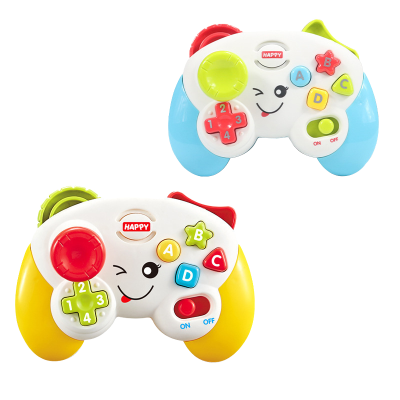


Rechargeable Battery Operated Toy Car/ Baby Toys for Children/Kids Ride on Car
$53.00 - $61.00
MOQ: 20 Pieces




Comprehensive Sourcing Guide
Baby Battery Operated Toy Sourcing Guide
The global market for battery-operated toys for infants and toddlers has expanded significantly, driven by parental demand for interactive educational tools that combine entertainment with developmental benefits. These products typically range from simple remote-controlled vehicles to plush figures with light and sound features, designed to engage children aged 10 months and older. Procurement strategies must account for the diverse material compositions observed in listings, including durable plastics like ABS and PP, as well as soft materials such as plush and PVC, each requiring distinct quality control protocols.
Buyers must navigate a complex supply chain where product attributes vary widely even within the same category. While some items are marketed as unisex educational toys with specific age recommendations, others are specialized baby toy cars featuring creeping body-building styles or advanced connectivity like USB and phone app integration. Understanding these distinctions is critical for matching the right product to specific retail demographics, ensuring that the selected inventory aligns with the intended age group and functional expectations of the target market.
Product Scope and Observed Listing Signals
The observed product landscape reveals a wide spectrum of specifications, from compact single items with a gross weight of 0.300 kg to larger cartons containing multiple units. Listings indicate that packaging formats vary significantly, ranging from window boxes and color boxes to standard cartons with specific dimensions like 9230.591cm or 41.540.549cm. Buyers should verify the single package size and gross weight for every SKU, as these metrics directly impact shipping costs and warehouse storage requirements, particularly when dealing with mixed container loads.
Functional capabilities are a primary differentiator in this category, with many products offering music, light flashes, and remote control operations. Some advanced models support multiple power sources or connectivity options, including USB, MP3, and phone app integration, while others focus on simpler mechanical functions. Procurement teams must carefully review the "Function" and "Usability" attributes to ensure the selected toys meet the specific performance expectations of their customers, avoiding assumptions that all listed items share the same level of technological sophistication.
Technical Specifications to Verify
Material composition is a critical technical parameter that influences both safety and durability. The supply base includes products constructed from ABS, PP, PVC, and plush materials, each presenting unique manufacturing challenges and end-use characteristics. For instance, plastic components must be evaluated for structural integrity and edge safety, while plush items require scrutiny regarding stuffing density and fabric quality. Buyers should request material test reports to confirm that the specific plastic types or fabric blends match the product description and intended durability standards.
Physical dimensions and packaging standards are equally vital for logistics planning and shelf readiness. Observed data shows a variety of standard sizes, such as 25X9X19 cm for single units and carton sizes like 595.525cm or 37.52211.4cm. It is essential to verify the "Single Package Size" and "Carton Size" for each model number, as discrepancies can lead to inefficient container utilization or damaged goods during transit. Additionally, the "Qty/CTN" and "Packing Details" must be confirmed to ensure that the order quantity aligns with the supplier's standard packing configuration, such as 24 pieces per carton or 36 pieces per carton.
Compliance and Safety Documentation
Safety certification is non-negotiable for baby toys, with EN71 and ASTM standards frequently cited as baseline requirements for international markets. The observed listings mention certifications such as EnASTM, CE, and specific certificate codes like Hr4040ASTM7p.En71, indicating that suppliers are targeting compliance with rigorous safety regulations. However, buyers must treat these claims as observations rather than guarantees, requiring valid, up-to-date test reports from accredited laboratories for every specific model and production batch before finalizing any purchase.
Beyond general certifications, specific product attributes like age recommendations and material safety must be cross-referenced with local regulatory frameworks. Products labeled for ages 10-12 months or 3 years and above must strictly adhere to small parts regulations and chemical safety limits. Procurement teams should verify that the "Certification" and "Certificate" details provided by the supplier correspond to the specific product model and that the testing covers all relevant hazards, including mechanical, physical, and chemical risks associated with the materials used.
Cost Drivers and Commercial Terms
Pricing in this sector is influenced by a combination of material costs, functional complexity, and order volume. The observed price range spans from $0.50 to $95.20, reflecting the disparity between simple plastic figures and complex remote-controlled vehicles with advanced electronic features. Buyers should analyze the cost structure relative to the "Function" and "Material" attributes, understanding that items with music, light, and app connectivity will inherently command higher unit costs than basic mechanical toys.
Minimum Order Quantities (MOQ) and customization options significantly impact the total cost of ownership and inventory risk. Listings indicate MOQs ranging from 1 unit to 3000 units, with some suppliers requiring orders in specific carton quantities like 5 cartons. Additionally, the availability of OEM services and customization options allows buyers to tailor products to their brand, but these services often come with higher MOQs or setup fees. It is crucial to negotiate terms that balance the need for product differentiation with the financial constraints of the order volume.
Supplier Qualification and Quality Control
Geographic concentration of manufacturing is a notable trend, with a significant portion of the supply base located in Guangdong and Shantou, China. These regions are known for their robust toy manufacturing ecosystems, yet buyers must conduct thorough due diligence to ensure that the specific factory meets their quality and ethical standards. Verifying the "Place of Origin" and "Brand Name" helps in tracing the supply chain, but it does not replace the need for on-site audits or third-party factory assessments to confirm production capabilities and labor practices.
Quality control protocols must be established early in the sourcing process to mitigate the risk of defects in electronic and mechanical components. Given the variety of models, from RFD352593 to TTF6655, each with unique specifications and packaging requirements, a standardized inspection plan is essential. Buyers should define clear acceptance criteria for functions like remote control operation, battery life, and sound quality, ensuring that the "Customization" and "OEM" capabilities of the supplier do not compromise the consistency of the final product.
Long-Term Procurement Checks
Sustainable sourcing requires ongoing monitoring of supplier performance and product consistency over time. As market demands evolve, buyers must ensure that their suppliers can maintain quality levels while adapting to new safety standards or material regulations. Regular audits and performance reviews should focus on the supplier's ability to meet lead times, manage inventory, and provide accurate documentation for certifications and compliance.
Future-proofing the supply chain involves building relationships with suppliers who demonstrate flexibility and a commitment to continuous improvement. This includes verifying that the supplier can handle changes in order volume, manage the "Customization" requests effectively, and maintain the integrity of the "Packing" and "Shipping" processes. By establishing clear communication channels and performance metrics, buyers can ensure a stable supply of high-quality baby battery-operated toys that meet the evolving needs of their customers.
FAQs
What certifications do these baby toys have?
The products hold EnASTM and CE certifications to ensure safety standards. Some listings also reference Hr4040ASTM7p.En71 compliance. These certifications indicate the toys meet specific international safety requirements for children's products.
Which materials are used for these toys?
Manufacturers use various materials including plastic, ABS, PP, PVC, and plush depending on the specific model. The material choice varies by product type, such as baby toy cars or educational toys, to ensure durability and safety for different age groups.
Can I customize the packaging for these items?
Yes, customization is available for packaging details like color boxes or window boxes. Buyers can often change the quantity per carton or specific packaging configurations to suit their distribution needs while maintaining the product integrity.
What is the minimum order quantity for these toys?
The minimum order quantity ranges from 1 to 3000 units depending on the supplier and product model. Some specific listings require a minimum of 5 cartons, while others allow single item purchases for testing or small orders.
Where are these toys manufactured?
The products originate from Guangdong, China, with specific origins noted as Shantou. This location is a known hub for toy manufacturing, ensuring access to established supply chains and production capabilities for various toy types.
What functions do the remote control toys offer?
Remote control toys feature functions like music, light flashes, and electric movement. Some advanced models support USB, MP3, phone app connectivity, and LED features to provide interactive entertainment for children aged 3 and above.