Source Baby Bottle Cleaning Brush for Nursery, Travel, and Home
Compare 30 Baby Bottle Cleaning Brush options from verified Chinese manufacturers. Buyers can evaluate materials like silicone and PP, customization features, and MOQs ranging from 500 to 3000 pieces for nursery, travel, and home use.
Key considerations
Products List


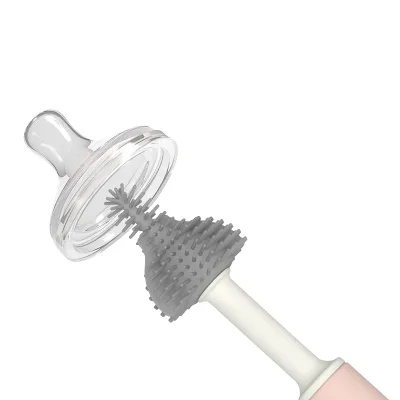
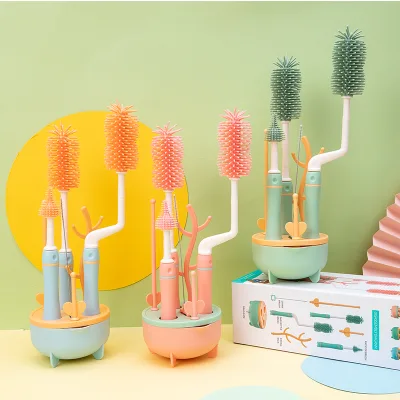
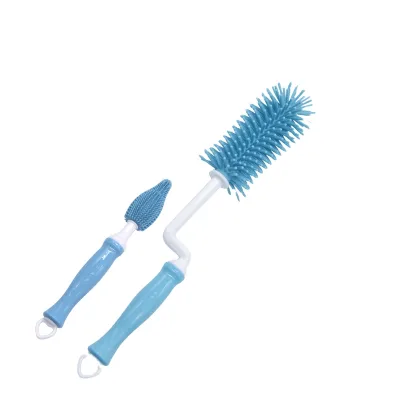
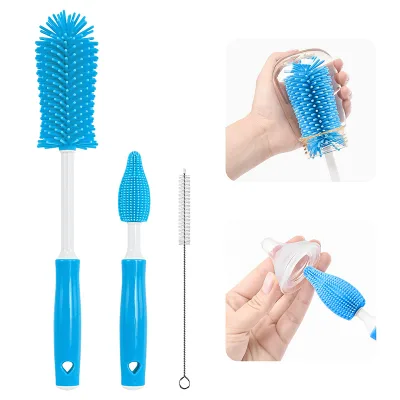
Custom Silicone Baby Bottle Cleaning Brush Baby Feeding Bottle Cleansing Brush
$0.79 - $0.99
MOQ: 1000 Pieces


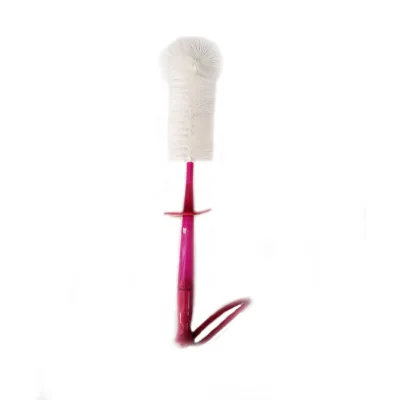
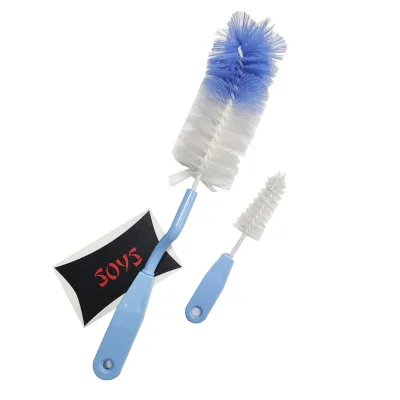


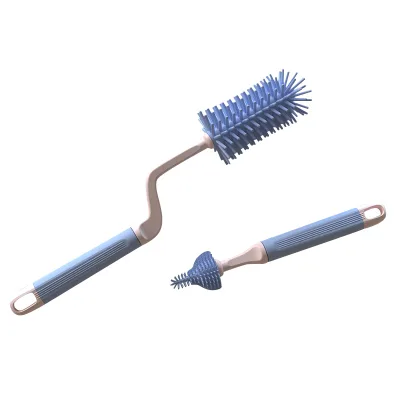
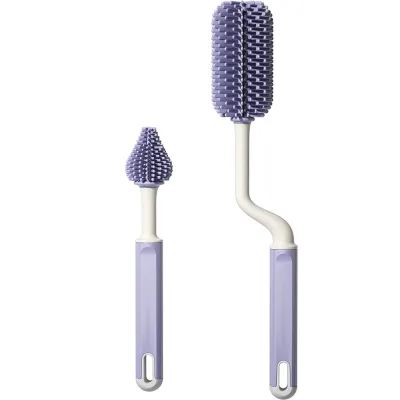




Comprehensive Sourcing Guide
Baby Bottle Cleaning Brush Sourcing Guide
Sourcing baby bottle cleaning brushes requires a careful balance between material safety, functional design, and commercial viability. These tools are essential for maintaining hygiene in infant feeding routines, serving both household consumers and commercial childcare facilities. Buyers must navigate a market where product attributes vary significantly, from simple single-purpose brushes to complex multi-functional cleaning systems. The core challenge lies in verifying that the materials used—typically silicone and polypropylene (PP)—meet strict safety standards while offering the durability and ergonomic features required for daily use.
This guide provides a structured approach to evaluating suppliers and products based on observed market signals and technical requirements. It focuses on critical decision points such as material composition, certification verification, and commercial terms. By adhering to these evidence-based criteria, procurement professionals can mitigate risks associated with non-compliant products and ensure that the selected brushes meet the rigorous safety expectations of parents and regulatory bodies. The following sections detail the specific factors that should be prioritized during the sourcing process.
Product Scope and Observed Listing Signals
The current market for baby bottle cleaning brushes exhibits a wide range of product configurations, primarily categorized by their functional design and material composition. Listings frequently highlight "2 in 1" or "3 in 1" styles, indicating brushes that combine bottle cleaning with nipple or cap cleaning capabilities. These multi-functional designs are often constructed using a combination of silicone and PP, leveraging the flexibility and heat resistance of silicone for the bristles and the structural rigidity of PP for the handle. Buyers should observe that product models such as RR114, RR118, and RR95 represent distinct design iterations, each potentially offering different ergonomic profiles or cleaning efficiencies.
Color customization is a prevalent feature, with suppliers offering standard options like yellow, blue, pink, and green, alongside fully customized colorways to align with brand identities. The raw materials are consistently identified as silicone and PP, with some listings emphasizing "100% Eco-Friendly/Non-Toxic" characteristics. This emphasis on eco-friendly materials suggests a market trend toward sustainable and safe manufacturing practices. However, buyers must treat these claims as observations requiring verification rather than guaranteed attributes, ensuring that the specific product batch meets the stated environmental and safety standards.
Technical Specifications to Verify
Technical verification begins with the physical dimensions and packaging specifications, which directly impact logistics and storage efficiency. Standard package sizes observed in the market include dimensions such as 6628cm and 136.332cm, while larger bulk packaging may measure up to 60X50X40 cm. Buyers must confirm the single package size and weight to accurately calculate freight costs and warehouse space requirements. Additionally, the handle material is often specified as plastic, which should be evaluated for grip comfort and durability, especially when wet. The style of the brush, whether hand-held or specialized, should align with the intended user demographic and cleaning frequency.
Material integrity is a critical technical specification, particularly the ratio and quality of silicone used in the bristles. Silicone is preferred for its resistance to bacterial growth and ease of cleaning, but it must be food-grade and heat-resistant. Buyers should verify that the PP components are BPA-free and durable enough to withstand repeated washing cycles. The model numbers, such as RR116 or bottle-25, serve as unique identifiers for these technical configurations. It is essential to request detailed material data sheets to confirm that the silicone and PP meet the necessary thermal and chemical resistance standards for infant care products.
Compliance and Safety Documentation
Compliance with international safety standards is non-negotiable for baby bottle cleaning brushes. Key certifications to verify include ISO, FDA, SGS, EN71, and EN14350. These certifications indicate that the product has undergone rigorous testing for chemical safety, mechanical hazards, and material purity. EN71 and EN14350 are particularly relevant for toys and childcare products in European markets, ensuring that the brushes do not pose choking hazards or contain harmful substances. Buyers must request valid, up-to-date certification documents from suppliers and cross-reference them with the specific product models being ordered.
The presence of FDA and SGS certifications suggests adherence to strict quality control and material safety protocols, which is crucial for products that come into contact with food and infants. However, the mere presence of these labels on a listing does not guarantee that every batch produced will meet these standards. Buyers should insist on third-party lab test reports for the specific production run, focusing on migration tests for heavy metals and plasticizers. Verifying that the "Eco-Friendly" claims are backed by recognized environmental certifications adds an additional layer of assurance, protecting the brand from reputational risks associated with non-compliant or unsafe products.
Cost Drivers and Commercial Terms
Cost structures for baby bottle cleaning brushes are influenced by material costs, customization levels, and order volumes. Observed minimum order quantities (MOQs) range from 500 pieces to 3000 pieces, with higher MOQs often correlating with lower unit prices. Buyers should note that customized packaging and branding can increase costs, as they require additional setup and production time. The payment terms typically involve a 30% deposit and 70% balance before shipment, which is a standard practice in manufacturing but requires careful cash flow management. Understanding these commercial terms is essential for accurate budgeting and risk assessment.
The "Competitive Price" advantage often cited by suppliers with their own factories suggests that vertical integration can reduce costs. However, buyers should not assume that lower prices equate to better value without verifying quality consistency. The origin of the products, primarily from China, including specific regions like Anhui, can impact logistics costs and lead times. Buyers should factor in shipping expenses, import duties, and potential currency fluctuations when evaluating the total landed cost. Clear communication regarding packing methods, such as bulk or OPP bag packaging, is also crucial to avoid unexpected charges or handling issues.
Supplier Qualification and Quality Control
Supplier qualification involves assessing the manufacturer's production capabilities and quality management systems. Suppliers claiming "Own Factory" status should be verified through site audits or video inspections to ensure that they control the entire production process, from raw material sourcing to final packaging. This control is vital for maintaining consistency in material quality and product performance. Buyers should also evaluate the supplier's ability to handle customized orders, including branding and packaging requirements, as this indicates flexibility and responsiveness to market needs.
Quality control measures should be integrated into the procurement process, starting with pre-production samples and continuing through random inspections during mass production. Buyers should define clear acceptance criteria for defects, such as broken bristles, discoloration, or packaging damage. Establishing a robust quality agreement with the supplier, including penalties for non-conformance, can help mitigate risks. Additionally, suppliers should provide a clear traceability system, allowing buyers to track batches back to their production dates and raw material sources. This level of oversight is essential for maintaining product safety and addressing any potential recalls efficiently.
Long-Term Procurement Checks
Long-term procurement success depends on continuous monitoring of supplier performance and market trends. Buyers should regularly review supplier compliance with safety standards, ensuring that certifications remain valid and that any changes in material composition are communicated and approved. Building a strong relationship with suppliers can facilitate better pricing, priority production, and faster response to quality issues. It is also important to stay informed about evolving regulatory requirements in target markets, such as new restrictions on plastic materials or updated safety standards for childcare products.
Feedback from end-users and market analysis can provide valuable insights into product performance and customer preferences. Buyers should encourage suppliers to innovate and improve product designs based on this feedback, such as enhancing ergonomic features or introducing new cleaning functionalities. Regular audits and performance reviews can help identify areas for improvement and ensure that the supplier remains aligned with the buyer's quality and ethical standards. By maintaining a proactive approach to supplier management, buyers can secure a reliable supply of high-quality baby bottle cleaning brushes that meet the evolving needs of their customers.
FAQs
What materials are used for baby bottle cleaning brushes?
These brushes typically use silicone and PP materials for safety and durability. Some models feature silicone handles with PP bristles, ensuring they are non-toxic and eco-friendly for cleaning feeding bottles effectively.
Which certifications do these baby bottle brushes hold?
Products often carry En71, En14350, SGS, and FDA certifications to ensure safety. These standards verify that the items are suitable for baby care and meet international quality requirements for materials used in feeding accessories.
Can I customize the color and brand on these brushes?
Yes, customization is available for colors like yellow, blue, pink, and green, as well as branding. Buyers can request specific package designs and brand names to match their unique market requirements and product identity.
What is the minimum order quantity for these cleaning brushes?
Minimum order quantities vary by model, ranging from 500 pieces to 3000 pieces. Specific models like RR114 require 3000 pieces, while others may start at 1000 or 500 pieces depending on the supplier configuration.
How are these baby bottle brushes packaged for shipment?
Packaging options include bulk packages, customized packages, or OPP bags depending on the order. Buyers can select specific packing methods to ensure product protection and meet their logistical or branding needs during transport.
Where are these baby bottle cleaning brushes manufactured?
These products originate from China, with specific manufacturing locations including Anhui. Factories in this region produce various models like RR118 and RR95, offering competitive pricing and direct factory advantages for international buyers.