Source Baby Bibs for Feeding, Travel, and Play
Find 30 Baby Bib options including cotton and waterproof styles for infants. Compare features like washability, anti-bacterial properties, and custom logo services from suppliers in China.
Key considerations
Products List
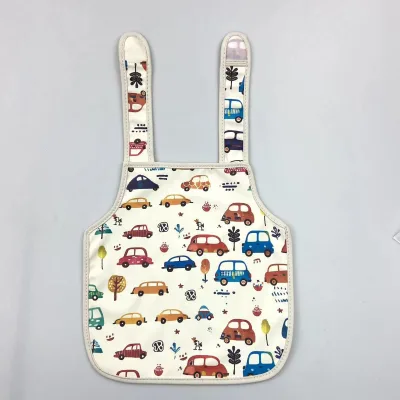
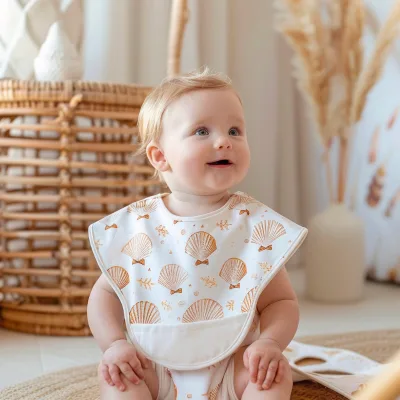
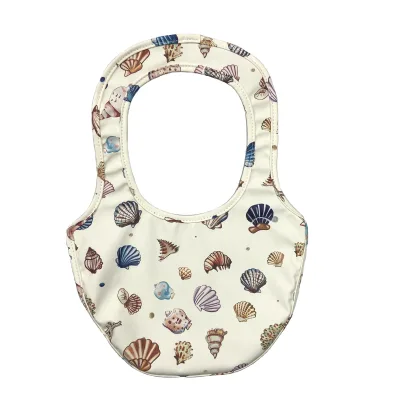
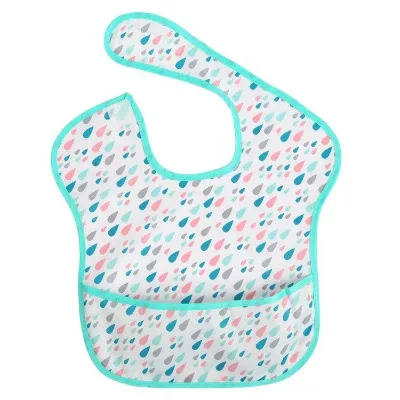
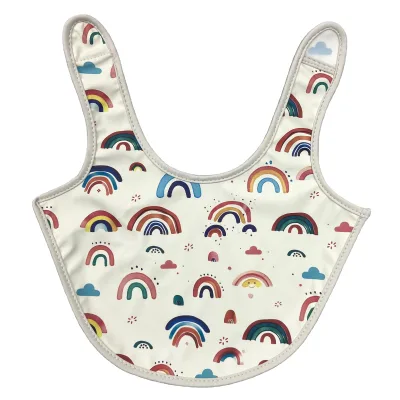


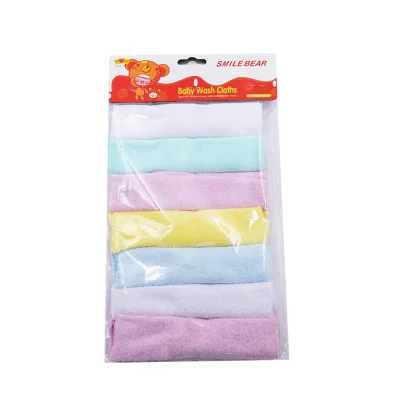
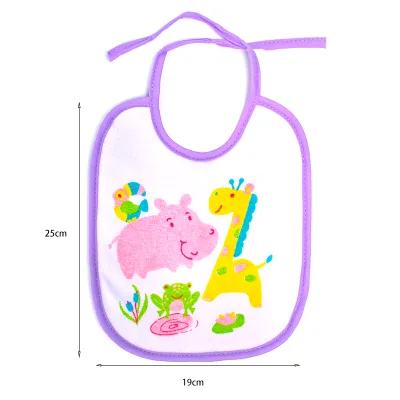


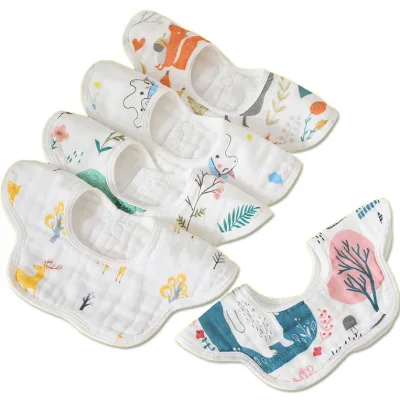
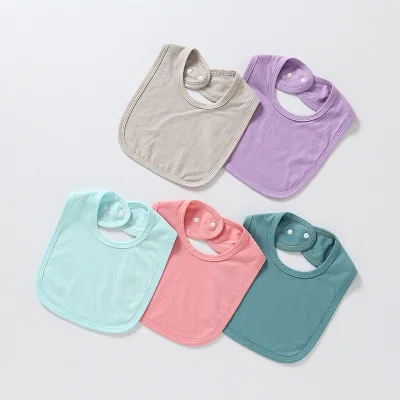
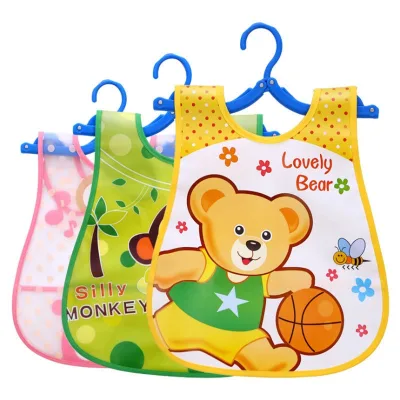
Comprehensive Sourcing Guide
Strategic Sourcing Guide for Baby Bibs in the Global B2B Market
The global demand for infant feeding accessories continues to expand, driven by parental awareness of hygiene, safety, and material sustainability. Within this sector, the Baby Bib stands as a critical product category, serving as a primary barrier against food spills while protecting delicate infant skin. For B2B procurement professionals, sourcing baby bibs requires a nuanced understanding of material science, manufacturing capabilities, and supply chain logistics. This guide synthesizes observed market data and technical specifications to provide a disciplined framework for evaluating suppliers and selecting products that meet rigorous commercial and safety standards.
Material Composition and Functional Attributes
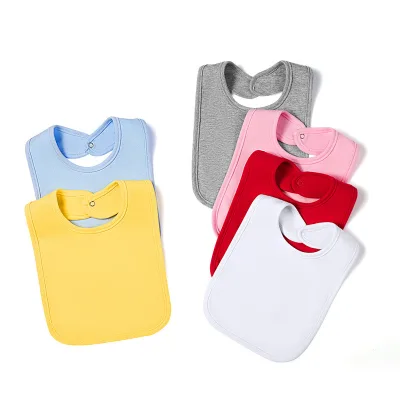
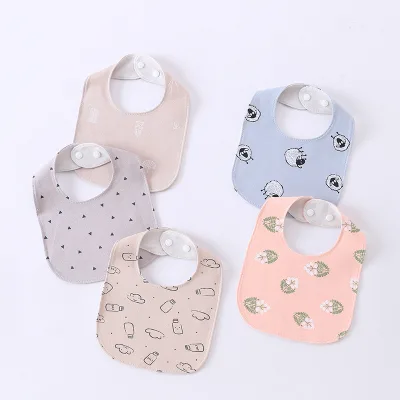
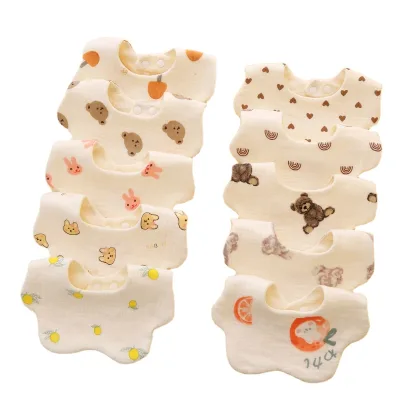
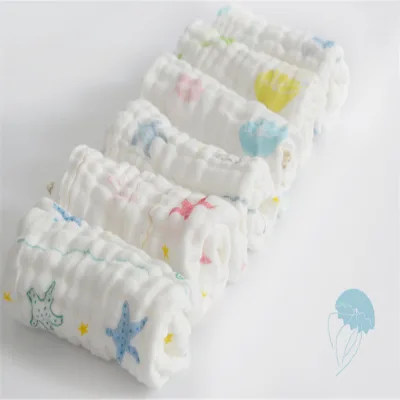
The foundation of any high-quality Baby Bib lies in its material composition. Market observations indicate a distinct bifurcation between natural fiber options and synthetic waterproof variants. The most prevalent natural material identified in current listings is 100% cotton. This material is favored for its breathability, softness, and eco-friendly profile, making it ideal for infants with sensitive skin. Cotton bibs often feature printed designs and are marketed with attributes such as being washable, anti-bacterial, and eco-friendly. These functional claims necessitate verification through specific fabric testing, as the inherent properties of cotton must be maintained through the dyeing and finishing processes.
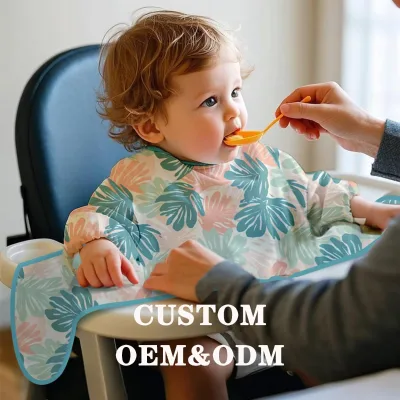
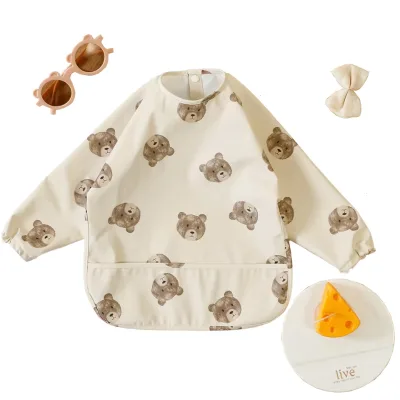
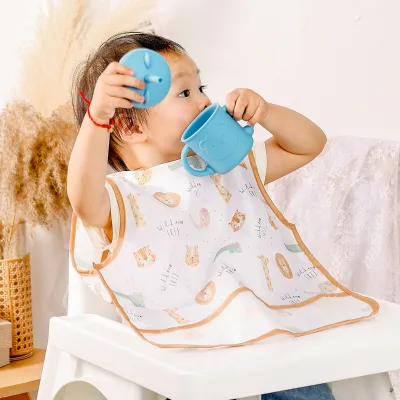
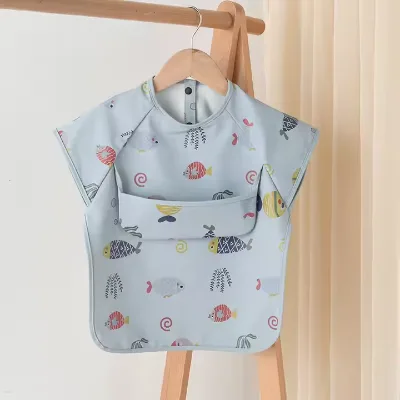
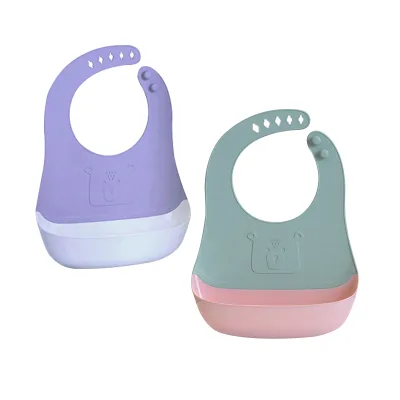
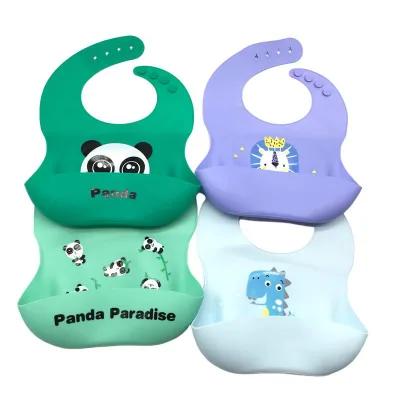
Conversely, the market also offers bibs constructed from PU (Polyurethane) material. These products are specifically designed as waterproof sleeved bibs, addressing the need for high containment during messy feeding sessions. The PU material provides a liquid-resistant barrier that is easy to wipe clean, a significant advantage over absorbent fabrics. In terms of technical specifications, these synthetic options often utilize snap button closures for ease of dressing and removal. The choice between cotton and PU depends heavily on the target demographic and the specific usage scenario. Cotton is generally preferred for general feeding and nap time, while PU is superior for high-mess activities or for older infants who are more active during meals.
Technical Specifications and Design Variations
When evaluating product listings, buyers must scrutinize specific technical parameters that define the utility and fit of the bib. Size and age appropriateness are critical dimensions. Data indicates that products are frequently categorized by age ranges, such as 0-2 years or 1-2 years, which correlates directly with the physical dimensions of the bib. For instance, specific model numbers like SMT2114 and SMT2003 are associated with distinct size profiles tailored to these age groups. The single package size for these items typically ranges from compact dimensions like 10x10x10 cm to slightly larger profiles around 20x15x2 cm, influencing shipping costs and storage efficiency.
Design customization is another pivotal technical aspect. Suppliers offer various logo application methods, including hot stamping and digital printing. While some listings indicate a "NO" logo position, others explicitly support custom logos, allowing brands to personalize their inventory. The available color palette is extensive, ranging from standard hues like light blue, gray, pink, white, red, yellow, green, and black to specific code-based designations such as PU01 through PU22. This variety allows buyers to align product aesthetics with brand identity or seasonal trends. Furthermore, the closure type, such as snap buttons, is a standard feature that impacts the user experience, ensuring the bib can be securely fastened without causing discomfort to the infant.
Compliance, Certification, and Safety Verification
Safety and compliance are non-negotiable in the infant product sector. While specific certification data in the provided context mentions GOTS (Global Organic Textile Standard) as a background reference, buyers must not assume that every listed product automatically holds this status. Instead, procurement teams must actively verify the certification claims of potential suppliers. For cotton-based bibs, GOTS certification ensures that the organic fibers were processed without harmful chemicals, aligning with the "eco-friendly" and "sustainable" attributes often advertised.
For PU-based products, compliance focuses on chemical safety, particularly regarding phthalates and heavy metals, which are common concerns in synthetic materials. Buyers should request test reports from accredited laboratories to confirm that the materials meet international safety standards for children's products. The "anti-bacterial" and "sustainable" features mentioned in product descriptions should be backed by third-party test results rather than relying solely on marketing claims. Additionally, the "washable" attribute implies that the material must withstand repeated laundering cycles without degrading, a factor that should be validated through durability testing.
Cost Drivers and Pricing Dynamics
Understanding the cost structure of baby bibs is essential for maintaining healthy profit margins. The observed price range in the market spans from $0.10 to $3.78 USD, a wide variance that reflects differences in material quality, production complexity, and order volume. The primary cost drivers include the raw material type (cotton vs. PU), the complexity of the printing or stamping process, and the level of customization required.
Order volume plays a significant role in pricing. The Minimum Order Quantity (MOQ) varies considerably, with some suppliers accepting orders as low as 2 pieces, while others require volumes up to 3,000 units. This flexibility allows buyers to test the market with small batches or commit to large-scale production runs. The available quantity in stock also influences lead times and pricing; items with high available quantities, such as 10,000 units, may offer more competitive pricing due to economies of scale. Conversely, custom orders with lower MOQs might incur higher per-unit costs due to setup fees and smaller production runs. Buyers should analyze the total landed cost, including shipping and duties, rather than focusing solely on the unit price.
Supplier Evaluation and Operational Capabilities
Selecting the right supplier requires a comprehensive assessment of their operational capabilities and service models. The supply types observed in the market include ODM (Original Design Manufacturing), OEM (Original Equipment Manufacturing), and In-Stock Items. ODM suppliers offer the advantage of ready-made designs that can be customized with a buyer's logo, while OEM suppliers work directly with the buyer's specifications. The presence of "OEM Service" and "Accept Customized Logo" indicates a supplier's flexibility in adapting to brand requirements.
Geographic location is another critical factor. The data points to major manufacturing hubs in Fujian and Zhejiang, China, both of which are known for their robust textile and baby product industries. These regions offer established supply chains and specialized labor, which can lead to efficient production. However, buyers should verify the specific factory capabilities, including their ability to handle sample orders. A lead time of 7 days for sample orders is a positive indicator of a responsive supply chain, allowing for rapid prototyping and quality checks before full-scale production. Payment terms, such as Trade Assurance, PayPal, Western Union, and T/T, also provide varying levels of financial security for the buyer.
Quality Control and Long-Term Procurement Strategy
Implementing a robust quality control (QC) strategy is vital to mitigate risks associated with mass production. Given the diverse range of materials and finishes, buyers should establish clear acceptance criteria before production begins. This includes verifying the color consistency against the provided palette (e.g., PU01-PU22), checking the durability of the snap buttons, and ensuring the print quality of logos and graphics. Regular inspections during the production process, particularly for custom orders, can prevent defects from reaching the final stage.
For long-term procurement, building a relationship with suppliers who offer consistent quality and reliable lead times is essential. The ability to scale production up or down based on market demand is a key consideration. Suppliers that support both small MOQs and large volume orders provide the flexibility needed to manage inventory effectively. Additionally, focusing on suppliers who prioritize sustainable practices and offer eco-friendly options can enhance brand reputation and appeal to environmentally conscious consumers. By maintaining a disciplined approach to supplier evaluation and quality assurance, buyers can ensure a steady supply of high-quality baby bibs that meet the evolving needs of the market.
Comparative Analysis of Product Categories
To facilitate decision-making, the following table summarizes the key differences between the primary product categories observed in the market:
| Feature | Cotton Baby Bibs | PU Waterproof Bibs |
|---|---|---|
| Primary Material | 100% Cotton | PU Material |
| Key Attributes | Washable, Anti-Bacterial, Eco-Friendly | Waterproof, Easy to Clean |
| Typical Age Range | 0-2 Years | 1-2 Years / Infants & Toddlers |
| Closure Type | Varies (often snap or tie) | Snap Button |
| Customization | Hot Stamping, Digital Printing | Custom Logo, Color Codes |
| Sample Lead Time | Support (7 days) | Support (7 days) |
| MOQ Range | 2 pcs to 3000 pcs | 100 pcs to 3000 pcs |
| Package Size | ~20x15x2 cm | ~10x10x10 cm |
This comparison highlights that while both categories serve the same fundamental purpose, they cater to different consumer needs. Cotton bibs are ideal for buyers seeking natural, sustainable products, whereas PU bibs are better suited for those prioritizing functionality and ease of maintenance. By understanding these distinctions, procurement professionals can align their product portfolios with specific market segments and customer preferences.
Conclusion
Sourcing baby bibs in the B2B sector requires a balanced approach that considers material properties, technical specifications, and supplier capabilities. By leveraging the observed data on materials like cotton and PU, understanding the nuances of customization, and maintaining rigorous quality control standards, buyers can build a resilient supply chain. The wide range of available options, from small MOQs to large-scale production, offers flexibility for businesses of all sizes. Ultimately, success in this market depends on the ability to verify claims, select the right partners, and deliver products that ensure the safety and comfort of infants.
FAQs
What materials are used for baby bibs?
Baby bibs are primarily made from 100% cotton or PU material. Cotton options offer breathability and eco-friendly features, while PU variants provide waterproof protection suitable for messy feeding sessions.
Can I customize the logo on these bibs?
Yes, many suppliers accept customized logos using hot stamping or digital printing methods. Some listings specify custom logo positions, while others may not offer this service depending on the specific product model.
What is the minimum order quantity for baby bibs?
The minimum order quantity varies significantly, ranging from as low as 2 pieces to 3000 units. Buyers should check specific supplier requirements as some accept small batches while others mandate larger volumes.
How long does it take to get a sample?
Sample order lead time is typically supported within 7 days for many suppliers. This allows buyers to verify quality and design before committing to larger production runs for their specific needs.
Which age groups are these bibs designed for?
Products are categorized for infants and toddlers, specifically covering age ranges like 0-2 years and 1-2 years. The sizing is tailored to fit the physical dimensions appropriate for these developmental stages.
Where are these baby bibs manufactured?
Manufacturing locations include major hubs in Fujian and Zhejiang, China. These regions are known for their robust textile industries and specialized capabilities in producing infant feeding accessories.
What features do cotton baby bibs offer?
Cotton bibs often feature washable, anti-bacterial, and eco-friendly properties. These attributes make them suitable for sensitive skin and align with sustainable sourcing preferences for modern parents.