Source Baby Blanket Options for Travel, Hotel, and Home Use
Explore 30 verified Baby Blanket listings from China. Compare materials like polyester, cotton, and coral fleece across various styles including plaid and plain designs. Find suppliers offering customization, waterproof features, and specific packing options for travel, hotel, and home applications.
Key considerations
Products List


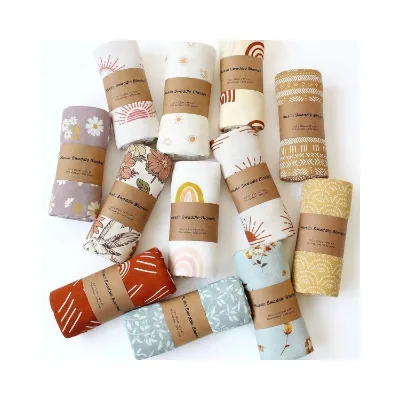
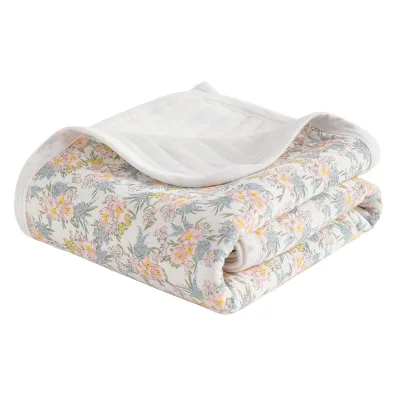
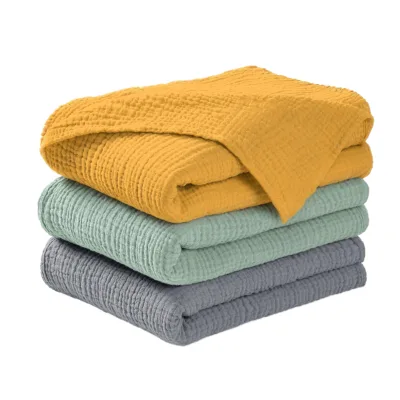
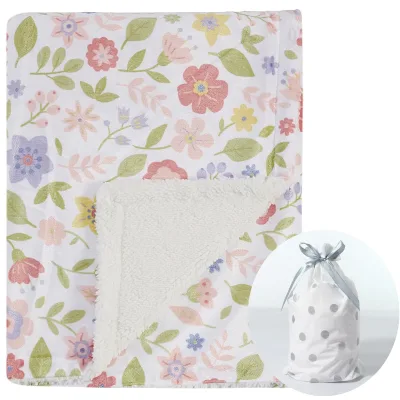
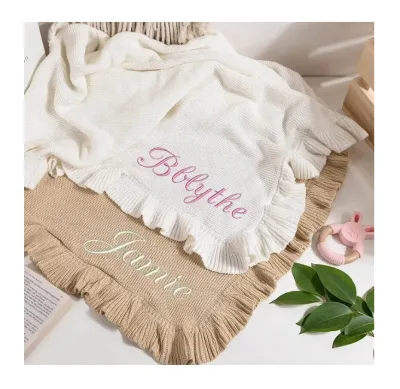


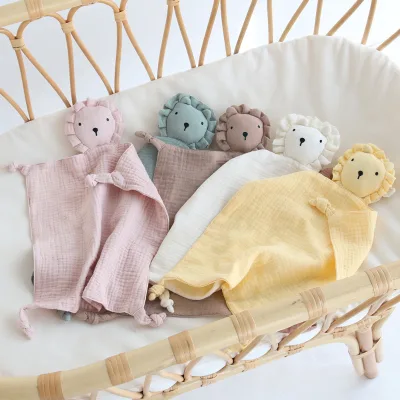
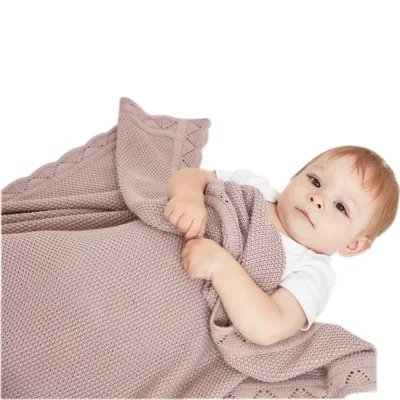


Cooling Blankets for Hot Sleepers, Summer Blanket, Lightweight Comforter
$16.90 - $23.90
MOQ: 50 Pieces

Comprehensive Sourcing Guide
Baby Blanket Sourcing Guide
Sourcing baby blankets requires careful attention to material safety and specific usage environments, as the product category spans from home bedding to travel essentials. The available market data indicates a diverse range of applications including travel, hospitals, hotels, and airplane use, suggesting that buyers must define the primary context before selecting a supplier. While some listings highlight features like waterproofing and portability, others focus on comfort with materials like coral fleece or cotton blends, necessitating a clear distinction between functional and comfort-oriented procurement strategies.
Buyers should also scrutinize the customization capabilities offered by manufacturers, as the data confirms that design, color, and logo printing are frequently available options. The observed product models and packing standards vary significantly, with some suppliers offering custom carton sizes while others use standard OPP bags. This variability means that procurement teams must verify if the supplier can align their production lines with specific branding requirements and logistical constraints, ensuring that the final product meets both aesthetic and operational needs for the intended market.
Product Scope and Observed Listing Signals
The observed product listings reveal a wide spectrum of blanket types, ranging from chemical fiber and blended options to 100% cotton and polyester-cotton mixes. Specific attributes such as "Stitch Knitting" and "Plaid" or "Plain" styles indicate that the market offers both textured and smooth finishes suitable for different age groups, primarily adults but adaptable for broader use cases. The presence of features like "Fireproof" and "Anti-Pilling" suggests that some manufacturers are targeting high-performance segments, though buyers must verify if these claims apply to the specific model they intend to purchase rather than assuming they are universal across all listings.
Listing signals also highlight significant variation in packaging and standardization, with some products adhering to specific dimensions like 405050CM while others offer fully customized standards. The data shows that MOQs can range from 5 to 2000 pieces, with a high-confidence observation of 1000PCS for certain models, indicating that buyers with smaller volume needs may face challenges or need to negotiate specific terms. Understanding these listing signals is crucial for aligning inventory expectations with supplier capabilities, ensuring that the selected product scope matches the buyer's volume requirements and logistical planning.
Technical Specifications to Verify
When evaluating technical specifications, the material composition is a primary verification point, as the data lists options including 100% cotton, polyester, and coral fleece. Buyers must confirm the exact blend ratio and fiber quality, as these directly impact softness, durability, and thermal regulation for the end user. The observed specifications also include edge treatments like binding, hemmed, or overlock finishes, which are critical for preventing fraying and ensuring safety for infants. Verifying these construction details ensures that the blanket will withstand repeated washing and use without degrading, maintaining its integrity over the product's lifecycle.
Thickness and size are equally critical technical parameters that require precise definition, as the data notes that thickness is often customized while size is listed as "Full" or specific to customer requests. Buyers should request detailed dimension sheets to confirm that the blanket fits standard crib sizes or travel requirements, as the observed standard of 0.5kg/piece suggests weight variations that could affect shipping costs and user experience. Additionally, verifying the knitting method and pattern consistency ensures that the product meets the desired aesthetic and functional standards, preventing discrepancies between the sample and the bulk order.
Compliance and Safety Documentation
Safety documentation is paramount when sourcing baby blankets, particularly given the sensitive nature of the end-user demographic. While the provided data mentions certifications like GOTS and OEKO-TEX in a low-confidence context, buyers must explicitly request valid, current certificates from suppliers to ensure the materials are free from harmful substances. The absence of guaranteed certification status in the raw data means that procurement teams cannot assume compliance and must treat every supplier's documentation as unverified until independently validated through third-party testing reports.
Beyond material safety, buyers should verify that the supplier adheres to relevant regional safety standards for textiles, including flammability and chemical residue limits. The observed features like "Fireproof" and "Waterproof" imply specific treatments that may introduce additional chemical requirements, necessitating a review of safety data sheets. Ensuring that the supplier has a robust quality management system in place is essential to maintain consistent compliance, as any lapse in safety standards could lead to product recalls or regulatory penalties in the target market.
Cost Drivers and Commercial Terms
Cost drivers in the Baby Blanket market are heavily influenced by material selection, customization levels, and packaging requirements. The data indicates that materials range from standard polyester to premium cotton and coral fleece, with costs varying accordingly based on fiber quality and processing methods. Customization options such as specific printing patterns, logo embroidery, and unique edge finishes add layers of complexity to the production process, often increasing the unit price. Buyers must analyze these variables to understand the true cost structure and negotiate effectively based on the specific features required for their product line.
Commercial terms, including MOQ and lead times, are significant factors that impact the overall procurement strategy. The observed MOQ range of 5 to 2000 pieces suggests that suppliers have flexible capacity, but the high-confidence observation of 1000PCS for certain models indicates a potential threshold for cost-effective production. Buyers should clarify payment terms, shipping responsibilities, and lead times, as the data shows varied packing standards that could affect logistics costs. Understanding these commercial dynamics allows for better budget forecasting and risk management throughout the sourcing process.
Supplier Qualification and Quality Control
Supplier qualification requires a thorough assessment of their manufacturing capabilities and quality control protocols, especially given the diverse product models and origins observed in the data. The listings show origins in China and Shanghai, indicating a concentration of manufacturing hubs that buyers should evaluate for their specific expertise in textile production. Verifying the supplier's history, production capacity, and ability to handle custom orders is essential to ensure they can meet volume demands without compromising on quality or delivery schedules.
Quality control measures must be rigorous, focusing on material consistency, stitching integrity, and finish quality. Buyers should implement pre-shipment inspections to verify that the finished blankets match the approved samples in terms of color, size, and texture. The data highlights various packing methods, from paper cartons to OPP bags, which must be inspected to ensure they protect the product during transit. Establishing clear quality benchmarks and conducting regular audits helps mitigate the risk of receiving substandard goods and ensures that the supplier maintains high standards throughout the production cycle.
Long-Term Procurement Checks
Long-term procurement success depends on establishing a sustainable relationship with suppliers who can adapt to changing market demands and regulatory requirements. Buyers should regularly review supplier performance metrics, including on-time delivery rates, defect rates, and responsiveness to customization requests. The observed variability in product models and standards suggests that the market is dynamic, requiring buyers to maintain open communication channels to stay informed about new materials, technologies, and design trends that could enhance their product offerings.
Continuous improvement in the supply chain involves periodic re-evaluation of cost structures and quality standards to ensure competitiveness. Buyers should monitor the supplier's ability to scale production while maintaining the high standards observed in the initial listings, such as waterproofing and portability features. By fostering a collaborative partnership, buyers can secure a reliable supply of high-quality baby blankets that meet evolving consumer expectations and regulatory landscapes, ensuring long-term stability and growth for their business operations.
FAQs
What materials are used for baby blankets?
The available materials include polyester, cotton, and coral fleece. Options range from 100% cotton to blended fabrics. These materials are selected for softness and durability. Buyers can choose based on specific comfort needs. Custom material requests are often supported by manufacturers to meet diverse market requirements.
Can I customize the design of the blanket?
Yes, customization is available for most products. Buyers can request specific printing patterns, logos, or embroidery. Designs can be tailored to match brand identity. Edge styles like binding or hemmed finishes are also customizable. This flexibility allows for unique product differentiation in the marketplace.
What is the typical MOQ for orders?
The minimum order quantity typically starts at 1000 pieces. Some suppliers may accept lower quantities starting from 5 pieces. Higher volumes often allow for better pricing and customization options. Buyers should confirm specific MOQ requirements with the supplier before placing an order.
Are the blankets suitable for travel and hotels?
Yes, many blankets are designed for travel, hotels, and airplanes. Features like portability and waterproofing make them ideal for these uses. They are also suitable for home and hospital settings. The lightweight and durable construction ensures they are practical for frequent use in various environments.
What packaging options are provided for shipments?
Packaging options include carton boxes, OPP bags, and PE bags. Customized packing solutions are available to meet specific logistics needs. Standard dimensions like 40x50x50cm are commonly used for cartons. Buyers can request specific packaging to protect the product during transit and storage.
Where are these baby blankets manufactured?
The products are primarily manufactured in China, with some origins in Shanghai. This location offers access to established textile supply chains. Buyers can leverage this manufacturing base for cost-effective production. The region is known for its capability in producing high-quality textile goods.