Source Ballet Nylon Girls Tights for dance, school, and daily wear
Compare 30 listings of Ballet Nylon Girls Tights from verified suppliers. Buyers can evaluate materials, sizes, and customization options for dance, school, and daily wear applications. Explore solid and jacquard patterns, various colors, and breathable features suitable for girls of different ages and sizes.
Key considerations
Products List
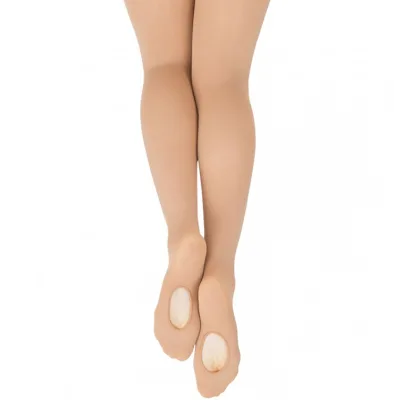

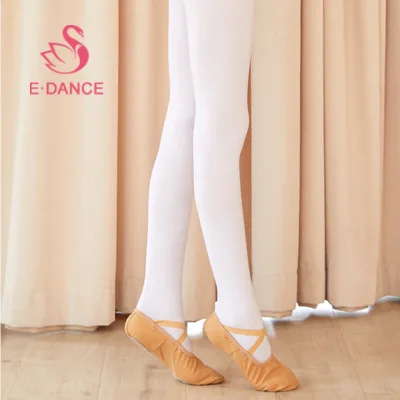
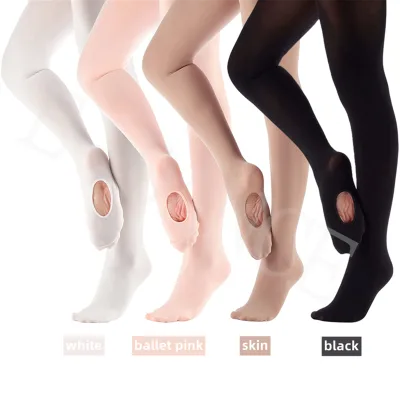
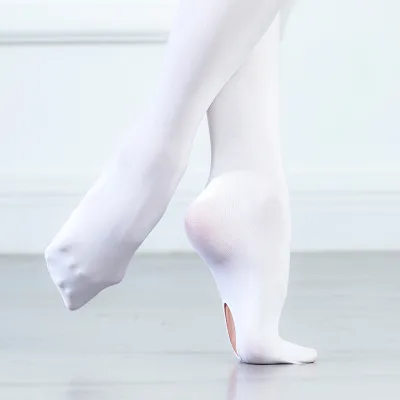




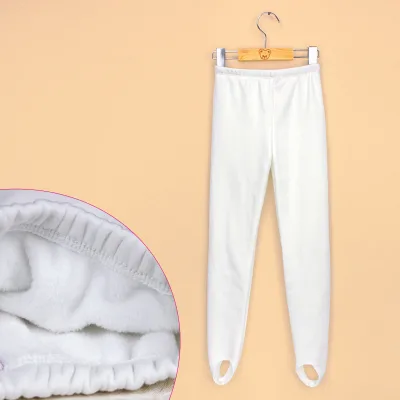
Comprehensive Sourcing Guide
Ballet Nylon Girls Tights Sourcing Guide
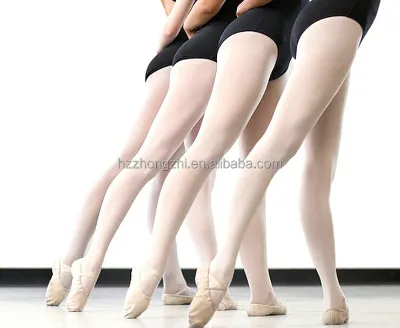
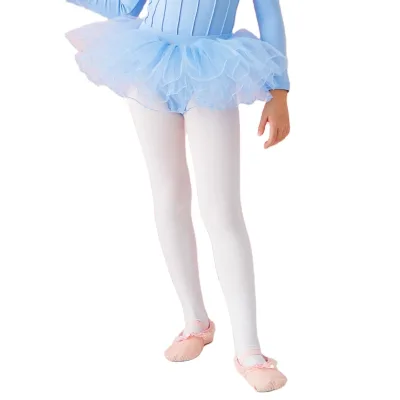
Procuring Ballet Nylon Girls Tights requires a nuanced understanding of material composition, fit specifications, and performance expectations. Buyers must distinguish between standard daily wear tights and specialized dancewear designed for rigorous movement. The selection process hinges on balancing durability with aesthetic requirements, ensuring that the chosen product supports both the functional needs of dance practice and the visual standards of performance attire.
This guide outlines the critical verification steps for sourcing these garments. It focuses on interpreting product listings, validating technical specifications, and establishing robust quality control measures. By adhering to these structured procurement practices, buyers can mitigate risks associated with inconsistent sizing, material degradation, and non-compliance with safety standards, ultimately securing a reliable supply chain for their specific market demands.
Product Scope and Observed Listing Signals
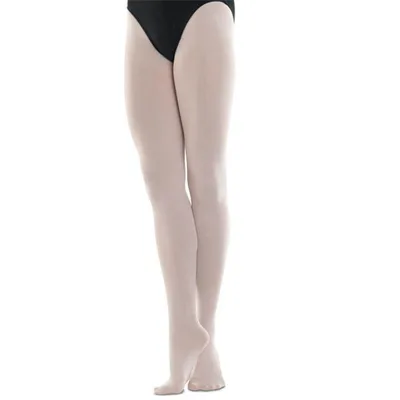
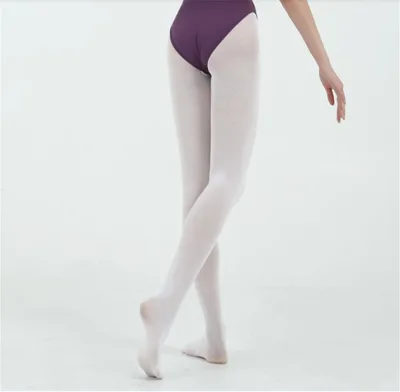
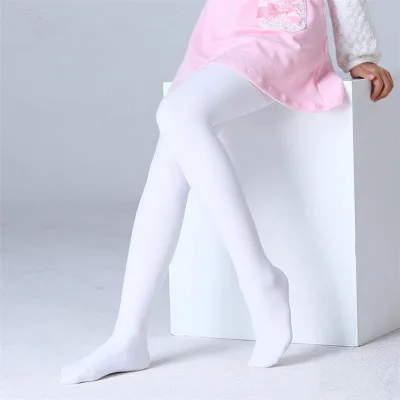
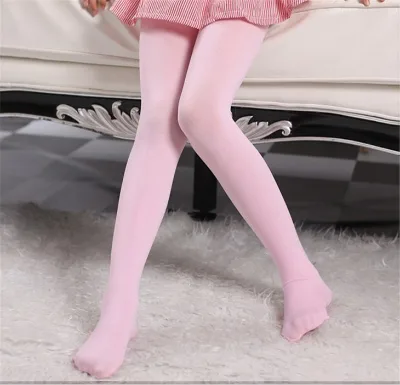
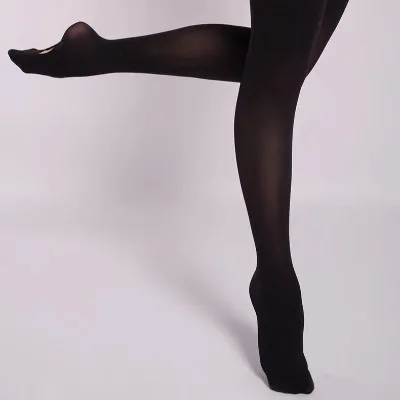
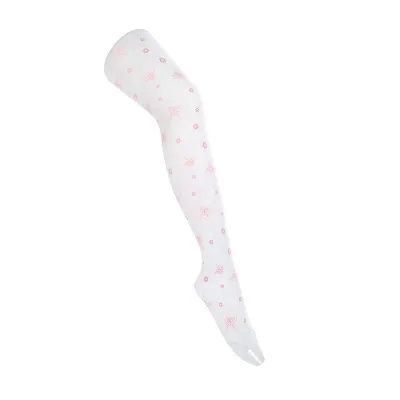
Current market listings reveal a diverse range of options, including solid pattern tights and jacquard designs, catering to various aesthetic preferences. Observed product attributes indicate that materials typically blend spandex, nylon, and cotton, or spandex with polyester, to achieve the necessary stretch and comfort. Buyers should note that supply types are often listed as in-stock items, which can facilitate faster turnaround times for immediate orders, though custom logo acceptance suggests flexibility for branded procurement needs.
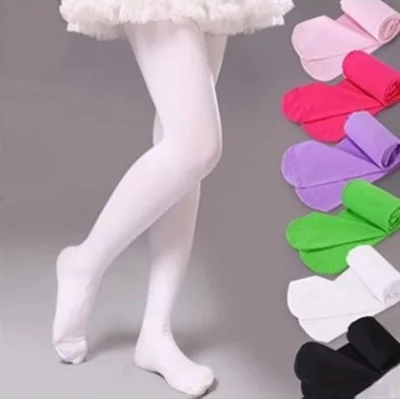
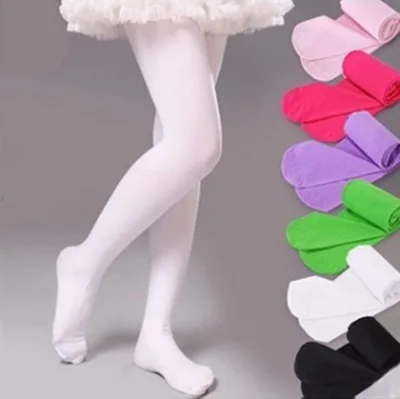
Size ranges vary significantly across different model numbers, with some listings offering extensive sizing from S to 3XL, while others provide more limited options like M to XXL. Color palettes are extensive, ranging from classic white, black, and navy to vibrant options like fluorescent green and rose red. Procurement teams must carefully cross-reference these size charts with their target demographic’s anthropometric data to prevent fit-related returns, ensuring that the selected SKU aligns with the intended user base’s physical dimensions.
Technical Specifications to Verify
Technical verification begins with confirming the thickness and weight specifications, as these directly impact the tights’ opacity and durability. Listings often specify thin constructions with single package weights ranging from approximately 0.047 kg to 0.065 kg, indicating lightweight garments suitable for layering or warm climates. Buyers should verify the knitting techniques used, as knitted structures generally offer better elasticity and recovery compared to woven alternatives, which is crucial for dance movements that require significant leg extension and flexion.
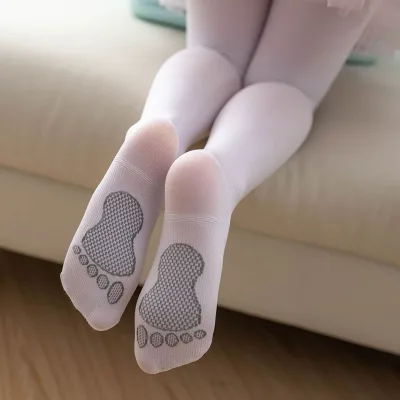
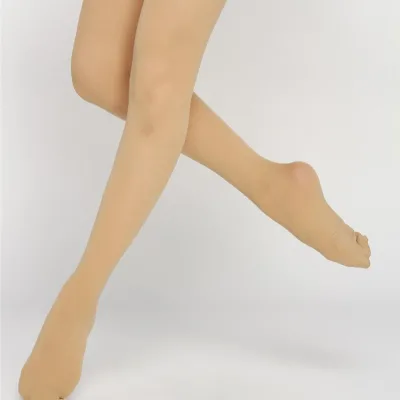
Model numbers such as DS-T-0389 and DS-2307-0590 serve as unique identifiers for specific product configurations, including variations in footed designs and non-slip features. It is essential to confirm whether the tights are footed or footless, as this distinction affects compatibility with different types of dance shoes. Additionally, verifying the single package dimensions, which typically range from 16x10x2.4 cm to 20x10x3 cm, helps in calculating accurate shipping volumes and storage requirements, ensuring logistical efficiency from the supplier’s facility to the final destination.
Compliance and Safety Documentation
Safety compliance is paramount when sourcing garments for children, particularly those used in dance activities where skin contact is extensive. Buyers must request documentation verifying that the materials are free from harmful substances, such as azo dyes or heavy metals, which can pose health risks. Although specific certification statuses like ISO 27001:2022 may be mentioned in broader contexts, buyers should specifically seek out textile safety certifications relevant to children’s apparel, ensuring that the final product meets the regulatory requirements of the destination market.
Breathability and anti-bacterial features are often highlighted as key product attributes, contributing to comfort and hygiene during prolonged wear. Procurement teams should verify these claims through independent test reports or supplier-provided material data sheets. Understanding the fabric’s ability to manage moisture and resist bacterial growth is critical for maintaining the garment’s integrity and the wearer’s comfort, especially in high-intensity dance environments where sweat accumulation is common.
Cost Drivers and Commercial Terms
Cost structures for Ballet Nylon Girls Tights are influenced by material composition, order volume, and customization requirements. Minimum order quantities (MOQs) vary, with some listings requiring as few as three pairs or ten pieces, while others may demand six pieces per color and size. Buyers should negotiate terms that align with their inventory turnover rates, considering that lower MOQs may result in higher per-unit costs but reduce holding risks for new or seasonal products.
Lead times and sample availability are critical commercial factors that impact supply chain agility. Many suppliers support sample orders with a lead time of approximately seven days, allowing buyers to evaluate quality before committing to larger production runs. Shipping options, including air, express, sea, and land transport, offer flexibility based on urgency and budget. Buyers must factor in these logistics costs and timelines when planning their procurement cycles to ensure timely delivery for peak dance seasons or specific performance schedules.
Supplier Qualification and Quality Control
Supplier qualification involves assessing the manufacturer’s production capabilities and quality assurance processes. Buyers should verify the place of origin, such as Zhejiang or Inner Mongolia in China, as regional expertise can influence production consistency and material sourcing. Establishing clear communication channels regarding quality standards is essential, particularly when custom logos or specific color matches are required. Suppliers should demonstrate a robust system for handling customized requests while maintaining consistent product quality across batches.
Quality control measures must include rigorous inspection of stitching, elasticity, and color fastness. Buyers should implement pre-shipment inspections to verify that the tights meet the specified size charts and material compositions. Given the delicate nature of nylon and spandex blends, attention to detail in seam strength and edge finishing is crucial to prevent premature wear or tearing. Developing a standardized quality checklist based on observed product attributes ensures that every shipment meets the expected performance and aesthetic standards.
Long-Term Procurement Checks
Long-term procurement success depends on continuous monitoring of supplier performance and product consistency. Buyers should track key metrics such as defect rates, delivery punctuality, and responsiveness to quality issues. Regular feedback loops with suppliers help identify areas for improvement and foster a collaborative relationship that prioritizes mutual growth and reliability. Maintaining a diverse supplier base can also mitigate risks associated with supply chain disruptions, ensuring uninterrupted access to essential dancewear inventory.
Adapting to market trends and evolving customer preferences is vital for maintaining competitiveness. As dancewear styles and material technologies advance, buyers must stay informed about new innovations in fabric blends and design features. Periodic reviews of product listings and market signals help identify emerging opportunities for product differentiation. By staying agile and responsive to changes in the Ballet Nylon Girls Tights market, buyers can secure a sustainable and profitable procurement strategy that meets the dynamic needs of their customers.
FAQs
What materials are used for these ballet tights?
The tights are constructed from Spandex, Nylon, and Cotton blends to ensure comfort and stretch. Some variations utilize Spandex and Polyester for specific performance needs. This material selection supports breathability and durability for daily wear or dance activities.
Which sizes are available for girls wearing these tights?
Available sizes range from S to 3XL, covering specific height and weight metrics like 60-170 cm. Additional sizing options include TC, SC, MC, and LC codes for different fits. Buyers should verify the specific size chart against the product model number for accurate selection.
Can I order a sample with a customized logo?
Yes, sample orders are supported with a lead time of seven days for quick evaluation. Customized logos are accepted on the product, allowing for brand personalization. This option is ideal for buyers testing quality before committing to larger bulk orders.
What is the minimum order quantity for these tights?
The minimum order quantity varies by product, with some listings requiring three pairs or ten pieces. Other specific models may have a requirement of six pieces per color and size combination. Buyers must check the specific model number to confirm the exact MOQ.
Where are these ballet tights manufactured and shipped from?
Products originate from manufacturing locations in Zhejiang and Inner Mongolia, China. Shipping options include air, express services like DHL and FedEx, as well as sea and land transport. This flexibility allows buyers to choose logistics methods that best suit their delivery timelines.
How are the tights packaged for individual shipment?
Each pair is individually packed in an OPP bag to protect the item during transit. The single package dimensions typically measure around 16 by 10 by 2.4 centimeters. This compact packaging helps reduce shipping volume while ensuring the product remains clean and undamaged.