Source Ballistic Protection Polyethylene Fiber for marine, personal, and bulletproof use
Find 30 verified listings for Ballistic Protection Polyethylene Fiber suitable for marine fishery, personal protection, and bulletproof applications. Compare specifications including breaking force, linear density, and certifications from suppliers in China.
Key considerations
Products List


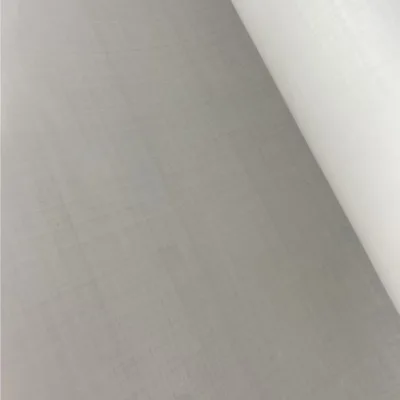
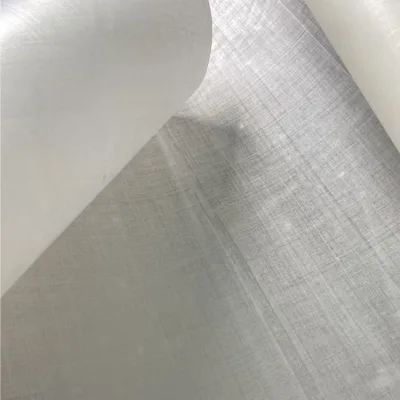
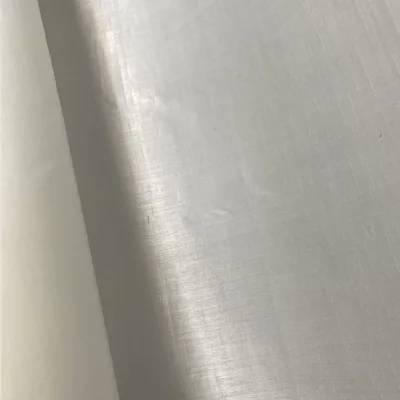


China Products/Suppliers. Tactical Kevlar Aramid /Polyethylene UHMW-PE Soft Armor Vest
$105.00 - $120.00
MOQ: 50 Sets


Tactical Bp Vest Tactical Training Vest Aramid Kevlar PE Body Protection
$179.00 - $185.00
MOQ: 1 Sets




Comprehensive Sourcing Guide
Strategic Sourcing Guide for Ballistic Protection Polyethylene Fiber
Understanding the Material and Technical Specifications
Ballistic Protection Polyethylene Fiber represents a critical class of high-performance materials used in personal protection and marine applications. When sourcing this commodity, buyers must first distinguish between the various forms in which the fiber is supplied, as the physical structure dictates its end-use performance. The market offers products ranging from multifilament yarns to continuous filament structures, each serving distinct manufacturing needs. For instance, specific product listings indicate a "Multifilament Yarn" structure, while others are defined by "Continuous Filament" specifications. This distinction is vital because the fiber's arrangement affects the tensile strength and flexibility of the final ballistic panel.
Technical parameters such as linear density and breaking force are primary indicators of capability. In the observed market data, linear density values vary significantly, with specific entries noting "1000d" for general applications and broader ranges like "200-2400D" for specialized yarns. The breaking force is another critical metric; high-performance variants have been observed with breaking forces reaching "208.4t," suggesting extreme durability suitable for heavy-duty ballistic requirements. The fiber's coarseness is also a defining characteristic, with options available as "Fine Yarn" or heavier gauges. Buyers should verify the "Tenacity" of the material, as high tenacity is a standard requirement for effective ballistic resistance. Furthermore, the physical dimensions of the product, such as a diameter of "60mm" or specific sizes like "10-20mm*28mm," must align with the manufacturing equipment of the procurement entity.
The material composition is almost exclusively Polyethylene (PE) in the high-performance segment. This material choice is fundamental to achieving the necessary weight-to-strength ratio required for modern body armor. The fiber's density is another specification to scrutinize, with observed values ranging from "130-160gsm" for specific fabric weights. Color variations, such as "Emerald Green" or "Apple Green," are available, though the raw "Pattern" is also common. These visual attributes often serve as quality control markers or specific order identifiers rather than performance indicators.
Compliance, Certification, and Regulatory Standards
Navigating the regulatory landscape for ballistic protection materials requires rigorous verification of certifications and standards. Unlike general textiles, ballistic fibers are subject to strict safety and quality protocols. The supply chain data indicates the presence of "CE" and "ISO9001" certifications, which are essential for demonstrating that the manufacturing process meets international quality management standards. Additionally, specific listings reference "CCS" (China Classification Society) certification, which is particularly relevant for marine and naval applications where the fiber is used for safety ropes and protective gear.
When evaluating a supplier, buyers must demand evidence of these certifications rather than accepting them as mere claims. The "ISO9001" standard ensures that the supplier maintains a consistent quality management system, which is crucial for the reliability of ballistic products. However, buyers should be aware that "ISO27001" is a standard for information security and is not typically a direct certification for the physical properties of polyethylene fiber; its inclusion in general industry discussions should not be conflated with product quality.
Compliance also extends to the specific standards applied to the fiber itself. Market observations list standards such as "60MM, The twelve strands of rope" and specific model standards like "TM32" or "1200D." These are often internal or industry-specific designations rather than universal international standards. Therefore, the procurement process must involve a detailed review of the test reports associated with these standards. Buyers should verify if the fiber meets specific ballistic performance standards, such as NIJ (National Institute of Justice) levels, even if these are not explicitly listed in the general product summaries. The absence of a specific standard name in a listing does not imply non-compliance, but it necessitates a direct request for the test data that validates the product's ballistic rating.
Cost Drivers and Pricing Dynamics
The pricing of Ballistic Protection Polyethylene Fiber is influenced by a complex interplay of factors, including material grade, production volume, and customization requirements. The observed price range in the market is exceptionally broad, spanning from $2 to $12,000 USD. This variance is not indicative of a single product line but rather reflects the difference between raw fiber components, finished yarns, and specialized ballistic panels. A unit priced at $2 likely represents a small quantity of raw material or a basic yarn, whereas the $12,000 figure may correspond to a large bulk order of high-specification armor-grade fiber or a complete protective system.
Volume is a primary cost driver. The Minimum Order Quantity (MOQ) varies widely, from as low as 1 unit to 1000 units. Suppliers often offer "Small Orders: Accepted," which is beneficial for prototyping or testing new designs, but this flexibility usually comes with a higher per-unit cost. Conversely, bulk purchasing of "100 Meter" or larger quantities typically unlocks more competitive pricing tiers. The "Customization: Available" attribute also impacts cost. Orders requiring specific colors, such as "Emerald Green" or "Apple Green," or specific packaging like "Plastic Bag, Strong Carton" versus "Carton Pallet," may incur additional setup or processing fees.
Other cost factors include the origin of the product and the complexity of the supply chain. Products originating from "Beijing, China" or "Zhejiang, China" may have different logistics costs depending on the buyer's location. The "Export Markets: Global" status suggests that these suppliers are accustomed to international shipping, but freight costs, insurance, and tariffs will significantly affect the final landed cost. Buyers should also consider the "Sample time," which is noted as "5-7 Days" in some cases. Rushing the sample or production process can lead to expedited shipping fees, which should be factored into the total cost of ownership.
Typical Applications and Performance Requirements
The versatility of polyethylene fiber allows it to serve in diverse high-stakes environments. The primary application identified in the market data is "Personal Protection," specifically for "Bulletproof" gear. This includes body armor plates and vests where the fiber's high strength and low weight are paramount. The "Feature" list highlights attributes such as "Anti-UV," "High Strength," "Anti-Bacterial," and "Abrasion Resistant," which are essential for the longevity and effectiveness of protective equipment in harsh conditions.
Beyond personal armor, the fiber is extensively used in "Marine Fishery" and "Shipping" sectors. The "Usage" attributes include "Security," "Shipping," and "Packaging," indicating that the same material technology is applied to heavy-duty ropes and safety lines. For example, the "12 strands of rope" specification suggests a construction designed for high-load marine applications. The "Tenacity: high" attribute is particularly relevant here, as marine environments demand materials that can withstand constant tension and exposure to saltwater.
In the textile and manufacturing sectors, the fiber is utilized for "Knitting," "Fishing," and "Weaving." The "Weight" specifications, such as "3-4kg/Bobbin" or "2~3kg/Bobbin," indicate the scale of production for these applications. The "Logo: OEM Logo Acceptable" feature suggests that these fibers are often used in branded protective gear, where the manufacturer's identity is integrated into the product. Buyers must ensure that the fiber's performance characteristics, such as "Moisture Absorbent" properties, align with the specific environmental conditions of the application. For instance, in marine settings, resistance to moisture and UV degradation is critical to prevent premature failure of the protective gear.
Supplier Evaluation and Selection Criteria
Selecting a reliable supplier for Ballistic Protection Polyethylene Fiber requires a multi-faceted evaluation process. The first step is verifying the supplier's location and origin. The market data points to "China" as the primary origin, with specific hubs in "Beijing" and "Zhejiang." While these regions are known for textile manufacturing, buyers should verify the specific factory capabilities and history. A supplier with a long-standing presence in these regions may have more established quality control processes.
The supplier's ability to handle customization is another key evaluation point. The "Customization: Available" attribute is common, but the extent of this capability varies. Buyers should assess whether the supplier can accommodate specific model numbers like "TYZ-TM32-800D" or "UD-001-#0907." The "Brand Name" field, with entries like "MU" and "ICT," indicates that some suppliers operate under their own brands, while others may offer OEM services. Buyers should clarify whether they are purchasing a branded product or a generic fiber that will be rebranded.
Logistics and lead times are also critical. The "Sample time" of "5-7 Days" provides a baseline for the supplier's responsiveness. However, for bulk orders, the lead time can vary significantly. Buyers should inquire about the "prod_packing" options, such as "Plastic Bag, Strong Carton" or "Carton Pallet," to ensure the packaging meets their storage and shipping requirements. The "Single package size" of "110X10X10 cm" and "Single gross weight" of "3.000 kg" are useful for calculating shipping volumes and costs.
Finally, the supplier's export experience is a strong indicator of reliability. The "Export Markets: Global" attribute suggests that the supplier is familiar with international trade regulations and logistics. Buyers should request references from other international clients to validate the supplier's track record. The ability to accept "Small Orders" is a positive sign of flexibility, but it should not come at the expense of quality control.
Quality Control and Long-Term Procurement Considerations
Ensuring the quality of Ballistic Protection Polyethylene Fiber is a continuous process that extends beyond the initial purchase. The "Feature" list includes "Anti-UV" and "Abrasion Resistant," which are long-term performance attributes. Buyers must verify that these claims are backed by test data, as the degradation of polyethylene under UV exposure can compromise the ballistic integrity of the final product. The "Material: PE" specification is standard, but the purity and processing of the polyethylene can vary, affecting the final product's performance.
Quality control should also focus on the consistency of the "Linear Density" and "Breaking Force." Variations in these parameters can lead to inconsistencies in the final armor panels. Buyers should request batch-to-batch testing reports to ensure that the fiber meets the specified "1000d" or "200-2400D" ranges consistently. The "Weight" specifications, such as "160gsm" or "3-4kg/Bobbin," should also be verified to ensure that the product meets the design requirements of the manufacturing line.
Long-term procurement considerations include the stability of the supply chain and the availability of raw materials. The "MOQ" of "100 Meter" or higher indicates that suppliers may have minimum production runs, which can affect the flexibility of the supply chain. Buyers should establish a relationship with the supplier that allows for regular reordering and potential adjustments to the order volume. The "Logo: OEM Logo Acceptable" feature suggests that the supplier is willing to work closely with the buyer on branding, which can be beneficial for long-term partnerships.
In conclusion, sourcing Ballistic Protection Polyethylene Fiber requires a deep understanding of the technical specifications, regulatory requirements, and market dynamics. By carefully evaluating the material properties, verifying certifications, and assessing supplier capabilities, buyers can secure a reliable supply of high-performance fiber for their critical applications. The broad range of observed prices and MOQs underscores the importance of clear communication and detailed specification requirements to ensure that the final product meets the exact needs of the procurement entity.
FAQs
What certifications are available for Ballistic Protection Polyethylene Fiber?
Available certifications include CE, ISO9001, and CCS. These standards verify quality management and marine safety compliance, ensuring the material meets international requirements for personal protection and shipping applications.
Which specifications define the breaking force and linear density?
Products feature a breaking force of 208.4t and linear density of 1000d. Other variants offer densities ranging from 200d to 2400d, allowing selection based on specific strength and flexibility needs for armor or ropes.
Can buyers customize the product packaging and branding?
Customization is available for packaging and logos. Options include plastic bags, strong cartons, or pallets, and OEM logos are acceptable, enabling tailored solutions for different shipping and branding requirements.
What are the typical lead times for samples and orders?
Sample time is typically 5 to 7 days. While specific bulk lead times vary, the supplier accepts small orders and global exports, facilitating rapid prototyping and flexible procurement schedules for international buyers.
How does the material composition affect ballistic performance?
The material is Polyethylene (PE), offering high tenacity and low weight. This composition provides essential features like anti-UV resistance and abrasion resistance, making it suitable for bulletproof vests and marine safety gear.
What are the minimum order quantities for purchasing this fiber?
MOQs range from 1 unit to 1000 units, with specific listings starting at 100 meters. Small orders are accepted, allowing buyers to test quality before committing to larger bulk purchases for production.