Source Ball Style Camping Tent Buckle for Backpacks, Ropes, and Gear
Find and compare 30 Ball Style Camping Tent Buckle options from verified suppliers. Evaluate features like injection molding, POM material, and cord lock stopper types to select the right hardware for backpacks, cloth cords, and outdoor gear applications.
Key considerations
Products List
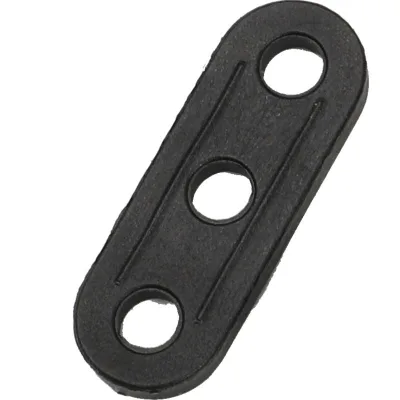
$0.02 - $0.03
MOQ: 100








Comprehensive Sourcing Guide
Ball Style Camping Tent Buckle Sourcing Guide
Sourcing ball-style buckles for camping tents requires a nuanced understanding of both the mechanical fastening principles and the specific environmental demands placed on outdoor gear. These components serve as critical junction points where tent poles, guylines, and structural fabrics intersect, demanding high tensile strength and reliable friction-based locking mechanisms. Buyers must distinguish between generic plastic toggles and engineered ball-lock systems that offer superior resistance to accidental release under wind load or tension. The procurement process involves evaluating material resilience, dimensional accuracy, and the compatibility of the locking ball with the corresponding cord or pole diameter.
This guide focuses on the technical and commercial realities of sourcing these specific hardware items, drawing from observed market data and standard industry practices. It addresses the verification of material properties, the interpretation of supplier specifications, and the establishment of quality control protocols. By adhering to the evidence-based insights provided, procurement professionals can mitigate risks associated with component failure, ensure compliance with safety standards, and optimize cost structures without compromising the durability required for outdoor equipment.
Product Scope and Observed Listing Signals
The market for tent buckles encompasses a variety of stopper types, including cord locks, toggle buckles, and ball-style fasteners, each serving distinct functional roles. Observed listings indicate a strong presence of injection-molded components, particularly those made from Polyoxymethylene (POM) or Nylon, which are favored for their low friction and high wear resistance. For instance, specific product data highlights "Cord Lock" stopper types with injection molding techniques, available in sizes ranging from 20mm to 50mm, and colored in standard black for discreet integration into tent designs. These attributes suggest that buyers should prioritize materials that offer toughness and durability, as these are frequently cited features in successful product listings.
In addition to simple stoppers, the scope extends to more complex assemblies such as tent wind rope buckles and carabiner hooks, which may incorporate ball-lock mechanisms for quick release and secure locking. Listings reveal a diversity in product models, such as HW030, HW006, and B2014A, indicating that suppliers often offer multiple variants to accommodate different pole diameters and fabric weights. The observed price range of $0.02 to $1.65 USD reflects this variability, with lower costs associated with basic plastic toggles and higher costs linked to aluminum or specialized alloy components. Buyers must carefully map these observed signals to their specific technical requirements, ensuring that the selected buckle type aligns with the structural integrity needs of the final tent assembly.
Technical Specifications to Verify
Material selection is the primary technical determinant for buckle longevity, with POM and Nylon being the most commonly observed materials in high-quality listings. POM, in particular, is noted for its stiffness and resistance to moisture absorption, making it ideal for outdoor applications where exposure to rain and humidity is inevitable. Buyers should verify that the specified material grade meets the required tensile strength and impact resistance, as generic plastics may become brittle in cold temperatures or deform under sustained load. The observed certification data mentioning "Material: Nylon" alongside GS, CE, and ISO9001 standards provides a benchmark for quality, suggesting that suppliers adhering to these certifications are more likely to provide consistent material performance.
Dimensional accuracy and mechanical fit are equally critical, as even minor deviations can lead to slippage or failure to lock. Specifications such as size 20mm/25mm/38mm/50mm for cord locks and specific dimensions like 78437.5mm for carabiner hooks highlight the need for precise matching with tent poles and guylines. Buyers must confirm that the internal diameter of the buckle and the diameter of the locking ball are compatible with the cord thickness specified in their tent design. Additionally, the process of injection molding, as observed in several listings, implies a need for tight tolerances in mold design to ensure uniformity across production batches, which is essential for reliable assembly line integration.
Compliance and Safety Documentation
Safety certifications play a pivotal role in validating the reliability of tent buckles, particularly for products intended for professional or commercial outdoor use. The observed presence of GS, CE, and ISO9001 certifications in supplier listings indicates a commitment to quality management systems and product safety standards. GS certification, in particular, is a recognized mark of safety in European markets, suggesting that the product has undergone rigorous testing for mechanical strength and material safety. Buyers should request documentation for these certifications to ensure that the buckles meet the regulatory requirements of their target markets, thereby reducing liability risks and enhancing brand credibility.
Beyond formal certifications, buyers must verify that the materials used are free from harmful substances and comply with environmental regulations such as REACH or RoHS, depending on the destination market. The observation that some products are certified with ISO9001 suggests that the supplier has a documented quality management system, which is a strong indicator of consistent production quality. However, buyers should not rely solely on these labels; they should also request material test reports to confirm the absence of heavy metals, phthalates, or other restricted substances. This due diligence is essential for maintaining compliance with international trade standards and ensuring the long-term safety of the end-user.
Cost Drivers and Commercial Terms
The cost of tent buckles is influenced by several factors, including material type, production volume, and customization requirements. Observed MOQs ranging from 10 to 5000 pieces indicate that suppliers offer flexible ordering options, catering to both small-scale prototyping and large-scale production runs. The low MOQ of 10 pieces allows buyers to test samples and validate quality before committing to larger orders, while higher MOQs typically result in lower unit prices due to economies of scale. Buyers should negotiate pricing based on their projected volume, keeping in mind that the observed price range of $0.02 to $1.65 USD reflects significant variation based on these factors.
Lead times and sample availability are also key commercial considerations, with some suppliers offering a 7-day sample order lead time to accelerate the procurement process. This rapid turnaround is beneficial for buyers who need to quickly iterate on designs or respond to urgent market demands. However, buyers should be aware that sample orders may carry a premium price compared to bulk production costs. Additionally, customization options, such as specific colors or branded packaging, can impact the final cost and lead time. Buyers should clearly define their customization requirements early in the negotiation process to avoid unexpected delays or cost overruns.
Supplier Qualification and Quality Control
Supplier qualification is a critical step in ensuring the reliability of the supply chain, particularly for components that are integral to product safety. Buyers should prioritize suppliers who demonstrate a strong track record in injection molding and have established quality control processes. The observation that some suppliers are located in Hebei and Zhejiang, China, regions known for their manufacturing capabilities, provides a starting point for supplier identification. However, buyers must conduct thorough due diligence, including factory audits and review of past performance data, to verify the supplier's ability to meet quality and delivery commitments.
Quality control protocols should include incoming material inspections, in-process monitoring, and final product testing to ensure that each buckle meets the specified technical requirements. Buyers should request detailed inspection reports and, if necessary, conduct third-party inspections to verify product quality. The observed feature of "Toughness; Durable" suggests that suppliers should provide evidence of stress testing or durability assessments. By implementing robust quality control measures, buyers can minimize the risk of receiving defective products and ensure that the final tent assembly meets the highest standards of performance and safety.
Long-Term Procurement Checks
Long-term procurement success depends on the establishment of continuous improvement mechanisms and regular supplier performance reviews. Buyers should implement a system for tracking key performance indicators, such as defect rates, delivery times, and responsiveness to issues, to identify areas for improvement. Regular communication with suppliers is essential to address any emerging challenges and to foster a collaborative relationship that supports innovation and cost optimization. The observed availability of customization options suggests that suppliers are open to adapting to changing market needs, which buyers can leverage to enhance product differentiation.
Furthermore, buyers should stay informed about industry trends and technological advancements in buckle design and materials to remain competitive. This includes monitoring developments in sustainable materials and manufacturing processes that may impact cost and compliance requirements. By maintaining a proactive approach to supplier management and market analysis, buyers can ensure that their procurement strategy remains aligned with business objectives and customer expectations. The goal is to build a resilient supply chain that can adapt to fluctuations in demand and regulatory changes while delivering high-quality products consistently.
FAQs
What materials are used for ball style camping tent buckles?
These buckles are commonly manufactured from POM or Nylon to ensure durability and resistance to environmental wear. POM offers high toughness and low friction, while Nylon provides strong tensile strength. Some variants may include Aluminum components for specific hook applications. The choice of material depends on the required load-bearing capacity and exposure conditions for outdoor gear.
Can I customize the size of the tent rope adjustment buckle?
Yes, customization is available for these stoppers and cord locks. Standard sizes include 20mm, 25mm, 38mm, and 50mm to fit various cord diameters. Buyers can request specific dimensions to match their tent designs. This flexibility ensures a secure fit for different types of ropes and guylines used in camping and outdoor equipment manufacturing.
What is the typical MOQ for ordering these buckles?
The minimum order quantity typically ranges from 100 to 5000 pieces depending on the specific model and supplier. Some items have an MOQ of 100pcs, while others may require 300pcs or more. Bulk orders often benefit from better pricing. Buyers should verify the exact MOQ with the manufacturer before placing an order to ensure it aligns with their production needs.
How long does it take to receive samples?
Sample orders generally have a lead time of 7 days. This allows buyers to verify the quality, size, and functionality of the buckles before committing to a larger purchase. The supplier supports sample requests to facilitate decision-making. Once approved, the main production order will follow the agreed-upon timeline based on quantity and customization requirements.
Are these buckles suitable for heavy-duty outdoor use?
Yes, they are designed for toughness and durability in outdoor environments. Made from injection-molded POM or Nylon, they resist breaking under tension. They are used in backpacks, cloth cords, and tent guylines. The robust construction ensures reliable performance during camping, hiking, and other outdoor activities where secure fastening is critical for safety and convenience.
What certifications do these products typically hold?
Products may carry certifications such as GS, CE, and ISO9001, indicating compliance with quality and safety standards. These certifications are often associated with Nylon materials or specific manufacturing processes. Buyers should request current certification documents to verify compliance with their regional regulations. This ensures the buckles meet international quality benchmarks for outdoor gear components.