Source Bamboo Serving Tray for Kitchen, Office, and Outdoor Use
Compare 30 Bamboo Serving Tray options from verified Chinese manufacturers. These pulp-moulded, eco-friendly trays feature custom laser logos and meet export standards for home, office, and restaurant applications. Buyers can evaluate various models including ET009 and EB-B4888, noting dimensions, weights, and delivery details to find the best fit for their specific sourcing needs.
Key considerations
Products List


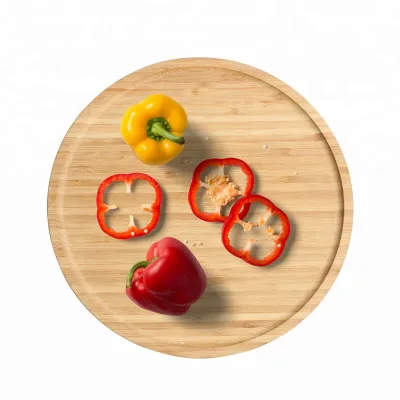


Ecofriendly Bamboo Wooden Tray Woven Bamboo Serving Trays Cheap Wholesale Natural Tray
$1.00 - $5.40
MOQ: 300 Pieces


Eco-Friendly Folding Bamboo Serving Tray with Legs Bed Food Serving Tray
$5.00 - $6.00
MOQ: 500 Pieces


Comprehensive Sourcing Guide
Bamboo Serving Tray Sourcing Guide
Sourcing bamboo serving trays requires a strategic balance between aesthetic appeal, functional durability, and supply chain reliability. These products are increasingly popular in the food service and home goods sectors due to their natural texture and eco-friendly profile. Buyers must navigate a market where customization options are widely available, allowing for tailored solutions that align with specific brand identities. Understanding the manufacturing processes, particularly pulp moulding and solid wood assembly, is essential for selecting the right product for your target market.
The procurement process involves evaluating multiple variables, from material composition to delivery timelines. With origins primarily in regions like Fujian, China, buyers have access to established manufacturing hubs known for bamboo processing. However, this also means managing logistics and quality control across international borders. This guide provides a structured approach to evaluating suppliers, verifying technical specifications, and ensuring compliance with safety standards, helping you make informed decisions that mitigate risk and optimize value.
Product Scope and Observed Listing Signals
The current market for bamboo serving trays exhibits a diverse range of product types, including specialized items like silverware organizers and flatware trays. Listings indicate that these products are generally non-disposable, emphasizing their role as durable, reusable items for home, office, and outdoor use. The observed price range of $0.08 to $12.50 USD suggests significant variation based on complexity, material thickness, and customization levels. Buyers should note that while some items are marketed as eco-friendly, the specific environmental claims should be verified against actual product certifications rather than relying solely on marketing language.
Minimum Order Quantities (MOQs) typically range from 100 to 1000 pieces, reflecting the flexibility of modern manufacturing capabilities. Some suppliers offer lower MOQs for standard items, while customized orders with laser logos or specific dimensions may require higher volumes. The observed delivery details vary, with some suppliers citing 45-60 days and others offering 7-30 workdays after order confirmation. This discrepancy highlights the importance of clarifying lead times early in the negotiation process, as production schedules can be influenced by order size, customization requirements, and seasonal demand fluctuations.
Technical Specifications to Verify
Technical verification begins with confirming the exact dimensions and weight of the trays, as these factors impact shipping costs and storage efficiency. Observed specifications include models such as ET009, EB-B4888, and TY1009, with dimensions ranging from compact 25x15x2.5 cm trays to larger 40x40x7 cm serving platters. The item weight of approximately 1.81 kg for certain models indicates substantial material usage, which may affect durability but also increases freight costs. Buyers must ensure that the stated dimensions match the physical product, especially when ordering customized sizes, to avoid discrepancies in packaging and display requirements.
Material composition is another critical technical aspect, with bamboo and wood being the primary materials used. The process type, often pulp moulding for certain items, influences the texture and finish of the final product. Buyers should verify whether the trays are solid bamboo or composite materials, as this affects both the aesthetic and the longevity of the item. Additionally, the presence or absence of lids and the specific shape, such as rectangular designs, should be confirmed to ensure the product meets the intended functional requirements for kitchen, restaurant, or picnic use.
Compliance and Safety Documentation
Compliance with food safety standards is paramount when sourcing bamboo serving trays, especially those intended for direct food contact. Certifications such as CE/EU and FDA are observed in some listings, indicating that the products meet specific regulatory requirements for safety and quality. Buyers must request valid certification documents from suppliers to verify that the materials used are free from harmful chemicals and suitable for food service applications. It is crucial to ensure that these certifications are current and applicable to the specific product models being ordered, as standards can vary by region and product type.
Beyond food safety, ethical manufacturing practices are increasingly important for brand reputation. Certifications like BSCI demonstrate a commitment to social compliance in the supply chain, ensuring fair labor practices and safe working conditions. Buyers should inquire about the supplier’s adherence to these standards and request relevant audit reports if necessary. While some background information mentions FSC certification, this should be treated as a potential attribute rather than a guaranteed fact, requiring direct confirmation from the supplier to ensure the bamboo is sourced from responsibly managed forests.
Cost Drivers and Commercial Terms
Several factors influence the final cost of bamboo serving trays, including material quality, customization complexity, and order volume. The quotation process is typically based on the buyer’s specific requirements for quantity and material, meaning that prices can fluctuate significantly depending on these variables. Buyers should expect that customized features, such as laser-engraved logos or unique dimensions, will incur additional costs. Understanding these cost drivers allows for more accurate budgeting and helps in negotiating favorable terms with suppliers who may offer discounts for larger orders or repeat business.
Commercial terms also include packaging and shipping considerations, which can impact the overall landed cost. Observed packaging methods range from individual bubble bags to bulk packing into cartons, with standard box sizes like 40x30x1.5 cm affecting palletization efficiency. Buyers should clarify who is responsible for shipping costs and insurance, as well as the Incoterms used in the transaction. Additionally, payment terms and sample costs should be discussed upfront, with sample times typically ranging from 10-15 days, to ensure that the procurement process aligns with project timelines and budget constraints.
Supplier Qualification and Quality Control
Supplier qualification involves assessing the manufacturer’s capability to deliver consistent quality and meet production deadlines. Many suppliers emphasize that all products are checked by experienced QC teams, which is a positive indicator of their commitment to quality assurance. Buyers should request detailed quality control procedures and ask for examples of past performance, particularly regarding defect rates and return policies. Verifying the supplier’s production capacity and lead time reliability is essential, as delays can disrupt supply chains and impact customer satisfaction.
In addition to quality control, buyers should evaluate the supplier’s responsiveness and communication skills. A reliable supplier will provide clear and timely updates on order status, address concerns promptly, and offer support for any issues that arise during production or shipping. It is also advisable to check the supplier’s track record in exporting, as experience with international logistics can help mitigate risks associated with customs clearance and delivery. Establishing a strong relationship with a qualified supplier can lead to better pricing, priority production, and improved service over time.
Long-Term Procurement Checks
Long-term procurement success depends on continuous monitoring of supplier performance and market trends. Buyers should regularly review key performance indicators such as on-time delivery rates, product quality consistency, and responsiveness to changes in order specifications. Establishing a structured review process allows for early identification of potential issues and facilitates proactive problem-solving. Additionally, staying informed about changes in material costs, regulatory requirements, and consumer preferences can help buyers adapt their sourcing strategies to maintain competitiveness and relevance in the market.
Sustainability and ethical sourcing remain critical considerations for long-term procurement. Buyers should periodically re-verify certifications and conduct audits to ensure that suppliers continue to adhere to agreed-upon standards. Building a diverse supplier base can also mitigate risks associated with dependency on a single source, providing flexibility in case of disruptions. By maintaining a strategic approach to supplier management and continuously evaluating procurement practices, buyers can ensure a resilient and efficient supply chain for bamboo serving trays.
FAQs
What customization options are available for bamboo serving trays?
Customization is available for these bamboo serving trays, allowing buyers to add their own logo via laser engraving. The products are made from bamboo and wood with a pulp moulding process. Buyers can request specific dimensions and packaging styles to meet their unique branding and functional needs.
Which certifications do the bamboo serving trays hold?
The bamboo serving trays hold CE, EU, FDA, and BSCI certifications. These credentials ensure the products meet international safety and quality standards for food contact and ethical manufacturing. Buyers can rely on these verified certifications when sourcing for export markets or regulated industries requiring strict compliance.
How long is the delivery time for Bamboo Serving Tray orders?
Delivery typically takes 45 to 60 days after the order is confirmed, though some items may ship within 7 to 30 workdays. This timeline depends on the specific product model and order volume. Buyers should plan their inventory accordingly to ensure timely arrival for their business operations.
What is the minimum order quantity for bamboo serving trays?
The minimum order quantity ranges from 100 to 1000 pieces depending on the specific product model. Some items require 500 or 1000 pieces as a baseline for production. Buyers should verify the exact MOQ for their selected model before finalizing their purchase agreement with the supplier.
Can I get samples of the bamboo serving trays before ordering?
Yes, samples are available with a lead time of 10 to 15 days. This allows buyers to inspect the quality, dimensions, and finish before committing to a larger order. The sample process ensures that the final product meets the buyer's expectations regarding material and craftsmanship.
Where are the bamboo serving trays manufactured?
The bamboo serving trays are manufactured in Fujian, China, specifically in Shaowu. This region is known for its bamboo resources and established manufacturing capabilities. Buyers sourcing from this location benefit from access to high-quality raw materials and experienced production facilities.
What are the standard dimensions for the bamboo serving trays?
Standard dimensions vary by model, with sizes like 40x40x7cm, 40x28x5cm, and 28x19x2.5cm available. These specifications cover various usage scenarios from kitchen organization to outdoor picnics. Buyers should select the model that best fits their specific storage or serving requirements.