Source Banana Storage Box for Home, Hotel, and Hospital Use
Find 30 Banana Storage Box options designed for freshness preservation and carrying. Compare features like eco-friendly materials, customization, and various applications including home, hotel, and hospital settings to find the right fit; compare the available evidence and request quotations based on your requirements.
Key considerations
Products List

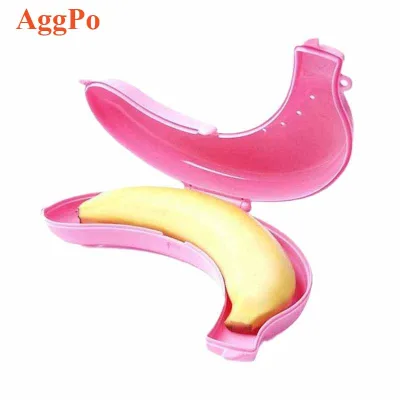
Banana Fresh Container, Storage Containers, Food Fresh Box, Plastic Banana Case
$0.16 - $0.31
MOQ: 200 Pieces


Space-Saving Plastic Storage Box, Plastic Bin Container/Plastic Storage Basket
$3.80 - $4.00
MOQ: 2000 Pieces




2-Tier Countertop Fruit Vegetables Basket Bowl Storage with Banana Hanger
$4.00 - $4.67
MOQ: 100 Pieces

Comprehensive Sourcing Guide
Banana Fresh Container Sourcing Guide
Procuring banana storage solutions requires distinguishing between specialized freshness preservation units and general-purpose plastic containers that may be marketed with similar terminology. The observed product landscape includes items explicitly labeled as "Banana Fresh Container" designed to maintain fruit quality, alongside broader storage boxes intended for various household or commercial applications. Buyers must carefully align their specific need for fruit preservation with the actual product features listed, such as the "Freshness Preservation" attribute, to avoid purchasing generic storage solutions that lack the necessary design elements for extending produce life.
Commercial listings for these items reveal a wide variance in specifications, with some products featuring "Handles" for carrying and others designed for "Stacked" or "Nested" storage configurations. The material composition is predominantly plastic, with specific mentions of PP (Polypropylene) and general plastic categories, indicating a need to verify the exact polymer type for food safety and durability. Understanding these distinctions is critical before initiating contact with suppliers, as the intended usage environment—ranging from home kitchens to nursing homes and hotels—dictates the required robustness and feature set of the container.
Product Scope and Observed Listing Signals
The market signals indicate a diverse range of product models, including specific identifiers like TR-0004 and various SY-series codes, suggesting that suppliers often maintain extensive catalogs beyond a single SKU. Buyers should expect to encounter products with varying color options, ranging from "Natural" to "Multicolor" and fully "Customized" finishes, which allows for branding opportunities but requires clear communication of color standards. The "Eco-Friendly" attribute appears in the listing data, yet this claim should be treated as an observation rather than a guaranteed certification without further verification of the specific manufacturing processes or material recyclability claims.
Application data shows these containers are marketed for a broad spectrum of environments, including garages, living rooms, hospitals, and laundry facilities, in addition to their primary function of carrying and storing items. This versatility implies that the product design often prioritizes multi-functionality over specialized performance for a single use case. Procurement teams must scrutinize the "Usage" field in supplier data to ensure the container is suitable for the specific environment, such as verifying if a unit marketed for "Garage" use possesses the necessary structural integrity for "Nursing Home" or "Hotel" settings where hygiene and durability standards are higher.
Technical Specifications to Verify
Dimensional accuracy is a primary concern, as observed data presents conflicting or varied standard sizes, such as 19513044MM alongside carton sizes of 252513cm and 443052cm. Buyers must explicitly request the exact external and internal dimensions of the finished product to ensure compatibility with existing shelving, refrigeration units, or transport packaging. The "Standard" field in some listings indicates "Customized" or "Multi" options, which necessitates a detailed review of technical drawings or physical samples to confirm that the custom dimensions meet the specific spatial requirements of the intended storage application.
Weight and capacity metrics are equally critical, with listings noting "Multi" weight values and varying quantities per carton, such as "Qty/CTN: Mutli" or specific weight ranges like 8.5/7.5kgs for Gross and Net weight. These inconsistencies highlight the importance of verifying the load-bearing capacity and the actual volume of the container, especially when the product is intended for "Large" specifications or heavy-duty storage. Procurement professionals should demand a specification sheet that clearly defines the maximum load, the volume capacity in liters, and the exact weight of the empty unit to prevent logistical issues during shipping and on-site handling.
Compliance and Safety Documentation
Food contact safety is paramount for any container intended for fruit storage, and the observed certification list includes FDA, CE/EU, CIQ, LFGB, and EEC. While these certifications are listed as available attributes, buyers must verify that the specific product model being ordered holds valid, current certificates for the target export market. The presence of "LFGB" and "FDA" suggests compliance with strict food safety standards, but this status must be confirmed through official documentation from the manufacturer, as the mere listing of these terms does not guarantee that every unit in a production run meets the required chemical migration limits.
Beyond food safety, the "Eco-Friendly" claim requires substantiation through environmental compliance documentation, particularly if the buyer operates under strict sustainability mandates. The material is identified as plastic or PP, which are recyclable, but the specific recycling codes and the manufacturer's waste management practices should be reviewed. Buyers should request a Material Safety Data Sheet (MSDS) and a Declaration of Conformity that explicitly links the product to the cited certifications, ensuring that the "Freshness Preservation" feature does not rely on unverified chemical treatments or non-compliant additives that could compromise food safety.
Cost Drivers and Commercial Terms
Pricing in this category exhibits a significant range, observed between 0.1 and 62 USD, driven by factors such as material quality, customization complexity, and order volume. The Minimum Order Quantity (MOQ) varies widely from 1 to 2000 units, with a specific listing noting an MOQ of 300, which suggests that smaller buyers may face higher per-unit costs or need to consolidate orders to meet supplier thresholds. Understanding the cost structure is essential, as the price difference between a standard "Natural" color unit and a "Customized" color or logo-printed version can be substantial, directly impacting the total landed cost.
Payment and shipping terms further influence the total cost of ownership, with "T/T" (Telegraphic Transfer) and "Sea" shipping being the standard commercial terms observed. Lead times are a critical cost driver, with listings indicating delivery windows ranging from 20 days to 55-60 days, depending on the complexity of the order and the production schedule. Buyers must factor these lead times into their inventory planning, as the extended 55-60 day window for certain models could necessitate earlier ordering and higher safety stock levels, thereby increasing working capital requirements.
Supplier Qualification and Quality Control
Supplier qualification should focus on verifying the ability to deliver consistent quality across the "Customization" options offered, such as logo printing and color matching. The "Logo: Customized" and "Color: Can Be Customized" attributes indicate a high degree of flexibility, but this flexibility introduces variability in quality control. Buyers must establish clear acceptance criteria for color accuracy and print quality before production begins, ensuring that the supplier has the necessary equipment and processes to maintain consistency across large batches, especially when the "Member" is listed as "Any" or the target audience includes "All Ages."
Quality control protocols must address the structural integrity of the "Box" type products, particularly given the varied usage scenarios from "Laundry" to "Hospital." The "Level of Difficulty: Advanced" attribute in some listings suggests that certain models may have complex mechanisms or designs that require rigorous testing. Procurement teams should implement a pre-shipment inspection plan that specifically checks for defects in the "Handles," the "Freshness Preservation" seals, and the overall assembly, ensuring that the product meets the functional requirements for its intended application in high-traffic or sensitive environments.
Long-Term Procurement Checks
Sustaining a successful supply chain for banana storage boxes requires regular audits of the supplier's ability to maintain the "Freshness Preservation" functionality over time. As product designs evolve or materials are sourced from different suppliers, the performance of the container in extending fruit life may change. Buyers should schedule periodic performance reviews and request updated test data to ensure that the product continues to meet the original specifications and that any changes in the manufacturing process do not compromise the core value proposition of the item.
Long-term partnerships also depend on the stability of the supply chain regarding lead times and material availability. The observed lead times of 20 to 60 days indicate a potential vulnerability to supply chain disruptions, making it essential to maintain open communication channels with the supplier. Buyers should develop contingency plans that include alternative sourcing strategies or safety stock levels to mitigate the risk of delays, ensuring that the "Carrying" and "Storage" needs of their customers are met without interruption, regardless of external market fluctuations.
FAQs
What materials are typically used for a Banana Storage Box?
Plastic is the primary material, with PP commonly used because it is lightweight, durable, and suitable for food-contact storage. Many listed products carry eco-friendly features and certifications such as FDA, CE/EU, CIQ, LFGB, and EEC. When sourcing, confirm the exact resin grade and food-contact compliance documentation for the specific model before placing an order.
Can banana storage boxes be customized with my logo and color?
Yes, customization is available, including logo printing and colors that can be tailored to your brand. Standard color options include multicolor and natural finishes, and custom sizing can be requested on some models. Confirm artwork requirements, printing methods, and any minimum order quantity for customized runs directly with the supplier before production.
How should I evaluate a Banana Storage Box supplier before ordering?
Review product specifications such as dimensions and materials, verify relevant certifications like FDA, CE/EU, LFGB, or CIQ, and confirm packaging details including carton size and units per carton. Also compare quoted lead times, payment terms such as T/T, and shipping arrangements like sea freight, then request samples to check freshness-preservation performance before committing.
What is the typical minimum order quantity for banana storage boxes?
Minimum order quantities vary by model and supplier, with listed products showing MOQs ranging from 1 to 2000 units, and one featured banana fresh container listing a 300-unit MOQ. Smaller trial orders may be possible on some listings, while customized logo or color runs usually require higher volumes, so confirm the MOQ for your chosen specification.
What are the standard lead times and payment terms for these products?
Lead times on listed products range from about 15-20 days for some storage boxes to 55-60 days for others, depending on order size and customization. Payment is commonly by T/T, and shipping is typically arranged by sea. Confirm exact production schedules, deposit requirements, and shipping windows with the supplier before confirming your purchase order.
How are banana storage boxes packed for shipment?
Packing varies by model, with options including card packaging for single units and carton packing for bulk orders. Carton specifications are provided for some items, such as a 25*25*13cm carton for the banana fresh container and a 44*30*52cm carton with 8.5/7.5kgs gross and net weight for another. Request full packing details and carton quantities when requesting quotes.
Which certifications should I check when importing plastic food storage boxes?
Look for FDA, CE/EU, CIQ, LFGB, and EEC certifications, which are listed on products in this category and indicate food-contact suitability for different regions. Certification requirements vary by destination market, so verify which marks your market requires and ask suppliers for valid test reports or certificates covering the exact material and model you intend to order.
Where are banana storage boxes mainly produced and shipped from?
The products listed originate from China, which is a common sourcing location for plastic household and food storage items. Suppliers typically support sea freight shipments under T/T payment terms. When comparing candidates, factor in each supplier's quoted lead time, carton packing details, and shipping arrangements, since these can differ noticeably between factories.