Source Barrel Bicycle Bag for Commuting, Touring, and Mountain Biking
Explore 30 verified listings for the Barrel Bicycle Bag designed for commuting, touring, and mountain biking. Buyers can compare customization options, waterproof ratings, and OEM services across multiple suppliers in China.
Key considerations
Products List

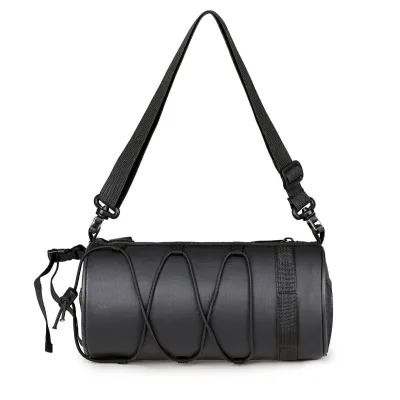

Bicycle Luggage Rack Saddle Bag Single Shoulder Bag Bicycle Bag Bicycle Accessories
$9.90 - $14.90
MOQ: 500 Pieces

Bicycle Handlebar Bag Bicycle Front Bag Bicycle Storage Bag Can Be Customized
$4.00 - $10.00
MOQ: 500 Pieces


Bicycle Bag, Front Beam Bag, Upper Pipe Bag, Mobile Phone Bag, Bike Head Bag
$6.00 - $9.90
MOQ: 500 Pieces


Bicycle Handlebar Bag Waterproof Outdoor Road Bike Bag Bicycle Front Frame Storage Bag
$4.99 - $8.99
MOQ: 500 Pieces


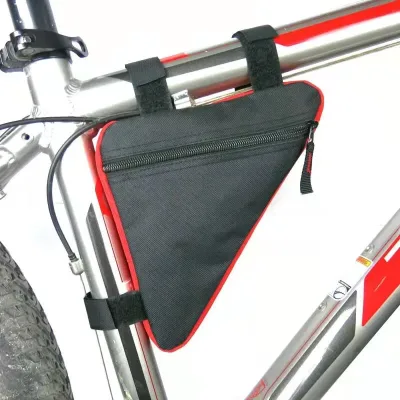
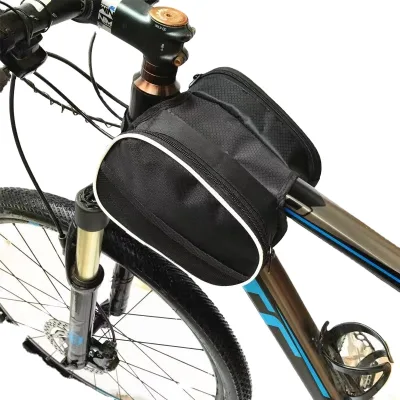
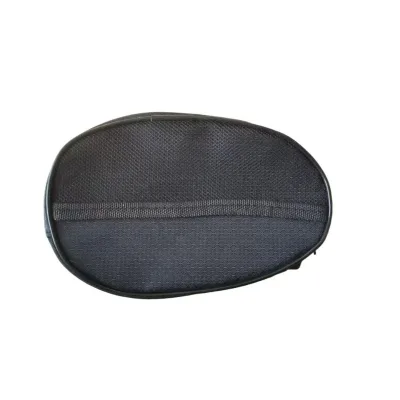
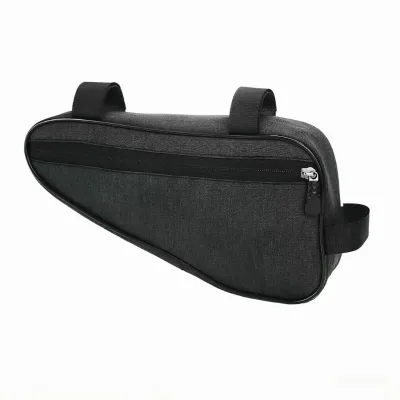


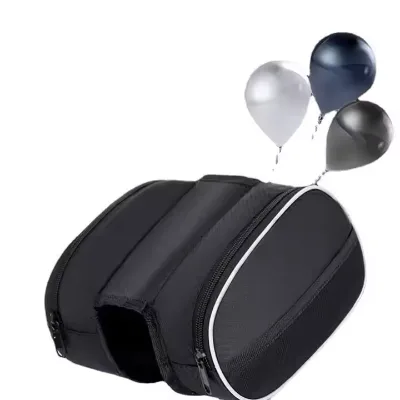
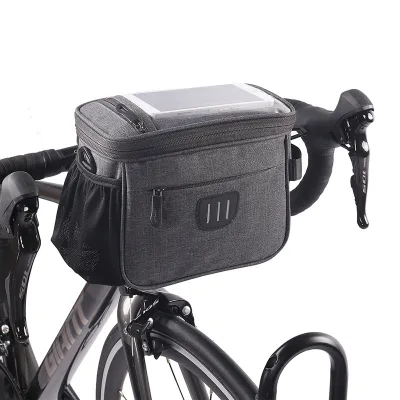
Waterproof Front Bag Cycling Front Storage Basket Bags Bicycle Accessories Handlebar Bag
$3.42 - $4.98
MOQ: 500 Pieces

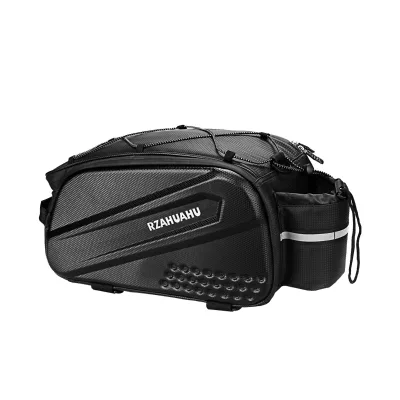


Comprehensive Sourcing Guide
Strategic Sourcing Guide for Barrel-Style Bicycle Bags
Understanding the Barrel Bicycle Bag Category and Market Dynamics
The Barrel Bicycle Bag represents a specialized segment within the broader category of bicycle bags and boxes, designed specifically to maximize storage capacity while maintaining a streamlined profile for cycling applications. In the current B2B marketplace, these products are frequently categorized under "Type: Bicycle Bags & Boxes" with specific sub-classifications such as "frame bag" or "Promotion Bag" depending on the intended use case. The core appeal of the barrel design lies in its cylindrical or rounded rectangular geometry, which allows for efficient volume utilization within the limited space of a bicycle frame triangle or rear rack.
Buyers entering this market must recognize that the term "barrel" often describes the physical shape rather than a single rigid specification. The observed product data indicates a variety of shape descriptors, including "Horizontal Square," "Cube Type," and specific dimensions like "241111cm" or "19 X 9.5 X 9CM." This variation suggests that the "barrel" classification is a functional umbrella term covering multiple form factors. The market is characterized by a high degree of customization, with "Customized Design" and "Accept Customized Logo" being standard attributes. This flexibility allows retailers and brands to tailor the product to specific ergonomic needs or branding requirements. The observed "Style: Leisure" indicates that these bags are primarily marketed for recreational cycling, commuting, and general utility rather than high-performance racing, where weight reduction is the absolute priority.
Technical Specifications and Material Composition
When evaluating barrel bicycle bags, technical specifications form the backbone of the procurement decision. The material composition is a critical differentiator. The supplied data explicitly identifies "Nylon" as a primary material. Nylon is favored in this sector due to its balance of durability, water resistance, and weight. Buyers should verify the specific denier count and weave density of the nylon fabric, as these factors directly influence the bag's lifespan and resistance to abrasion against the bicycle frame.
Waterproofing is another paramount technical attribute. The data confirms that "Waterproof" capabilities are a standard feature for this product type. However, the degree of waterproofing can vary. Buyers must distinguish between water-resistant coatings and fully waterproof constructions with sealed seams. The "Closed Way: Zipper" is the standard closure mechanism observed. The quality of the zipper, including the puller material and the track smoothness, is essential for long-term reliability, especially in wet conditions.
Dimensions and capacity are highly variable. Observed specifications range from compact units like "2.5 Litre" capacity to larger configurations with standard sizes such as "40 x 16 x 16 cm" or "2915.545\60CM." The "Single package size" and "prod_standard" fields often list dimensions that may differ from the actual bag dimensions due to packaging requirements. For instance, a bag with a standard size of "201011cm" might be listed with a "prod_standard" of "201011cm /Customizable," indicating that the manufacturer can adjust the internal volume or external footprint based on buyer requests. Weight is another key metric, with observed values like "340g" and "Single gross weight: 0.4 kg." Lighter bags are generally preferred for leisure cycling to minimize the load on the rider, but the structural integrity required for a barrel shape must not be compromised.
Compliance, Certification, and Quality Verification
In the B2B procurement of bicycle accessories, compliance and quality verification are non-negotiable, even when specific certification names are not explicitly listed in the product data. While the provided facts do not list specific third-party certifications (such as ISO or REACH), buyers must actively request proof of compliance with relevant international standards. The "prod_standard" field often contains dimensional data, but it does not inherently confirm material safety or environmental compliance.
Buyers should verify that the nylon materials used do not contain prohibited substances like azo dyes or heavy metals, which are common concerns in textile manufacturing. The "Hardness" attribute, observed as "Soft" or "Medium Soft," suggests a focus on comfort and flexibility, but this must be balanced against the structural rigidity required to maintain the barrel shape under load. Quality control checks should include testing the "Logo Printing" durability, as the "With Logo Printing" feature is a common customization. The adhesion of the logo must withstand friction and weather exposure without peeling or fading.
Furthermore, the "Package: Strong Export Packing" and "prod_packing: Box" or "1PC/Polybag" details indicate that the packaging itself is a quality metric. The packaging must protect the bag during transit, preventing crushing or deformation that could alter the "Horizontal Square" or "Cube Type" geometry. Buyers should inspect the "Single gross weight" to ensure that the packaging does not add excessive weight that could inflate shipping costs unnecessarily.
Cost Drivers and Pricing Structure Analysis
The pricing structure for barrel bicycle bags is influenced by several dynamic factors. The observed listed price range of "0.2-15" USD reflects a wide spectrum of product quality, customization levels, and order volumes. At the lower end of this range, products are likely to be standard, off-the-shelf items with minimal customization and basic nylon materials. At the higher end, prices reflect custom molds, premium waterproofing technologies, complex zipper systems, and extensive branding services.
The Minimum Order Quantity (MOQ) is a significant cost driver. The data presents a conflicting range, with "MOQ: 300" and "MOQ: 5pcs" both appearing. This discrepancy suggests a tiered pricing model or different product lines within the same supplier's catalog. High-volume orders (e.g., 300+ units) typically unlock lower unit costs, while low-volume orders (e.g., 5-1000 units) may carry a premium per unit. Buyers must clarify the specific MOQ for their desired customization level. The "Sample Time: 5-7 Days" indicates that the production cycle for prototypes is relatively short, which can help mitigate the risk of large orders before full-scale production begins.
Other cost drivers include the complexity of the "Design: Customized Design." Custom patterns, unique shapes, or specialized "Closed Way" mechanisms will increase the tooling and labor costs. The "OEM/ODM: Accepable" status confirms that suppliers are willing to absorb these costs, but the final price will reflect the engineering effort required. Buyers should also consider the "Place of Origin," with "Fujian China" and "Zhejiang, China" being the primary locations. While both are major manufacturing hubs, slight variations in labor costs and logistics infrastructure may influence the final landed cost.
Supplier Evaluation and Operational Capabilities
Selecting the right supplier requires a rigorous evaluation of their operational capabilities beyond just product specifications. The "Service: 24 Hours Online" attribute is a strong indicator of a supplier's commitment to customer support and responsiveness. In the B2B context, quick communication is vital for resolving issues related to "Customization," "Logo Printing," or "Design" changes.
Suppliers should demonstrate flexibility in their "prod_model" offerings. The data lists multiple models such as "XWTBIKE-001," "F210006," "ly-zwp310," and "LY-CWY13." A robust supplier will have a portfolio that covers various sizes and shapes, allowing buyers to source a complete range of barrel bags without switching vendors. The ability to accept "OEM/ODM" services is crucial for brands looking to differentiate their products. Buyers should assess the supplier's capacity to handle "Customized Design" requests, ensuring they have the technical expertise to translate a concept into a manufacturable product.
The "Brand Name: Cycle Zone" observed in the data suggests that some suppliers may also operate as private labelers. Buyers must determine if they are purchasing from a manufacturer or a trading company. Manufacturers typically offer better pricing and direct control over quality, while trading companies may offer a wider variety of products from different factories. The "Place of Origin" being consistently "China" (specifically Fujian and Zhejiang) indicates a mature supply chain, but buyers should verify the specific factory location to ensure transparency and traceability.
Quality Control Protocols and Inspection Standards
Effective quality control (QC) is essential to ensure that the delivered barrel bicycle bags meet the agreed-upon specifications. Given the "Hardness: Soft" or "Medium Soft" nature of the product, QC checks should focus on the integrity of the stitching and the seam sealing. The "Waterproof" claim must be verified through physical testing, such as a water spray test or submersion test, to ensure that the "Zipper" and seams do not leak under pressure.
Inspection should also cover the "Shape" consistency. Whether the bag is "Horizontal Square," "Cube Type," or a specific barrel shape, the dimensions must remain within the tolerances specified in the "prod_standard." For example, if the standard is "201011cm," the actual product should not deviate significantly from these measurements. The "Weight" should also be consistent, with the "Single gross weight" matching the expected value to ensure accurate shipping calculations.
The "Logo Printing" quality is another critical QC point. The logo must be centered, aligned, and durable. Buyers should request samples to test the logo's resistance to rubbing and washing. Additionally, the "Package" quality must be inspected to ensure that the "Strong Export Packing" prevents damage during transit. The "Single package size" and "prod_packing" details should be verified to ensure that the packaging is appropriate for the product's fragility and volume.
Long-Term Procurement Considerations and Strategic Planning
For long-term success, buyers must consider the scalability and sustainability of their Barrel Bicycle Bag supply chain. The "MOQ" flexibility, ranging from "5pcs" to "300," allows buyers to start small and scale up as demand grows. This scalability is essential for managing inventory risks and testing new markets. The "Sample Time: 5-7 Days" is a positive indicator for rapid iteration and product development cycles.
Buyers should also evaluate the supplier's ability to adapt to changing market trends. The "Style: Leisure" focus suggests a stable market, but the "Customized Design" capability allows for adaptation to new cycling trends, such as the rise of e-bikes or urban commuting. The "Application: Universal Bikes" attribute indicates that the product has broad market appeal, but buyers should verify compatibility with specific bike frames or rack systems to ensure customer satisfaction.
Finally, the "Service: 24 Hours Online" feature suggests a commitment to ongoing support. Buyers should leverage this service for post-sales issues, such as returns, replacements, or additional customization requests. Building a long-term relationship with a supplier who understands the nuances of "Nylon" materials, "Waterproof" technologies, and "Customized Design" will provide a competitive advantage in the B2B bicycle accessories market. By focusing on these strategic elements, buyers can ensure a reliable and profitable sourcing strategy for barrel bicycle bags.
Comparative Analysis of Product Attributes
To facilitate decision-making, the following table summarizes key attributes observed in the market data for barrel bicycle bags. This comparison highlights the variability in specifications and the importance of verifying details before placing an order.
| Attribute | Observed Value 1 | Observed Value 2 | Observed Value 3 | Procurement Note |
|---|---|---|---|---|
| Material | Nylon | Nylon | Nylon | Verify denier count and weave density. |
| Hardness | Soft | Medium Soft | - | Balance flexibility with structural rigidity. |
| Waterproof | Waterproof | Waterproof | - | Confirm seam sealing and zipper quality. |
| Shape | Horizontal Square | Cube Type | Barrel (Implied) | Verify dimensions against "prod_standard". |
| MOQ | 5 pcs | 300 pcs | 500 PCS | Clarify tiered pricing and volume discounts. |
| Origin | Fujian, China | Zhejiang, China | China | Verify factory location for logistics planning. |
| Logo | Accept Customized | With Logo Printing | Accept Customized Logo | Test logo durability and adhesion. |
| Closure | Zipper | Zipper | Zipper | Inspect zipper track and puller quality. |
| Capacity | 2.5 Litre | - | - | Match capacity to intended use case. |
| Packing | Box | 1PC/Polybag | Strong Export Packing | Ensure packaging prevents deformation. |
This table underscores the need for buyers to move beyond generic keywords and request specific data points for each product model. The diversity in attributes, from "2.5 Litre" capacity to "40 x 16 x 16 cm" dimensions, necessitates a tailored approach to sourcing. By rigorously evaluating these factors, buyers can secure high-quality barrel bicycle bags that meet their specific business requirements and customer expectations.
FAQs
How can I customize the logo on these bags?
You can accept customized logos on these barrel bicycle bags as a standard feature. The supplier offers logo printing services for brands like Cycle Zone, allowing you to add your own design to the black, pink, green, or purple options available.
What is the minimum order quantity for these bags?
The minimum order quantity varies significantly depending on the specific product model selected. Some listings require an MOQ of 300 pieces, while others accept orders as low as 5 pieces, so you must verify the specific model requirements before purchasing.
Which materials are used to make these bicycle bags?
These bags are primarily constructed from durable nylon fabric to ensure longevity and flexibility. The material is selected to balance weight and strength, often featuring a soft or medium-soft hardness rating suitable for leisure cycling applications.
Can these bags be used on all types of bicycles?
Yes, these bags are designed for universal bike applications and fit various frame types. They come in specific shapes like horizontal square or cube types, with capacities ranging from 2.5 liters to larger dimensions to suit different storage needs.
What is the lead time for sample production?
The sample time for producing a prototype of these bags is typically between 5 to 7 days. This short turnaround allows buyers to verify the customized design and quality before committing to a larger production run.
How are these bags packaged for export?
The bags are shipped using strong export packing methods to prevent damage during transit. Individual units may be packed in a box or a single polybag, with dimensions varying based on the specific model and standard size requirements.
Are these bags waterproof for outdoor cycling?
Yes, the product attributes confirm that these bags are waterproof to protect contents from rain. They utilize a zipper closed way and durable nylon material to ensure water resistance during various weather conditions.