Source Baroque Colored Crystal Bridal Tiara for Weddings, Pageants, and Proms
Explore 30 options for the Baroque Colored Crystal Bridal Tiara, featuring alloy construction and elegant designs. Compare specifications including heart and flower shapes, silver plating, and various color choices to find the perfect accessory for weddings, pageants, and special occasions.
Key considerations
Products List

Wedding Daily Crystal Tiara Crown, Royal Crystal Tiara. Bridal Crystal Tiara
$6.85 - $6.95
MOQ: 50 Pieces


Luxury Crystal Tiara, Royal Crystal Tiara Crown, Wedding Tiara, Bridal Tiara
$7.95 - $8.95
MOQ: 50 Pieces


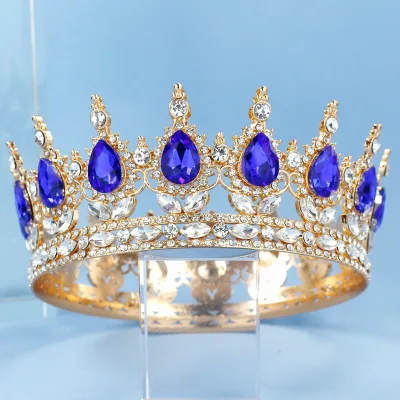
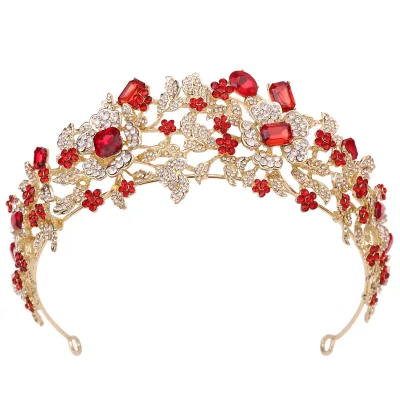
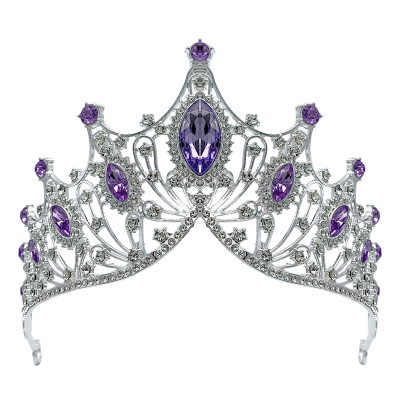
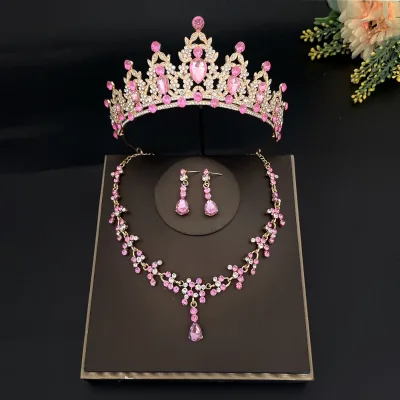
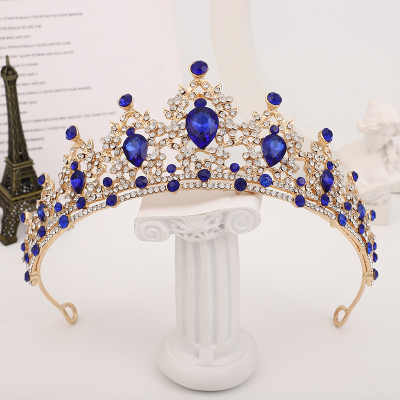
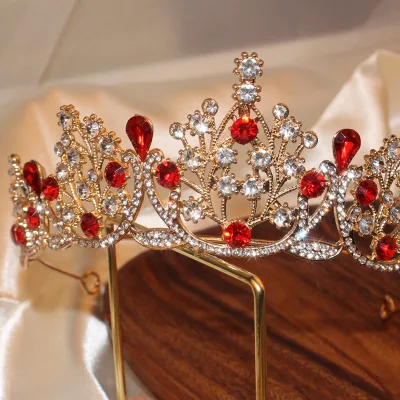
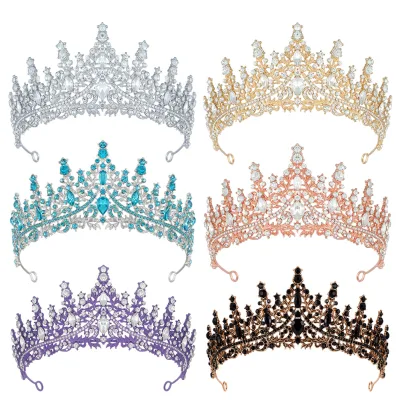
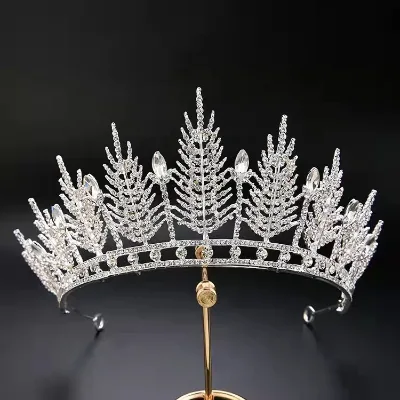
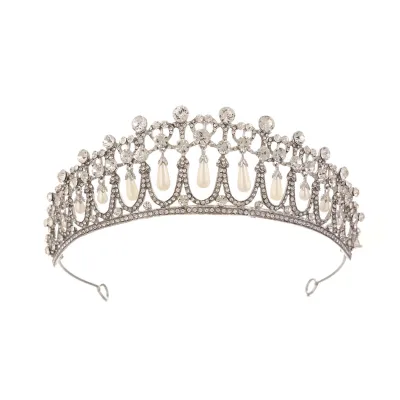
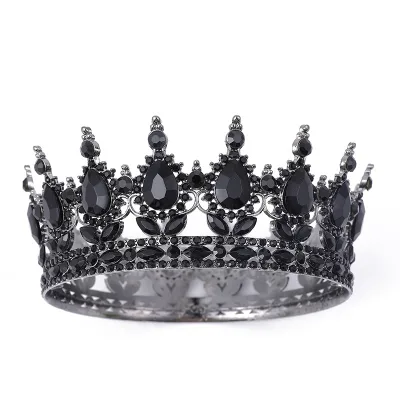
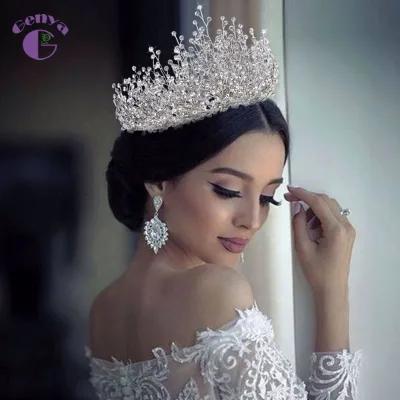
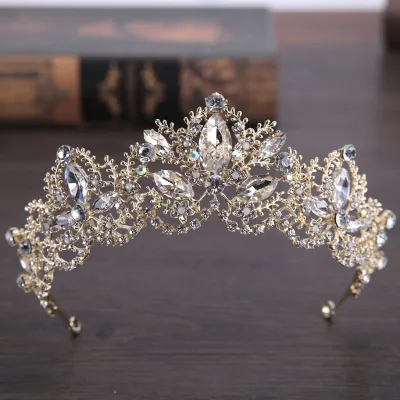
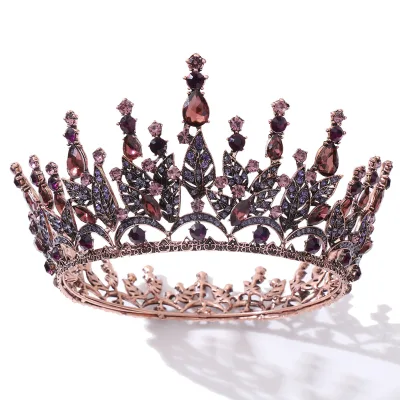
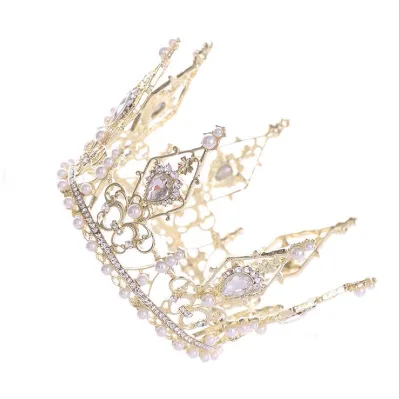
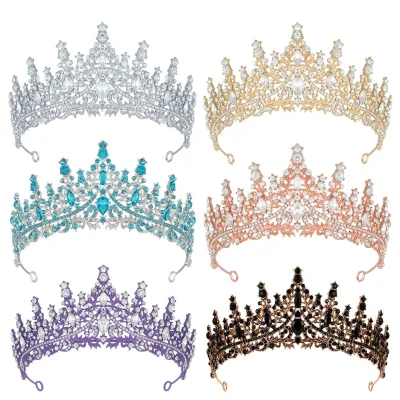

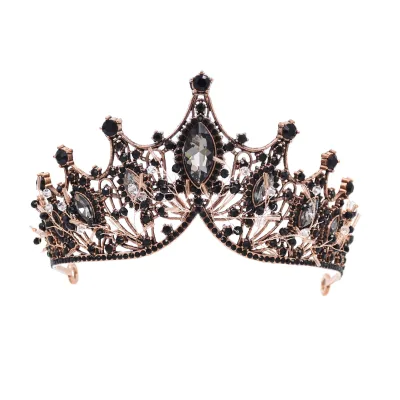
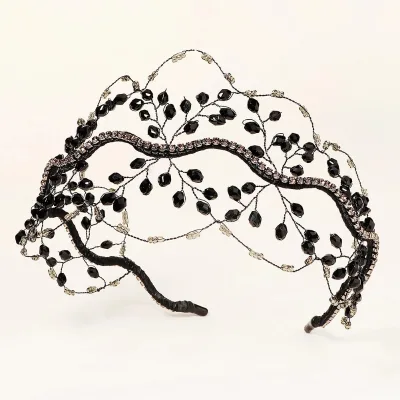
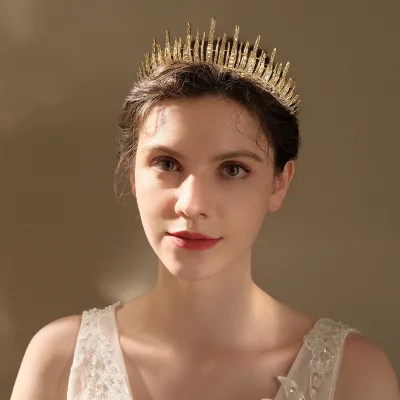
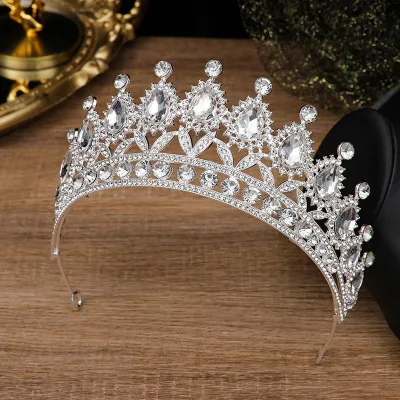
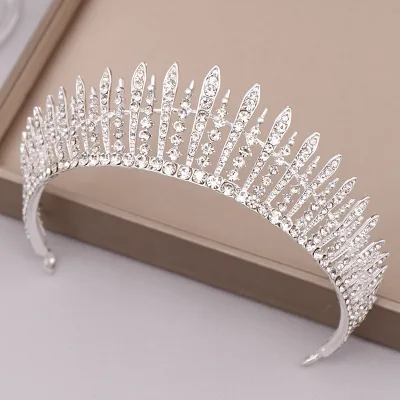


Bridal Headband Crystal Tiara for Women Pearl Wedding Headpieces Bride Hair
$1.10 - $1.12
MOQ: 2000 Pieces

Comprehensive Sourcing Guide
Baroque Colored Crystal Bridal Tiara Sourcing Guide
Sourcing baroque-style bridal tiaras requires a nuanced understanding of both aesthetic complexity and structural integrity. These accessories are not merely decorative headpieces; they are central components of bridal attire that must withstand the physical demands of a wedding day while maintaining their visual splendor. The "baroque" designation typically implies ornate, asymmetrical, or highly detailed designs that often incorporate colored crystals, pearls, or intricate metalwork. Buyers must recognize that this style demands higher precision in manufacturing compared to standard, symmetrical tiaras. The procurement process involves balancing the artistic requirements of the design with the functional needs of durability, comfort, and safety for the wearer.
The market for these items is characterized by a high degree of customization and a wide variance in material quality. Suppliers often offer OEM services, allowing buyers to specify exact crystal cuts, metal platings, and structural frameworks. However, this flexibility introduces risks regarding consistency and quality control. A successful sourcing strategy relies on verifying the supplier’s ability to replicate complex designs accurately and consistently. Buyers must also consider the logistical aspects of shipping fragile, crystal-encrusted items, ensuring that packaging solutions protect the product from damage during transit while remaining cost-effective for bulk orders.
Product Scope and Observed Listing Signals
The current market landscape for baroque colored crystal bridal tiaras reveals a diverse range of product variations, primarily driven by material composition and design aesthetics. Observed listings indicate that the predominant material used is alloy, often plated with silver, gold, or gold-red finishes to achieve the desired luxurious appearance. The style is frequently categorized as "fashion" or "elegant," with specific models designed for occasions such as weddings, bridal parties, and formal events. The target demographic is predominantly female, with a significant focus on youth and adult brides who seek accessories that complement elaborate gowns. The presence of customization options suggests that many suppliers are equipped to handle bespoke orders, allowing for adjustments in crystal color, size, and arrangement.
Color and shape variations are critical differentiators in this category. Listings show a broad spectrum of available colors, including purple, blue, champagne, pink, green, silver, and gold, catering to diverse bridal themes and personal preferences. The shapes range from traditional crown forms to more abstract or floral motifs, with some models featuring heart or flower pendant shapes. The observed price range of $1.1 to $30.5 USD reflects this variability, with lower prices likely corresponding to simpler designs or lower-grade materials, while higher prices may indicate more intricate baroque designs, higher-quality crystals, or specialized plating. Minimum Order Quantities (MOQs) vary significantly, from as low as 5 pieces to 2000, indicating that suppliers cater to both small boutique orders and large-scale retail distributions.
Technical Specifications to Verify
When evaluating technical specifications, the first priority is verifying the structural integrity of the tiara’s framework. Since the primary material is alloy, buyers must assess the thickness and durability of the metal band to ensure it can support the weight of the crystals without bending or breaking. The plating process is equally critical; silver or gold plating must be thick enough to prevent tarnishing and skin irritation, especially given the close proximity to the wearer’s skin and hair. Buyers should request detailed specifications on the plating thickness and the type of alloy used, as these factors directly impact the product’s longevity and safety. Additionally, the attachment method of the crystals to the base must be examined to ensure they are securely fixed and unlikely to fall out during wear.
Packaging and dimensional specifications are vital for logistics and cost calculation. Observed data indicates that single package sizes vary, with some tiaras measuring approximately 11x1x11 cm or 10x10x10 cm, while others may be larger. The weight of individual units typically ranges from 0.2 kg to 0.35 kg, which influences shipping costs and handling requirements. Buyers must verify the packaging details, such as the use of inner and outer cartons or individual OPP bags, to ensure adequate protection against damage. It is also essential to confirm the gross weight and net weight to accurately calculate freight charges and storage requirements. Understanding these physical attributes helps in selecting suppliers who can provide reliable and protective packaging solutions.
Compliance and Safety Documentation
Safety compliance is paramount when sourcing bridal accessories, particularly those involving metals and crystals that come into direct contact with the skin. Buyers must ensure that suppliers adhere to relevant chemical safety standards, such as those regulating lead, cadmium, and nickel content in metal alloys and platings. These substances can cause allergic reactions or health issues if they leach from the product. Although specific certification statuses may vary by supplier, buyers should request test reports or compliance certificates from accredited laboratories to verify that the products meet international safety standards for jewelry and accessories. This due diligence is essential to mitigate liability risks and ensure the well-being of the end consumer.
In addition to chemical safety, buyers should verify that the suppliers follow good manufacturing practices (GMP) and quality management systems. While specific standards like ISO may not be explicitly listed for every product, the presence of structured production processes and quality control measures is a strong indicator of reliability. Buyers should inquire about the supplier’s internal quality control protocols, including how they inspect for defects in crystal setting, plating uniformity, and structural integrity. Documentation of these processes can provide assurance that the supplier is committed to producing safe and high-quality products. It is also advisable to check for any industry-specific certifications or memberships that demonstrate the supplier’s adherence to ethical and professional standards.
Cost Drivers and Commercial Terms
The cost of baroque colored crystal bridal tiaras is influenced by several key factors, including material costs, labor intensity, and customization requirements. The use of high-quality alloys and thick plating increases material costs, while the intricate nature of baroque designs requires more labor hours for assembly and detailing. Customization options, such as specific crystal colors or unique shapes, can further drive up costs due to the need for specialized sourcing and production adjustments. Buyers should analyze the price range of $1.1 to $30.5 USD in the context of these cost drivers, recognizing that lower prices may reflect simpler designs or lower material quality, while higher prices may indicate superior craftsmanship and materials.
Commercial terms, including MOQs and payment conditions, play a significant role in the overall procurement strategy. The observed MOQ range of 5 to 2000 pieces allows for flexibility, enabling buyers to start with smaller orders to test the market or scale up based on demand. However, higher MOQs may offer better unit prices, so buyers should evaluate their sales forecasts and storage capacity when determining order quantities. Payment terms, such as deposits and balance payments, should be negotiated to align with the supplier’s production schedule and the buyer’s cash flow needs. It is also important to clarify shipping terms, including who is responsible for freight costs and insurance, to avoid unexpected expenses.
Supplier Qualification and Quality Control
Selecting the right supplier involves a thorough evaluation of their production capabilities, quality control processes, and track record. Buyers should prioritize suppliers who demonstrate a strong understanding of baroque design aesthetics and have the technical expertise to execute complex patterns accurately. This can be assessed by reviewing product samples, examining the precision of crystal placement, and checking the consistency of plating and finishing. Suppliers with OEM capabilities should be able to provide detailed design consultations and prototypes, ensuring that the final product meets the buyer’s specifications. Additionally, buyers should verify the supplier’s production capacity and lead times to ensure they can meet delivery deadlines, especially for time-sensitive bridal orders.
Quality control is a critical aspect of supplier qualification, as it directly impacts product consistency and customer satisfaction. Buyers should inquire about the supplier’s QC procedures, including in-process inspections and final product checks. A robust QC system should include checks for structural integrity, crystal security, plating quality, and packaging integrity. Buyers may also consider conducting third-party inspections or audits to verify the supplier’s claims and ensure that their quality standards are consistently met. Establishing clear quality expectations and communication channels with the supplier is essential for maintaining product quality and addressing any issues that may arise during production or delivery.
Long-Term Procurement Checks
Building a long-term procurement relationship with a reliable supplier requires ongoing monitoring and evaluation of performance metrics. Buyers should regularly assess the supplier’s ability to meet quality standards, delivery schedules, and communication expectations. Consistent performance in these areas indicates a stable and trustworthy partnership, while recurring issues may signal the need for corrective actions or supplier replacement. Buyers should also stay informed about market trends and changes in consumer preferences, as these factors can impact the demand for specific tiara styles and designs. Adapting to these changes requires a flexible and responsive supply chain, which can be achieved through strong supplier relationships and effective communication.
Sustainability and ethical sourcing are increasingly important considerations in long-term procurement strategies. Buyers should evaluate the supplier’s commitment to ethical labor practices and environmental responsibility, as these factors can impact brand reputation and consumer trust. Inquiring about the supplier’s sourcing of raw materials, waste management practices, and energy usage can provide insights into their sustainability efforts. Additionally, buyers should consider the lifecycle of the product, including its durability and recyclability, to minimize environmental impact. By prioritizing sustainability and ethical practices, buyers can build a responsible and resilient supply chain that aligns with modern consumer values and regulatory requirements.
FAQs
What materials are used for these bridal tiaras?
The tiaras are constructed from alloy materials, specifically noted as alloy Tiara in product specifications. This ensures durability while maintaining a lightweight feel suitable for extended wear during wedding ceremonies or pageant events.
Which customization options are available for buyers?
Customization is available for these fashion and elegant style tiaras. Buyers can request specific modifications to suit their needs, allowing for tailored designs that align with unique wedding themes or personal preferences for bridal accessories.
Can I order a single item as a sample?
Yes, single item selling units are available for purchase. While the minimum order quantity is listed as 5 pieces for some models, the product details confirm that individual items can be sold, facilitating easier sampling for potential buyers.
What are the standard packaging details for these products?
Products are packed in inner cartons and outer cartons for secure shipping. Specific items may also come in Tiara opp bags, with single package sizes varying between 10x10x10 cm and 11x1x11 cm depending on the model.
Which occasions are these tiaras suitable for?
These tiaras are designed for weddings, wedding parties, gifts, and birthdays. They are also suitable for pageants and general decoration, making them versatile accessories for female and youth customers attending various celebratory events throughout the year.
What colors are available for the crystal tiaras?
Available colors include Purple, Blue, Champagne, Pink, Green, Silver, and Gold. Some models offer a wide range of numbered color options from 1 to 15, providing extensive variety to match different dress styles and personal color preferences.
Where are these bridal tiaras manufactured?
The products originate from Guangdong, China. This location is the primary place of origin for the alloy tiaras, ensuring they meet the specified standards and are ready for international distribution to various global markets.