Source battery backup mini ups for computer camera CCTV
Compare 30 Battery Backup Mini UPS for Computer and Camera models from verified suppliers. Options include digital LCD displays, single-phase inputs, and lithium or lead-acid batteries with transfer times of 2-4ms.
Key considerations
Products List
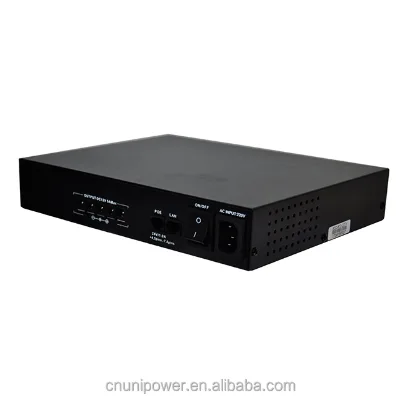
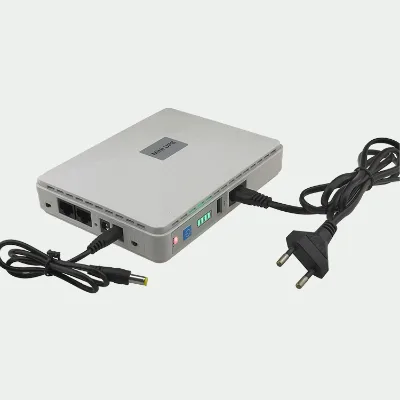
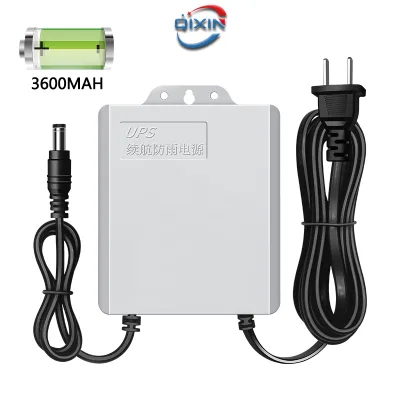
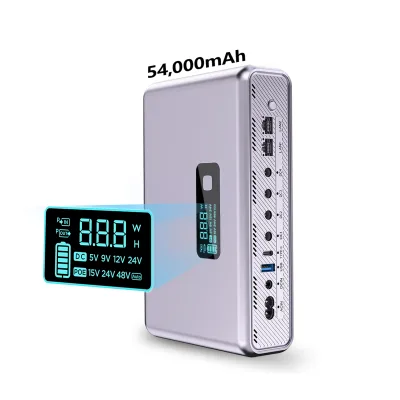
Comprehensive Sourcing Guide
Strategic Sourcing Guide for Battery Backup Mini UPS Solutions
The global demand for uninterrupted power solutions has intensified as digital infrastructure becomes increasingly critical for both residential and commercial operations. Buyers searching for a "Battery Backup Mini UPS for Computer and Camera" are typically seeking compact, reliable devices that ensure data integrity and continuous surveillance during power fluctuations. This guide synthesizes available product attributes and industry standards to provide a disciplined framework for procurement. The focus remains on verifying technical specifications, understanding cost drivers, and evaluating supplier capabilities without relying on unverified claims or external market data.
Understanding Core Technical Specifications
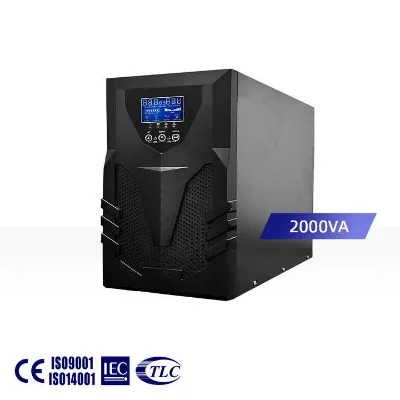
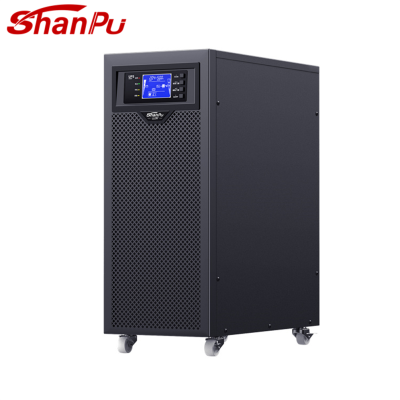
When sourcing mini uninterruptible power sources (UPS), the primary differentiator lies in the technical architecture and output capabilities. The market presents distinct configurations, ranging from single-phase offline systems to three-phase online units. A critical observation from current product listings indicates that many mini UPS units operate as "offline" systems, characterized by a transfer time of 2-4 milliseconds. This brief interruption is generally acceptable for most personal computers and standard CCTV cameras, which possess internal capacitors that can bridge the gap. However, for sensitive server equipment or high-end monitoring systems, buyers must verify if the supplier offers "On-line" double-conversion technology, which provides zero transfer time and cleaner power conditioning.
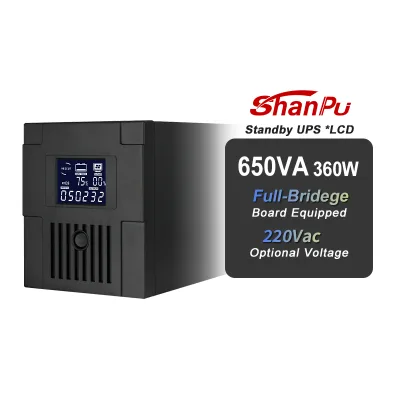
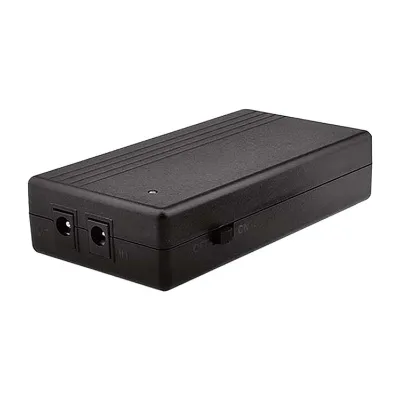
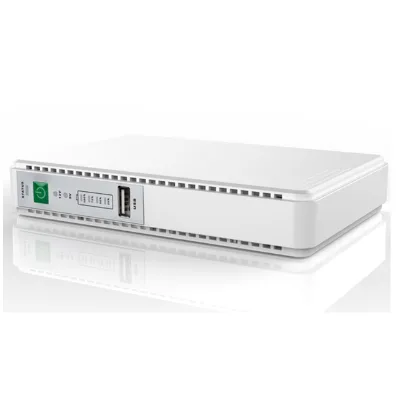
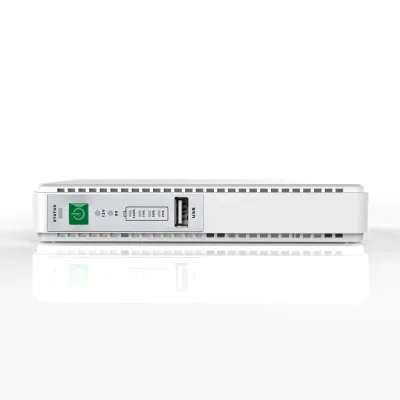
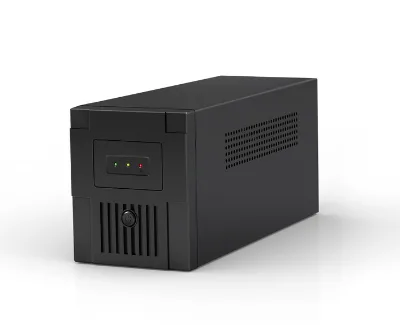
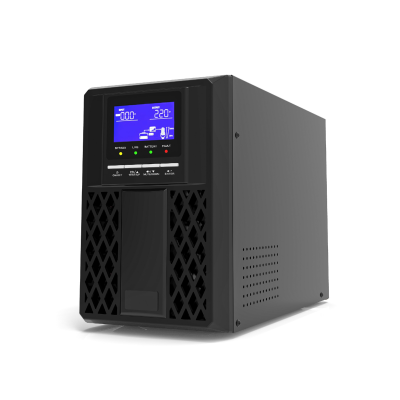
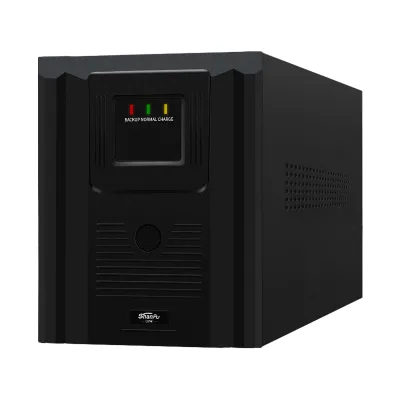
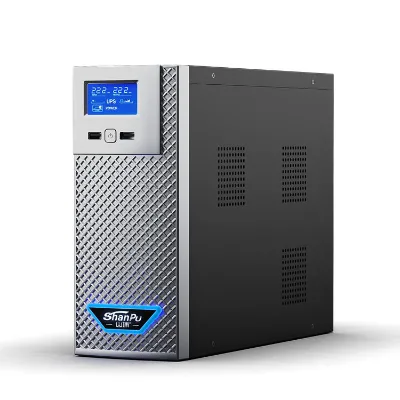
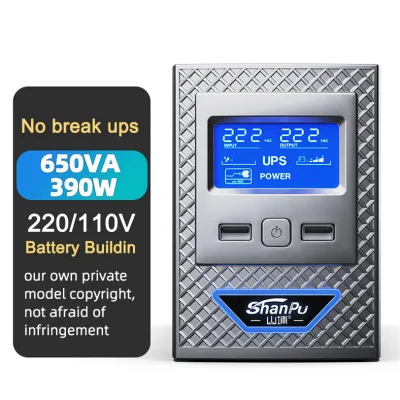
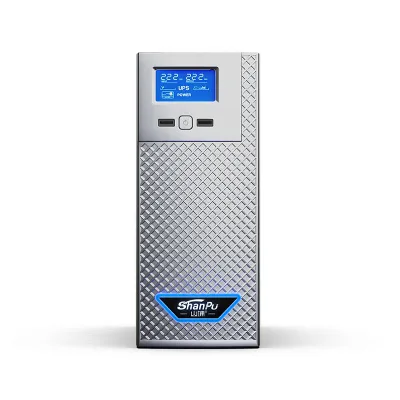
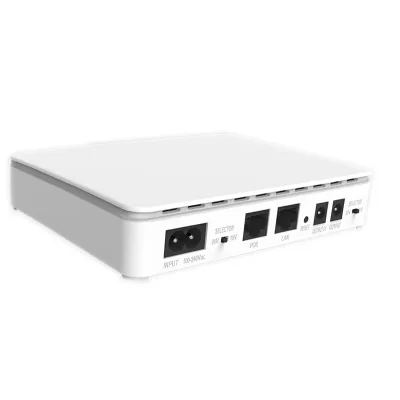
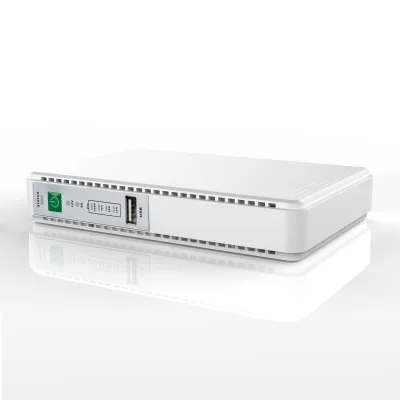
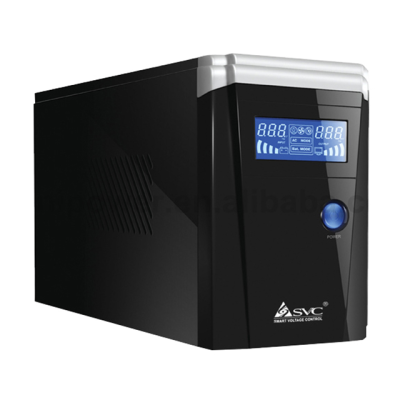
Capacity is another pivotal specification. Listings show a wide variance, with some units rated at 650VA, while others are designed for low-power applications with capacities as low as 18 Wh or 84 Wh. The 650VA models often feature a digital LCD display, providing real-time data on input voltage, output load, and battery status. In contrast, smaller units may lack a display, relying on LED indicators. The physical dimensions also vary significantly; a 650VA unit might measure 280x100x140mm, whereas a miniaturized version for security cameras could be as compact as 13.5x9.5x4 cm. Buyers must align these physical constraints with their installation environment, ensuring the unit fits within the designated rack or wall space.
Battery Chemistry and Runtime Dynamics
The choice of battery technology is a fundamental decision that impacts longevity, weight, and performance. The supplied data reveals a bifurcation in the market between "lithium battery" and "Lead Acid Battery" options, with some manufacturers offering them as optional configurations. Maintenance-free lead-acid batteries are frequently cited as the standard for larger capacity units, offering a robust and cost-effective solution for backup times measured in hours. For instance, specific models claim a backup time of 3-4 hours for 5W equipment, which is suitable for extended monitoring periods.
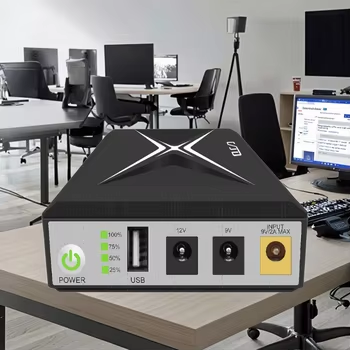
Conversely, lithium-based solutions are often associated with lighter weights and higher energy density. A specific listing notes a weight of ≤195g for a unit with 18 Wh of electric energy, highlighting the portability advantage of lithium chemistry. However, the trade-off involves cost and thermal management requirements. Buyers should verify the specific battery type for each unit, as the "optional" nature of lithium batteries suggests it may incur a price premium or require a specific order configuration. Furthermore, the "backup time" is often listed as "User Requirements," indicating that runtime is not a fixed spec but a variable dependent on the connected load. Procurement teams must calculate the total wattage of their computer and camera setup to determine the necessary battery capacity accurately.
Application Scenarios and Power Output Requirements
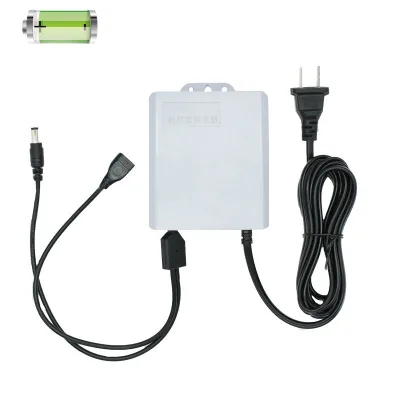
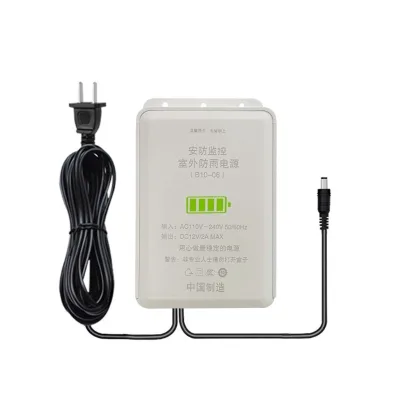
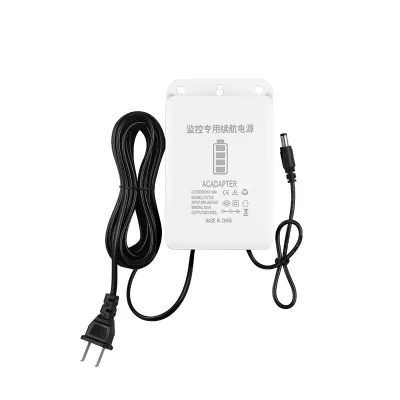
The versatility of mini UPS units is evident in their diverse application profiles. While the core keyword targets "computer and camera," the product attributes expand this scope to include PC printers, security monitoring systems, and alarm devices. The output voltage is a critical compatibility factor. Most standard units provide an output of 220V, suitable for mains-powered devices, while smaller, specialized units offer DC output options, such as 12V±10% or 5V via specific jacks (e.g., 5.5*2.5mm).
For computer applications, the single-phase, 220V output is standard. However, for camera and security systems, the power requirements can be more specific. Some units are explicitly designed for "Security / Monitoring / Alarm" applications, featuring output currents of 1000mA and conversion efficiencies of ≥85%. These units often utilize a 5W equipment work profile to estimate their endurance. Buyers must ensure that the input jack (e.g., 5.5*2.1mm) and output jack configurations match their existing cabling infrastructure. Customized jack sizes are available, but this requires precise communication with the supplier to avoid compatibility issues. The ability to support both AC and DC loads makes these units highly adaptable for hybrid setups where a computer and a surveillance camera are powered from a single backup source.
Cost Drivers and Pricing Structure Analysis
The pricing landscape for mini UPS units is highly dynamic, influenced by capacity, battery chemistry, and feature sets. The observed price range spans from $2.8 to $561.5, a variance that reflects the difference between a simple DC-DC converter module and a fully featured 650VA AC UPS with an LCD display. Several factors drive these costs. First, the battery type is a primary cost driver; lithium batteries generally command a higher price point than lead-acid alternatives due to raw material costs and manufacturing complexity. Second, the inclusion of advanced features such as digital LCD displays, overload protection, and short-circuit protection adds to the unit's value.
The Minimum Order Quantity (MOQ) also plays a significant role in the final landed cost. Listings show an MOQ range of 1 to 500 units. Buyers purchasing single items or small batches may face a higher per-unit cost, while those ordering in bulk can leverage economies of scale. The "Selling Units" attribute often indicates "Single item," suggesting that the platform supports both retail and wholesale purchasing. However, for B2B procurement, negotiating an MOQ that balances inventory holding costs with unit price reduction is essential. Buyers should also consider the "Single gross weight" and "Single package size" when calculating logistics costs, as heavier units like the 300kg gross weight models (likely a data anomaly or specific industrial unit) or standard 0.37kg units will have vastly different shipping profiles.
Supplier Evaluation and Geographic Considerations
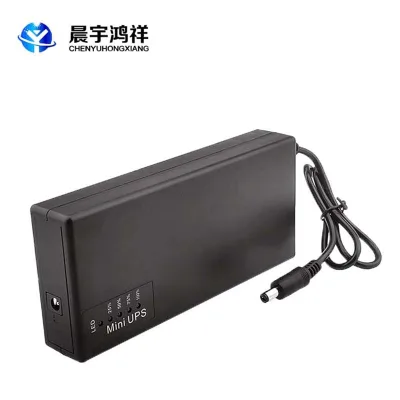
Geographic origin is a consistent attribute in the supply chain, with "Shenzhen" and "Guangdong, China" appearing frequently as places of origin. These regions are known for their robust electronics manufacturing ecosystems, offering access to a wide range of components and assembly capabilities. When evaluating suppliers, buyers should look for clear branding and model numbers, such as "Shanpu" with model "MT650" or "chenyuhongxiang" with model "UPS1201A-14.8". The presence of specific model numbers facilitates traceability and ensures that the buyer receives the exact configuration discussed.
Supplier reliability is paramount. While specific certifications are not explicitly listed in the provided data, buyers must verify that the manufacturer adheres to international safety and quality standards. The "Protection" attributes listed, such as "Short Circuit" and "Overcurrent," are standard safety features that should be present. However, the absence of explicit certification marks (e.g., CE, FCC, UL) in the raw data means buyers cannot assume compliance without direct verification. It is advisable to request test reports or certification documents from the supplier before finalizing a contract. Additionally, the "Transfer time" of 2-4ms is a specific performance metric that should be validated through third-party testing to ensure it meets the tolerance levels of the connected equipment.
Quality Control and Long-Term Procurement Strategy
Implementing a robust quality control (QC) process is essential for mitigating risks associated with battery backup units. Given the variance in battery types and the critical nature of power continuity, a pre-shipment inspection should focus on several key areas. First, verify the actual capacity against the rated output. For example, if a unit claims 650VA, it must deliver the specified voltage and current under load. Second, test the transfer time to ensure it falls within the 2-4ms range for offline models. Third, inspect the physical build quality, including the durability of the casing and the integrity of the input/output jacks.
Long-term procurement considerations extend beyond the initial purchase. The "Backup time" being listed as "User Requirements" suggests that the supplier may offer custom configurations. Buyers should establish a long-term relationship with a supplier who can accommodate these customizations as their power needs evolve. Furthermore, the "Battery Type" (lithium vs. lead-acid) will dictate the replacement cycle. Lead-acid batteries typically require replacement every 2-3 years, while lithium batteries may last longer but require specialized recycling. Procurement teams should factor in the total cost of ownership, including maintenance and replacement, rather than focusing solely on the initial unit price.
Comparative Analysis of Product Attributes
To assist in decision-making, the following table summarizes the key attributes observed in the current market, highlighting the trade-offs between different product categories.
| Attribute Category | High-Capacity Offline Unit | Low-Capacity Mini Unit | Specialized DC Unit |
|---|---|---|---|
| Model Example | MT650 | UPS1201A-14.8 | x-2112x |
| Brand | Shanpu | chenyuhongxiang | QIXIN |
| Capacity | 650VA | As described | 18 Wh |
| Battery Type | Lead Acid (Optional Lithium) | Lithium/Lead Acid | Lithium |
| Output Voltage | 220V | 12V±10% | 100-240VAC Input |
| Transfer Time | 2-4ms | Not specified | Not specified |
| Weight | 4.25 kg (Net) | ≤195g | 0.37kg |
| Application | PC/Printer/CCTV | Security/Alarm | General DC/AC |
| Display | Digital LCD | None | None |
| Protection | Short Circuit | Overcurrent | Overcurrent |
This comparison illustrates that there is no single "best" product; rather, the optimal choice depends on the specific power requirements, physical constraints, and budget of the buyer. The high-capacity unit offers robust protection and display features for critical computing, while the low-capacity units provide portability and efficiency for smaller security setups.
Final Procurement Recommendations
Sourcing a Battery Backup Mini UPS for Computer and Camera applications requires a methodical approach that prioritizes technical verification over marketing claims. Buyers must carefully assess the battery chemistry, output voltage compatibility, and physical dimensions to ensure the unit meets their operational needs. The wide range of prices and specifications necessitates a detailed review of product datasheets and, where possible, sample testing. By focusing on verified attributes such as transfer time, protection mechanisms, and capacity, procurement teams can build a resilient supply chain that ensures continuous power for critical infrastructure. Ultimately, the goal is to select a solution that balances cost, performance, and reliability, tailored to the specific demands of the intended application.
FAQs
What battery types are available for mini UPS units?
Manufacturers offer both lithium and lead-acid battery options. Some models allow buyers to select between maintenance-free lead-acid batteries or optional lithium configurations based on weight and capacity needs.
How long does transfer time take for offline systems?
Offline systems typically feature a transfer time of 2 to 4 milliseconds. This brief interruption is generally acceptable for most personal computers and standard CCTV cameras that possess internal capacitors.
Which output voltage is standard for computer applications?
The standard output voltage for computer applications is 220V. Smaller specialized units may offer DC outputs like 12V or 5V, so buyers must verify compatibility with their specific device requirements.
Can backup time be customized for specific loads?
Yes, backup time is often listed as user requirements rather than a fixed spec. Buyers must calculate the total wattage of their computer and camera setup to determine the necessary battery capacity accurately.
What protection features are included in these units?
Common protection features include short circuit and overcurrent safeguards. These safety mechanisms are standard across listings to ensure the integrity of connected equipment during power fluctuations or faults.
Where are these battery backup units typically manufactured?
Most units originate from Shenzhen or Guangdong in China. These regions host robust electronics manufacturing ecosystems that provide access to a wide range of components and assembly capabilities for buyers.