Source Battery BMS for Ebike, Consumer Electronics, and Digital Equipment
Source Battery BMS solutions for ebike, consumer electronics, and digital equipment applications. Compare 27 available options featuring Li-ion and LiFePO4 compatibility, with protection against overcharge, over-discharge, and short circuits. Evaluate specifications like discharge current and operating temperature to find the right fit.
Key considerations
Products List


Lifeo4 Battery 15s 48V 15A to 200A BMS Battery Thermal Management System
$13.50 - $21.00
MOQ: 1 Pieces
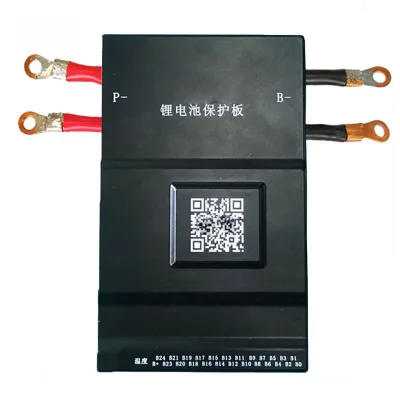


BMS 12V/24V/36V/48V/60V/72V BMS for Lithium Battery 100A/120A/150A/200A/250A
$8.10 - $8.50
MOQ: 500 Pieces


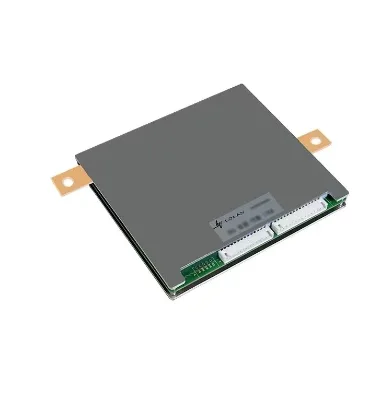
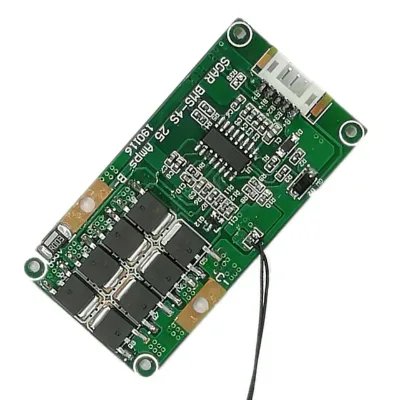

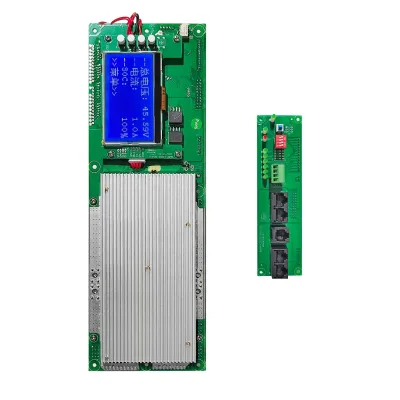
Comprehensive Sourcing Guide
Battery BMS Sourcing Guide
Selecting the right Battery Management System (BMS) is a critical decision that directly impacts the safety, longevity, and performance of lithium-ion and LiFePO4 battery packs. A BMS serves as the intelligent brain of the battery system, monitoring cell voltages, temperatures, and currents to prevent hazardous conditions such as overcharging, over-discharging, and short circuits. For procurement professionals, understanding the specific technical requirements and commercial terms associated with BMS units is essential to avoid costly integration errors or safety failures. This guide provides a structured approach to sourcing BMS solutions, focusing on verified specifications, compliance documentation, and supplier evaluation criteria based on current market observations.
The market for BMS units is diverse, ranging from simple protection circuits for consumer electronics to complex, communication-enabled systems for electric vehicles and energy storage. Buyers must distinguish between basic Protection Circuit Modules (PCMs) and advanced BMS units that offer active balancing, data logging, and external communication protocols. The sourcing process requires a clear definition of the battery chemistry, series configuration, and current handling capabilities. By aligning technical needs with supplier capabilities, buyers can secure components that meet both operational demands and regulatory standards, ensuring a reliable supply chain for their final products.
Product Scope and Observed Listing Signals
The current market landscape for BMS units shows a wide variety of configurations, with observed product models ranging from simple 2S to complex 16S setups. Listings indicate support for various cell series, including 8-16s configurations, which suggests that suppliers offer modular or scalable solutions for different battery pack architectures. The observed price range of $0.39 to $600 USD reflects this diversity, with lower-cost items likely being basic PCMs for small consumer electronics and higher-priced units featuring advanced features like CAN bus or Bluetooth connectivity. Buyers should note that the Minimum Order Quantity (MOQ) varies significantly, from as low as 1 unit for prototyping to 500 units for mass production, allowing for flexible procurement strategies based on project scale.
Physical dimensions and packaging are also key signals in product listings, with standard sizes such as 100300mm and L60W25*T7mm being common for compact applications. Packaging methods include carton packaging, PP bags, and anti-static bags, indicating that suppliers are aware of the sensitivity of electronic components to static discharge during transit. Some listings specify custom packaging options, which is a valuable attribute for buyers who need to integrate BMS units into specific assembly lines or retail displays. Additionally, the origin of these products is predominantly China, with specific mentions of Shenzhen, Guangdong, a major hub for electronics manufacturing. This geographic concentration often implies a mature supply chain for components and rapid prototyping capabilities, but it also requires buyers to conduct thorough due diligence on supplier reliability.
Technical Specifications to Verify
When evaluating BMS units, buyers must verify critical electrical parameters such as charging and discharging currents, voltage thresholds, and protection functions. Observed specifications include discharge currents up to 200A and charging currents around 15A, with some models supporting a maximum charge of 4A. Voltage protection levels are precise, with over-charge protection typically set at 4.25±0.025V and over-discharge protection at 2.75±0.08V for lithium-ion cells. It is essential to confirm that the BMS matches the specific chemistry of the battery cells, whether Li-ion, LiFePO4, or others, as voltage thresholds vary significantly between chemistries. Buyers should also check the operating temperature range, with observed values spanning from -20°C to +70°C, ensuring the BMS can function reliably in the intended environmental conditions.
Communication and interface capabilities are increasingly important for modern battery systems, with some BMS units offering RS485, CAN, or Bluetooth connectivity. These features allow for real-time monitoring, data logging, and integration with external control systems, which is crucial for applications like electric bikes, digital equipment, and energy storage. Buyers should verify the presence of these interfaces if their application requires remote monitoring or automated balancing. Additionally, the physical construction of the BMS, including the base material (such as FR-4) and layer count (multilayer), affects durability and thermal management. The presence of temperature protection, often indicated by a specific threshold or "Yes" attribute, is a non-negotiable safety feature that must be confirmed for every unit.
Compliance and Safety Documentation
Compliance with international safety and environmental standards is mandatory for BMS units, particularly those used in consumer electronics and electric mobility. Buyers should request documentation for certifications such as RoHS and ISO, which indicate adherence to environmental protection and quality management systems. While some listings mention UL 9540 or IEC 62619, these are often general industry standards rather than specific product certifications, so buyers must verify if the supplier has obtained actual certification for their specific BMS models. The absence of explicit certification details in some listings is a red flag, and buyers should prioritize suppliers who can provide third-party test reports or certification certificates for their products.
Safety features such as short-circuit protection, over-current protection, and temperature protection are critical components of BMS functionality. Observed specifications include over-current protection values of 66±10A and short-circuit protection that cuts load or charging activation. Buyers should ensure that these protection mechanisms are tested and verified, rather than just claimed. The inclusion of 100% E-Testing in some listings is a positive indicator of quality control, suggesting that each unit undergoes electrical testing before shipment. However, buyers should also inquire about the testing protocols and whether independent verification is available, especially for high-current or high-voltage applications where failure could result in significant safety hazards.
Cost Drivers and Commercial Terms
The cost of a BMS is influenced by several factors, including the number of cell series, current handling capacity, and communication features. Basic PCMs for low-current applications are significantly cheaper than advanced BMS units with active balancing and digital interfaces. Buyers should analyze the total cost of ownership, considering not just the unit price but also the potential costs of integration, testing, and warranty claims. The observed MOQ range of 1-500 units allows for cost optimization through volume discounts, but buyers must balance inventory costs with production needs. Customization options, such as modified dimensions or specific packaging, may incur additional costs, so these should be clarified early in the sourcing process.
Commercial terms, including delivery time and payment conditions, are also critical considerations. Observed delivery times range from 7-15 days after payment for small orders, which is relatively fast but may vary for larger or customized orders. Buyers should confirm lead times with the supplier before placing orders, especially if production schedules are tight. Payment terms should be negotiated to mitigate risk, with options such as partial upfront payment and balance upon shipment being common. Additionally, buyers should inquire about warranty policies and return procedures, as these can significantly impact the financial risk associated with sourcing electronic components from overseas suppliers.
Supplier Qualification and Quality Control
Supplier qualification is a vital step in the BMS sourcing process, requiring a thorough assessment of the supplier’s manufacturing capabilities, quality control systems, and track record. Buyers should verify the supplier’s production processes, such as SMT (Surface Mount Technology) and electrolytic foil processing, which are indicative of their ability to produce high-quality electronic assemblies. The presence of certifications like ISO suggests a structured quality management system, but buyers should also request evidence of internal quality control measures, such as incoming material inspection, in-process testing, and final product verification. Suppliers that offer 100% E-Testing demonstrate a commitment to quality, but buyers should also ask about their defect rate metrics and how they handle non-conforming products.
Communication and responsiveness are key indicators of a reliable supplier, especially for international buyers. Buyers should assess the supplier’s ability to provide technical support, answer queries promptly, and offer customization options. The availability of customized products and standards, as observed in some listings, suggests flexibility, but buyers should ensure that the supplier has the engineering resources to support these customizations. Additionally, buyers should consider the supplier’s location, with Shenzhen being a major electronics hub, and evaluate the logistical implications of sourcing from this region. Building a strong relationship with a qualified supplier can lead to better pricing, priority production, and improved support throughout the product lifecycle.
Long-Term Procurement Checks
Long-term procurement success depends on continuous monitoring of supplier performance and product quality. Buyers should establish key performance indicators (KPIs) such as on-time delivery rate, defect rate, and responsiveness to issues, and review these metrics regularly. Regular audits, either on-site or through third-party agencies, can help ensure that the supplier maintains their quality standards and complies with agreed-upon specifications. Buyers should also stay informed about changes in industry standards and regulations, such as updates to UL 9540 or IEC 62619, and ensure that their BMS suppliers are aware of and compliant with these evolving requirements.
Technology evolution is another factor to consider in long-term procurement. As battery technology advances, BMS units must adapt to new chemistries, higher voltages, and more complex communication protocols. Buyers should engage with suppliers who are committed to R&D and innovation, ensuring that they can provide updated solutions as their product needs change. Additionally, buyers should maintain a diversified supplier base to mitigate risks associated with single-source dependencies. By regularly reviewing supplier performance and staying ahead of technological trends, buyers can ensure a resilient and efficient supply chain for their BMS components.
FAQs
What battery chemistries does this BMS support?
This Battery BMS supports 22.2V Li-ion, Lithium Ion, and LiFePO4 battery packs. It is designed for consumer electronics and electric bikes. The system handles 8-16s cell series configurations. It provides reliable protection for various lithium-based energy storage applications.
What are the charging and discharging current limits?
The device features a discharge current of 200A and a charging current of 15A. It includes over-current protection rated at 66±10A. These specifications ensure safe operation for high-power applications while preventing damage from excessive electrical flow during usage.
Does the BMS include temperature protection features?
Yes, the Battery BMS includes temperature protection functionality. It operates within a range of -20 to +70 degrees Celsius. The system monitors thermal conditions to prevent overheating. This ensures safety and longevity for the connected battery packs during various environmental conditions.
What certifications are available for these BMS units?
The products hold RoHS and ISO certifications. Some models also support RS485, CAN, and Bluetooth communication protocols. These standards ensure compliance with environmental regulations and facilitate integration into digital equipment. Buyers can verify specific certification details for their required market compliance.
What is the typical delivery time for orders?
The standard delivery time is 7-15 days after payment. This timeline applies to small orders and standard production runs. Customized specifications may require additional processing time. Buyers should confirm exact lead times with suppliers based on order volume and specific customization requirements.
Can the BMS be customized for specific projects?
Yes, customization is available for these Battery BMS units. Manufacturers offer tailored solutions for different voltage and current needs. The base material is FR-4 with multilayer processing. Buyers can request specific dimensions or communication protocols to match their unique electronic device requirements.