Source Beekeeper Beekeeping Suit for Bee Farm, Safety, and Protection
Find 30 verified Beekeeper Beekeeping Suit options with cotton or ventilation cloth materials. Buyers can compare specifications like weight, color, and MOQ to select protective gear for bee farms and personal safety needs.
Key considerations
Products List
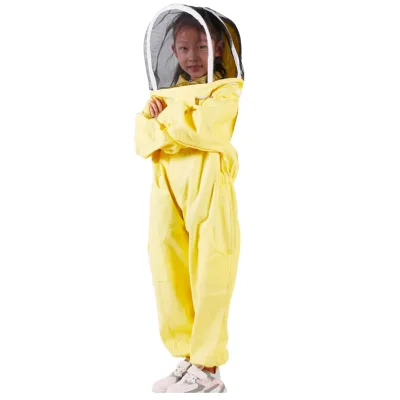
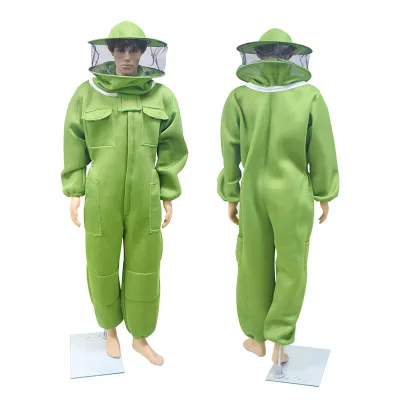
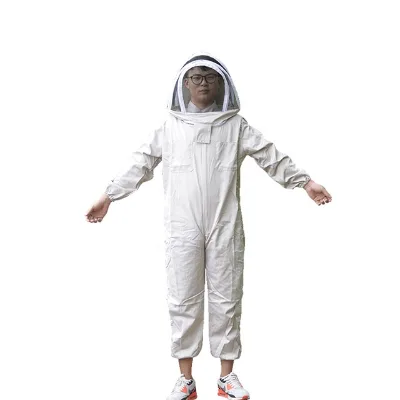


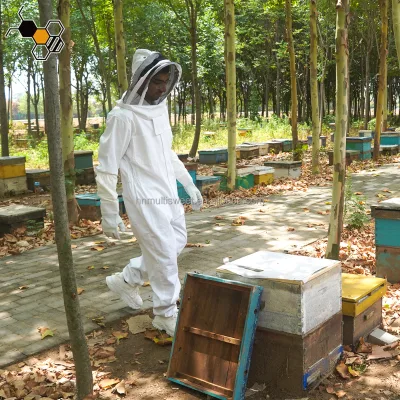
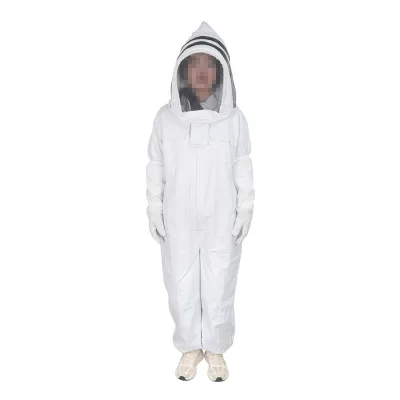
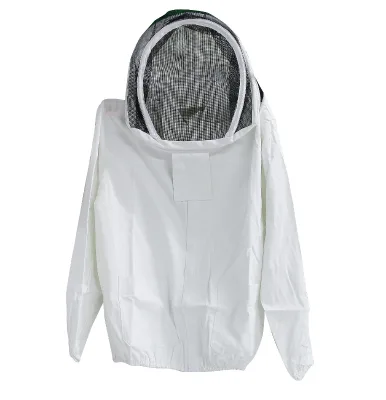
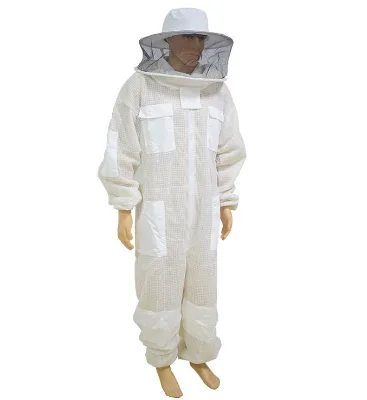

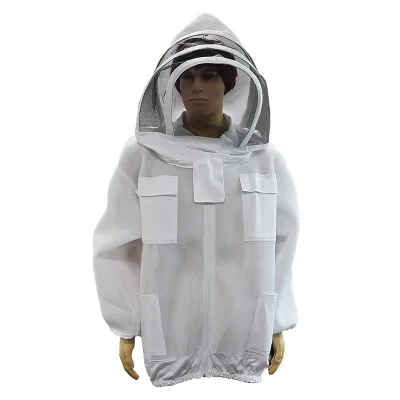
3 Layer Bee Suit for Beekeepers Ventilated Premium Beekeeping Beekeeper Suit
$50.00 - $100.00
MOQ: 100 Pieces

Full Body Protection Beekeeping Suits 3 Layers Ventilated Mesh Beekeeping Suit
$50.00 - $100.00
MOQ: 100 Pieces

Bees Beekeeping Suit Professional Beekeeper Protection Clothes Wholesale Beekeeping Jacket
$50.00 - $100.00
MOQ: 100 Pieces

Bee Proof 3 Layer Mesh Fabric Ultra Ventilated Beekeeping Beekeeper Jacket Suit
$50.00 - $100.00
MOQ: 100 Pieces

Beekeeping Suit with Round Veil Ventilated Beekeeping Clothing Featuring Breathable
$50.00 - $100.00
MOQ: 100 Pieces

Custom Beekeeping Jacket with Veil Hood Ventilated Protective Bee Suit
$50.00 - $100.00
MOQ: 100 Pieces






Comprehensive Sourcing Guide
Strategic Sourcing Guide for Beekeeper Suits
Understanding Product Specifications and Variations
When sourcing beekeeper suits, buyers must navigate a diverse landscape of product attributes that directly impact functionality and safety. The core product, often categorized as a "Beekeeper Suit" or "Ventilation Beekeeping Suit," is fundamentally a Personal Protective Product designed for safety equipment purposes. The primary application is protective beekeeping, where the gear serves as essential bee protection gear for apiarists. A critical observation from current market listings is the variation in material composition. While some units are explicitly constructed from Cotton, others utilize a blend of ventilation cloth or cotton to balance breathability with durability. This distinction is vital for buyers operating in different climate zones, as ventilation cloth offers superior airflow for hot environments, whereas pure cotton may provide a different tactile feel and fire resistance profile.
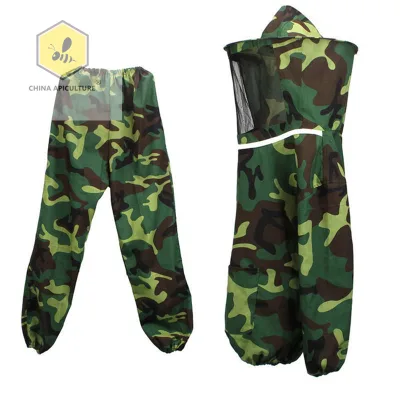
The physical dimensions and weight of the suit are significant logistical factors. Observed data indicates a wide range in single item weights, ranging from approximately 0.6 kg to 1 kg per unit, with specific models noting a weight of 730g per piece. The packaging dimensions also vary significantly, with single package sizes observed between 43x43x61 cm and 57x43x28 cm. This variance suggests that buyers must carefully calculate shipping costs based on the specific model number, such as PS-1 or BC-8, rather than relying on average estimates. Furthermore, the suits are available in a broad spectrum of colors, including white, yellow, green, pink, grey, and camouflage patterns. The color choice is not merely aesthetic; white and yellow are traditional for visibility and heat reflection, while camouflage may be preferred for specific field conditions. The suits are designed to be unisex, catering to male, female, and children users, with size ranges typically extending from L to XXXL.
Compliance, Certification, and Safety Standards
In the realm of Personal Protective Equipment (PPE), compliance is a non-negotiable aspect of procurement, yet specific certification data for these beekeeper suits often remains undefined in general product listings. Buyers must understand that while the product is classified as "Safety Equipment Protective," the absence of explicit certification claims in the source data necessitates rigorous verification. Unlike industrial safety gear that may carry mandatory ISO or CE markings by default, beekeeping suits often operate under different regulatory frameworks depending on the region of import.
Buyers should not assume that a product listing implies compliance with specific international safety standards without direct confirmation from the supplier. The observed data mentions a "prod_standard" field, but the value provided (574328 cm) appears to be a packaging dimension rather than a regulatory standard. This discrepancy highlights a critical area for due diligence. Procurement teams must request explicit documentation regarding material safety, such as flame resistance ratings or chemical treatment certifications, particularly if the suits are treated with insect repellents. The warranty periods observed in the market range from 3 months to 1 year, which can serve as a proxy for the manufacturer's confidence in their product's durability, though it does not replace formal certification.
Furthermore, the "condition" of the product is consistently listed as "New," which is a baseline requirement. However, buyers must verify that the "New" status includes intact zippers and functional ventilation systems, as these are the primary failure points in beekeeping gear. The presence of a "veiled" design in some product names indicates an integrated head protection feature, which is a critical safety component. Buyers should ensure that the veil attachment mechanism meets industry best practices for secure fastening to prevent bee ingress. Without specific standard numbers provided in the general market data, the onus is on the buyer to define the required safety thresholds and have the supplier validate them through third-party testing reports.
Cost Drivers and Pricing Dynamics
The pricing structure for beekeeper suits is influenced by several distinct variables, primarily material composition, customization options, and order volume. The observed market price range spans from 1 to 100 USD, a wide spectrum that reflects the diversity in quality and features. Lower-priced items in this range likely correspond to basic cotton suits with minimal ventilation features, while higher-priced units may include advanced ventilation cloth, enhanced zipper mechanisms, or specialized camouflage patterns.
A significant cost driver is the Minimum Order Quantity (MOQ). The data reveals a substantial disparity in MOQ requirements, ranging from as low as 1 piece to as high as 12,000 pieces. This variance creates a complex pricing dynamic for buyers. Suppliers offering an MOQ of 1 piece are likely targeting small-scale apiarists or retailers testing the market, but this convenience often comes with a higher unit cost. Conversely, suppliers requiring an MOQ of 100 pieces or more typically offer more competitive per-unit pricing, leveraging economies of scale. Buyers must balance their inventory needs against their budget constraints. If a buyer requires a large volume, negotiating based on the 100-piece threshold can yield significant savings.
Customization is another major factor affecting cost. The product attributes explicitly mention "customization" as a design feature and note that logos are available. Adding custom branding, such as embroidery or printed logos, typically incurs additional setup fees and may increase the unit price. The "Selling Units" are listed as single items, but the packaging often involves bulk cartons containing 20, 25, or even 75 pieces. Buyers must consider the total landed cost, which includes the unit price, customization fees, and the logistics of handling bulk packaging. The "Packing Weight" varies, with some cartons weighing up to 27 kg, which impacts freight charges. Therefore, the true cost of procurement is a function of the unit price, the MOQ tier, the level of customization, and the shipping weight of the consolidated cartons.
Typical Applications and Usage Scenarios
Beekeeper suits are engineered for specific applications within the beekeeping industry, ranging from hobbyist apiaries to large-scale commercial operations. The primary usage is identified as "Beekeeping" and "Protective beekeeper" activities. The suits serve as a barrier against stings and bites, making them essential for anyone handling hives. The "Feature" attribute lists "Bee Farm," indicating suitability for farm-scale operations where frequent hive inspections are necessary.
The design variations cater to different usage scenarios. The "ventilation beekeeping suit" is particularly suited for hot climates or high-intensity work where heat stress is a concern. The "hood bee suit" style suggests a design focused on head and neck protection, which is critical for preventing stings in sensitive areas. The availability of suits for "children" opens up applications for educational programs and family-based beekeeping initiatives, allowing younger generations to participate safely in hive management.
The "Style" and "Color" options also influence application. White suits are traditionally used for their ability to reflect sunlight and make bees more visible, which aids in inspection. Camouflage or colorful suits may be preferred in specific aesthetic or branding contexts, though their functional impact on bee behavior should be verified. The "Beekeeper Jacket" variant suggests a modular approach, where users might prefer a jacket and pants combination for specific tasks, offering flexibility in different weather conditions. Understanding these application nuances helps buyers select the right product mix for their specific operational needs, ensuring that the gear matches the intensity and environment of their beekeeping activities.
Supplier Evaluation and Quality Control
Evaluating suppliers for beekeeper suits requires a focus on consistency, transparency, and the ability to meet specific technical requirements. The observed data includes a brand name, "Fengwang," and a place of origin, "Henan, China," which provides a geographical anchor for sourcing. However, buyers should not rely solely on brand recognition or location. Instead, they must verify the supplier's capacity to deliver consistent quality across batches.
Quality control should begin with the raw materials. Since the material is listed as either "Cotton" or "ventilation cloth," buyers must request samples to test the fabric density, tear strength, and breathability. The "Single gross weight" of the package (ranging from 2.0 kg to 27.0 kg) provides a clue about the packaging density, but physical inspection of the product is necessary to ensure the stitching and zipper quality meet safety standards. The "warranty" period, observed as 3 months or 1 year, is a useful metric for supplier confidence, but it should be accompanied by a clear policy on defect resolution.
Buyers should also assess the supplier's flexibility regarding customization and packaging. The ability to offer "Logo" customization and various "Packing" configurations (e.g., 25pcs/carton or 75pcs/carton) indicates a supplier capable of adapting to different client needs. However, the variation in "Single package size" and "Package Size" suggests that buyers must provide precise specifications to avoid receiving ill-fitting or non-compliant shipments. A robust supplier evaluation process includes requesting pre-production samples, verifying the accuracy of the "model number" and "prod_model" against the physical product, and conducting a post-shipment inspection to ensure the "condition" remains "New" upon arrival.
Long-Term Procurement Considerations
Sourcing beekeeper suits is not a one-time transaction but part of a long-term supply chain strategy. Buyers must consider the lifecycle of the product, including maintenance, replacement cycles, and scalability. The "warranty" periods observed suggest that these products have a finite lifespan, and buyers should plan for periodic replenishment. The "Design" attribute mentioning customization implies that branding and product identity are important for long-term business relationships, especially for companies looking to build a proprietary line of beekeeping gear.
Scalability is another critical factor. The wide range of MOQs (1 to 12,000 pieces) allows buyers to start small and scale up as their operations grow. However, buyers must be aware that changing suppliers or models mid-cycle can disrupt operations. Therefore, establishing a relationship with a supplier who can handle both small and large orders is advantageous. The "Selling Units" being single items allows for easy inventory management, but the bulk packaging requirements mean that storage space must be planned accordingly.
Finally, buyers should monitor market trends and technological advancements in beekeeping gear. As the industry evolves, new materials and designs may emerge that offer better protection or comfort. Maintaining a flexible procurement strategy that allows for the adoption of new technologies, such as advanced ventilation fabrics or improved zipper mechanisms, will ensure that the organization remains competitive and safe. Regular reviews of supplier performance, product quality, and cost efficiency will help maintain a robust supply chain for beekeeper suits over the long term.
FAQs
What materials are used for beekeeper beekeeping suits?
Suits are constructed from cotton or ventilation cloth to balance durability and breathability. Buyers should verify the specific fabric blend, as ventilation cloth offers superior airflow for hot climates while cotton provides a different tactile feel.
Which sizes are available for beekeeper beekeeping suits?
Available sizes typically range from Large to XXXL to accommodate various body types. The suits are designed for male, female, and children users, ensuring a proper fit for different age groups and body shapes.
How much does a single Beekeeper Beekeeping Suit weigh?
Individual suit weights vary between 0.6 kg and 1 kg depending on the model. Specific models like PS-1 weigh approximately 730g per piece, while others may reach up to 1 kg, affecting shipping calculations.
Can buyers customize logos on beekeeper beekeeping suits?
Yes, customization is available for adding logos to the suits. This feature allows buyers to brand their products, though it may incur additional setup fees and affect the final unit price.
What is the minimum order quantity for beekeeper beekeeping suits?
Minimum order quantities range from 1 piece to 100 pieces depending on the supplier. Some vendors offer single-item purchases for testing, while others require bulk orders to achieve competitive per-unit pricing.
Where are beekeeper beekeeping suits typically manufactured?
Products are often sourced from Henan, China, based on available listing data. Buyers should confirm the specific place of origin for each supplier to understand logistics and potential shipping times.