Source Beverage Heat Transfer Film for Cups, Plates, and Packaging
Find and compare 30 Beverage Heat Transfer Film options from Chinese manufacturers. Evaluate customization, material types like PET, and delivery times to select the right solution for personal packaging and decorative applications.
Key considerations
Products List


Heat Transfers Film for Plastic Bottle, Heat Transfer Printing Film
$0.41 - $0.41
MOQ: 500 Square Meters


$1.32 - $1.34
MOQ: 500 Square Meters


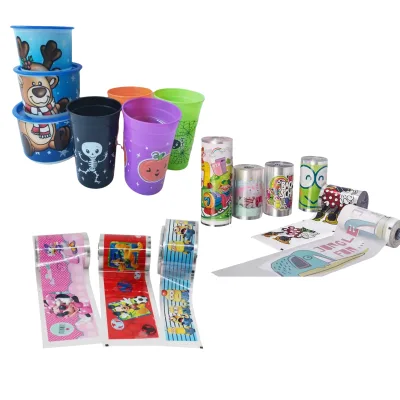
Comprehensive Sourcing Guide
Beverage Heat Transfer Film Sourcing Guide
Sourcing heat transfer film for beverage packaging requires a precise understanding of material compatibility, application methods, and regulatory compliance. This guide synthesizes observed market data and technical specifications to help procurement professionals navigate the complexities of selecting the right film for cups, plates, and other drinkware. By focusing on verified attributes such as material composition, customization options, and delivery timelines, buyers can mitigate risk and ensure consistent quality in their supply chain.
The following sections provide a structured approach to evaluating suppliers and products. Each section is designed to address specific procurement decisions, from technical verification to commercial negotiation. The guidance is grounded in observed listing signals and trusted industry knowledge, ensuring that all recommendations are actionable and evidence-based. Buyers are encouraged to use this framework to create a robust sourcing strategy that aligns with their operational needs and quality standards.
Product Scope and Observed Listing Signals
The market for Beverage Heat Transfer Film is characterized by a wide range of customization options and material types. Observed listings indicate that the primary material used is PET (Polyethylene Terephthalate), which is favored for its durability and clarity in decorative applications. Some suppliers also offer films made from general plastic materials, suggesting a flexibility in substrate selection based on specific customer requirements. The product is primarily identified as "Heat Transfer Film," with specific model numbers such as GS-2019, Greensource, LQ, and HTF appearing in various listings. This variety indicates that buyers should not assume a one-size-fits-all solution but rather evaluate films based on their specific application needs.
Application scope extends beyond simple decoration to include functional and aesthetic enhancements for various surfaces. The observed data highlights applications for plastic, glass, wood, and metal, with specific mentions of cups and plates as end-use items. This versatility suggests that the film can be adapted for different beverage packaging formats, from disposable cups to reusable drinkware. The customization options are extensive, including customized colors, sizes, and patterns, with some listings noting a maximum of 10 colors for standard runs. Buyers should leverage these customization capabilities to align the film with their brand identity, ensuring that the final product meets both aesthetic and functional expectations.
Technical Specifications to Verify
Verifying the technical specifications of heat transfer film is critical to ensuring successful application and final product quality. Key attributes to confirm include the release force, which is observed to be moderate in many listings, indicating a balance between adhesion and ease of removal during the transfer process. The printing method is predominantly heat transfer printing, with some suppliers offering gravure printing as an alternative. Buyers should verify the surface finish, which may include hot stamping, to ensure the desired texture and visual effect. Additionally, the industrial use cases, such as food and shopping applications, should be cross-referenced with the film's material properties to ensure suitability for beverage contact.
Packaging and logistics specifications are equally important for maintaining product integrity during transit. Observed packing methods include polybags with cartons, waterproof OPP bags, and four-layer corrugated cases, with roll sizes typically around 400 meters. These details are crucial for planning storage and handling procedures, as improper packaging can lead to film damage or contamination. Buyers should also verify the model numbers and standards associated with each product, as these can indicate specific performance characteristics or manufacturing processes. Understanding these technical nuances allows for more accurate forecasting and quality control, reducing the risk of production delays or product defects.
Compliance and Safety Documentation
Compliance with international standards is a non-negotiable aspect of sourcing heat transfer film for beverage packaging. Observed listings frequently cite ISO and SGS certifications, which serve as indicators of quality management systems and product safety. Buyers should request and verify these certifications to ensure that suppliers adhere to recognized industry benchmarks. While specific standards like ISO 9001 or OEKO-TEX are mentioned in background knowledge, buyers should confirm the exact scope and validity of these certifications with the supplier. This due diligence is essential for mitigating legal and reputational risks, particularly when dealing with food-contact applications.
In addition to certifications, buyers should inquire about the specific standards and regulations that the film complies with in target markets. For instance, if the film is intended for use in the European Union, compliance with REACH or other regional regulations may be required. Similarly, for the US market, FDA compliance might be necessary for food-contact materials. Buyers should not assume that a general certification covers all regulatory requirements; instead, they should seek detailed documentation that addresses the specific use case. This proactive approach ensures that the sourced materials meet all legal obligations, facilitating smoother customs clearance and market entry.
Cost Drivers and Commercial Terms
Understanding the cost drivers and commercial terms is essential for effective budgeting and negotiation. The observed price range for heat transfer film is between $0.20 and $1.34 per unit, with a minimum order quantity (MOQ) ranging from 500 to 5,000 square meters. These figures suggest that economies of scale play a significant role in pricing, with larger orders likely yielding better unit costs. Buyers should consider their volume requirements when negotiating prices, as higher volumes may provide leverage for discounts. Additionally, the customization options, such as specific colors or patterns, may incur additional costs, which should be factored into the total cost of ownership.
Payment terms and lead times are also critical components of the commercial agreement. Observed terms include a 30% deposit, with the balance due upon completion or shipment. Lead times vary, with some suppliers offering delivery within 7 to 8 days, while others may have longer production cycles. Buyers should align these terms with their production schedules to avoid stockouts or excess inventory. It is also important to clarify any additional costs related to shipping, handling, or customs duties, as these can impact the final landed cost. By negotiating favorable terms and understanding the cost structure, buyers can optimize their procurement strategy and improve overall profitability.
Supplier Qualification and Quality Control
Supplier qualification is a vital step in ensuring a reliable and consistent supply of heat transfer film. Buyers should assess suppliers based on their production capabilities, quality control processes, and track record. The observed data indicates that suppliers are located in various regions of China, including Jiangxi and Taizhou, Zhejiang. While location can influence logistics costs, it is the supplier's internal processes that determine product quality. Buyers should request samples and conduct thorough testing to verify the film's performance, including adhesion, durability, and color fastness. This hands-on verification is crucial for identifying potential issues before committing to large orders.
Quality control measures should be integrated into the procurement process to maintain high standards. Buyers should establish clear quality specifications and communicate them effectively to the supplier. Regular audits and inspections can help ensure that the supplier adheres to these specifications throughout the production process. Additionally, buyers should implement a robust incoming quality control (IQC) process to inspect received goods for defects or deviations. By combining supplier qualification with rigorous quality control, buyers can minimize the risk of receiving substandard materials and ensure that their final products meet customer expectations.
Long-Term Procurement Checks
Long-term procurement success depends on continuous monitoring and evaluation of supplier performance. Buyers should establish key performance indicators (KPIs) to track metrics such as on-time delivery, product quality, and responsiveness to issues. Regular reviews of these metrics can help identify trends and areas for improvement, allowing for proactive management of the supply chain. Additionally, buyers should maintain open communication with suppliers to address any concerns promptly and foster a collaborative relationship. This ongoing engagement is essential for building trust and ensuring that the supplier remains aligned with the buyer's evolving needs.
As market conditions and regulatory requirements change, buyers must remain agile and adaptable. This may involve re-evaluating supplier contracts, exploring new sourcing options, or updating quality specifications. Buyers should also stay informed about industry developments, such as new materials or technologies, that could impact their sourcing strategy. By maintaining a forward-looking approach and continuously refining their procurement processes, buyers can ensure long-term success and resilience in the face of market uncertainties. This strategic mindset is key to sustaining a competitive advantage and delivering value to customers.
FAQs
What materials are used for Beverage Heat Transfer Film?
The film is primarily made from PET or plastic materials suitable for various surfaces. These materials support applications on plastic, glass, wood, and metal items for personal packaging or cup decoration.
Can I get customized colors and sizes for this film?
Yes, customization is available for both colors and sizes to meet specific needs. Buyers can choose from up to ten colors and request custom dimensions tailored to their packaging requirements.
What is the minimum order quantity for heat transfer film?
The minimum order quantity starts at 500 square meters for most suppliers. Some listings indicate a range up to 5000 units depending on the specific manufacturer and product configuration.
How long does delivery take for these heat transfer films?
Delivery typically takes between 7 to 8 days after the order is confirmed. This lead time applies to standard orders placed with suppliers located in China.
Which certifications do these heat transfer films hold?
Products often carry ISO and SGS certifications to ensure quality and safety standards. These certifications verify that the manufacturing processes meet international requirements for industrial use.
What printing methods are used for this heat transfer film?
The film utilizes heat transfer printing and hot stamping processes for application. Some variants also support gravure printing to achieve detailed patterns or cartoon designs on the surface.
How is the heat transfer film packaged for shipping?
Packaging usually involves polybags with cartons or waterproof OPP bags inside corrugated cases. Rolls typically contain 400 meters, with multiple rolls packed per container for efficient transport.