Source Beverage Carbonation Bottle and Aluminum CO2 Cylinder Set for Soda, Paintball, and Storage
Find a Beverage Carbonation Bottle and Aluminum CO2 Cylinder Set from 30 verified listings. Compare specifications including working pressure, volume, and material for soda, paintball, and liquefied gas applications.
Key considerations
Products List
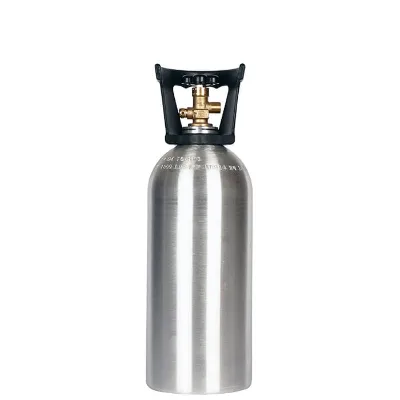
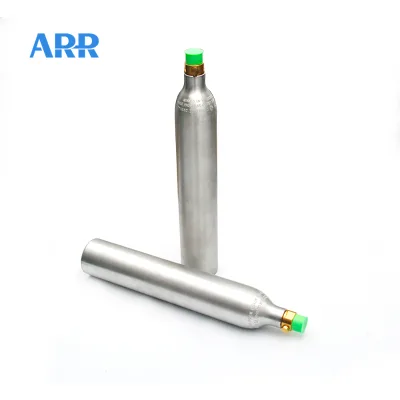
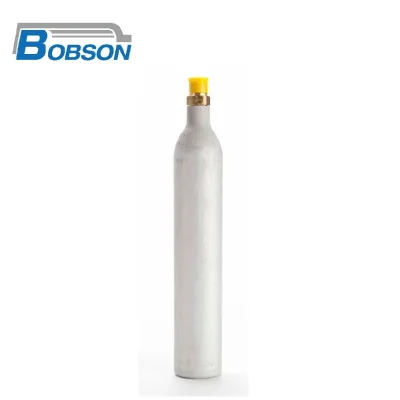
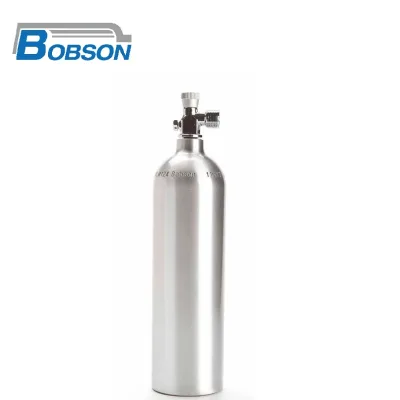
Hot Sale Soda Cylinder CO2 Bottle Tank Soda Water Bottle Aluminium CO2 Cylinder
$15.90 - $16.82
MOQ: 200 pieces
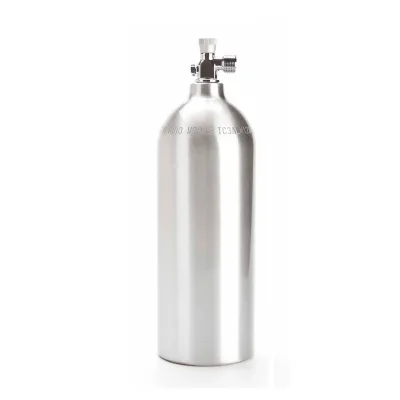
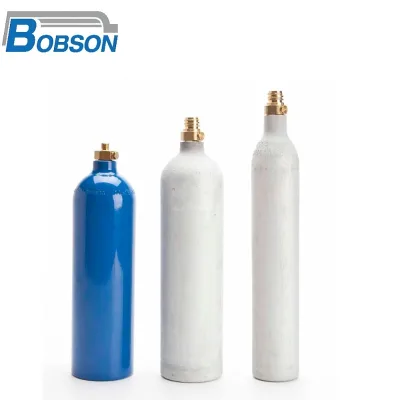
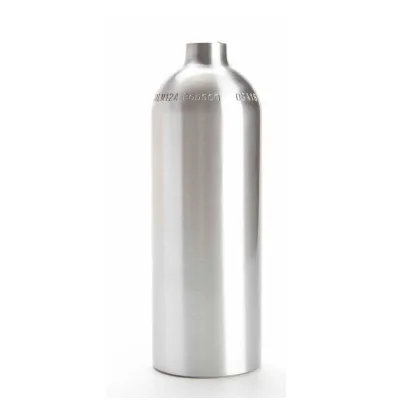
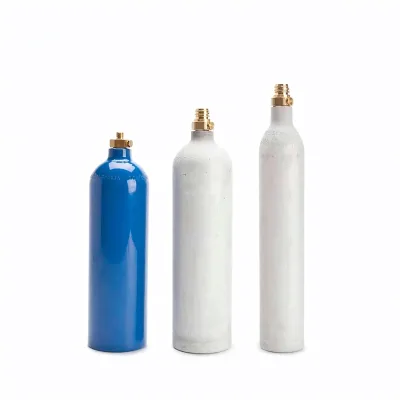


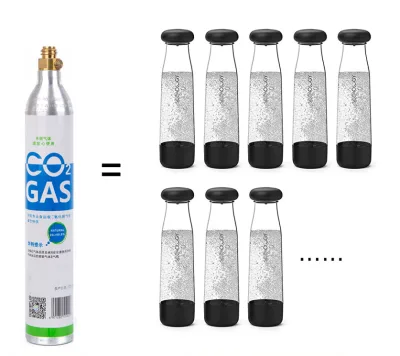


Comprehensive Sourcing Guide
Strategic Sourcing Guide for Beverage Carbonation Bottles and Aluminum CO2 Cylinder Sets
The global demand for beverage carbonation has driven a significant shift toward high-performance, lightweight storage solutions. For procurement professionals sourcing beverage carbonation bottles and aluminum CO2 cylinder sets, the market offers a diverse array of technical configurations ranging from compact 0.6L units to larger 2000ml vessels. This guide synthesizes observed market data and technical specifications to provide a disciplined framework for evaluating suppliers, ensuring product compliance, and managing long-term procurement risks. The focus remains on aluminum cylinders, which are increasingly preferred for their strength-to-weight ratio and corrosion resistance in carbonated beverage applications.
Technical Specifications and Material Integrity
When evaluating aluminum CO2 cylinder sets, the primary technical differentiator lies in the alloy composition and dimensional tolerances. The market data indicates a prevalence of AA6061 aluminum alloy, a material selected for its excellent machinability and high strength-to-weight characteristics. This specific alloy is critical for maintaining structural integrity under the high pressures required for carbonation. Buyers must verify that the material specification explicitly states AA6061 or an equivalent high-grade aluminum, as inferior alloys may fail under repeated pressurization cycles.
Dimensional consistency is equally vital. Observed specifications for these cylinders include an outside diameter of 60mm and a length of 336mm for specific models, such as the 0.6L variant. However, the market also presents a wide range of capacities, including 10LB, 5LB, 20LB, 600ml, 800ml, 1000ml, 2000ml, and 2L options. The water volume for the 0.6L model is recorded at 0.6L, while the single gross weight for a specific package can reach 10.640 kg, indicating substantial packaging requirements for safety and transport. The design wall thickness is a critical engineering parameter; for the 0.6L model, this is specified at 3.26mm. Procurement teams should demand engineering drawings that confirm wall thickness uniformity, as variations can lead to stress concentrations and potential failure points.
The pressure ratings observed in the market vary significantly based on the intended application. Some units are rated for a test pressure of 250 Bar with a working pressure of 116.7 Bar, suitable for high-pressure industrial or specialized beverage applications. Other listings indicate pressure levels ranging from 10.0MPa to 100.0MPa, with working pressures of 15MPa or 20MPa and testing pressures of 25MPa or 30MPa. Conversely, low-pressure applications exist with ratings between 0.1MPa and 1.6MPa. It is imperative for buyers to match the cylinder's pressure rating precisely to the operational requirements of their carbonation system to prevent catastrophic failure.
Compliance and Certification Verification
In the beverage and industrial gas sectors, regulatory compliance is non-negotiable. The supplied data references several international standards, including DOT, Tped, ISO, TUV, and Tc. These acronyms represent distinct regulatory frameworks governing pressure vessel safety. DOT refers to Department of Transportation standards, often required for shipping and transport in North America. Tped and Tc likely refer to European and Chinese transport regulations, respectively. ISO standards provide a baseline for international quality and safety.
Buyers must verify that the supplier can provide valid certification documents for the specific batch being purchased. The presence of a standard label on the product does not guarantee compliance; the certification must be traceable to the specific manufacturing lot. The data mentions a standard range of 2-68L, suggesting that manufacturers may produce cylinders across a broad spectrum of sizes under a unified certification framework. However, a cylinder certified for one pressure rating or application (e.g., Paintball) may not be automatically certified for another (e.g., Soda or CO2). Procurement teams should explicitly request test certificates that confirm the cylinder has passed hydrostatic testing at the specified pressure (e.g., 25MPa or 30MPa) and that the material composition matches the stated AA6061 specification.
Cost Drivers and Pricing Dynamics
The pricing structure for aluminum CO2 cylinder sets is influenced by a complex interplay of material costs, manufacturing complexity, and order volume. The observed market price range spans from $5 to $300 USD. This wide variance is primarily driven by the cylinder capacity, wall thickness, and the level of customization required. A 0.6L cylinder with a 3.26mm wall thickness will naturally cost less than a 20LB cylinder with reinforced walls and specialized fittings.
Minimum Order Quantity (MOQ) is another significant cost driver. The market data shows an MOQ range from 1 to 6000 units. Small buyers may access single-item purchases, but this often comes with a premium per-unit cost. Conversely, orders approaching the 6000-unit threshold likely benefit from economies of scale in raw material procurement and production line efficiency. Buyers should analyze their total cost of ownership (TCO), which includes not just the unit price but also shipping, packaging, and potential inventory holding costs. The single package size of 33.2x6x33.2 cm for the 0.6L model indicates that logistics planning must account for the bulk density of these items. Efficient palletization, as noted in the packing specifications (Ctns/Pallets/Containers), is essential for minimizing freight costs.
Typical Applications and Usage Scenarios
Aluminum CO2 cylinders serve a variety of applications beyond simple beverage carbonation. The observed data highlights uses for CO2, Soda, Paintball, and general Gas storage. The "Function" is explicitly listed as "Storage Pressure Vessel," and the "Storage Medium" is described as Moncombustible/Nontoxic. This versatility allows a single supplier to serve multiple market segments, but it also necessitates careful application matching.
For beverage carbonation, the cylinder must be compatible with food-grade standards. While the data mentions "Soda" and "CO2" as uses, it does not explicitly confirm food-grade certification for all listed products. Buyers must ensure that the cylinder's interior surface treatment is suitable for direct contact with consumable liquids. The "Condition" is listed as "New," which is standard, but the "Customization" attribute being "Available" suggests that suppliers can modify fittings or pressure ratings for specific industrial needs. For paintball applications, the focus is often on rapid discharge and high pressure, whereas beverage carbonation requires stable, long-term storage at lower, consistent pressures. Understanding the specific end-use is crucial for selecting the correct pressure rating and valve configuration.
Supplier Evaluation and Origin Analysis
Geographic origin plays a pivotal role in supplier evaluation. The data indicates a split between suppliers from Shandong, China, and Taiwan, China. Both regions have established manufacturing bases for pressure vessels, but they may differ in quality control rigor, certification capabilities, and supply chain stability. Shandong is a major industrial hub in China, often associated with heavy manufacturing and competitive pricing. Taiwan is renowned for high-precision manufacturing and often adheres to stricter international quality standards.
When evaluating suppliers, buyers should look beyond the "Brand Name" (e.g., ARR, BOBSON) and focus on the manufacturer's track record. The "Place of Origin" should be verified against the certification documents. A supplier claiming a product is from Taiwan but holding certifications only from a domestic Chinese body may present a compliance risk for export markets. Additionally, the "Selling Units" are listed as "Single item," which implies that suppliers are willing to engage in small transactions, but this does not guarantee scalability. Buyers should assess the supplier's capacity to handle large orders, as evidenced by the high-end MOQ of 6000 units. The ability to provide "Customization" is a strong indicator of a mature manufacturing process capable of adapting to specific client requirements.
Quality Control and Long-Term Procurement Considerations
Quality control in the pressure vessel industry is a continuous process that begins at the raw material stage and extends through the final product inspection. The "Model Number" variations (e.g., 0.6L, BS-BE06, BS-A24, BS-C20, BS-A20, HQ-AGC-04) suggest a complex product line where each model may have unique quality parameters. Buyers must implement a rigorous incoming quality inspection protocol. This should include visual inspections for surface defects, dimensional checks against the specified 60mm diameter and 336mm length, and verification of pressure ratings.
Long-term procurement considerations involve the lifecycle management of the cylinders. Aluminum cylinders are durable but require periodic re-certification and inspection to ensure continued safety. The "Pressure Level" classification (High Pressure vs. Low Pressure) dictates the inspection frequency. For high-pressure applications (10.0MPa≤p<100.0MPa), the risk of fatigue is higher, necessitating more frequent testing. Buyers should negotiate service agreements with suppliers that include support for re-certification and replacement programs. The "Condition: New" attribute applies to the initial sale, but the long-term value of the procurement depends on the supplier's ability to support the product throughout its service life.
Furthermore, the "Storage Medium" being Moncombustible/Nontoxic implies that the cylinders are designed for safe handling of specific gases. However, cross-contamination risks exist if the same cylinders are used for different applications without proper cleaning. Procurement strategies should include clear labeling and segregation protocols to prevent misuse. The "Application: Liquefied Gas" and "Application: Gas" distinctions highlight the need for precise specification matching. A cylinder designed for liquefied gas may have different internal coatings or valve requirements compared to one for gaseous CO2.
In conclusion, sourcing beverage carbonation bottles and aluminum CO2 cylinder sets requires a meticulous approach that balances technical specifications, regulatory compliance, and cost efficiency. By focusing on verified material grades like AA6061, confirming pressure ratings against specific operational needs, and rigorously evaluating supplier certifications, buyers can mitigate risks and ensure a reliable supply chain. The diversity of the market, with options ranging from 0.6L to 20LB and various pressure levels, offers flexibility but demands careful selection to match the unique demands of each beverage carbonation project.
FAQs
What material is used for the aluminum CO2 cylinder set?
The cylinders are constructed from AA6061 aluminum alloy. This specific material is selected for its high strength-to-weight ratio and excellent machinability, ensuring structural integrity under high pressure conditions.
Which pressure ratings are available for these cylinders?
Available ratings include a test pressure of 250 Bar with a working pressure of 116.7 Bar. Other options range from 10.0MPa to 100.0MPa, while low-pressure variants operate between 0.1MPa and 1.6MPa.
How large are the standard cylinder dimensions?
Specific models feature an outside diameter of 60mm and a length of 336mm. The design wall thickness for the 0.6L variant is specified at 3.26mm to maintain safety under pressure.
Can these cylinders be customized for specific needs?
Yes, customization is available for these pressure vessels. Suppliers can modify fittings or pressure ratings to meet specific industrial or beverage carbonation requirements beyond standard configurations.
What certifications do these products typically meet?
Products often comply with DOT, Tped, ISO, TUV, and Tc standards. Buyers must verify that valid certification documents are traceable to the specific manufacturing lot for regulatory compliance.
Where are these aluminum cylinders manufactured?
Manufacturing origins include Shandong, China, and Taiwan, China. Both regions have established bases, with Taiwan often noted for high-precision manufacturing and Shandong for competitive heavy manufacturing pricing.
What is the minimum order quantity for these sets?
The minimum order quantity ranges from 1 to 6000 units depending on the supplier. Small buyers can access single items, while larger orders benefit from economies of scale in production.