Source BGA Rework Soldering Station for Chip Repair
Source 30 BGA Rework Soldering Station models from China for chip-level repair, BGA desoldering, and SMD rework. Compare specifications like heating power, temperature accuracy, and PCB size compatibility to find the right equipment for your electronics manufacturing needs; compare the available evidence and request quotations based on your requirements.
Updated
Key considerations
Products List


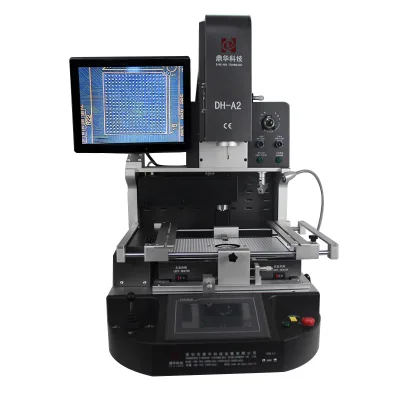
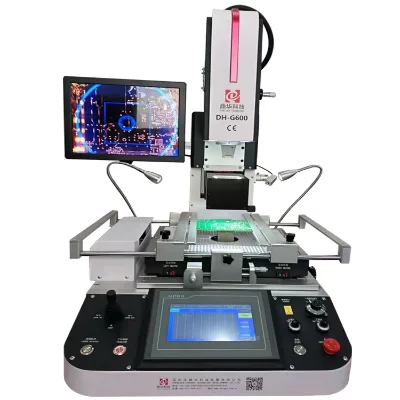
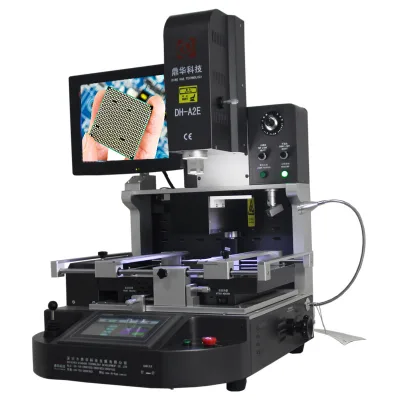
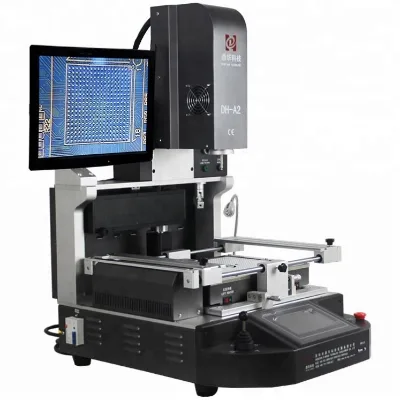
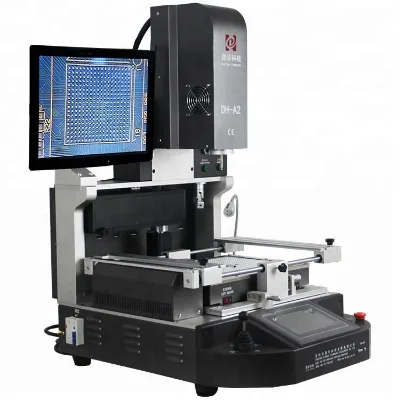
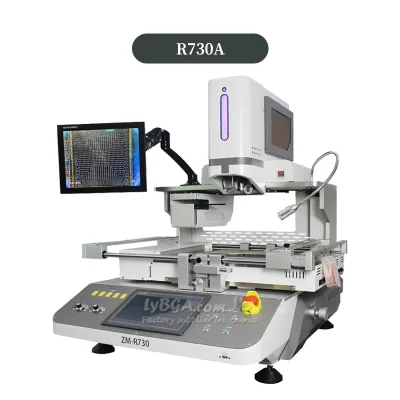
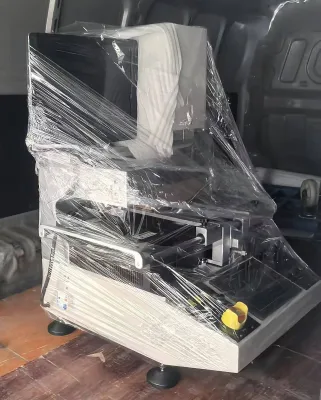
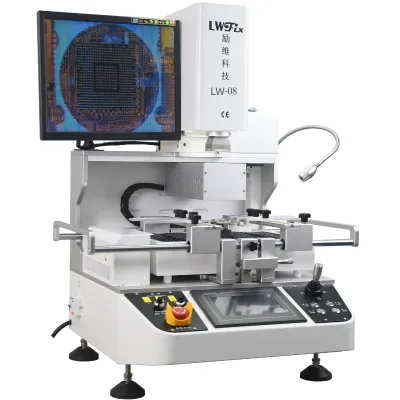
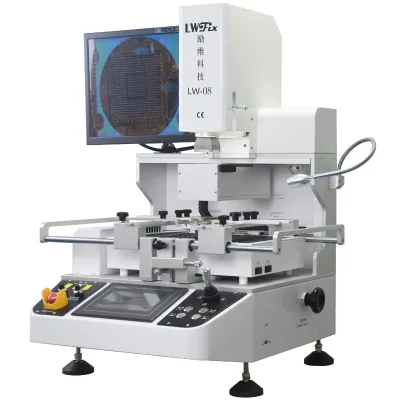
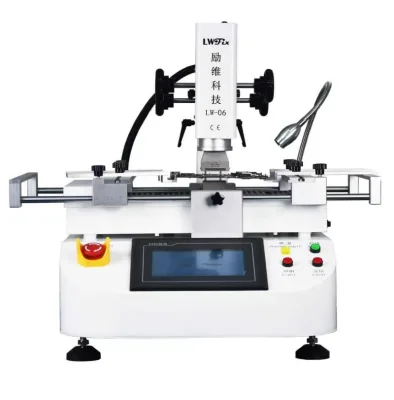
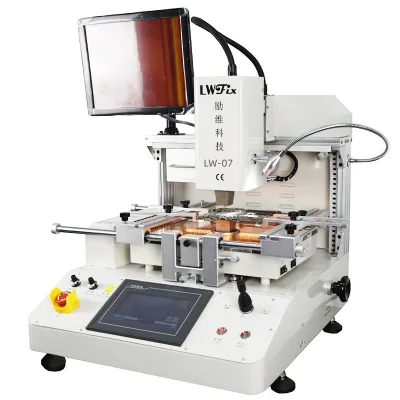
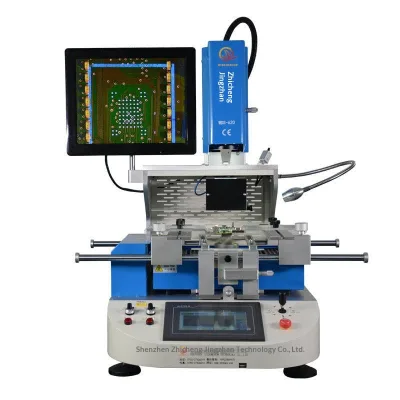
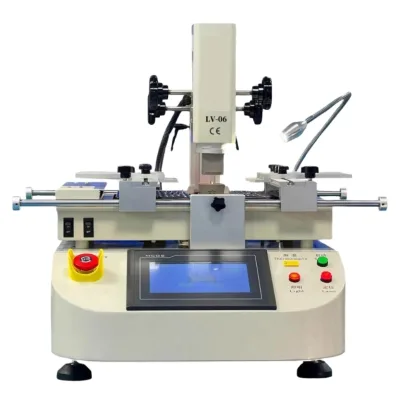
PCB BGA Rework Station Factory Hot Sale BGA Soldering Rework Station
$5000.00 - $7000.00
MOQ: 1 Pieces





Comprehensive Sourcing Guide
BGA Rework Soldering Station Sourcing Guide
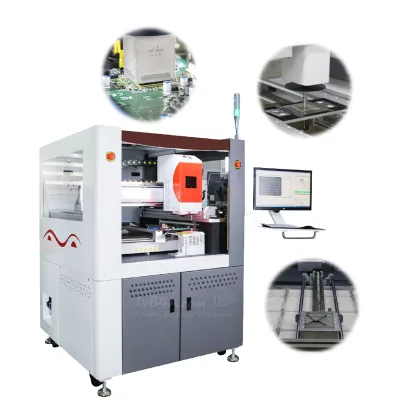
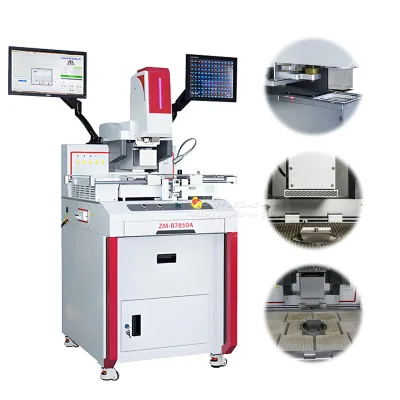
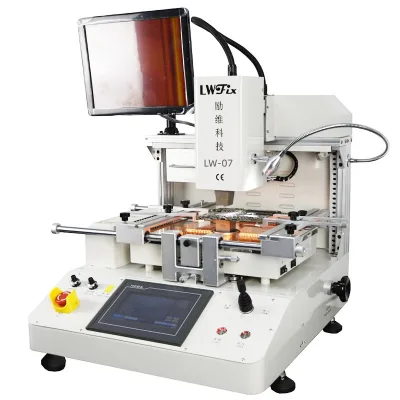
Procuring a BGA Rework Soldering Station requires careful evaluation of thermal precision and mechanical stability to ensure reliable component repair. These machines are essential for handling complex surface-mount technologies, including BGA, CCGA, QFN, CSP, LGA, and SMD packages. Buyers must prioritize equipment that offers precise temperature control and versatile heating modes to accommodate diverse chip sizes and PCB configurations. The selection process should focus on verifying the machine’s ability to handle specific chip dimensions, such as those ranging from 1x1mm to 80x80mm, while maintaining consistent thermal profiles.
The operational environment also dictates the choice of equipment, with many units designed for chip-level repairing in professional repair shops or manufacturing lines. Features like independent heaters and closed-loop temperature control via K-type thermocouples are critical for minimizing thermal shock to sensitive components. Additionally, the physical footprint and weight of the station, often around 65-70kg, influence installation requirements. Buyers should assess whether the platform structure and tilting angles, such as 0-135°, meet their ergonomic and spatial needs for efficient workflow integration.
Product Scope and Observed Listing Signals
Market listings for BGA rework stations reveal a wide range of models, including the R730A, BR-620, BR-750, and BR-120, each tailored to different PCB and chip size requirements. Observed price points vary significantly, ranging from approximately $125 to $29,999, reflecting differences in automation levels, brand reputation, and technical capabilities. Minimum order quantities are typically set at one unit, allowing for flexible procurement for small repair centers or large-scale industrial operations. This variability necessitates a thorough comparison of specifications to ensure the selected model aligns with specific production volumes and repair complexity.
Listings often highlight customization availability and specific packaging methods, such as vacuum packaging combined with wooden boxes, to protect sensitive electronics during transit. The origin of these machines is predominantly China, with Guangdong being a notable hub for manufacturing. Buyers should note that while many products are listed as new, the condition and warranty terms, often one year, should be explicitly confirmed. The presence of video technical support and online assistance indicates a reliance on remote troubleshooting, which is crucial for maintaining uptime in repair operations.
Technical Specifications to Verify
Verifying technical specifications is paramount to ensuring the station can handle the intended workload. Key parameters include the maximum PCB size, which can range up to 632x520mm, and the applicable chip size, typically up to 80x80mm. The heating system should feature three independent heaters with a temperature accuracy of ±2℃, ensuring uniform heat distribution across the PCB. Buyers must also check the power consumption, which can reach up to 5500W, and verify the voltage compatibility, such as 110V/220V, to match local electrical infrastructure.
Mechanical features like the welding turning rolls type and tilting angle are also critical for precise alignment. Some models offer a rotation speed of 0.3-3rpm and a tilting angle of 0-135°, facilitating easier access to components. The dimension of the unit, often around L600xW700xH850mm, impacts workspace planning. Additionally, the working model, which may include auto solder, desolder, pick up, and replace functions, determines the level of automation. Confirming these details prevents mismatches between equipment capabilities and repair requirements.
Compliance and Safety Documentation
Safety and compliance documentation are essential for operational integrity and regulatory adherence. Buyers should request machinery test reports to verify that the equipment meets established safety standards. These reports often confirm the stability of the heating elements and the accuracy of the temperature control systems. Ensuring that the station complies with relevant electrical safety standards is crucial to prevent hazards such as electrical shocks or fire risks, especially given the high power ratings involved.
Warranty terms and after-sales service provisions are also part of the compliance framework. A standard one-year warranty typically covers manufacturing defects, but buyers should clarify the scope of coverage for critical components like heaters and thermocouples. Online support and video technical assistance are common provisions, but the availability of local service centers or spare parts should be investigated. Proper documentation ensures that any technical issues can be resolved quickly, minimizing downtime and maintaining repair quality.
Cost Drivers and Commercial Terms
Several factors influence the total cost of ownership for a BGA rework station. The primary cost driver is the level of automation and precision, with advanced models featuring auto-soldering and precise temperature control commanding higher prices. Power consumption, which can exceed 5000W, also impacts operational costs, making energy efficiency a relevant consideration. Buyers should evaluate the long-term energy costs alongside the initial purchase price to determine the true economic impact of the equipment.
Commercial terms such as payment methods, shipping costs, and lead times significantly affect the procurement process. While MOQs are often low, bulk purchases may offer discounts. Packaging requirements, including vacuum and wooden box packaging, add to the shipping weight and cost. Buyers should negotiate clear terms regarding installation support and training, as these can reduce initial operational errors. Understanding these commercial dynamics helps in budgeting accurately and avoiding hidden costs during the procurement lifecycle.
Supplier Qualification and Quality Control
Supplier qualification is a critical step in mitigating procurement risks. Buyers should verify the supplier’s manufacturing capabilities and quality control processes, particularly for electronic components. The origin of the product, often Guangdong, China, suggests a concentration of specialized manufacturers, but due diligence is necessary to ensure consistent quality. Requesting references or case studies from existing clients can provide insights into the supplier’s reliability and product performance.
Quality control measures should include pre-shipment inspections and verification of key specifications. Buyers should confirm that the delivered unit matches the ordered model, such as the BR-620 or R730A, and that all accessories are included. Testing the temperature accuracy and heating uniformity upon receipt is advisable to ensure compliance with stated specifications. Establishing a clear communication channel with the supplier for technical support ensures that any discrepancies can be addressed promptly, safeguarding the investment.
Long-Term Procurement Checks
Long-term procurement success depends on ongoing supplier performance and product durability. Buyers should monitor the supplier’s responsiveness to technical support requests and the availability of spare parts. The warranty period, typically one year, is a key indicator of the supplier’s confidence in their product. Post-warranty support options, such as extended service contracts or repair services, should be evaluated to ensure continued operational capability.
Regular maintenance and calibration of the BGA rework station are essential for sustained performance. Buyers should establish a maintenance schedule that includes checking the thermocouples, heaters, and mechanical components. Tracking the machine’s performance metrics, such as temperature stability and repair success rates, can help identify potential issues early. By maintaining a proactive approach to equipment management, buyers can extend the lifespan of the station and maximize their return on investment.
FAQs
What is the maximum PCB size supported by this BGA rework station?
The maximum PCB size supported is 632x520mm, with a minimum of 6x6mm. This platform accommodates various board dimensions, ensuring compatibility with diverse electronic components. The adjustable design allows for precise positioning, making it suitable for complex rework tasks in professional repair environments.
Can the voltage be customized for different regions?
Yes, customization is available for voltage requirements. The system supports 110V and 220V inputs, allowing flexibility for international use. This adaptability ensures safe operation across different electrical standards, making the equipment suitable for global deployment without additional conversion hardware.
What is the warranty period for the BGA rework station?
The warranty period is one year. This coverage provides assurance for the equipment's performance and reliability during initial operation. Buyers receive video technical support and online assistance, ensuring prompt resolution of any technical issues that may arise within the warranty timeframe.
How precise is the temperature control on this unit?
The temperature accuracy is ±2℃, controlled by a K-type thermocouple closed loop. This precision ensures consistent heating for delicate BGA chips, preventing damage to sensitive components. The three independent heaters allow for uniform thermal distribution across the work area.
What is the weight of the BGA rework station?
The unit weighs approximately 65kg to 70kg, depending on the specific model configuration. This weight ensures stability during operation, reducing vibration and improving precision. The sturdy construction supports heavy-duty usage while maintaining a compact footprint for efficient workspace integration.
What types of chips are applicable for this rework station?
Applicable chips range from 1x1mm to 80x80mm, covering BGA, CCGA, QFN, CSP, LGA, SMD, and LED types. This wide compatibility allows technicians to handle various component sizes and packages. The flexible combination welding tilter enhances access for diverse chip geometries.